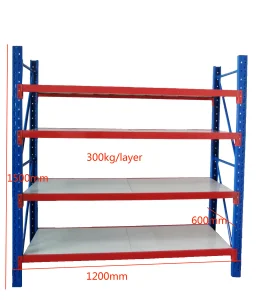
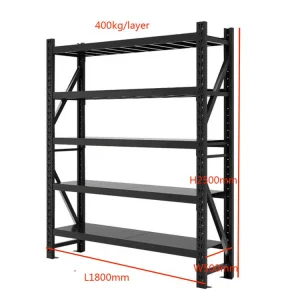
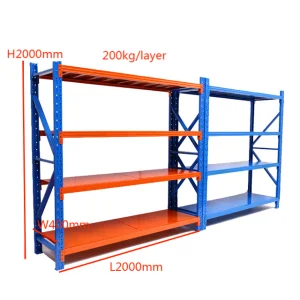
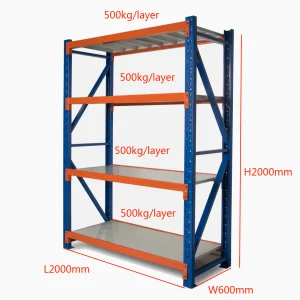
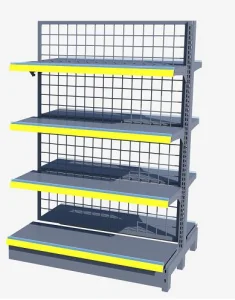
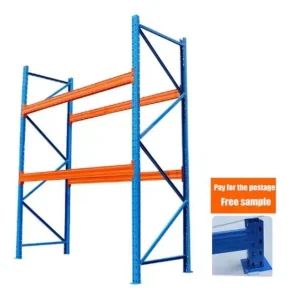
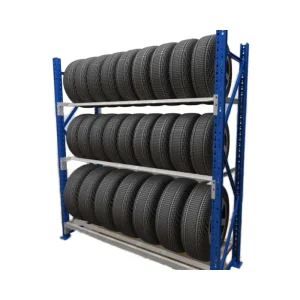
In modern industrial logistics, static floor storage represents a massive waste of high-value square footage. For manufacturers, logistics centers, third-party logistics (3PL) providers, and retail operations, scaling space requires leveraging vertical density. This is where modular stacking racks (often called nestainers, post pallets, or portable stack racks) offer a critical strategic advantage. Unlike static pallet racking systems, which fix a warehouse footprint into static aisles, stacking racks provide dynamic flexibility. They allow containers, bulk raw materials, and awkward goods to be dense-stacked up to 4 or 5 levels high when full, and nested when empty, recovering up to 80% of floor space.
Establishing structural durability, reliable load carrying capacities, and safe stackability demands deep engineering knowledge. As an industry-leading stacking rack manufacturer, Shenzhen Chaoyu Goods Shelf Co., Ltd. (est. 2015) has pioneered industrial rack innovation from our modern 32,000 m² facility. We ensure compliance with strict load-bearing and seismic standards globally, matching premium materials with custom layout plans to create seamless operational workflows.
Traditional pallet racking occupies fixed spaces regardless of inventory volume. Stacking racks allow operations to rapidly adapt to seasonal surges, enabling block stacking and easy breakdown to free up floor space for assembly or cross-docking operations.
Bulk stacking of direct pallets leads to crushed packaging and product failures. Stacking frames handle heavy vertical loads, allowing heavy parts, rolled goods, or delicate retail packaging to be stacked safely without physical contact between products.
These portable rack structures can be moved along with their cargo by standard forklifts. Fork entry guidelines speed up secure positioning, reducing handling steps and minimizing loading cycles in high-throughput distribution hubs.
Every industrial modular rack engineered by Shenzhen Chaoyu undergoes deep finite element analysis (FEA) to withstand static, dynamic, and seismic forces. Under high-stack loading, post distortion or base deflection can compromise stability. We employ high-yield structural steel (such as Q235 or Q355 carbon steel grade equivalents) to balance strength and ductility.
| Material Parameter | Standard Specification | Operational Advantage / Safety Feature |
|---|---|---|
| Steel Grade | Premium Q235 & Q355 Carbon Steel (GB/T 700-2006) | Exceptional yield strength and ductility for reliable load bearing under extreme configurations. |
| Base Frame Thickness | 2.75mm to 3.75mm heavy structural tubes | Resists impact damage from forklift tines and dynamic vertical deflection. |
| Surface Finish | Thermosetting powder coating or hot-dip galvanization | Corrosion protection, chemical wear resistance, and suitability for cold-storage rooms down to -30°C. |
| Stacking Method | 4-point post design with nesting cups or V-cups | Ensures reliable self-centering during overhead forklift stacking. |
| Compliance Certification | CE, ISO 9001:2015, AWS welding standards | Meets global structural standards for North American, European, and Asia-Pacific markets. |
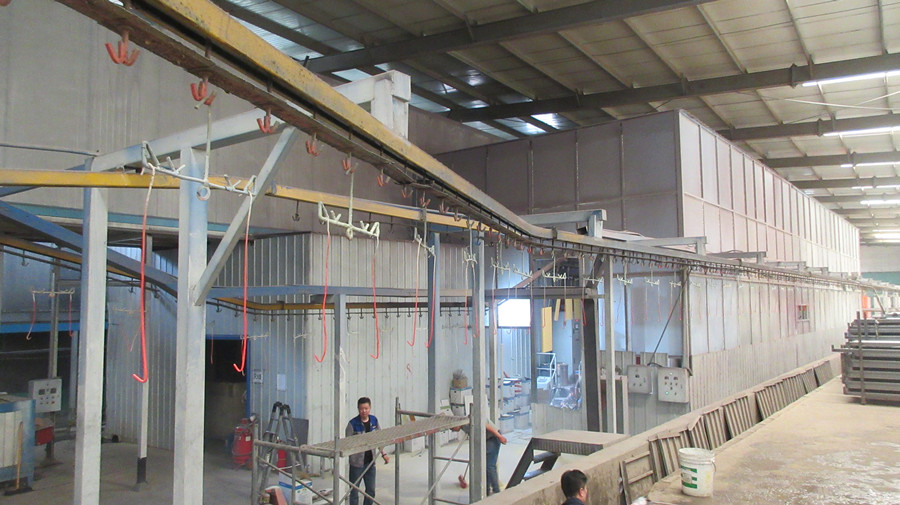
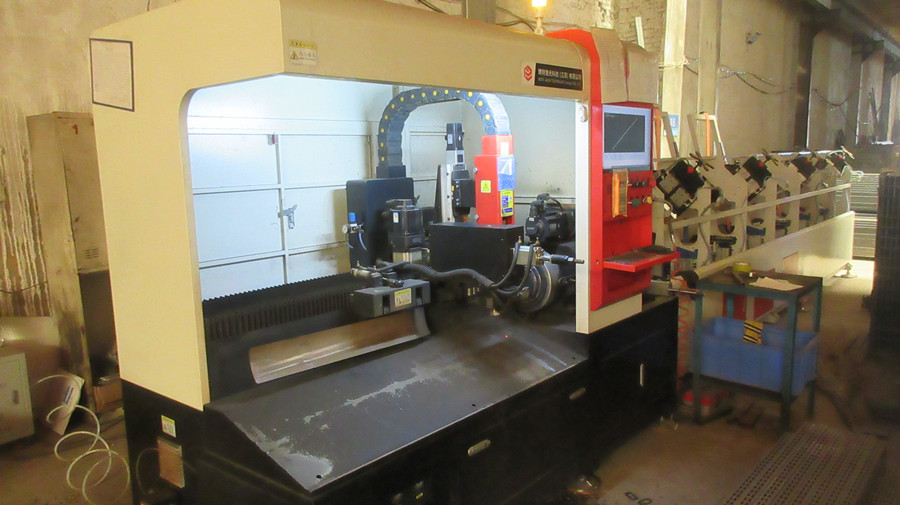
True reliability in heavy-duty racking comes from precise, repeatable manufacturing. At Shenzhen Chaoyu Goods Shelf Co., Ltd., we combine digital control technology with strict quality control. Operating with an annual export value exceeding $18 million, our factory features robotic welding arrays, laser profile cutting tables, and automated powder coating lines. We track every production stage, from raw material inspection to final product packaging, to ensure uniform steel thickness, consistent weld depth, and robust corrosion-resistant coatings.
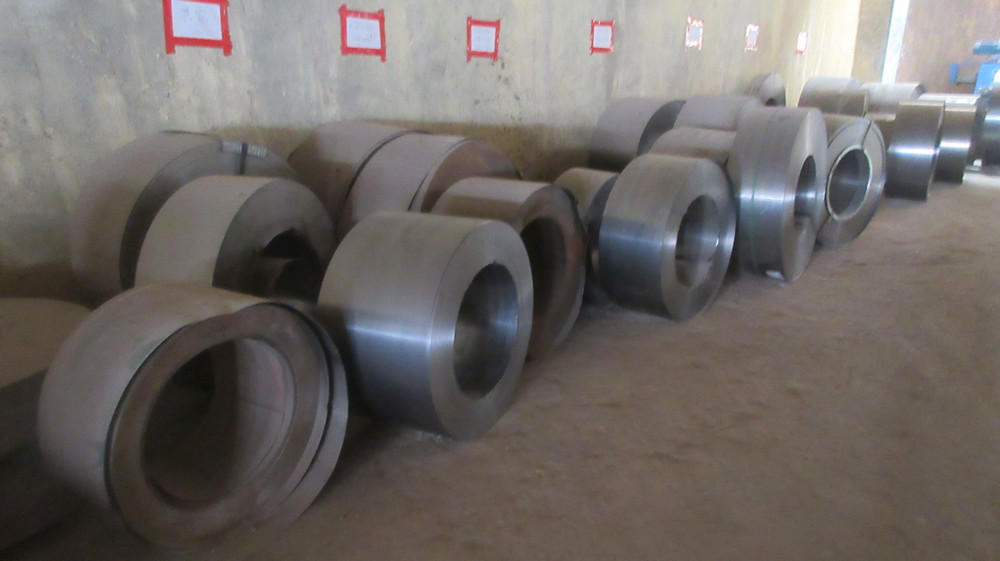
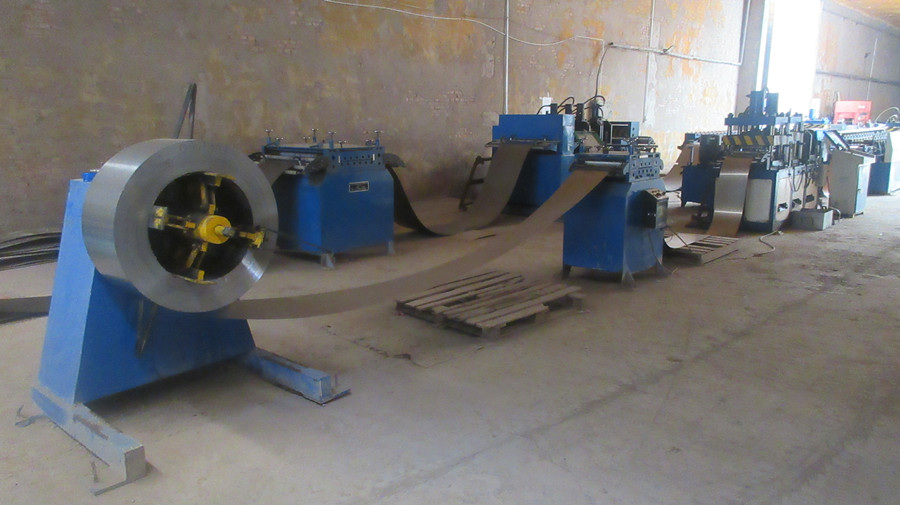
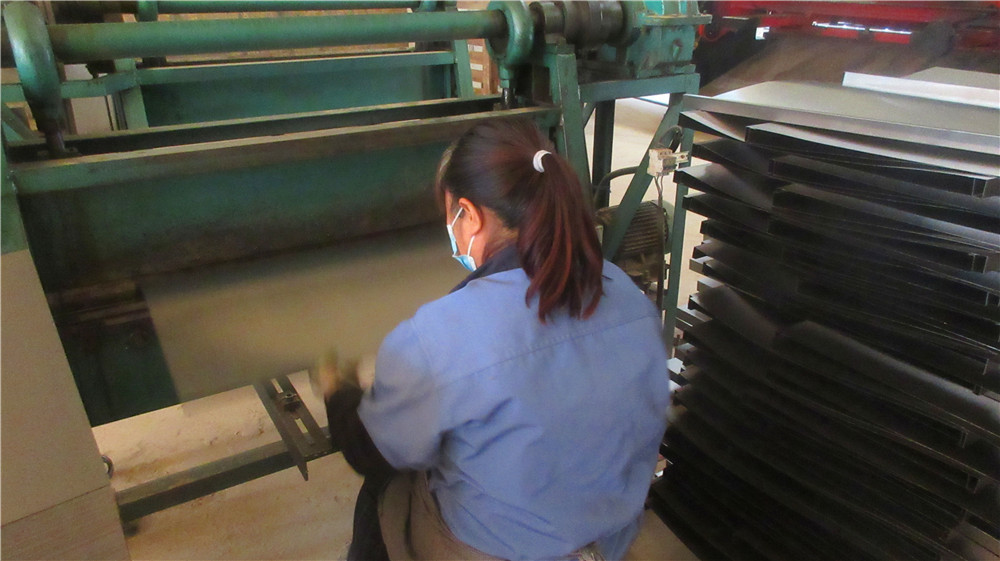
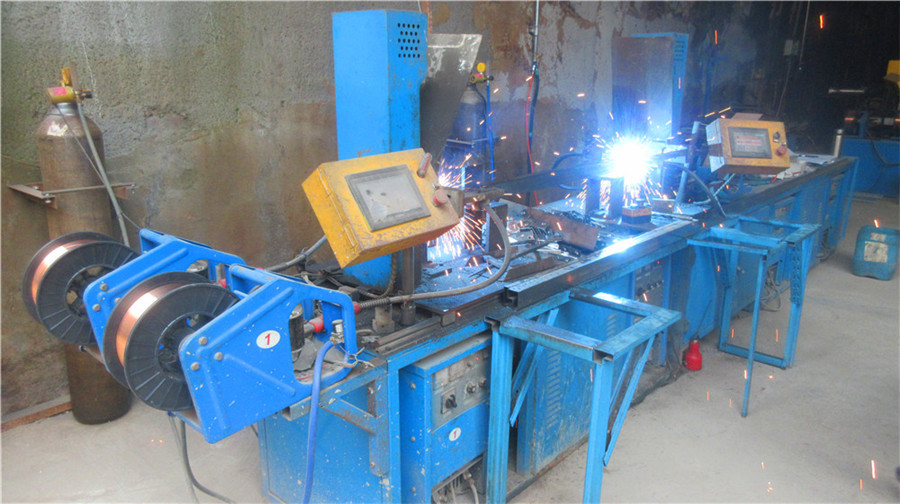
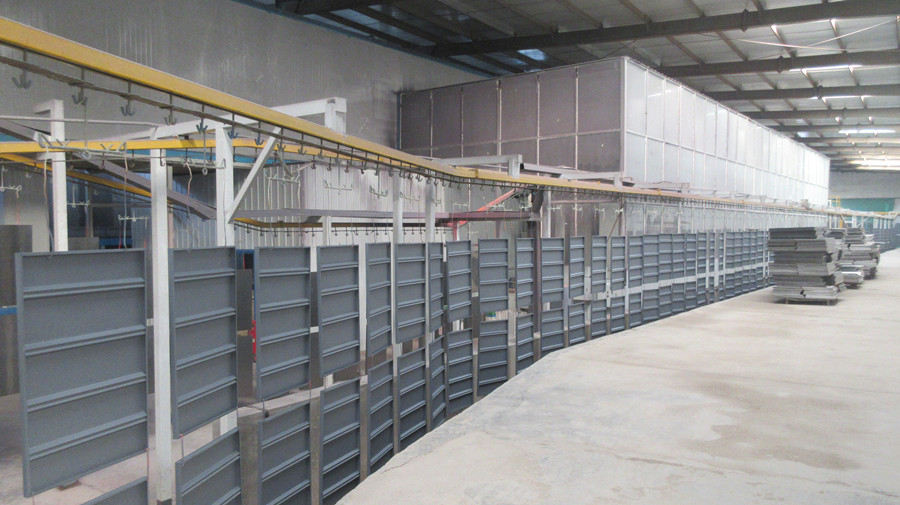
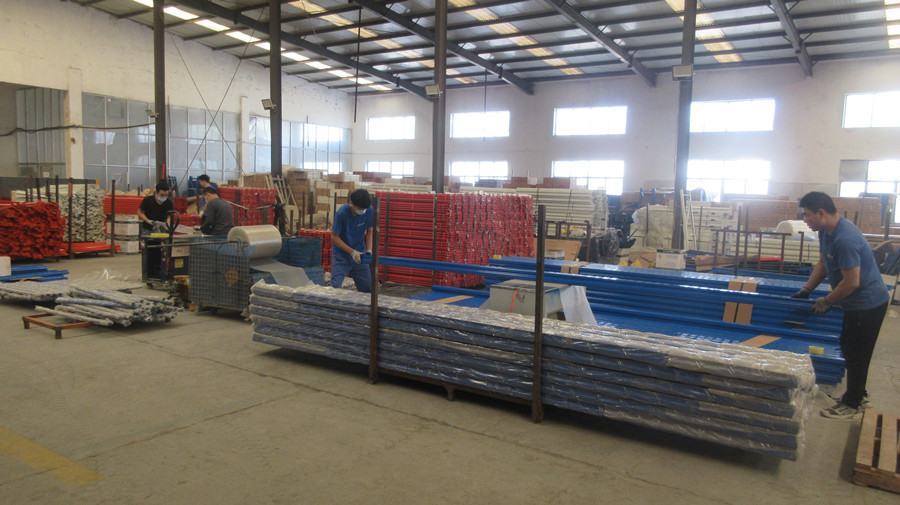
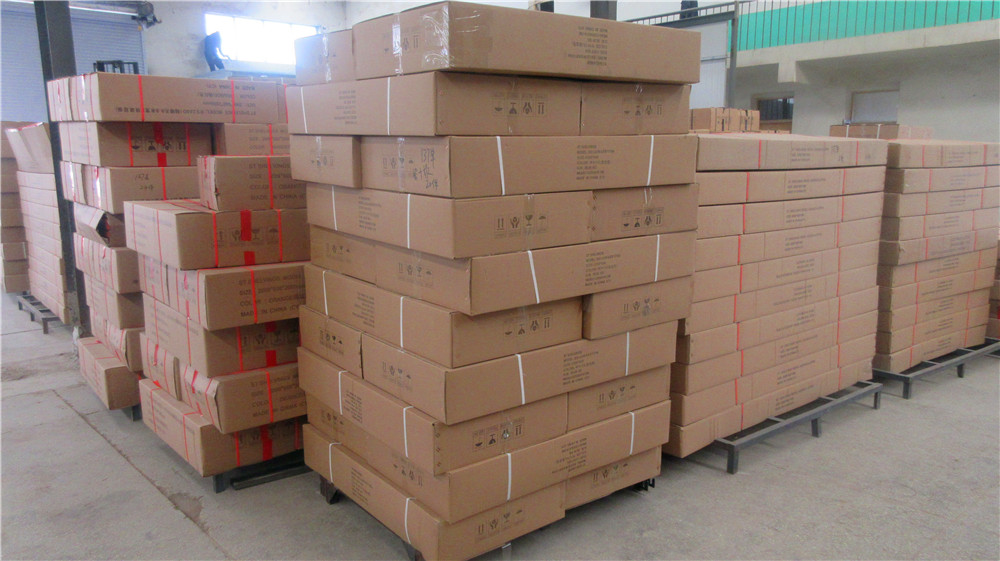
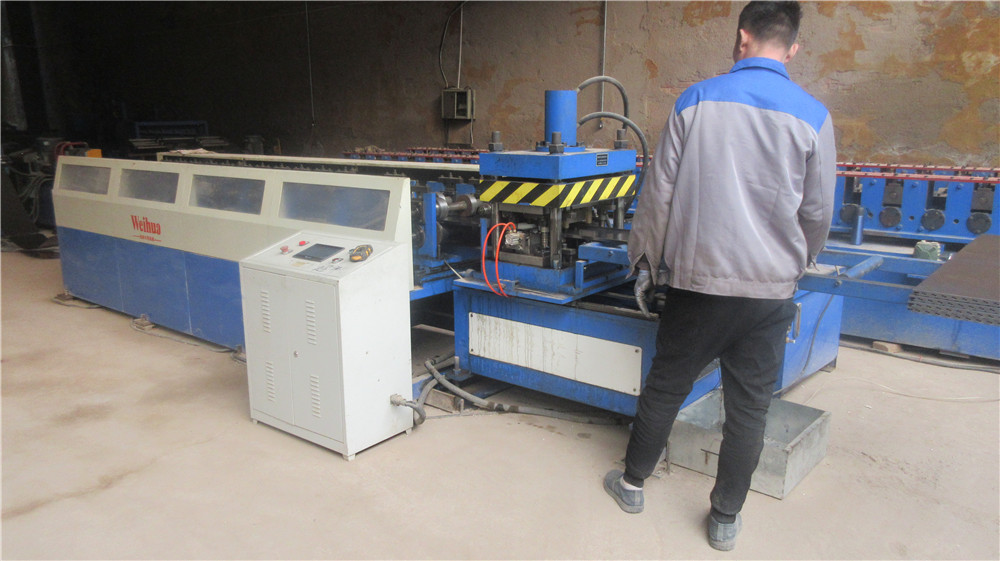
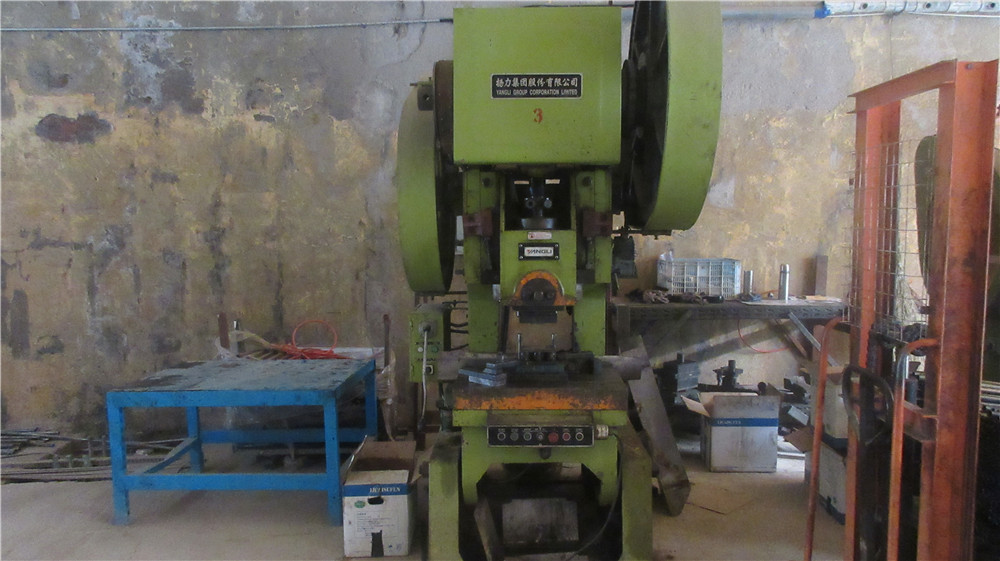
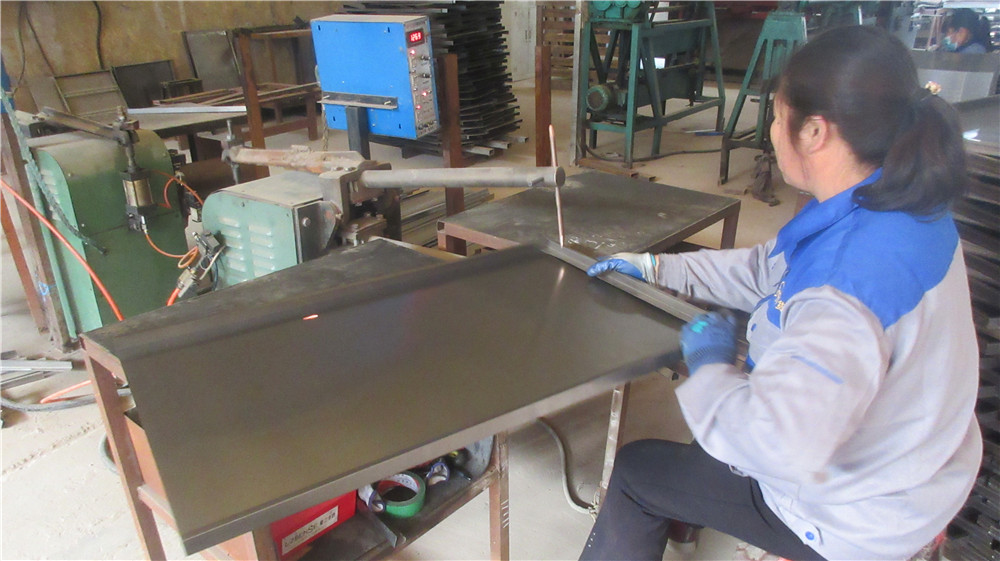
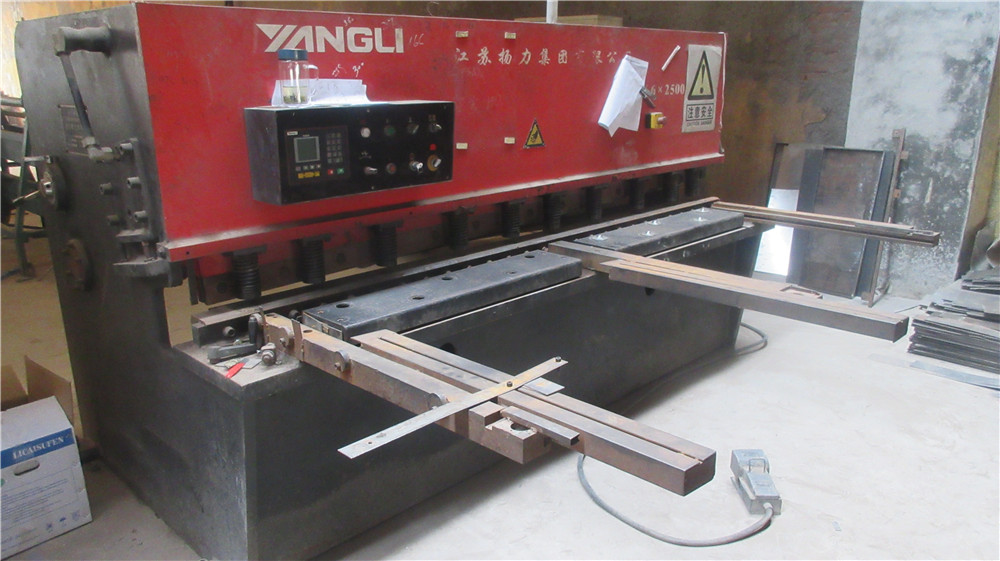
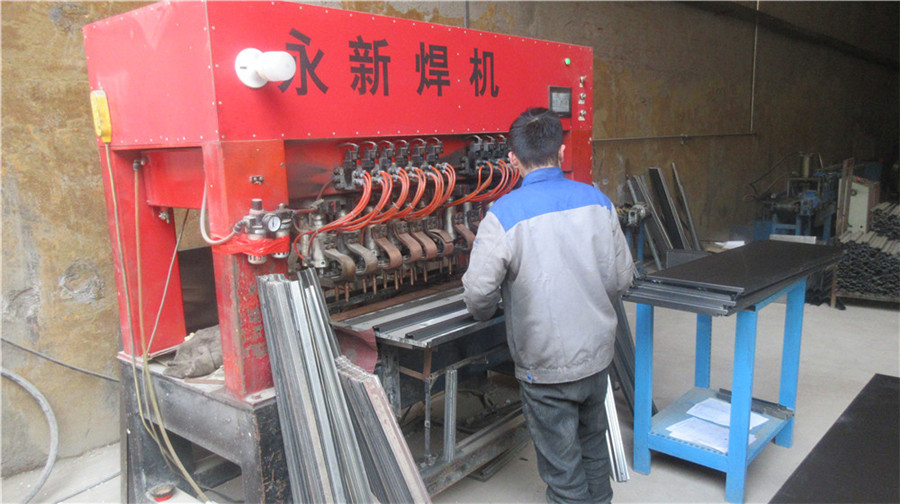
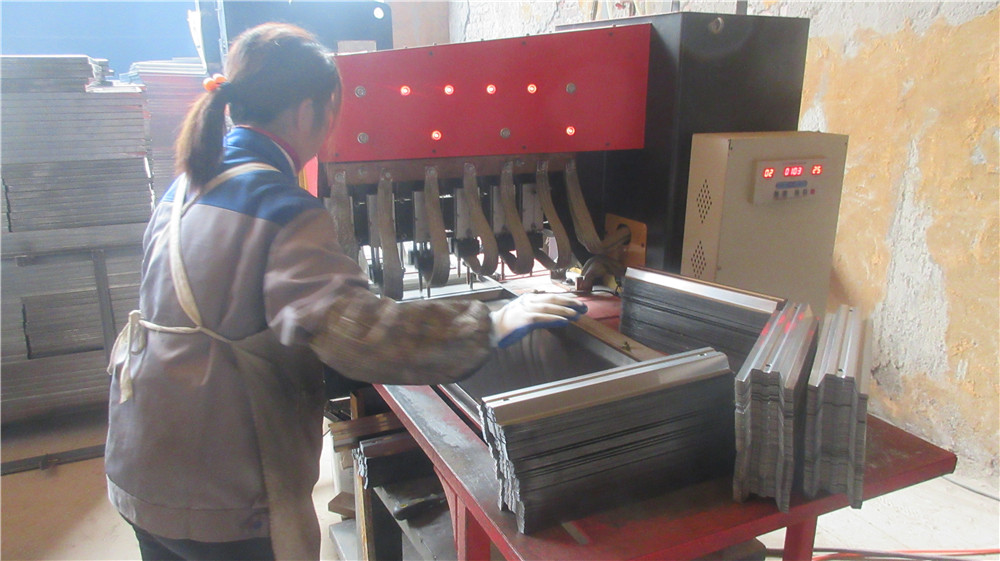
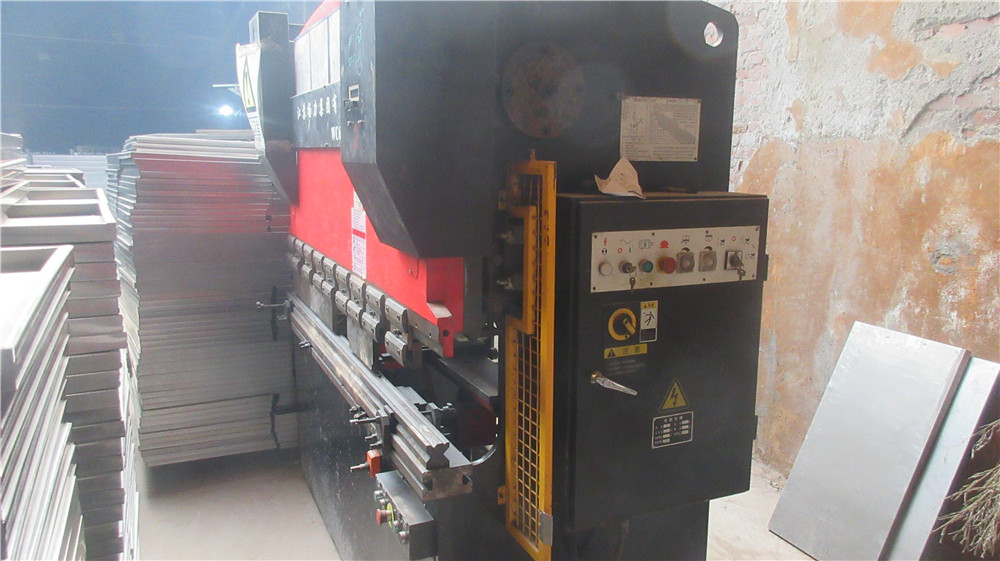
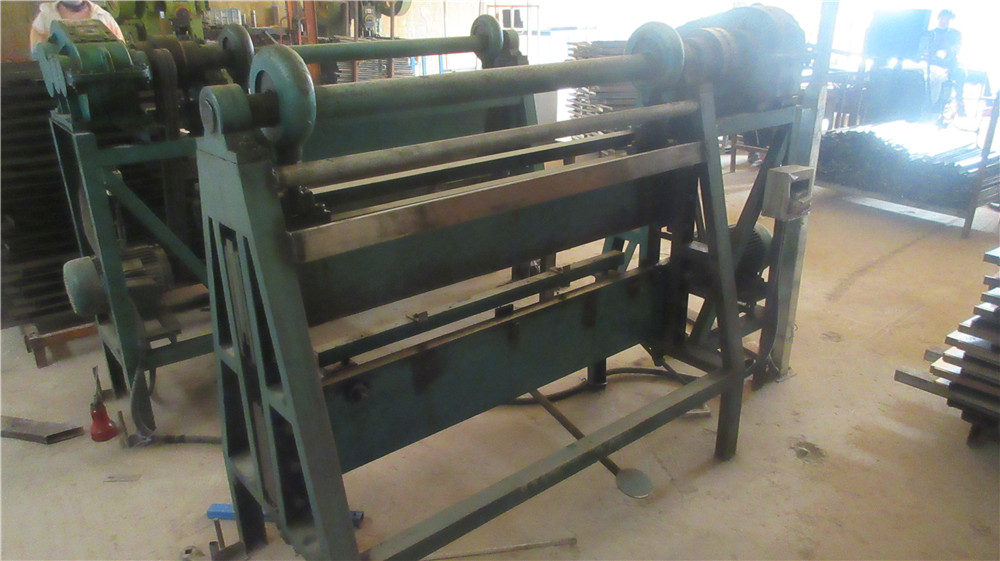
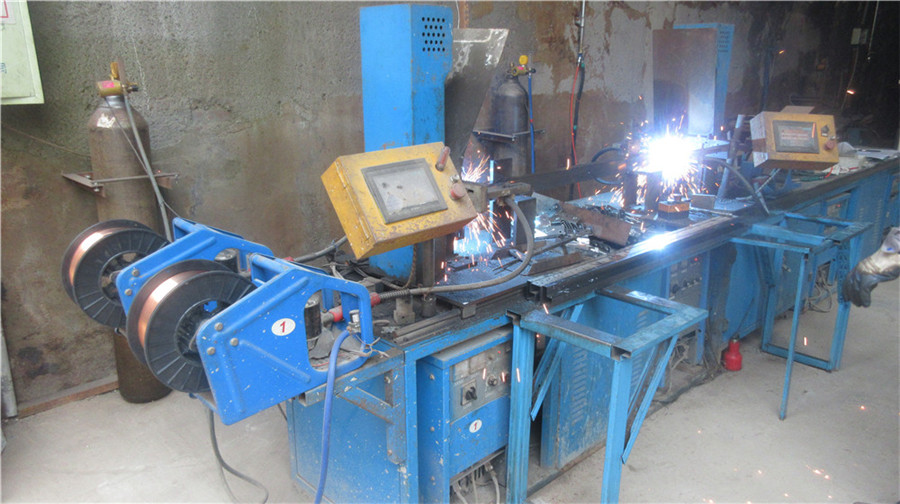
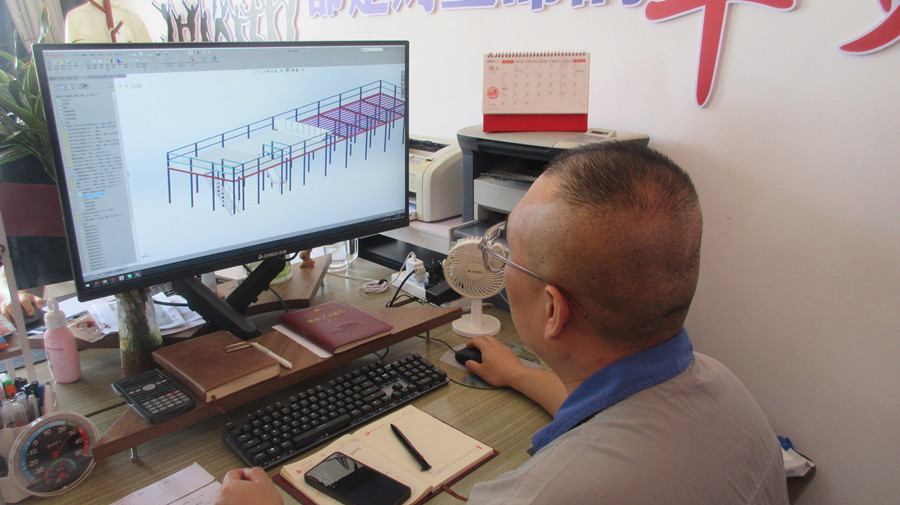
Our R&D engineering team of 18 specialists utilizes custom 3D simulation layouts. We analyze structural loads, evaluate forklift patterns, and design base frames optimized for specific product profiles, ensuring safety and operational efficiency.
Environmental conditions shape structural integrity. We offer tailored coatings, including hot-dip galvanization for humid facilities or cold-storage environments down to -30°C, and custom electro-powder colors to match corporate visual identity.
With over $18M USD in annual export volume to North America, Europe, Southeast Asia, and the Middle East, our designs meet localized standards. We ensure compliance with European CE regulations and local warehousing ordinances.
Shenzhen Chaoyu manages structural components through a network of over 850 trusted supply chain partners. This reliable network ensures prompt raw material sourcing and consistent delivery dates, even during global freight capacity fluctuations. Our 35 QC inspectors conduct multi-stage quality checks, including incoming steel spectrum analysis, automated weld defect detection, powder coating thickness tests, and real-time load capacity simulation testing, to verify structural integrity before shipping.
Optimizing density is critical in temperature-controlled facilities. Stacking racks allow high-density modular configurations, supporting rapid airflow and fast turnover of perishable pallets.
Engines, metal stampings, and body panels are challenging to store. Custom post pallets hold heavy components securely and can be moved directly to assembly lines.
Cylindrical materials tend to roll off flat shelves. Our custom V-blocks and lateral supports contain fabric, paper, and plastic rolls safely without distortion.
Handling diverse products requires versatile storage. Stacking racks configure easily to house changing inventory footprints without requiring permanent construction.
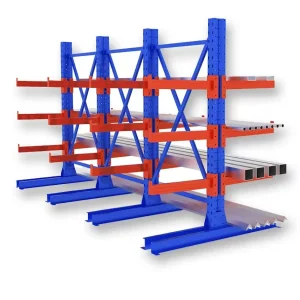
Structural profiles, metal tubes, and sheet materials require stable storage. Heavy-duty rack structures handle tons of steel safely without structural bending.
Supermarket produce, seeds, and feed bags pack tightly in stacking frames, allowing vertical stacking while preventing compression damage.
As logistics technology moves toward automation, the role of modular stacking racks is evolving. The next generation of systems integrates with automated guided vehicles (AGVs) and warehouse management systems (WMS). Designing racks to support autonomous transport requires tighter manufacturing tolerances. A variation of even 3mm in post alignment can cause sensor detection faults in AGVs during picking or placement.
To meet these requirements, Shenzhen Chaoyu is refining our production lines to reach sub-millimeter tolerances on our automatic welding and laser profile cutting setups. We are also integrating passive RFID tags and smart sensor brackets into our custom structures, enabling real-time inventory tracking and localization without manual scanning.
 Chaoyu Storage