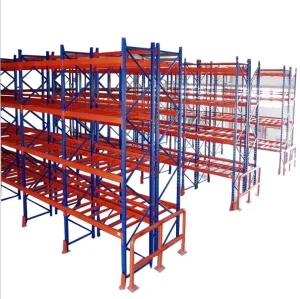
In modern industrial storage management, optimizing volumetric space while ensuring the safe structural containment of irregular, high-mass materials is a critical parameter. Traditional racking solutions, limited by vertical front-post configurations, fail to handle oversized or elongated loads such as structural steel columns, timber bundles, piping assemblies, and sheet metal packs. This logistical gap has driven the global adoption of engineering-optimized cantilever racking systems.
By eliminating the obstructive front-column obstruction inherent in standard pallet racking, cantilever configurations enable uninhibited horizontal span capacity. Modern setups use dynamic bolted and adjustable arm connectors to allow warehouse layouts to adapt easily to fluctuating inventory profiles without requiring structural system overhauls.
Deploying heavy-duty, hot-rolled Q235 or Q355 structural steel profiles enables cantilever racks to support immense static weights. Each arm and upright connection is engineered to distribute tension loads downward, mitigating deflection risks and ensuring maximum workplace safety under demanding load scenarios.
Advanced logistics ecosystems now integrate cantilever configurations directly with automated storage and retrieval systems (AS/RS). Guided wire tracking, multidirectional reach trucks, and custom arm profiles optimize material retrieval cycles, reducing crane movement paths and picking times by up to 35%.
With warehouse footprints expanding into outdoor yards, industrial cantilever racks are engineered for corrosion protection. Advanced hot-dip galvanizing and multi-layered electrostatic thermosetting powder coatings protect systems from ultraviolet degradation, saline humidity, and corrosive chemical environments.
A comparative look at our global logistics footprint, engineering capabilities, and infrastructure metrics.
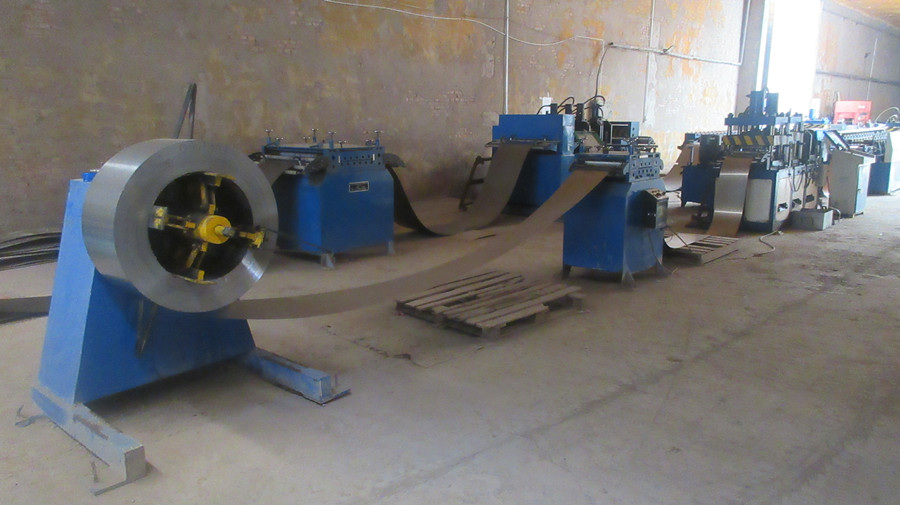
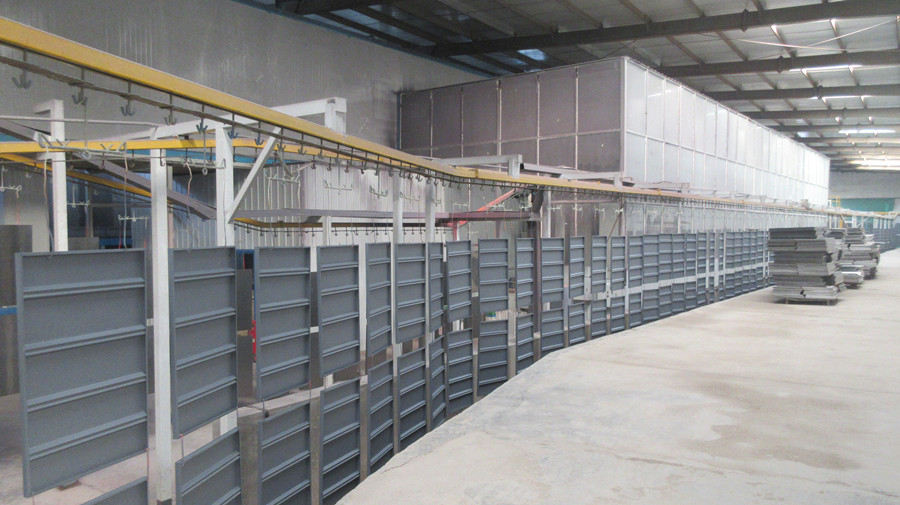
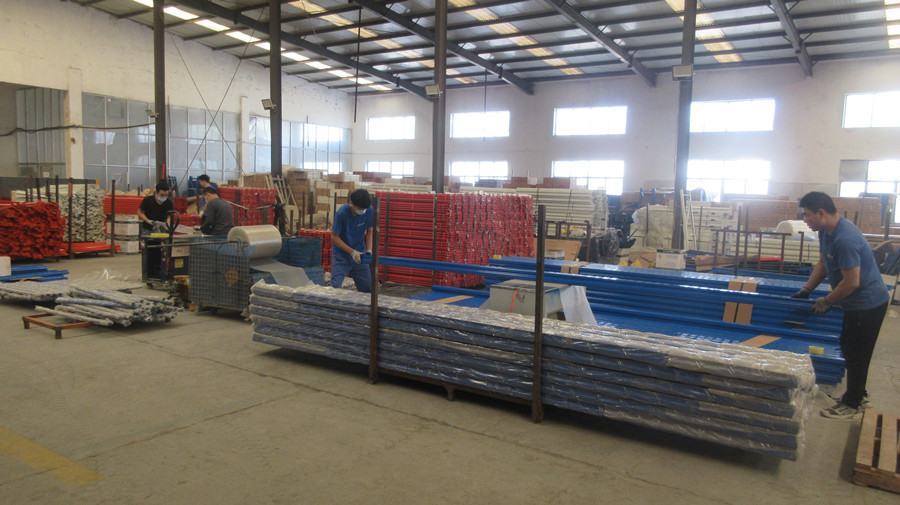
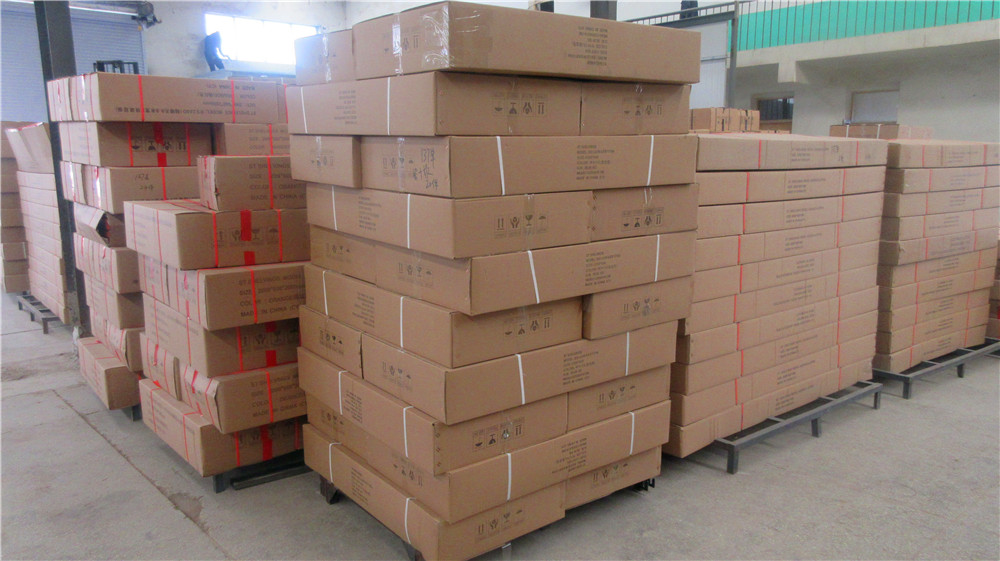
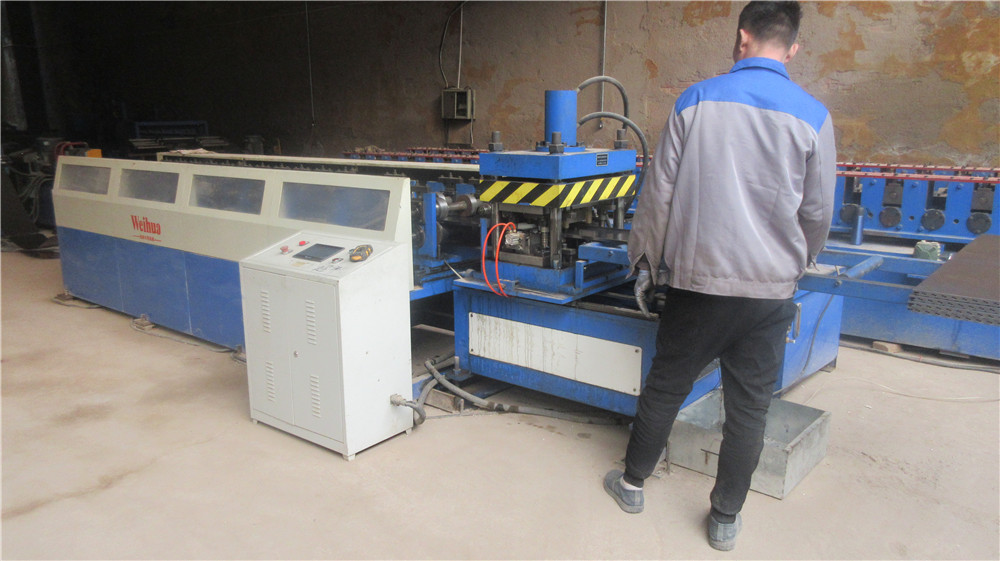
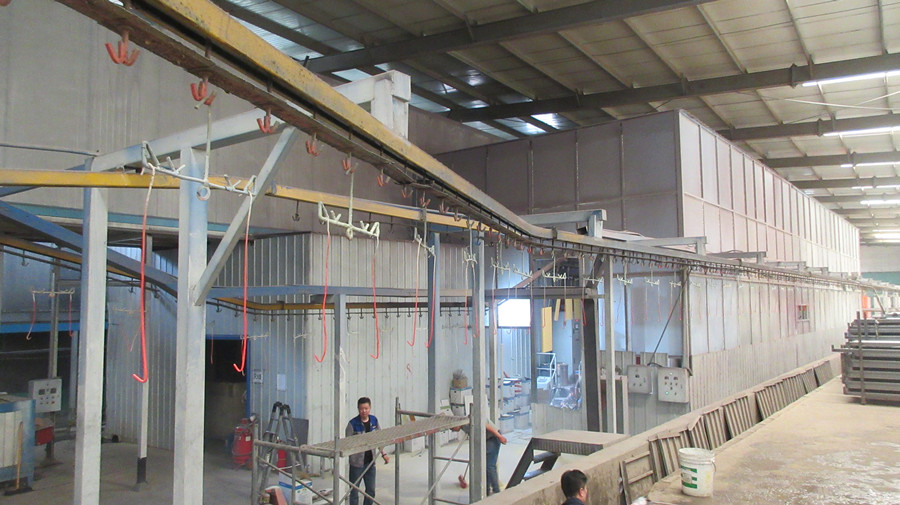
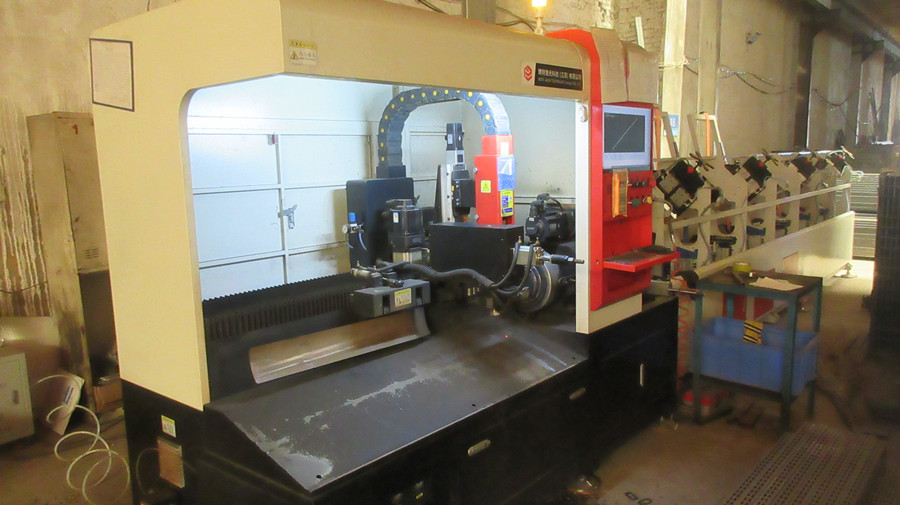
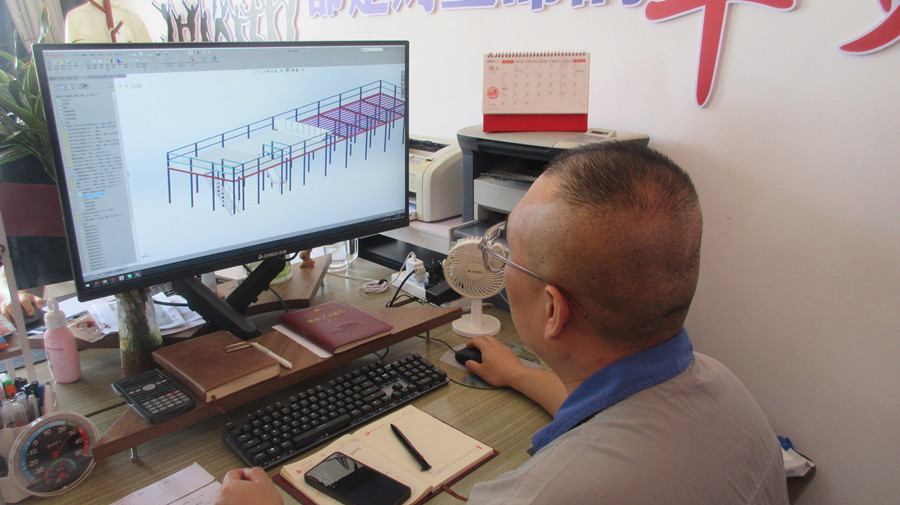
Shenzhen Chaoyu Goods Shelf Co., Ltd. sits at the intersection of material science and automated manufacturing. We leverage high-accuracy, cold-roll-forming profiles, advanced robotic welding, and automated surface treatment to deliver structural stability and cost efficiency to global markets.
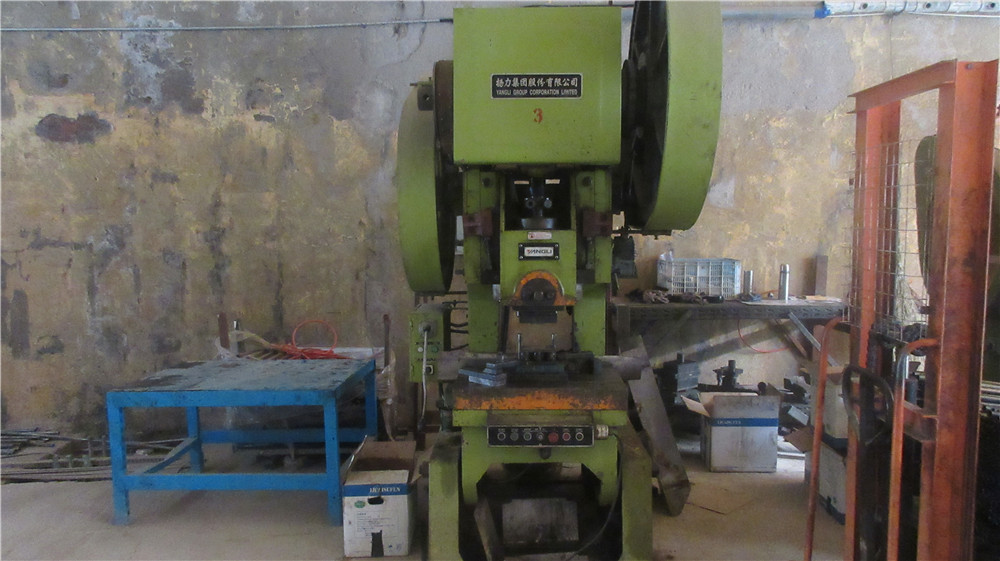
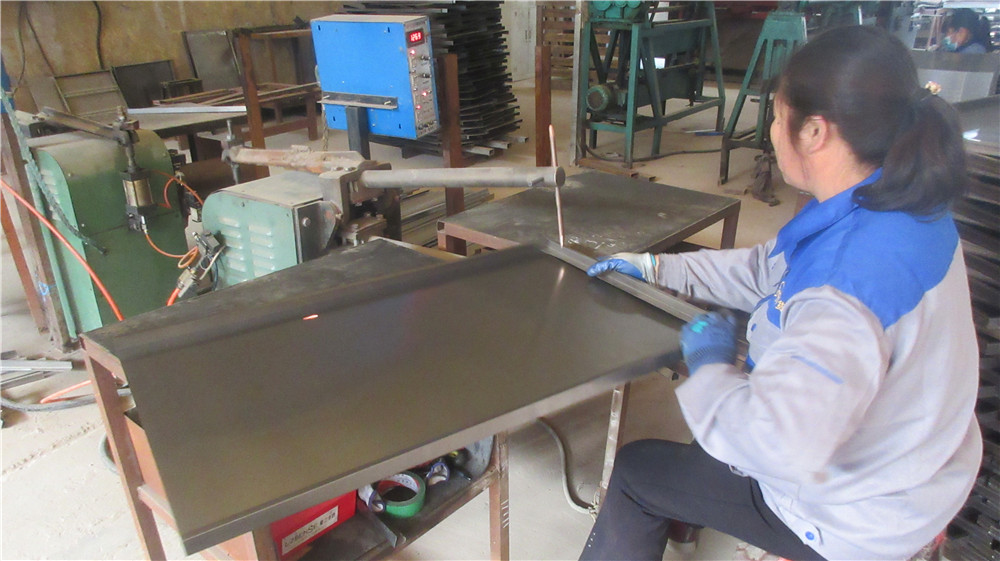
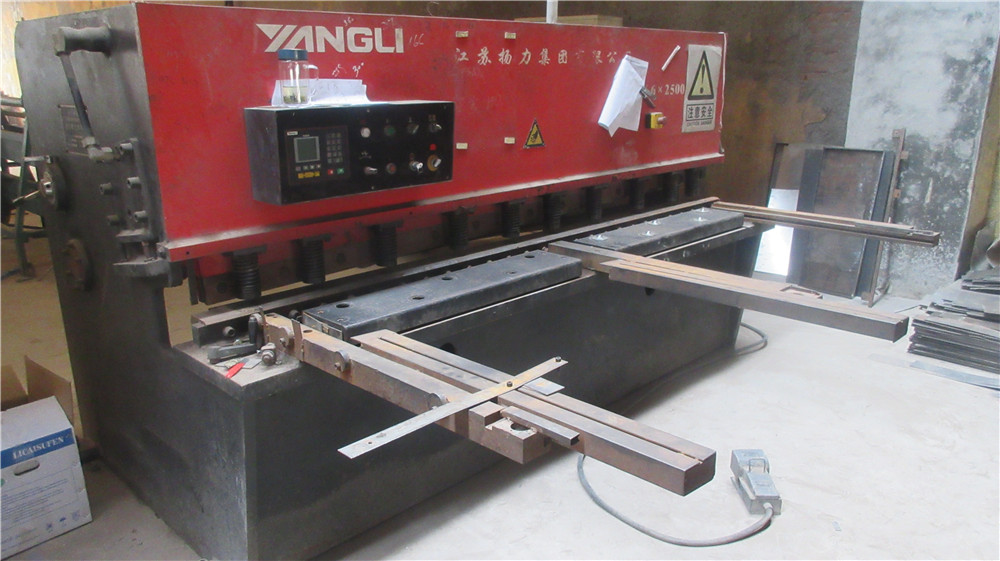
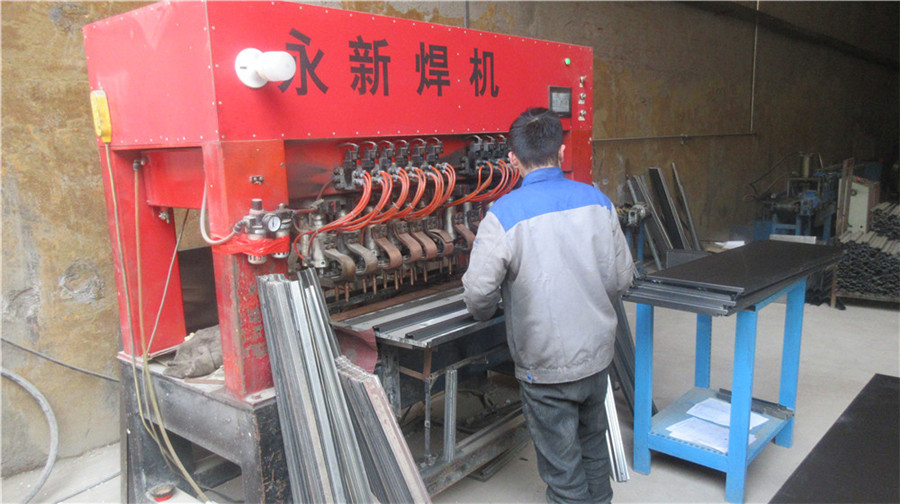
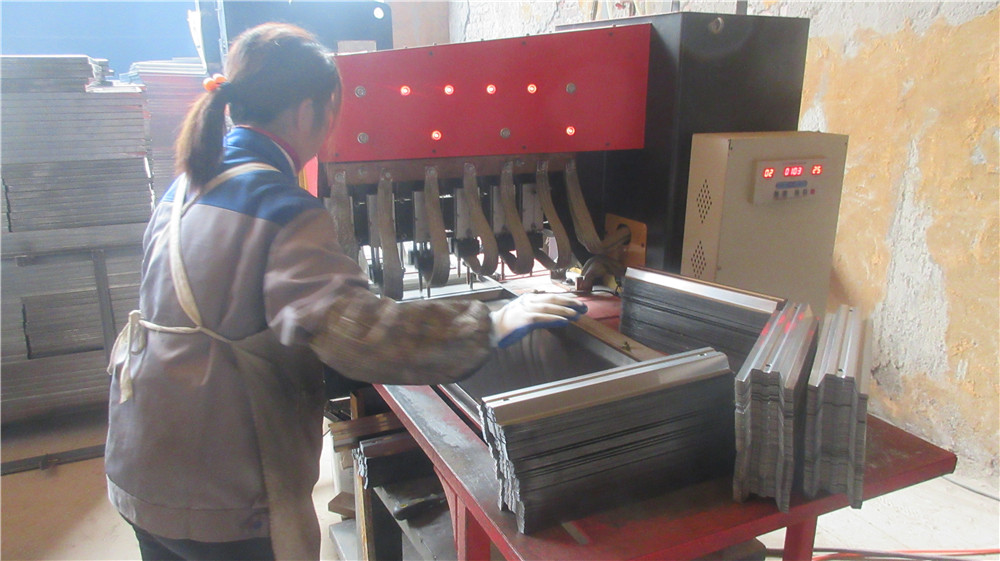
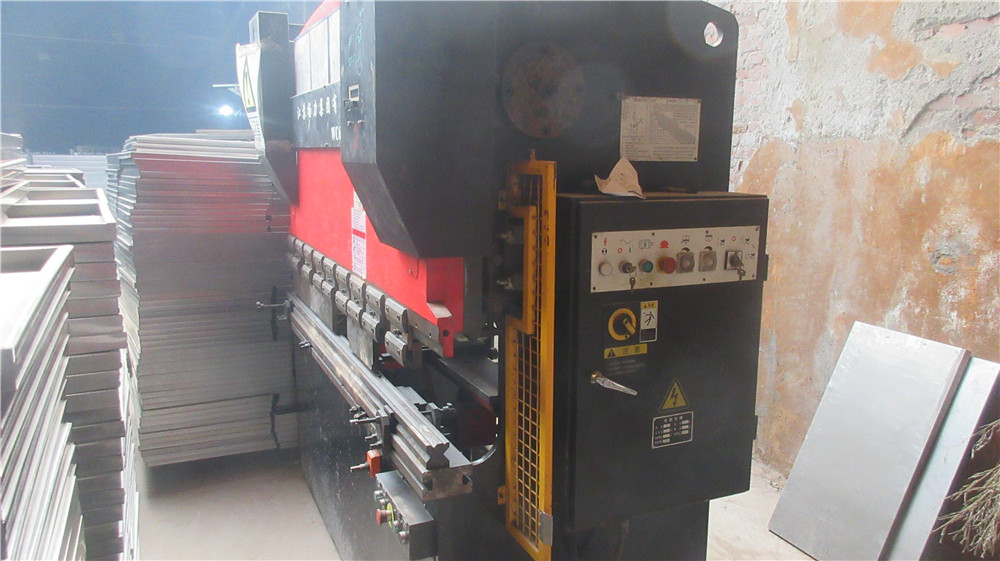
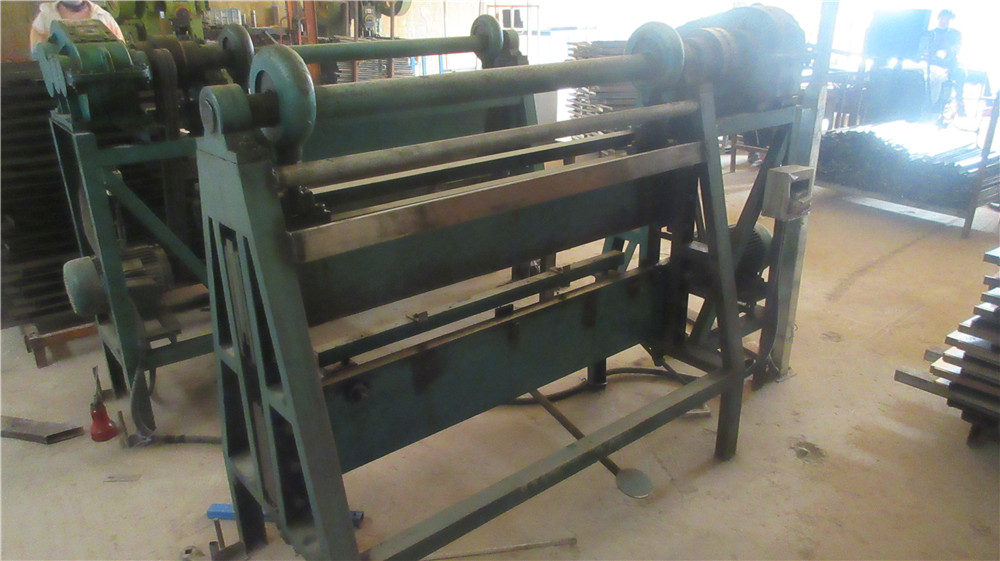
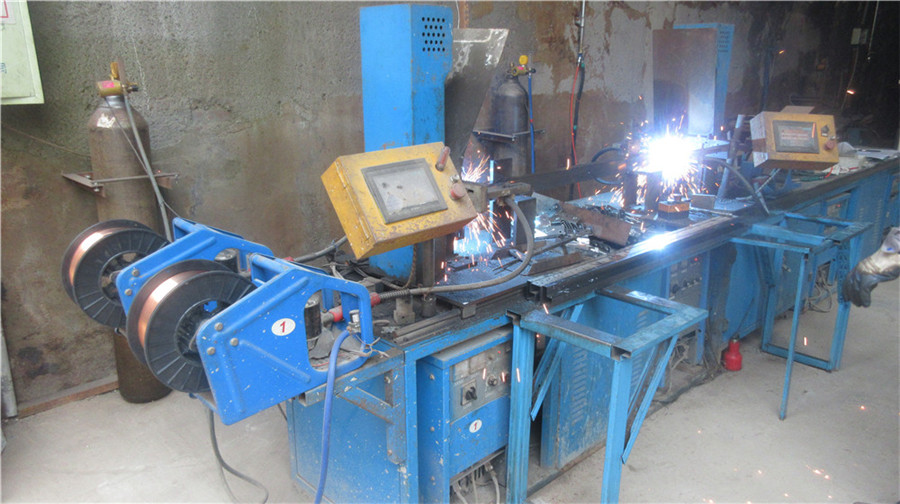
Choosing the right racking system requires a clear understanding of steel grade performance, column construction, and structural loading capacity under extreme stresses.
| Racking Type | Structural Profile Options | Typical Load Limits | Primary Surface Coatings | Optimal Storage Target |
|---|---|---|---|---|
| Heavy Duty Cantilever | Q235 / Q355 Hot-Rolled H-Beam / C-Channel | 1,000 kg - 5,000 kg per arm | Powder Coated / Hot-Dip Galvanized | Steel pipes, wood logs, rebar packs, engines |
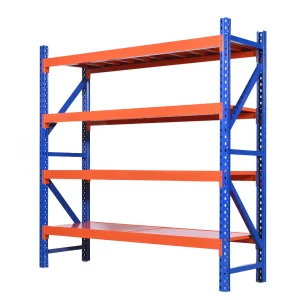
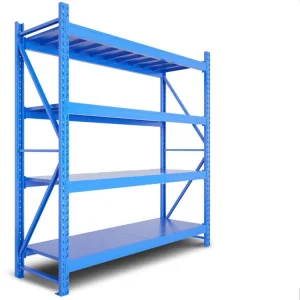
| Pallet Racking Systems | Roll-formed Uprights & Step Beams | 500 kg - 4,000 kg per level | Electrostatic Thermosetting Epoxy | Standard pallets, heavy-duty packaged crates |
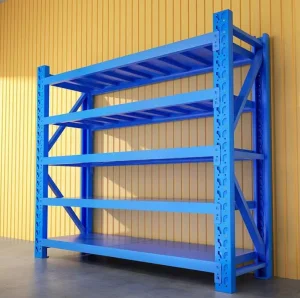
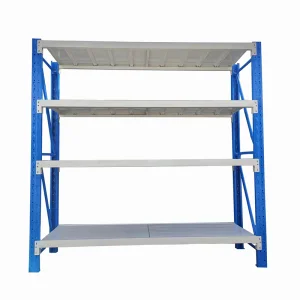
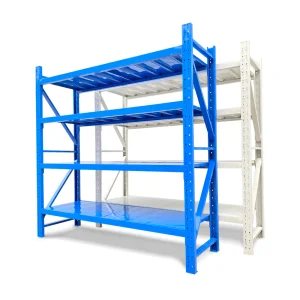
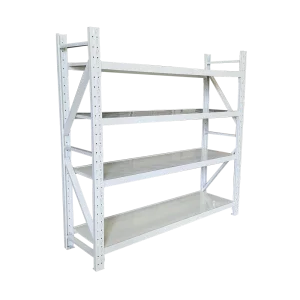
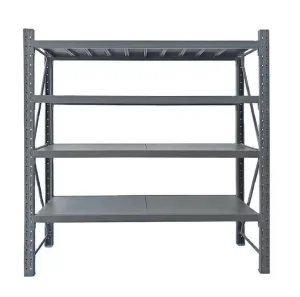
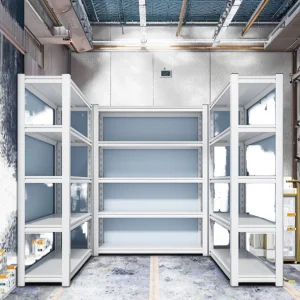
| Medium Duty Shelving | Cold-rolled steel upright frames | 200 kg - 800 kg per shelf | Anti-Corrosion powder-coating | Industrial spare parts, bulk storage bins, boxes |
| Stainless Steel Racks | AISI 304 / 316 Grade Stainless Steel | 100 kg - 400 kg per shelf | Brushed / Electro-polished finish | Cold storage, clean rooms, chemical labs |
For operations directors, procurement managers, and logistics consultants, purchasing industrial storage systems is a significant capital investment. A structural failure can cause severe issues, including facility downtime, damaged inventory, and workplace safety risks. Developing a clear quality assurance plan is essential to mitigate these concerns.
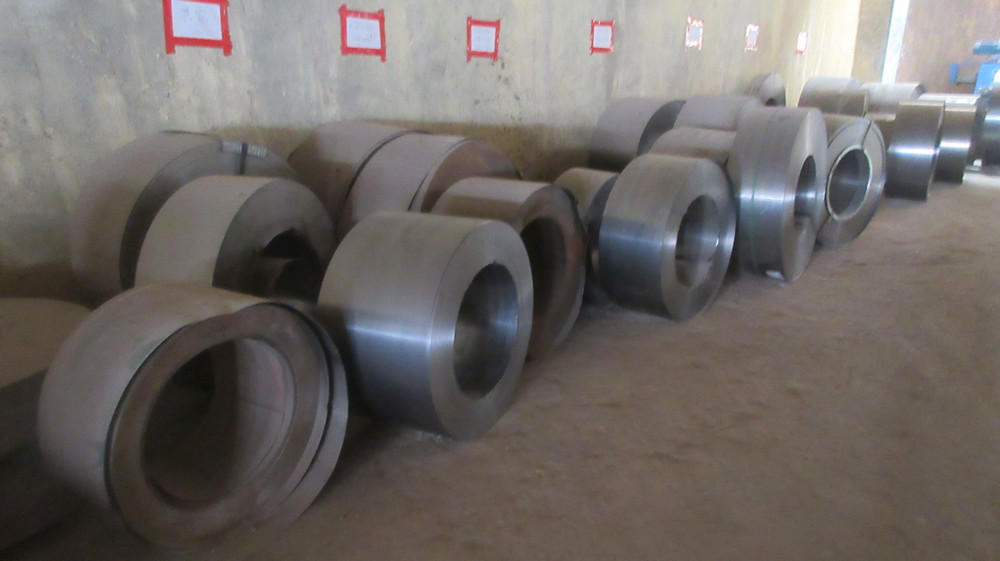
A common vulnerability in low-cost racking systems is structural inconsistency due to unverified steel grades. In our facility, we conduct spectrum analysis on incoming Q235 and Q355 structural steel to verify accurate levels of carbon, manganese, silicon, sulfur, and phosphorus. Carbon content controls structural strength, while manganese increases tensile load capacity. By maintaining precise oversight of these metrics, we prevent brittleness at low temperatures and structural deformation under high loads.
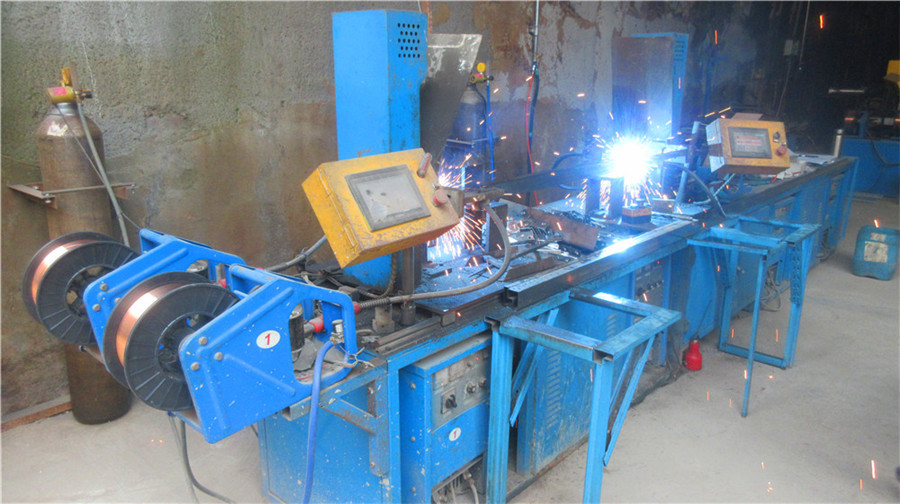
Under heavy loads, the welded joint between the horizontal arm connector and the vertical upright is a common point of mechanical stress. Manual welding can result in issues like root porosity, lack of fusion, or undercut defects. Our automated gantry and platoon welding machines use continuous inert gas shielding to produce clean, high-penetration welds. Additionally, our 35 QC specialists conduct non-destructive testing (NDT), including ultrasonic inspections, to ensure weld stability across all structural joints.
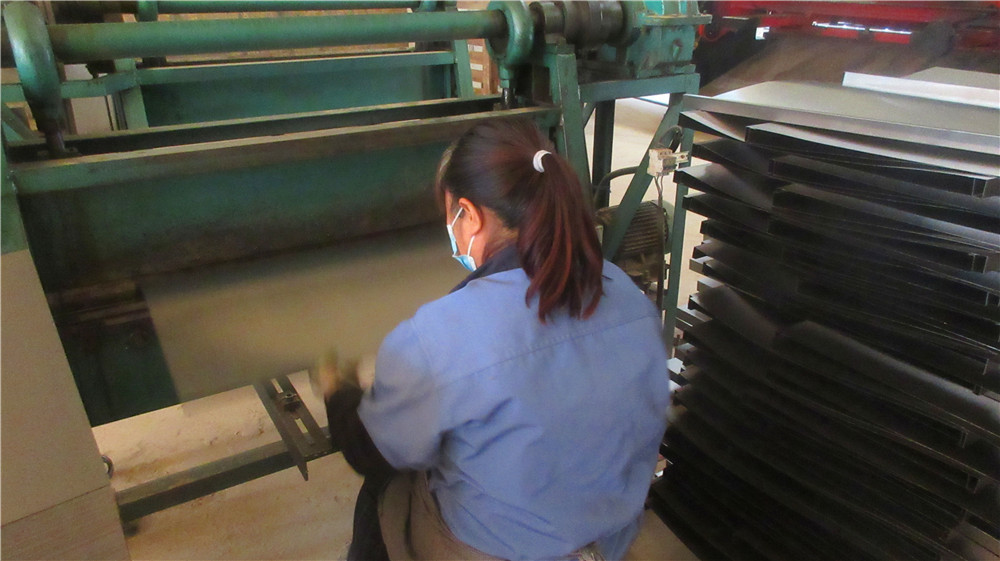
In humid coastal regions, standard industrial coatings can peel and flake, exposing bare steel to rapid oxidation. Our powder coating lines use a multi-stage chemical pretreatment phase (phosphating) to clean and prepare raw metal surfaces. We apply electrostatic epoxy-polyester coatings, followed by controlled oven curing to secure cross-link polymer adhesion. We verify this performance using cross-cut tape testing and 500-hour salt spray chambers to ensure durability in harsh conditions.
Providing technical answers to common questions raised by procurement managers, logistics engineers, and warehouse operations teams.
 Chaoyu Storage