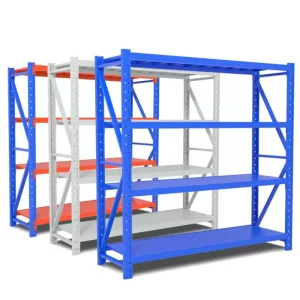
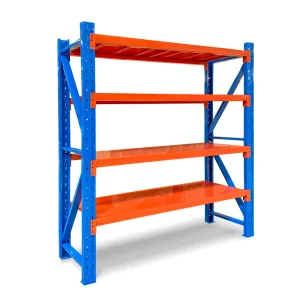
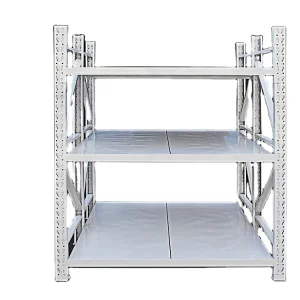
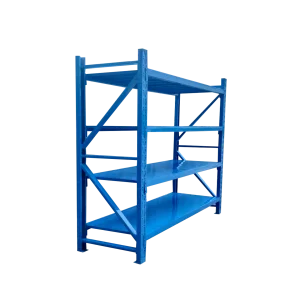
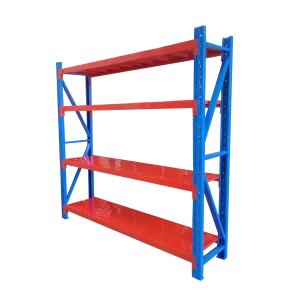
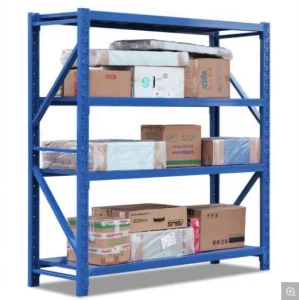
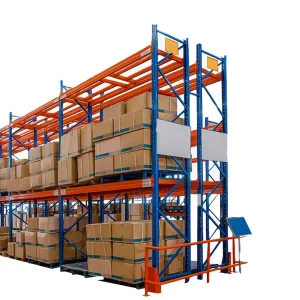
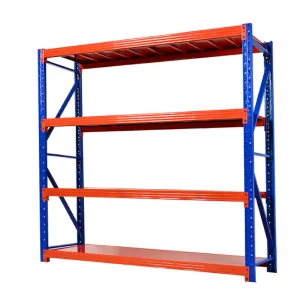
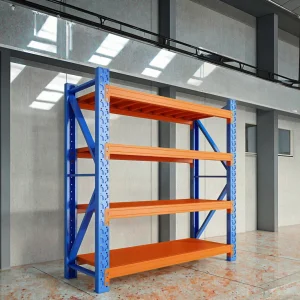
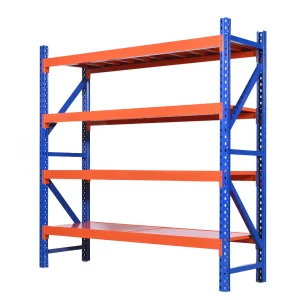
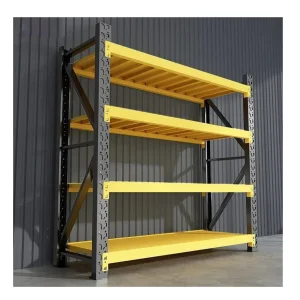
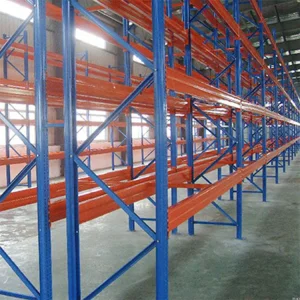
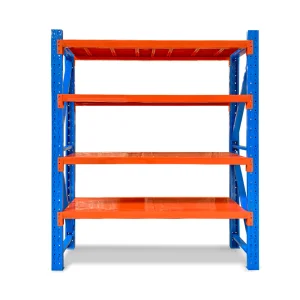
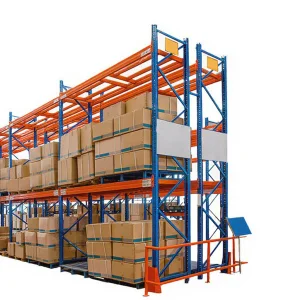
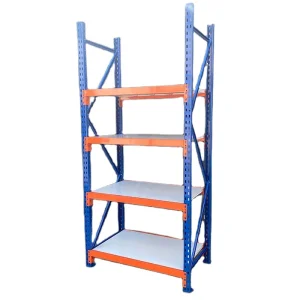
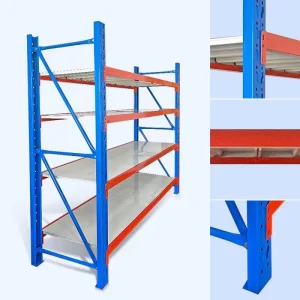
Premium load-bearing configurations engineered to maximize vertical footprint efficiency in high-throughput North American facilities.
The industrial real estate landscape in the United States is undergoing a monumental shift. Driven by supply chain nearshoring, the consolidation of third-party logistics (3PL) networks, and the unrelenting expansion of e-commerce distribution centers, facility layout optimization has transitioned from a utility to a strategic leverage point. Rising costs per square foot in critical logistics corridors—such as the Inland Empire in California, Dallas-Fort Worth, and the Lehigh Valley—have made high-density racking and vertical spatial configuration mandatory.
For modern US facilities, structural integrity, quick scalability, and compliance with building and safety codes are non-negotiable. Industrial rack buyers require configurations that minimize downtime, guarantee load-bearing reliability, and easily integrate with automated guided vehicles (AGVs) and warehouse management software. Chaoyu Storage delivers on these demands, translating advanced manufacturing processes into highly durable structural setups that optimize storage densities by up to 65%.
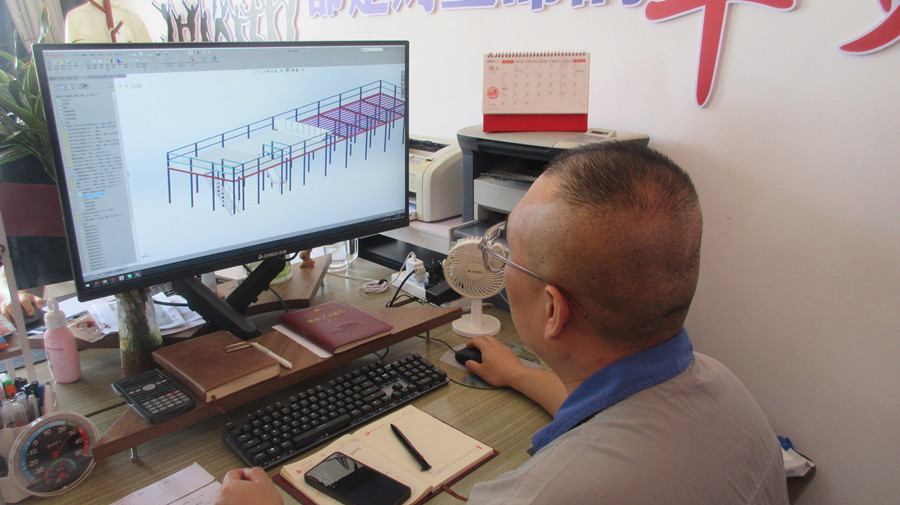
Understanding safety guidelines: How we map production processes to satisfy local safety requirements.
Our design protocols align closely with the Specification for the Design, Testing and Utilization of Industrial Steel Storage Racks. We focus on elastic buckling behaviors and column/beam deflection limits.
From IBC Category A to F, our engineering team constructs structural designs with customized footplate configurations, heavy-duty anchors, and reinforced frames tailored to U.S. seismic activity zones.
We fabricate systems using structural carbon steels with certified yield stress profiles (comparable to ASTM A1011 grade steels) to prevent under-load deflection and assure material traceability.
| Steel Grade Spec | Yield Strength (Min) | Tensile Strength (Min) | Common Applications (US Standards equivalent) |
|---|---|---|---|
| Q235B (ASTM A36 Equiv.) | 235 MPa (34,000 PSI) | 370–500 MPa | Light-to-medium wire mesh decks, selective beam configurations, spacer brackets |
| Q355B (ASTM A572 Gr50 Equiv.) | 355 MPa (50,000 PSI) | 470–630 MPa | Heavy-duty upright frames, structural columns, high-capacity beams for cold-storage |
| SUS304 / Stainless Steel | 205 MPa (30,000 PSI) | 515 MPa | Corrosive chemical environments, FDA-regulated cleanrooms, pharmaceutical hubs |
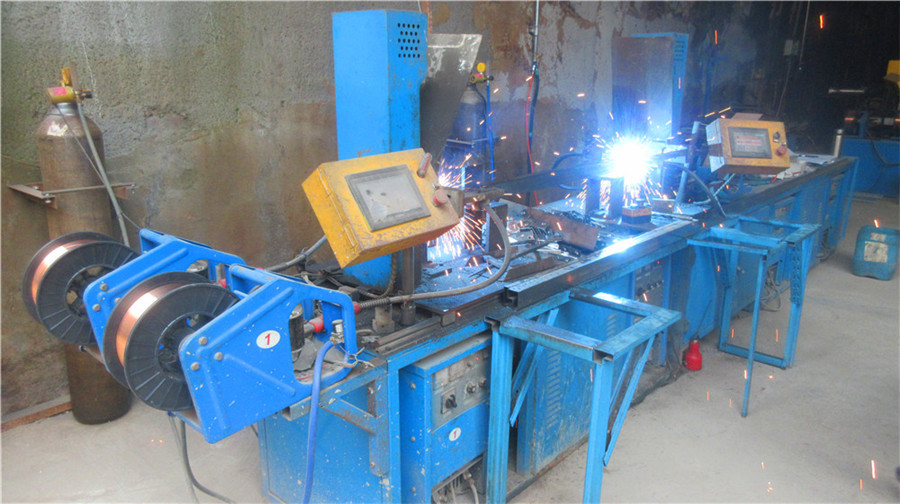
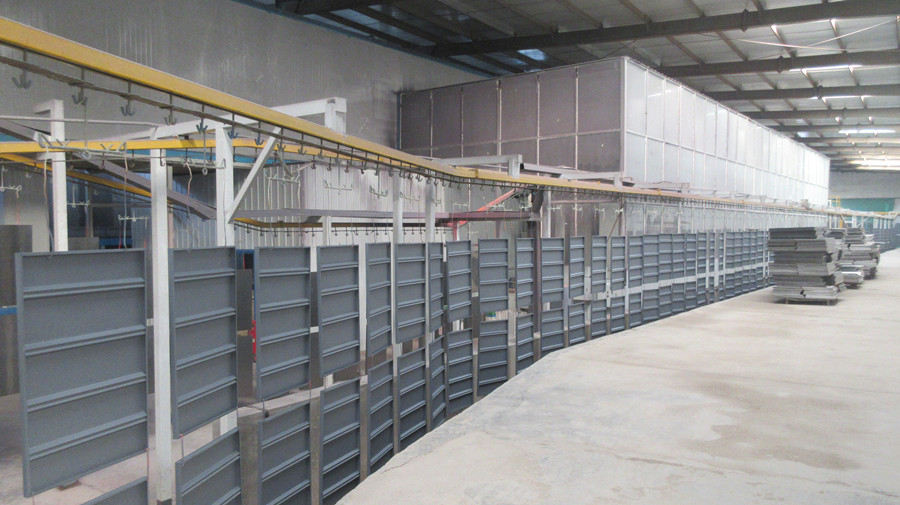
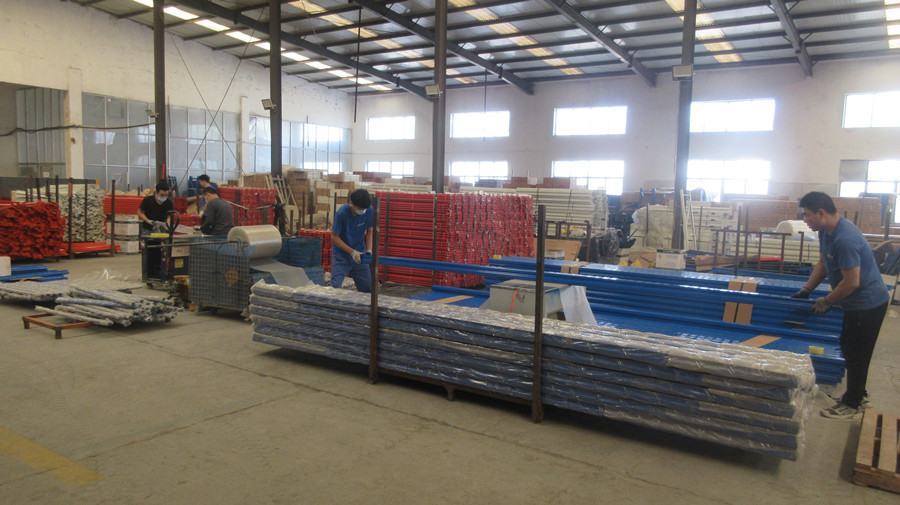
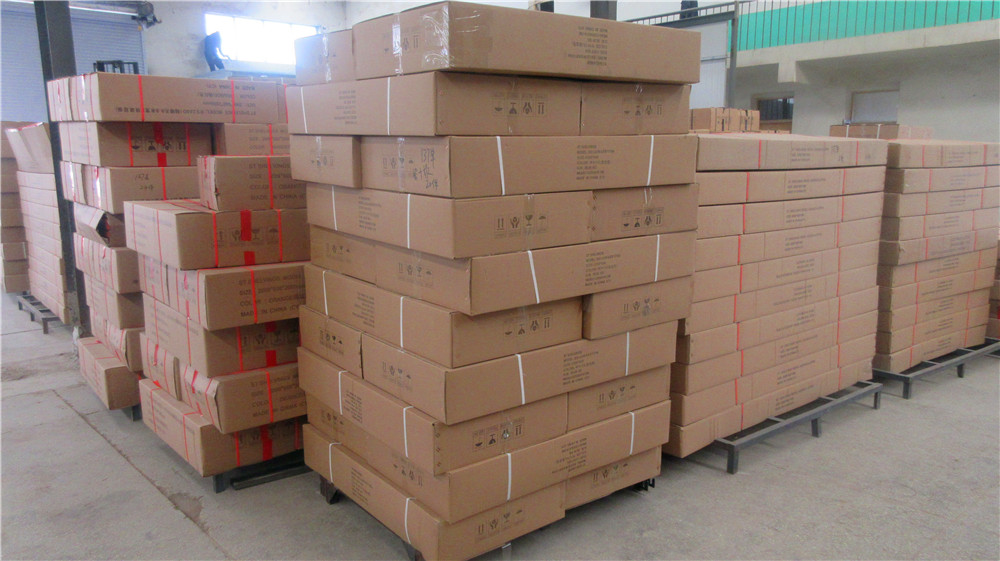
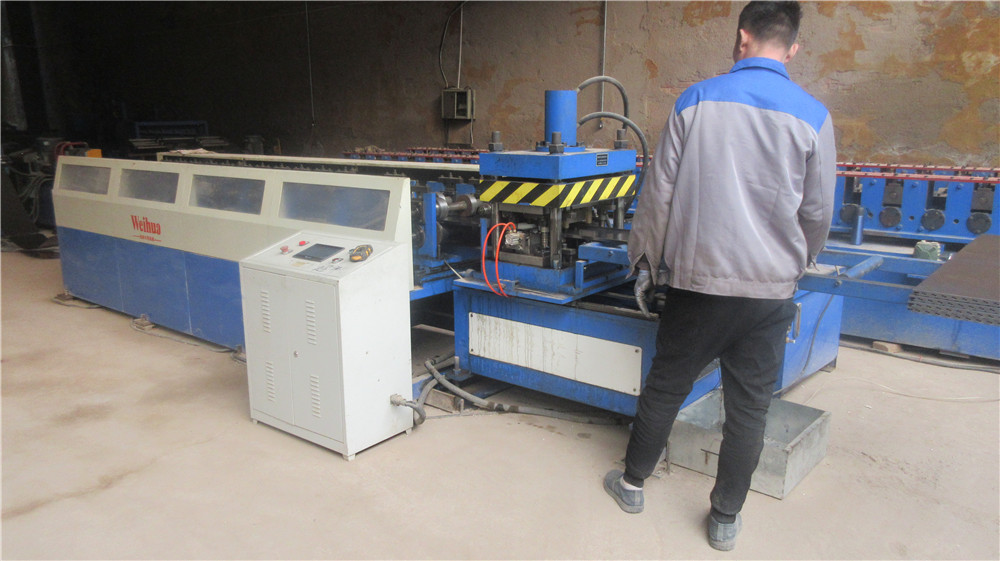
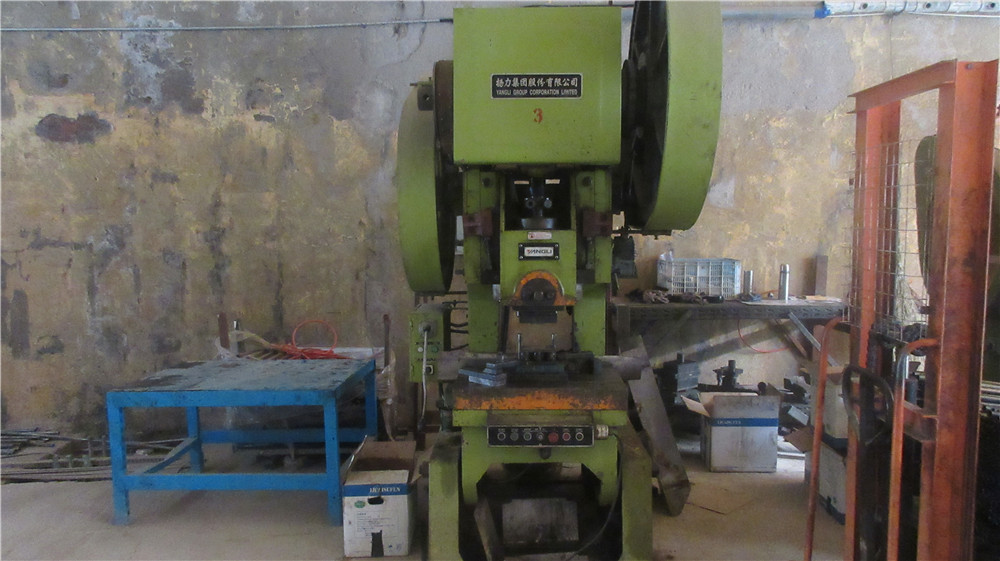
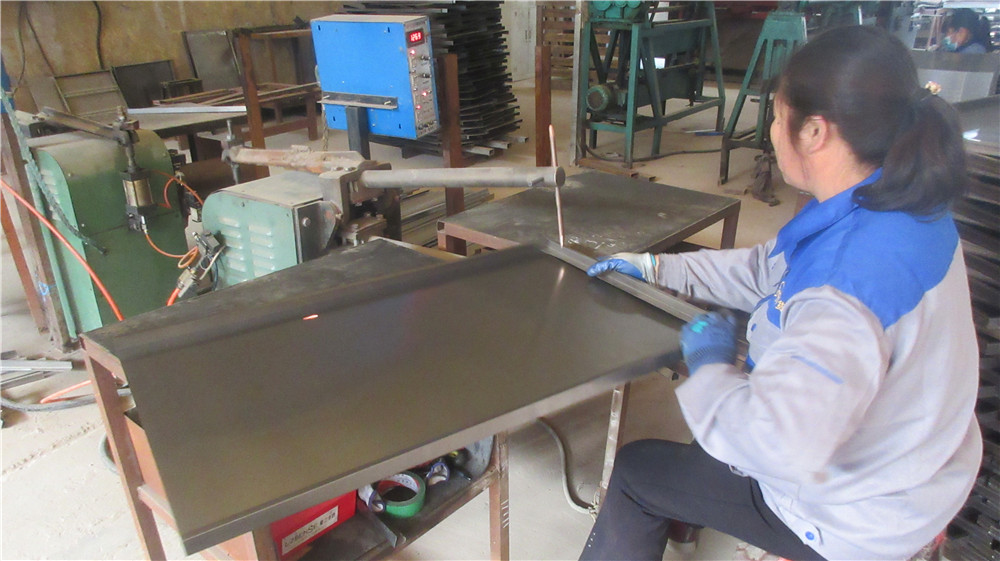
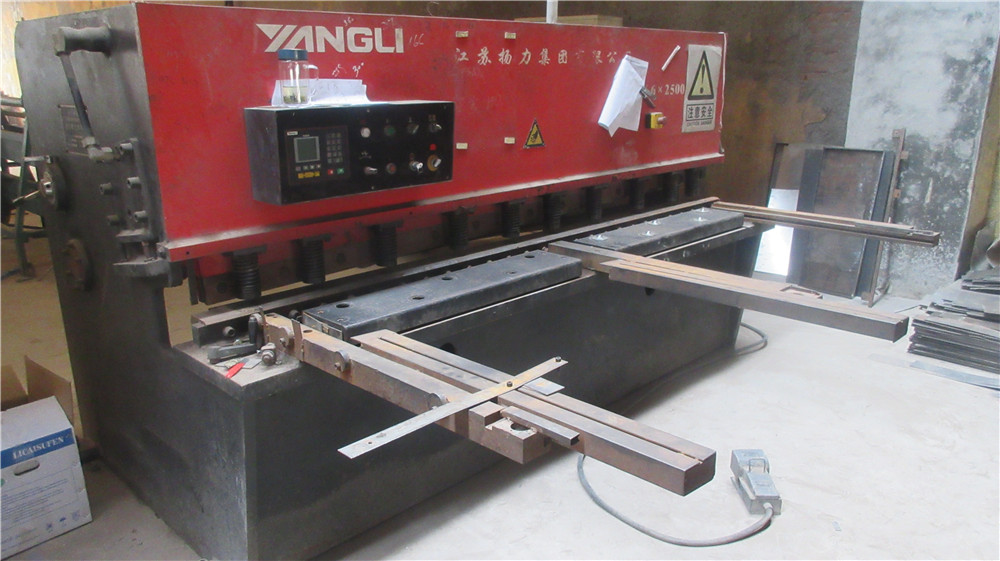
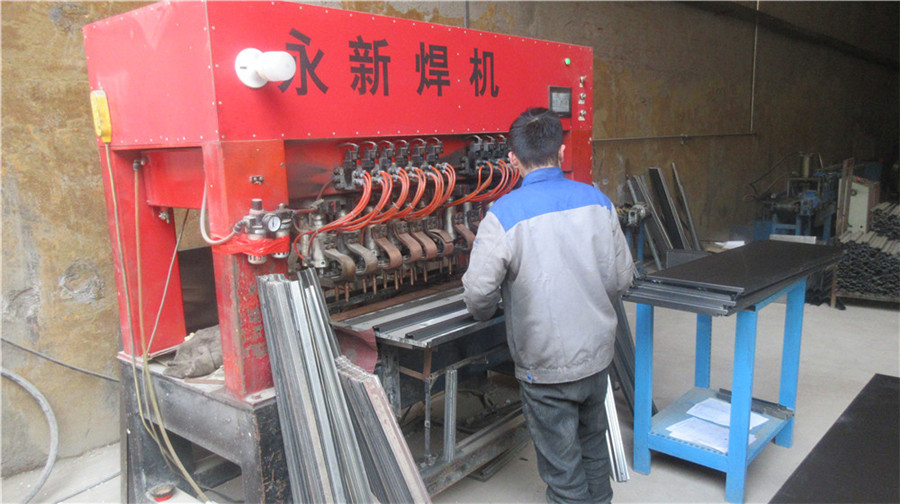
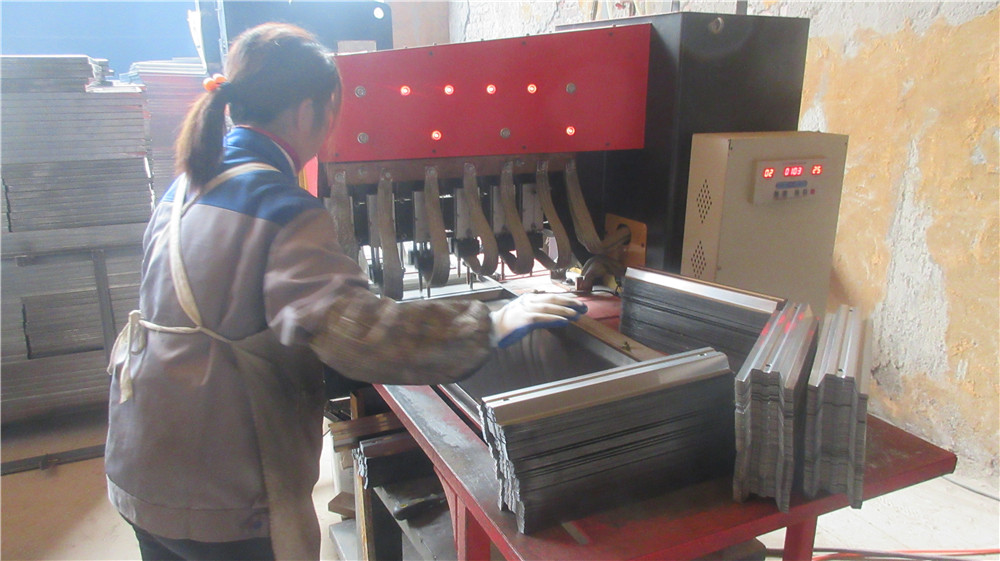
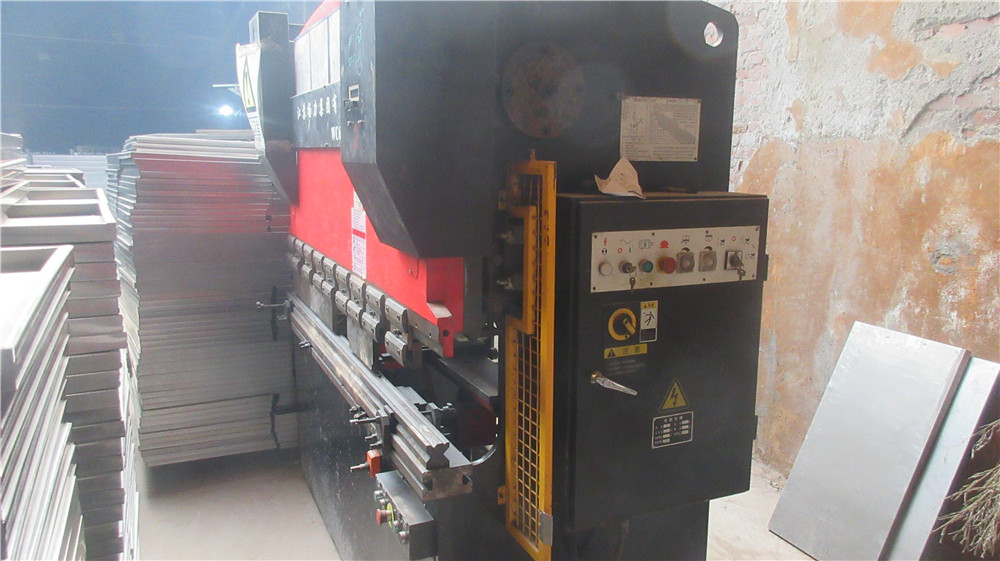
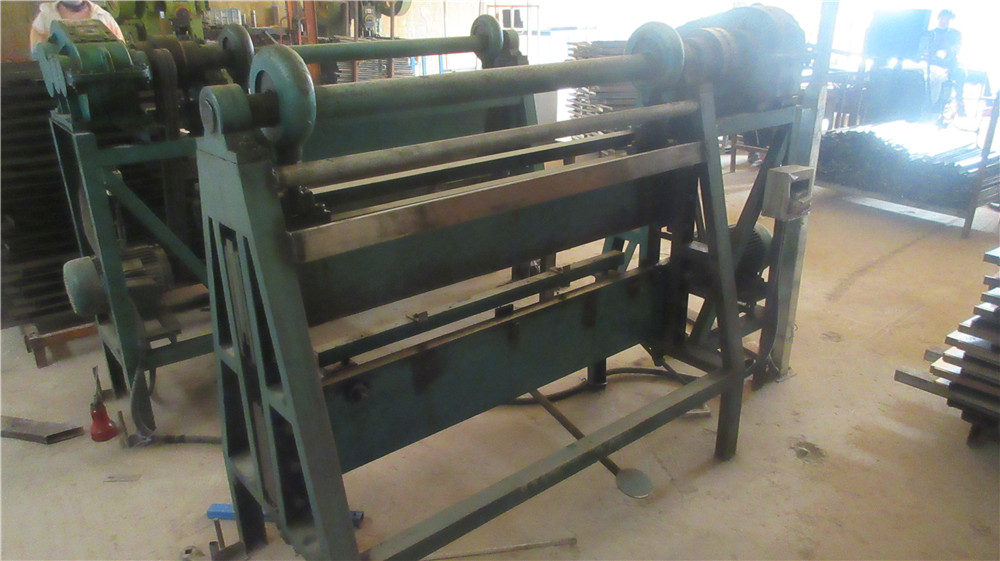
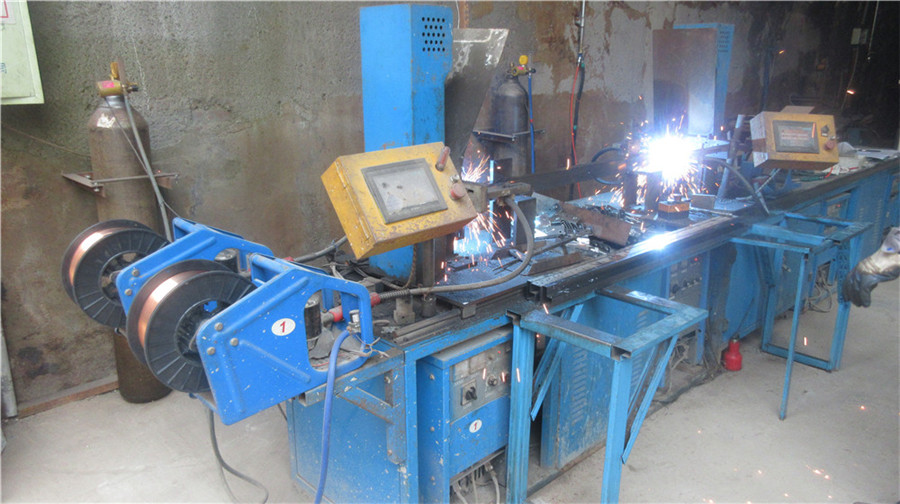
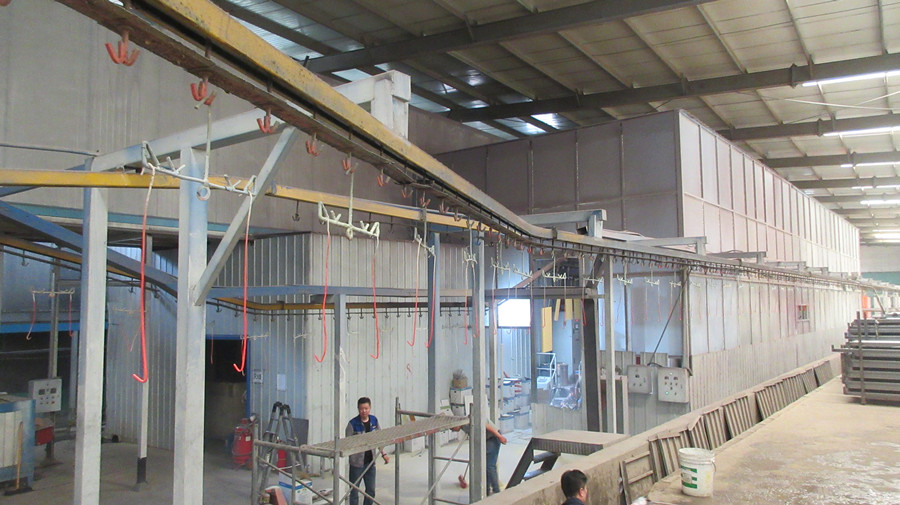
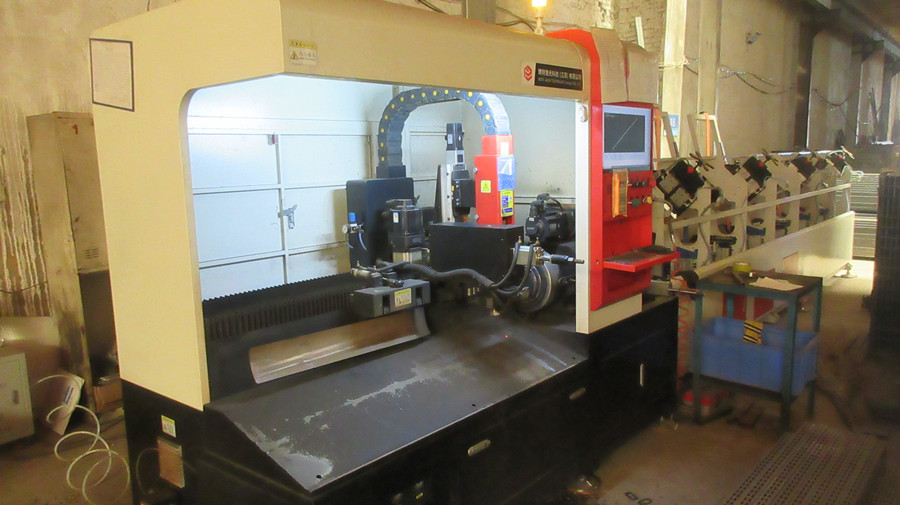
We manage structural performance starting with raw steel material handling. Here is a step-by-step review of our integrated manufacturing cycle.
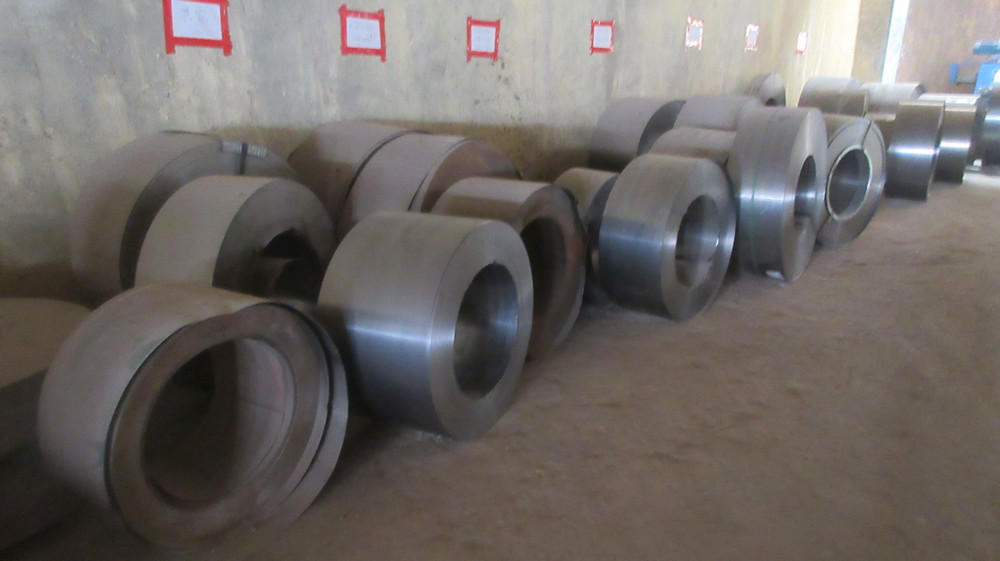
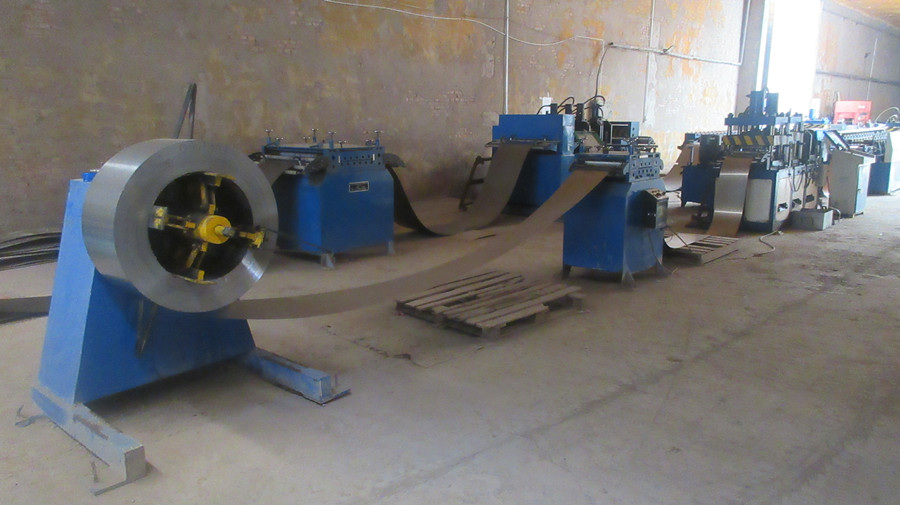
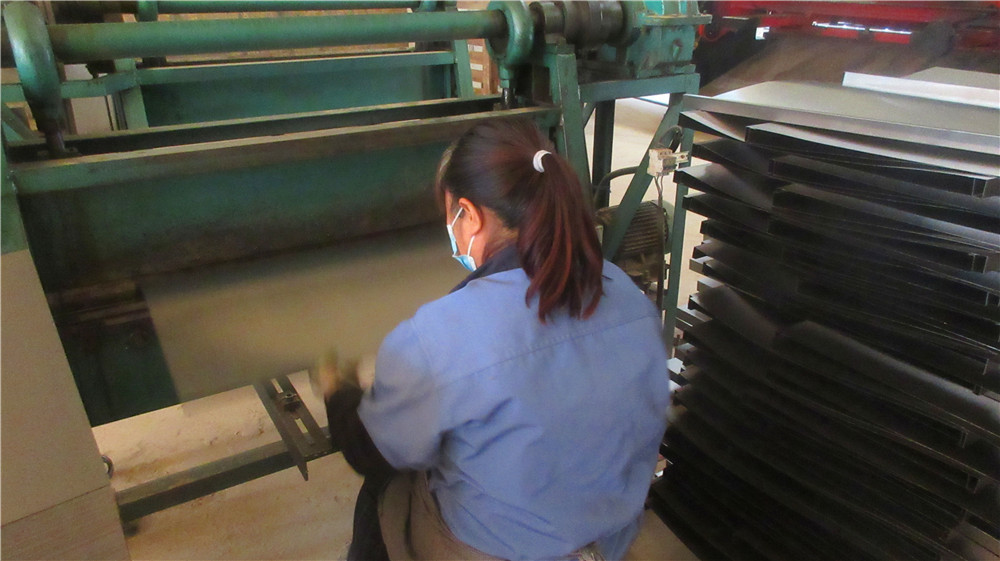
How direct-to-factory partnerships combine structural quality with competitive capital expenditures.
Through scale economies in Shenzhen, our raw material sourcing protocols reduce structural steel unit costs, allowing clients to manage overall project budgets effectively.
Supported by an 18-engineer R&D department, we translate dynamic seismic demands and spatial footprints into functional structures using CAD layouts and FEA simulations.
35 dedicated QA technicians oversee every production phase, conducting weld-fracture checks and ultrasonic load testing to ensure consistent load capacity metrics.
Explore our full line of industrial solutions, spanning boltless warehouse configurations to high-capacity pallet racks.
Get structural design answers regarding certifications, load capacities, shipping logistics, and compliance.
 Chaoyu Storage