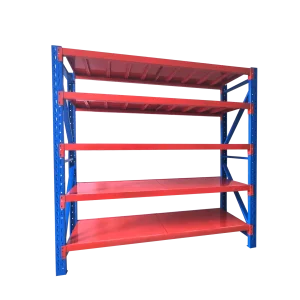
Highly durable, modular rack frames built to optimize warehouse capacity and simplify bulk industrial transport.
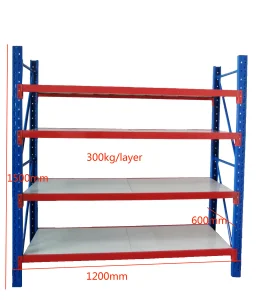
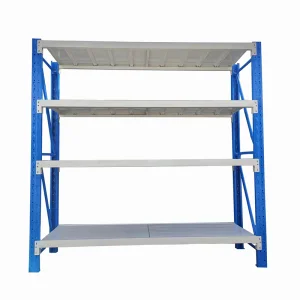
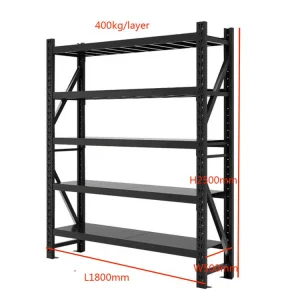
South Africa’s commercial logistics infrastructure is undergoing a period of profound restructuring. Driven by the expansion of cross-border trade throughout the Southern African Development Community (SADC), the modernization of primary port terminals such as the Port of Durban and Port of Cape Town, and the rapid growth of domestic e-commerce, warehousing facilities are under constant pressure to optimize volume density. However, local operators face unique micro and macro-environmental challenges that demand specialized storage architecture.
“Operational resilience in South African warehouses hinges on physical flexibility. In a market where supply chains are heavily impacted by rail logistics backlogs and electrical load-shedding, storage infrastructure must do more than hold weight; it must enable dynamic, rapid reconfiguration.”
Unlike European or North American facilities where automated storage and retrieval systems (ASRS) operate continuously, South African distribution centers must cope with scheduled grid interruptions. Continuous dependency on heavy automated systems can lead to systemic bottlenecks during power switches. Modular, heavy-duty stacking racks provide an excellent manual and semi-automated compromise. These racks allow quick forklift access, do not require continuous electrical power to navigate, and can be stacked up to five levels high, making maximum use of vertical space without costly automation overheads.
Congestion at key oceanic entry points means that importers, logistics operators, and manufacturers based in Gauteng (Johannesburg, Midrand) and the Eastern Cape (Port Elizabeth, East London) must hold larger inventories of safety stock to guard against delivery delays. Static racking systems lack the agility required to handle these sudden surges in volume. Stacking racks (also known as post pallets or nestainer systems) offer a crucial operational advantage: they can be nested away when empty to free up floor space for bulk raw cargo, and quickly built up into structured rows when safety stocks arrive.
As a global premier manufacturer, Shenzhen Chaoyu Goods Shelf Co., Ltd. operates with a profound understanding of structural safety requirements. In high-density stacking, structural failure is not an option. We build our stacking racks and heavy-duty industrial shelving to comply with strict international standards, ensuring safe deployment in any South African industrial facility.
| Parameter | Chaoyu Standard Specification | SA Relevance & Compliance |
|---|---|---|
| Raw Material | High-Strength Q235 Carbon Steel (Yield strength > 235 MPa) | Equivalent to S235JR under EN standards; provides optimal elasticity and load tolerance. |
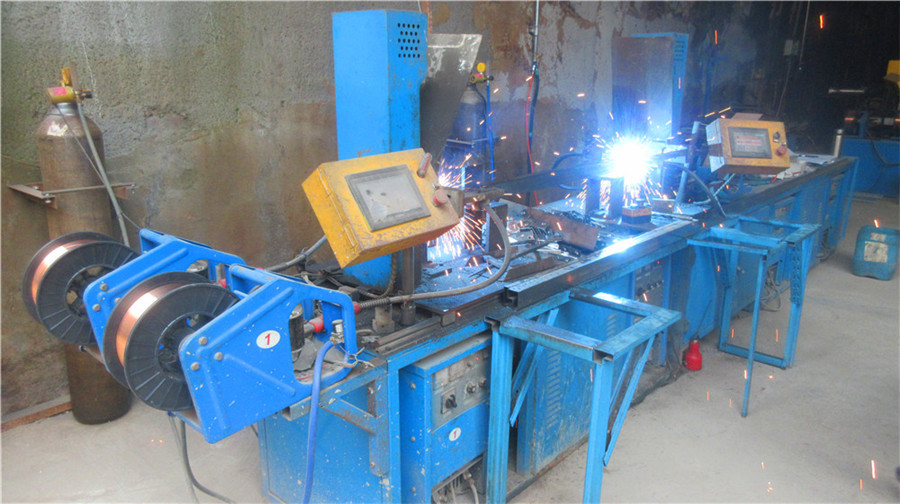
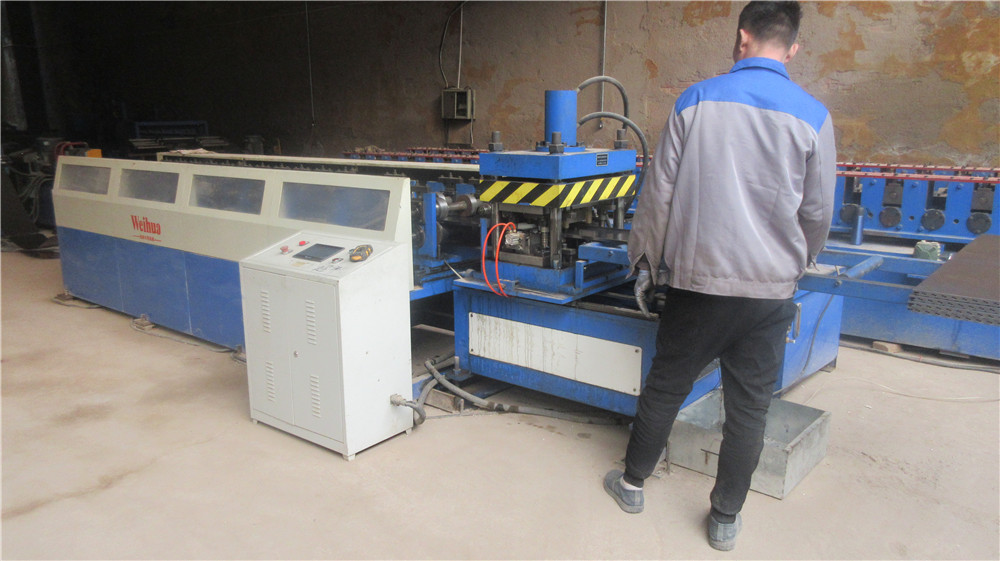
| Welding Quality | Robotic Co2 Gas Shielded Welding (Compliance with ISO 3834) | Guarantees complete penetration and prevents micro-cracks under dynamic shock loading. |
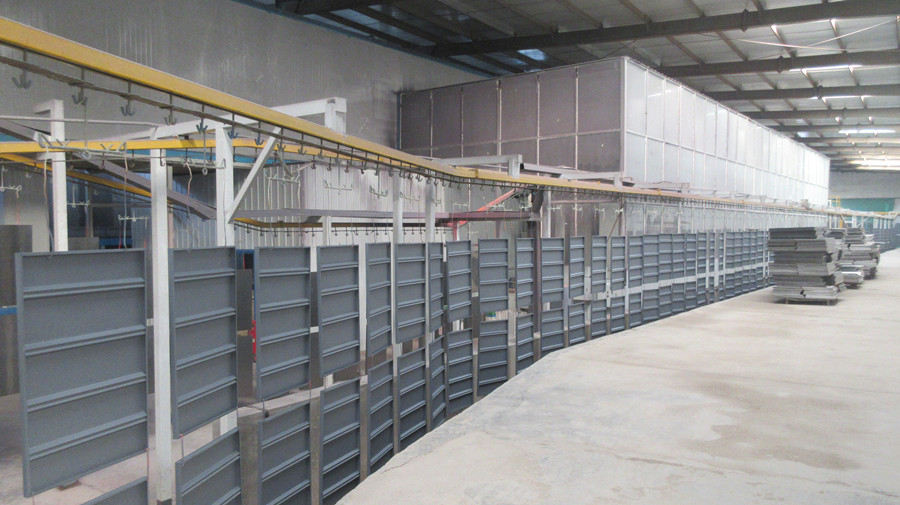
| Anti-Corrosion | Electrostatic Thermosetting Epoxy-Polyester Powder Coating (60-80μm) | Resists marine salt-spray damage in coastal ports like Durban and Cape Town. |
| Stacking Capacity | Dynamic load: 1000 - 1500 kg; Stackable up to 4-5 layers high | Meets structural integrity regulations for local high-stack warehouse permit approvals. |
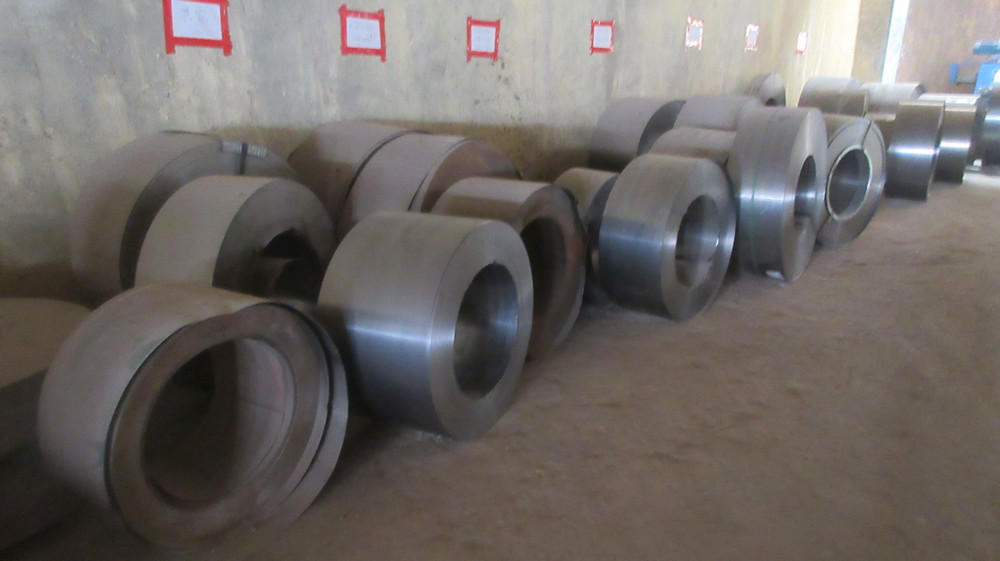
We source only high-grade certified Q235 and Q355 structural steel. Before entering production, our raw steel undergoes structural spectrum analysis to confirm its chemical composition and yield performance. This meticulous quality verification guarantees that the steel retains its tensile properties even when deployed in walk-in cold rooms and sub-zero storage chambers down to -25°C—essential for South Africa's intensive agricultural and fruit export sectors in the Western Cape.
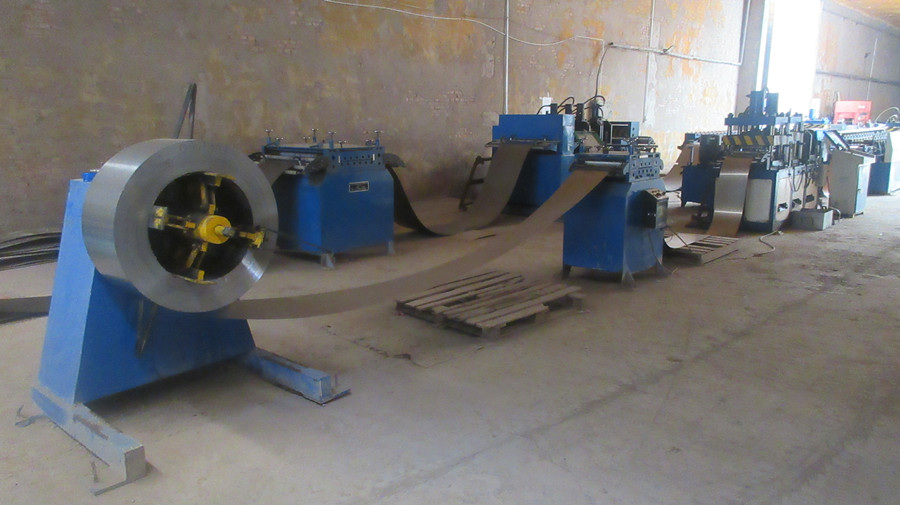
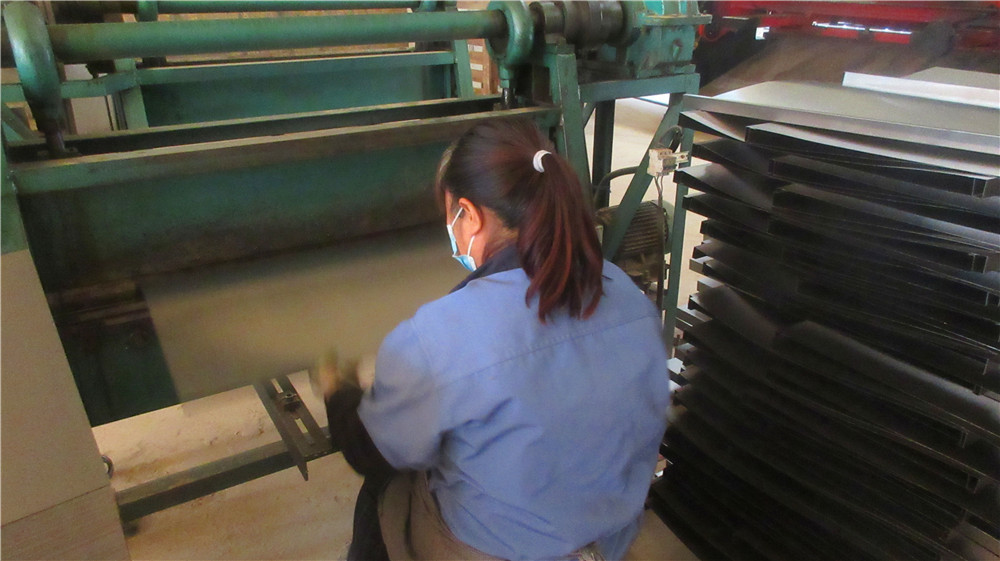
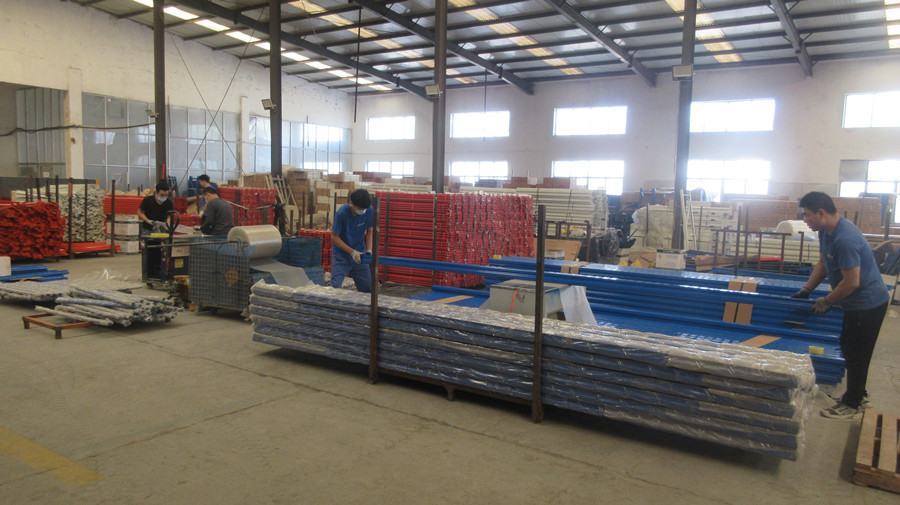
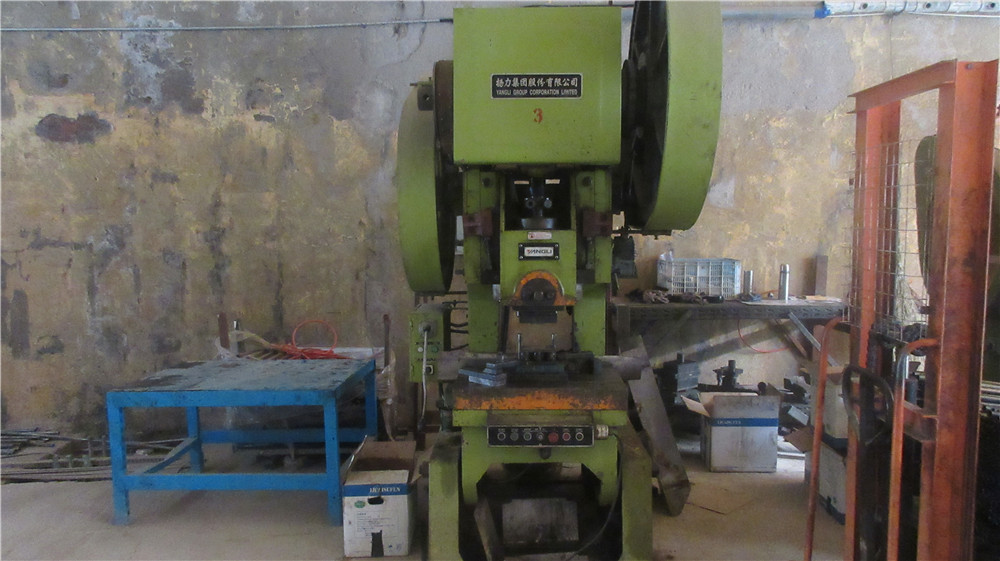
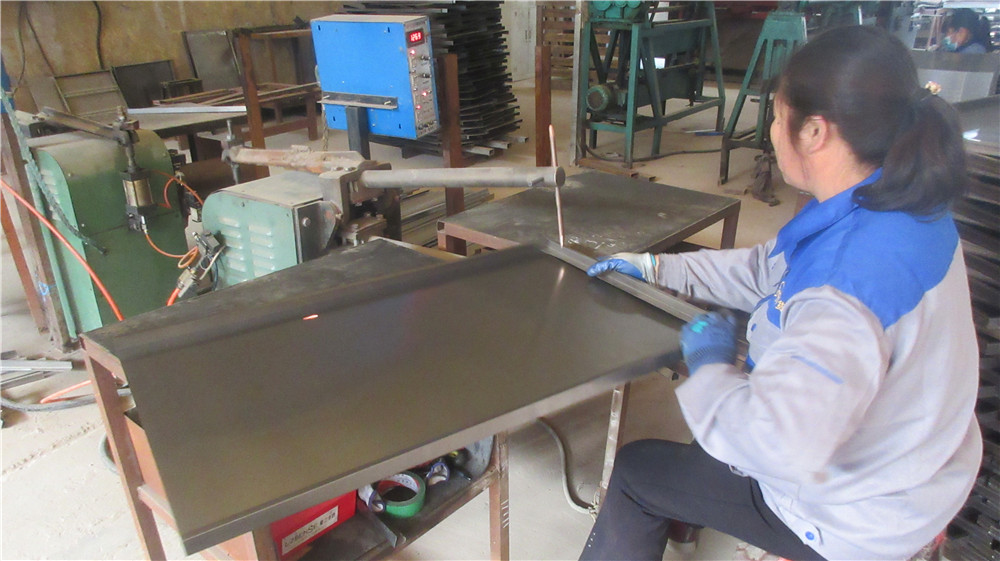
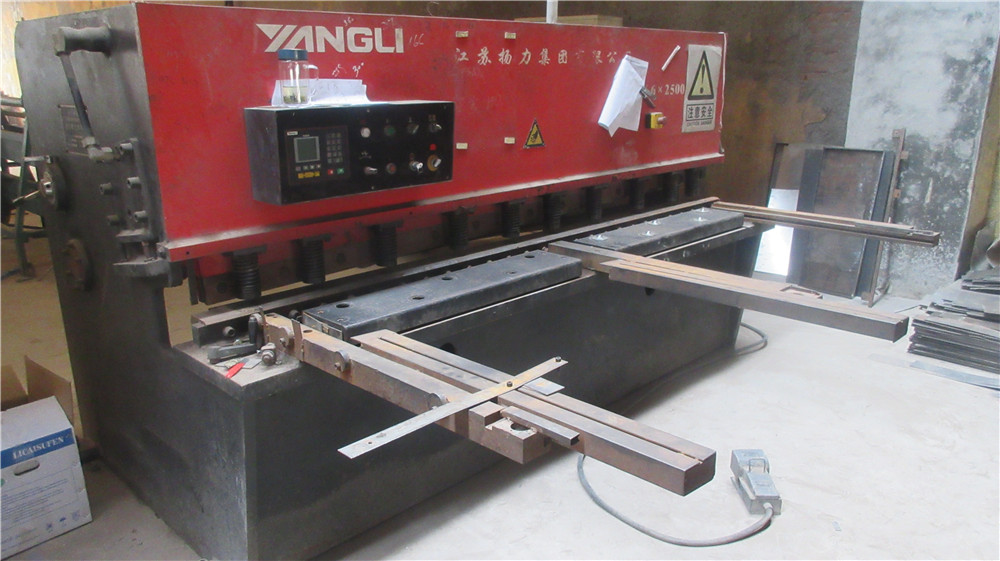
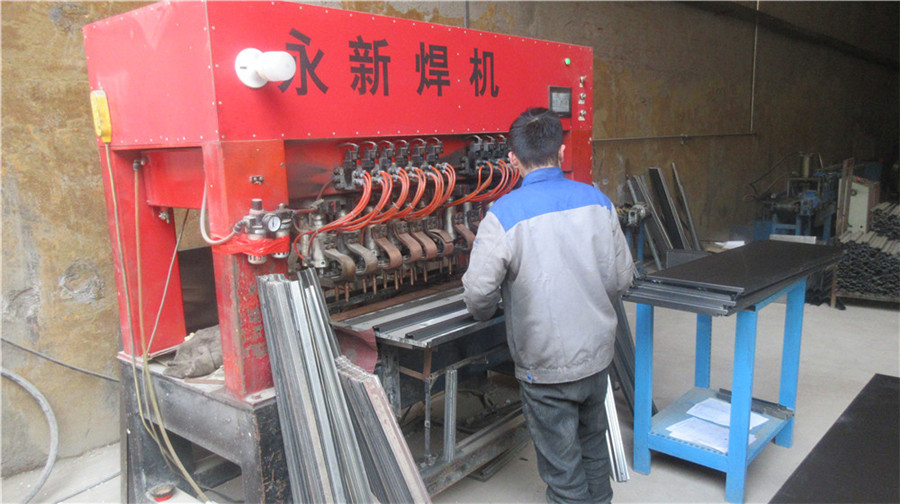
Under our strict Quality Assurance management, every step of our state-of-the-art production workflow is fully monitored to ensure durability and reliability.
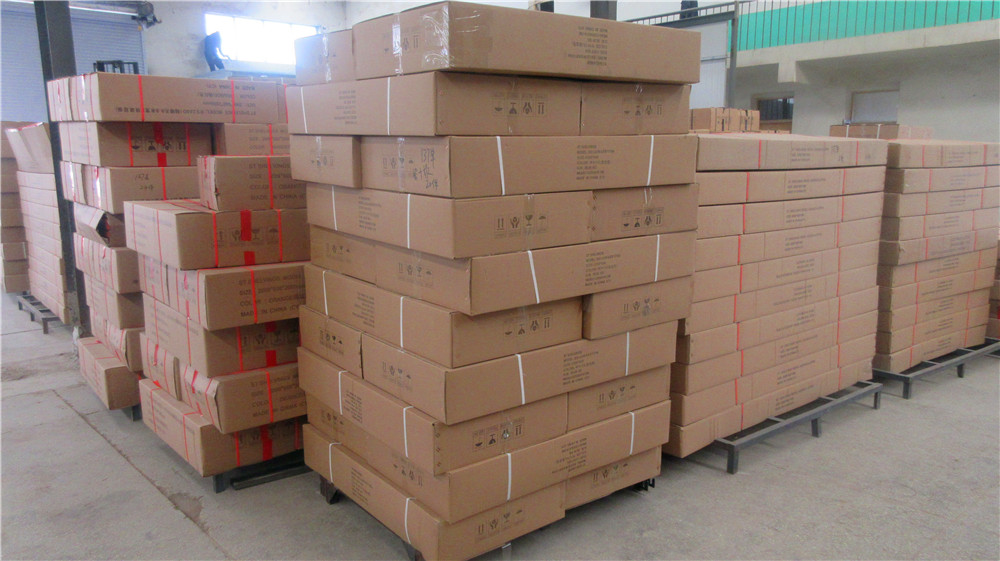
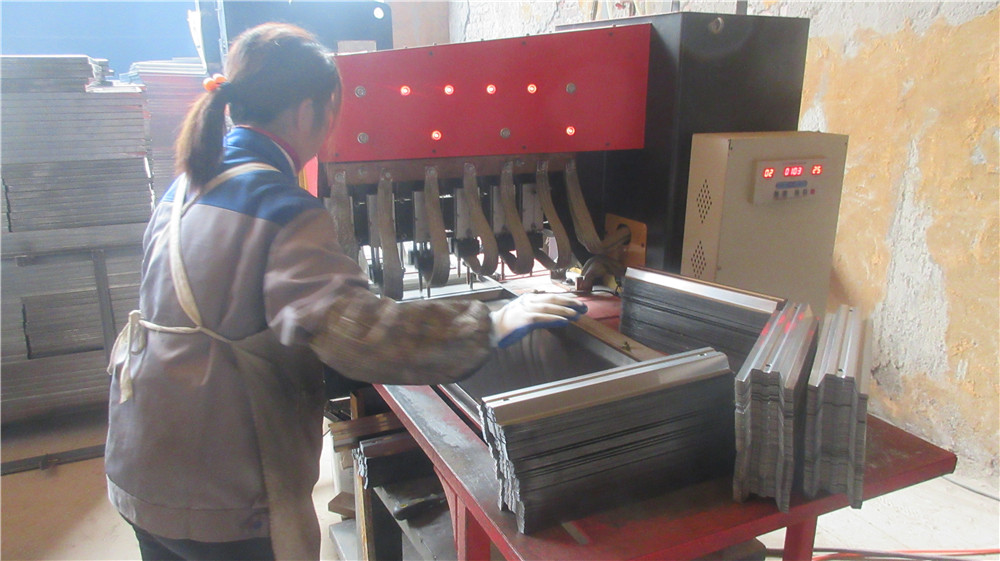
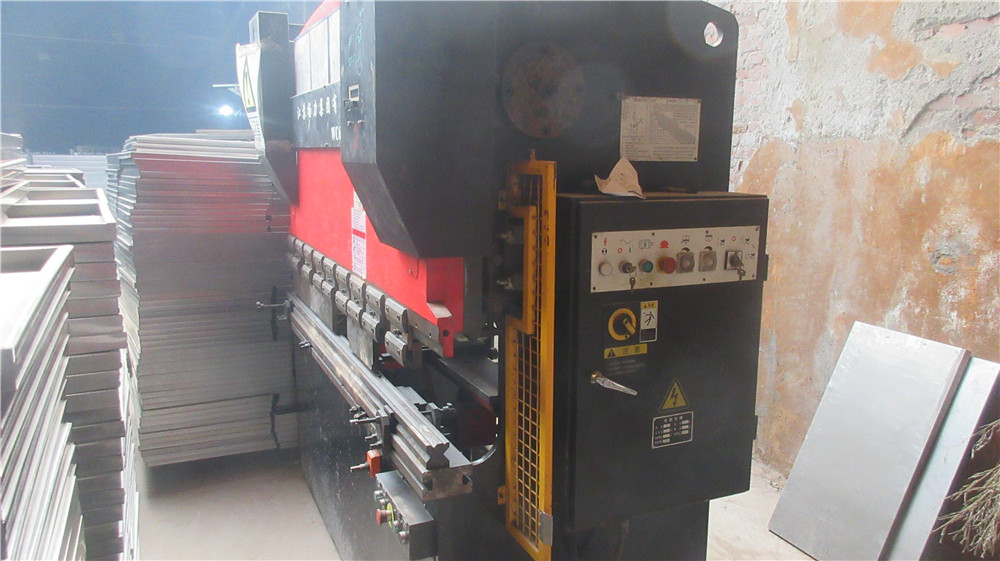
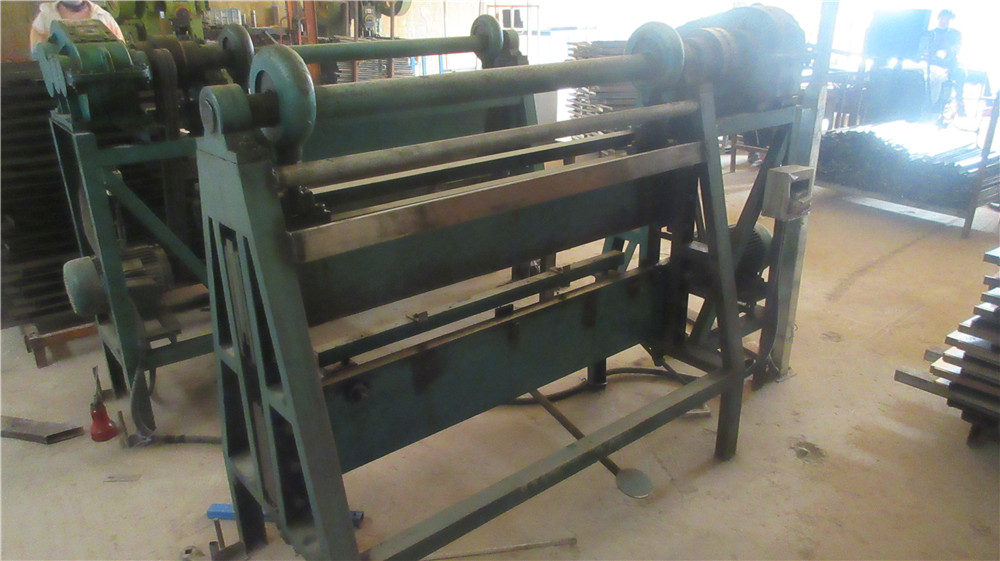
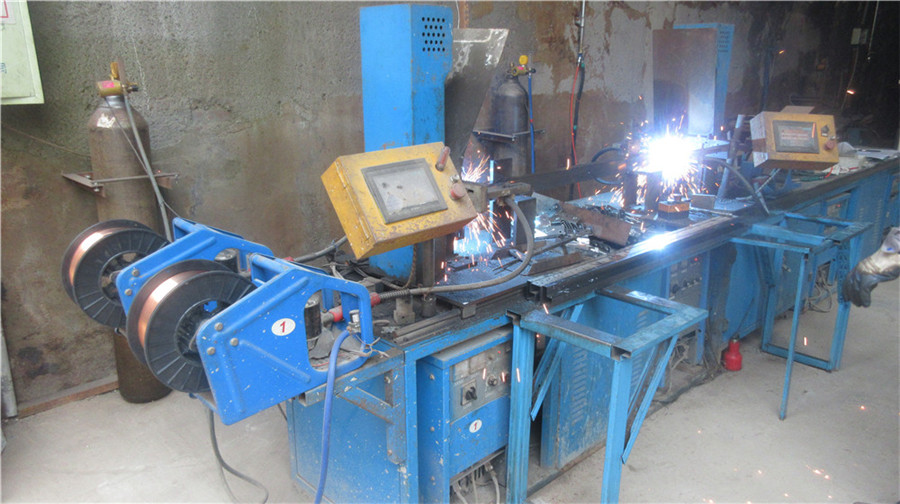
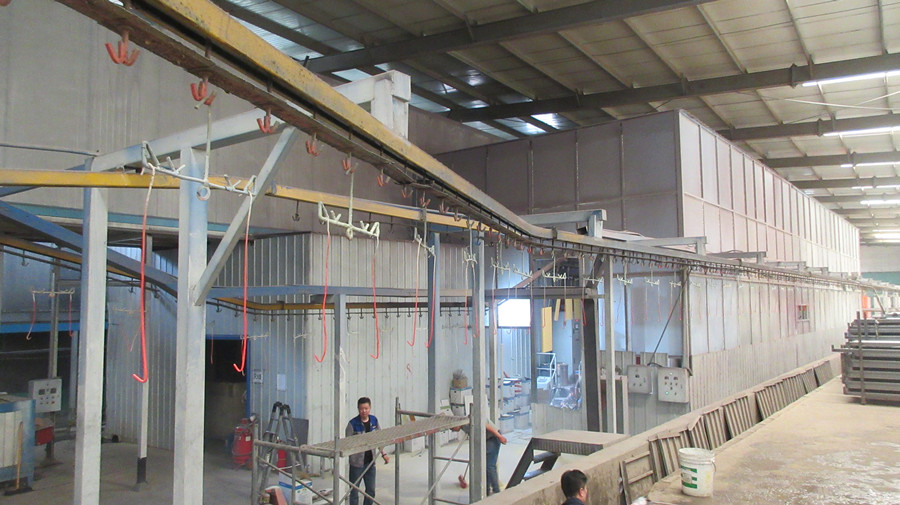
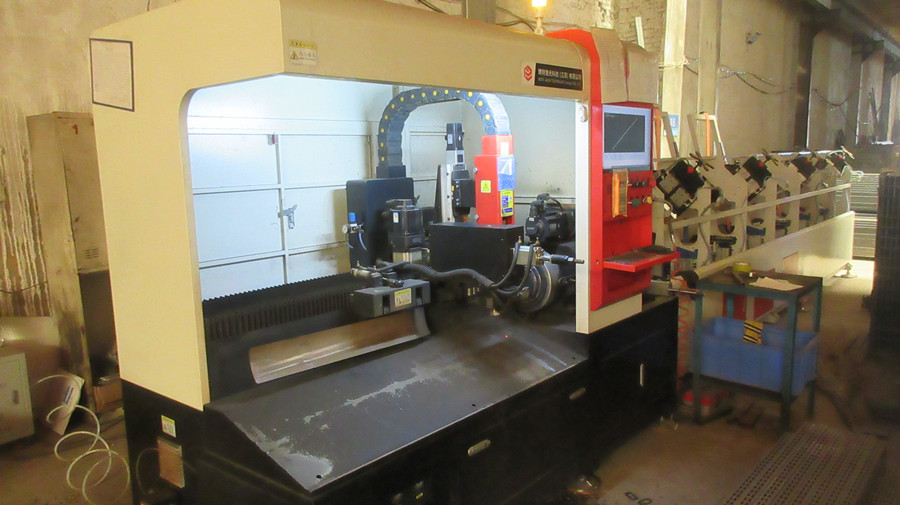
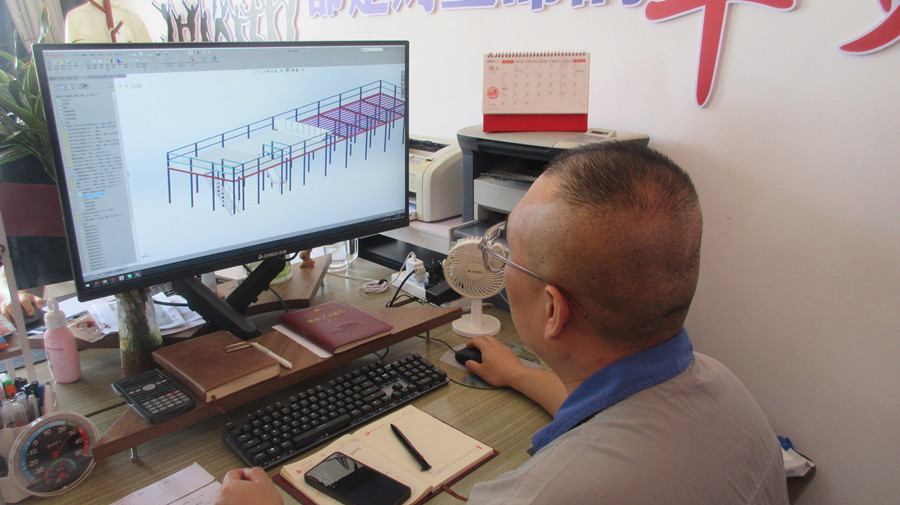
Importing steel products from China into South Africa requires clean alignment with complex import and customs structures. Our team manages this transition by optimizing packaging footprints and shipping containers to control costs. Stacking racks are designed to stack compactly when shipping, meaning we can load maximum steel tonnage inside standard 40ft High Cube (HC) shipping containers, lowering the total freight rate per unit.
Shenzhen Chaoyu Goods Shelf Co., Ltd. coordinates direct shipments through primary maritime corridors (from Shenzhen or Shanghai Port directly to Durban and Cape Town). We provide detailed documentation packs—including mill test certificates, packing specifications, custom HS codes (typically 7308.90 for steel racking structures), and load simulation test documents—ensuring fast clearing through SARS (South African Revenue Service) and helping you avoid unexpected port delay charges.
Through our dedicated in-house engineering team of 18 R&D designers, we supply tailored rack variants suited to specific South African industries:
From modular, space-saving designs to heavy-duty cantilever setups, explore our range of globally trusted storage products.
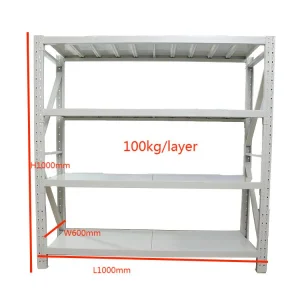
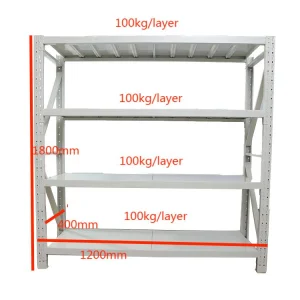
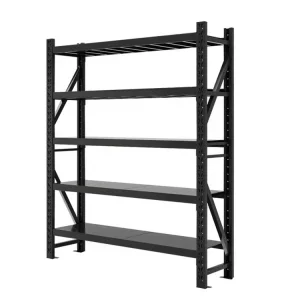
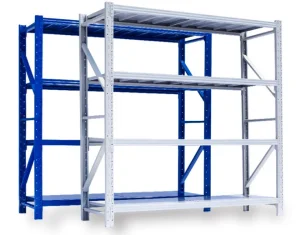
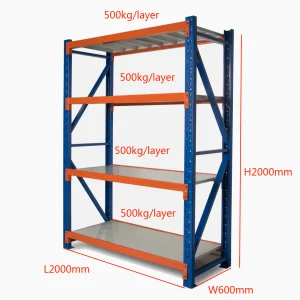
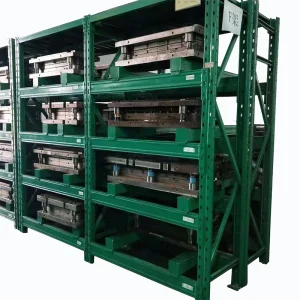
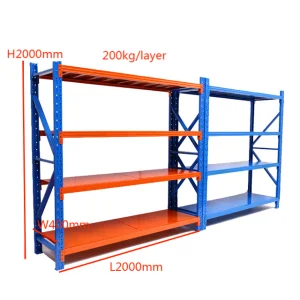

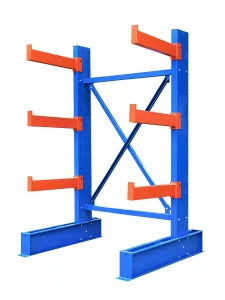
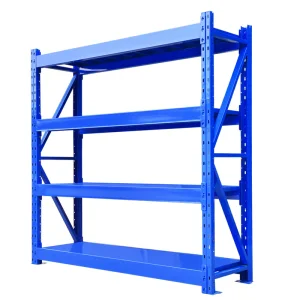
Modern warehousing is moving rapidly towards digital supply chains. Traditional static steel stands are giving way to intelligent, traceable cargo nodes. Shenzhen Chaoyu Goods Shelf Co., Ltd. is continuously innovating to remain at the forefront of this digital shift. Our future technical roadmap centers on two main areas: smart sensory integration and structural material evolution.
We are actively developing and testing dynamic load-cell sensors integrated into the nesting cups of our stacking racks. These sensors send real-time load distribution telemetry directly to a warehouse’s central WMS (Warehouse Management System). In high-stack configurations, unevenly balanced weight presents a serious tipping risk. By alerting operators immediately to balance variations, we prevent accidents before they occur. Additionally, integrated RFID tags within the steel frames allow automated inventory counting as forklifts move racks past gate readers, avoiding manual barcode scans.
In modern distribution hubs, Automated Guided Vehicles (AGVs) are replacing manually operated forklifts. We design our stacking racks with precise bottom alignment tolerances and entry channels, ensuring robotic vehicles can dock and lift loaded racks safely. This exact positioning is critical for preventing misalignments in automated systems.
Essential engineering and logistics details for South African warehouse managers and purchasing officers.
Discuss your operational layout with our design engineers. We supply custom sizing, load configurations, and high-durability coatings to suit South African logistics environments.
Send Inquiry Now Chaoyu Storage