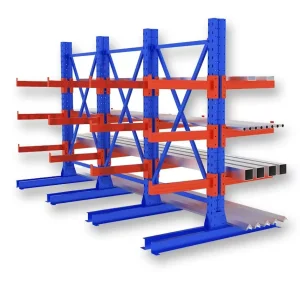
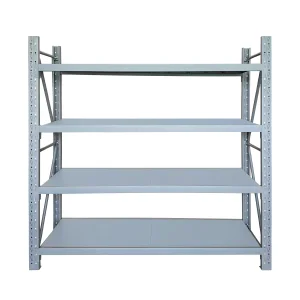
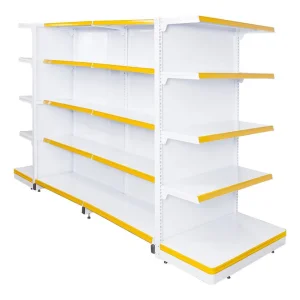
Top-rated structural and roll-formed cantilever models customized for Canadian heavy industrial operations.
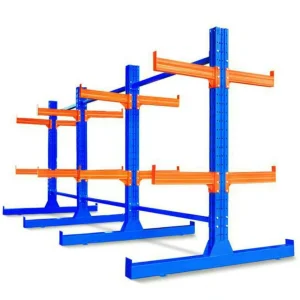
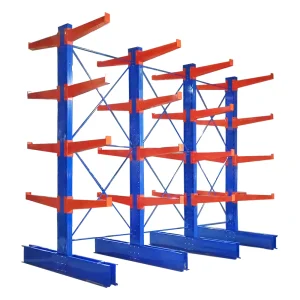
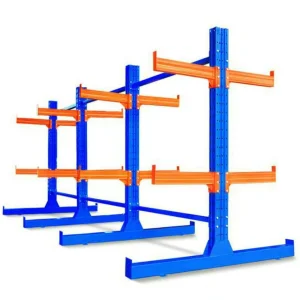
A comprehensive analysis of seismic mandates, building code compliances, and supply-chain logistics for heavy industrial storage in Northern climates.
Canada's vast geography and resource-driven economy place rigorous demands on warehouse storage networks. In provinces like British Columbia and Alberta, sectors such as forestry, structural lumber processing, oil and gas pipelines, and heavy equipment fabrication require storage solutions that can withstand massive mechanical stresses, irregular form factors, and harsh winter operations. Cantilever racking represents the absolute standard for storing long, unwieldy materials such as steel tubes, plastic piping, structural wood panels, and raw metal bars.
Unlike standard pallet racking systems, cantilever systems feature unobstructed front access, omitting front-facing vertical columns. This design allows specialized materials-handling equipment—including multi-directional forklifts and side-loaders—to quickly deposit and retrieve lengthy structural bundles, improving floor-space utilization and cycle times.
Installing structural steel systems in regions like Vancouver, Richmond, or high-risk areas in Quebec requires strict adherence to the National Building Code of Canada (NBCC) and localized provincial iterations (e.g., BCBC). Cantilever structures must be structurally calculated to resist dynamic horizontal shear forces generated during seismic events.
This mandates rigorous structural engineering verification, verifying that columns, arm connections, and expansion anchors can dynamic load forces. Our structural cantilever racks utilize high-grade carbon structural steel (Q235 or Q355, equivalent to ASTM A36 / A572), providing high yield strength and ductility levels to absorb seismic impacts without catastrophic shear failure.
Leveraging advanced manufacturing technology and strict QC standards to supply global industrial hubs.
Founded in 2015, Shenzhen Chaoyu Goods Shelf Co., Ltd. is a premier manufacturer specializing in heavy-duty industrial storage racks, pallet racking systems, and customized warehouse logistics solutions. Operating from a modern 32,000 m² facility, we combine advanced manufacturing technology with rigorous quality control to deliver durable, scalable, and space-optimizing storage products to clients worldwide.
With over 11 years of industry expertise and 8 years of international export experience, Chaoyu generates an annual export revenue exceeding $18 million USD. Our primary markets span North America, Europe, Southeast Asia, and the Middle East, serving high-volume client segments including logistics distribution centers, industrial manufacturing hubs, third-party logistics (3PL) providers, and major retail chains. Supported by a robust network of more than 850 trusted supply chain partners, we ensure high-standard raw material sourcing and on-time delivery across all international projects.
Innovation drives our competitive edge. Powered by an experienced R&D team of 18 engineers, Chaoyu released over 120 new storage designs and customized racking solutions last year alone. We offer fully versatile OEM and ODM customization options, including dynamic layout planning, load-bearing specification tailoring, custom powder-coating colors, and anti-corrosion surface treatments.
Quality assurance is integral to our operations. Our dedicated team of 35 QC specialists conducts strict multi-stage quality inspections to guarantee structural integrity.
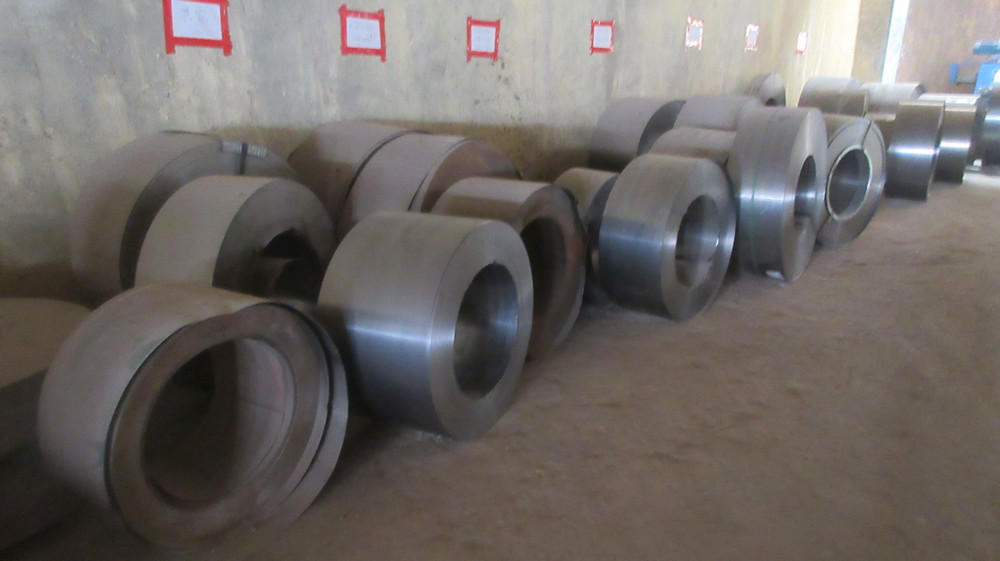
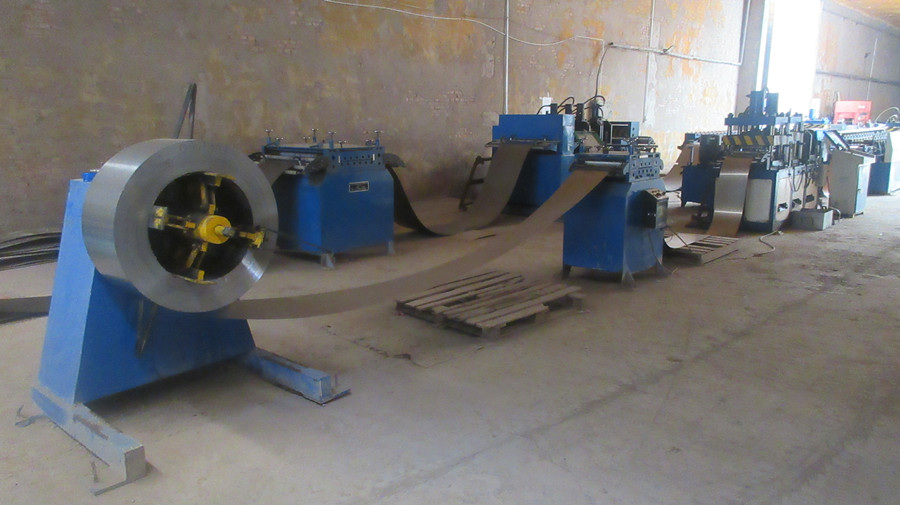
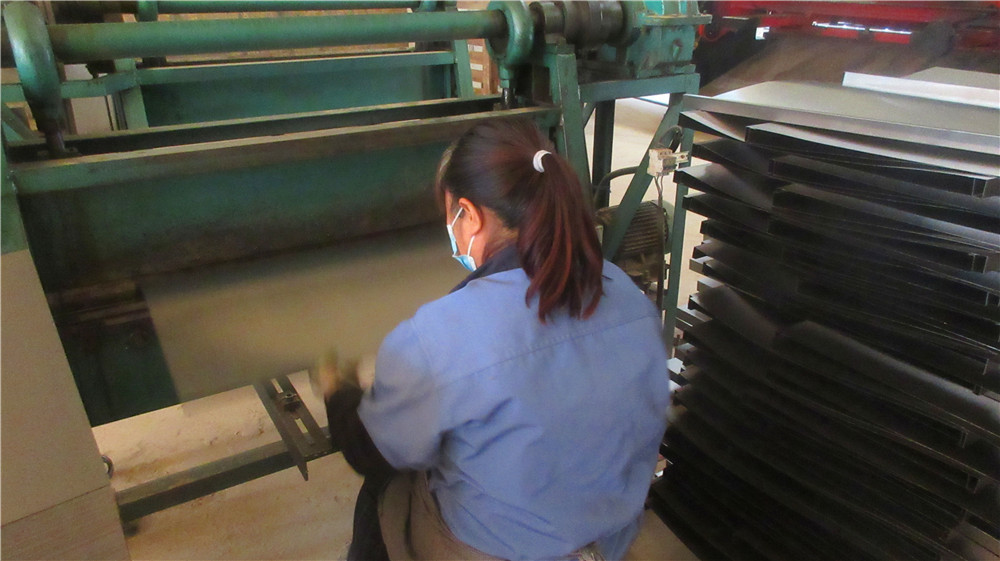
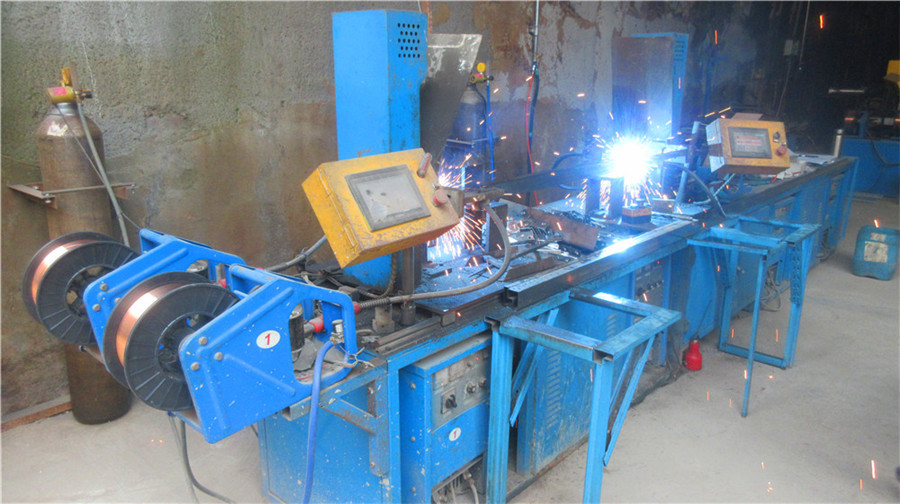
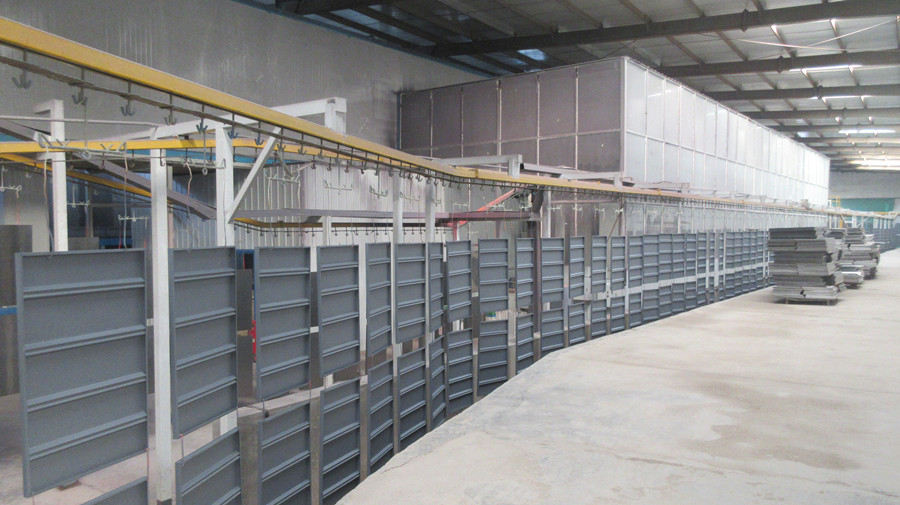
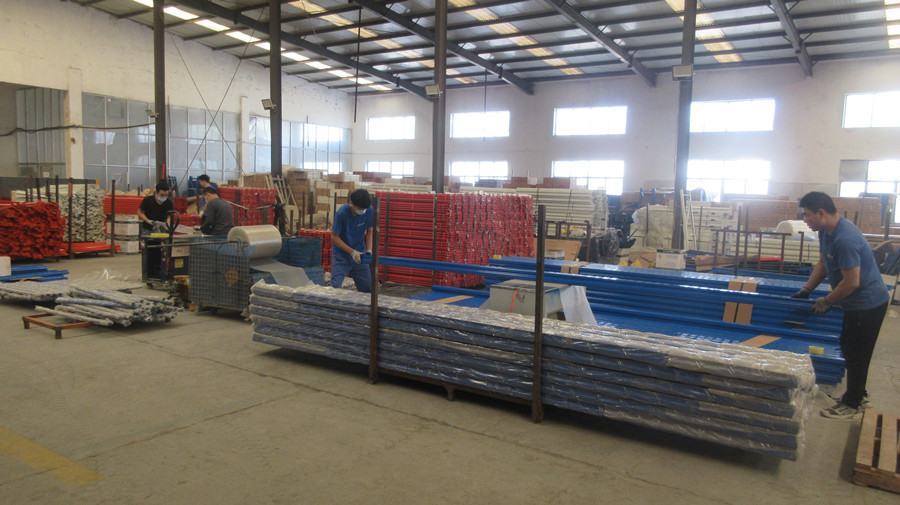
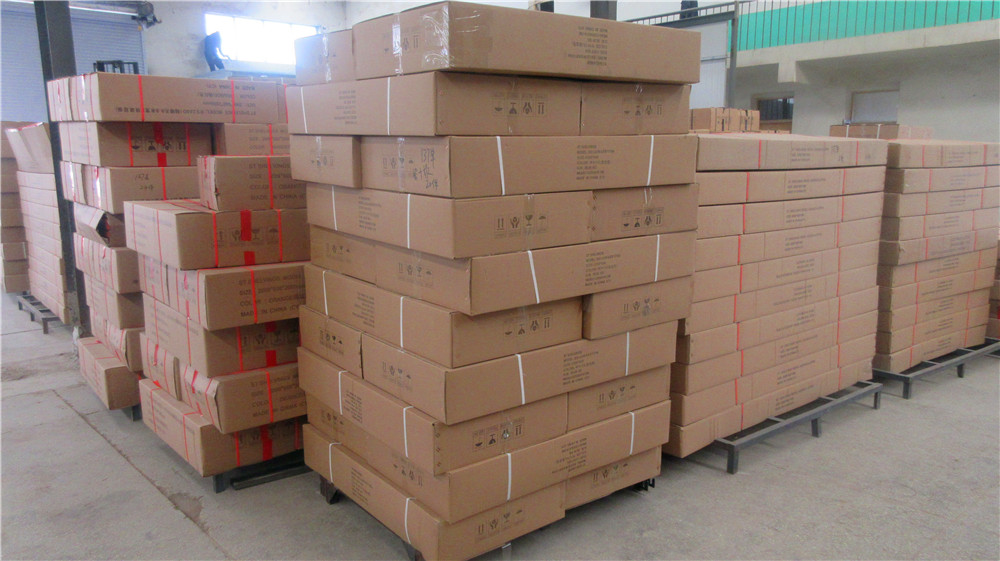
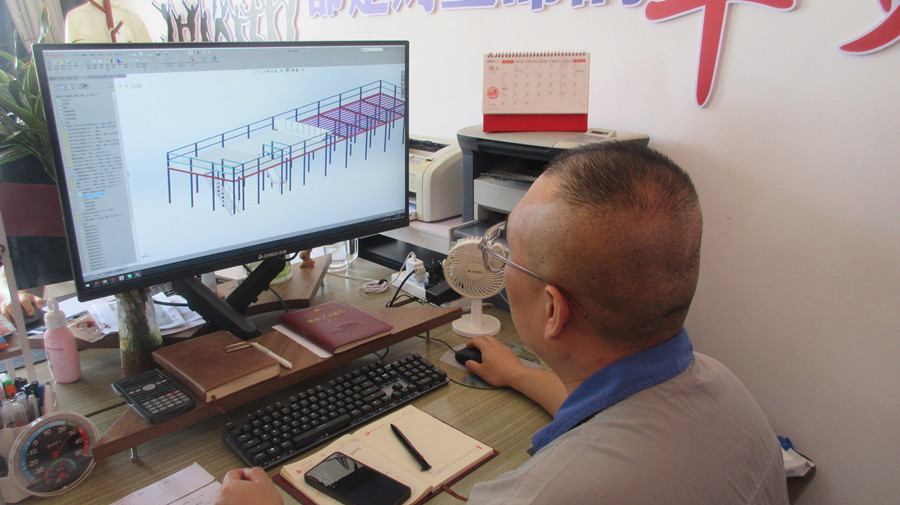
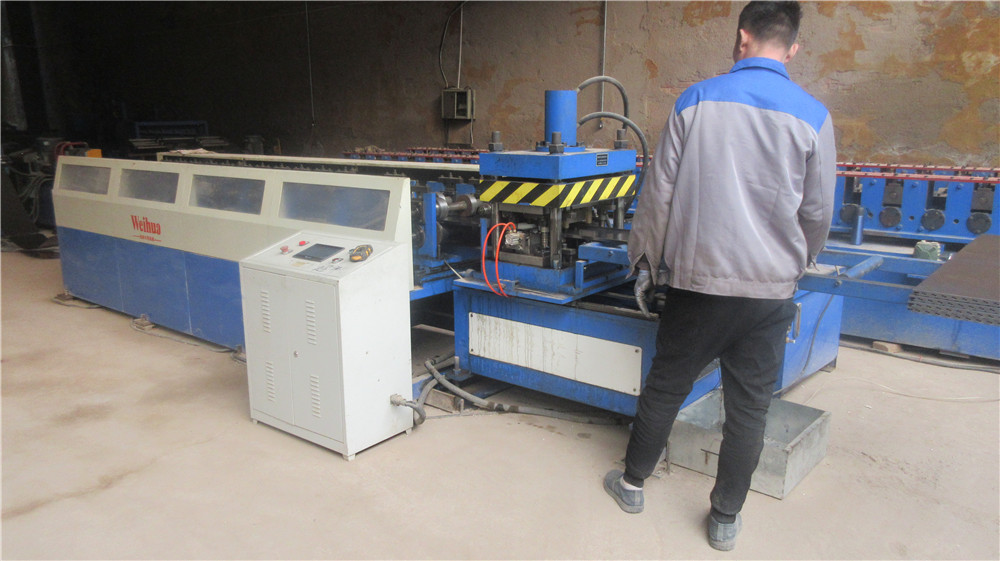
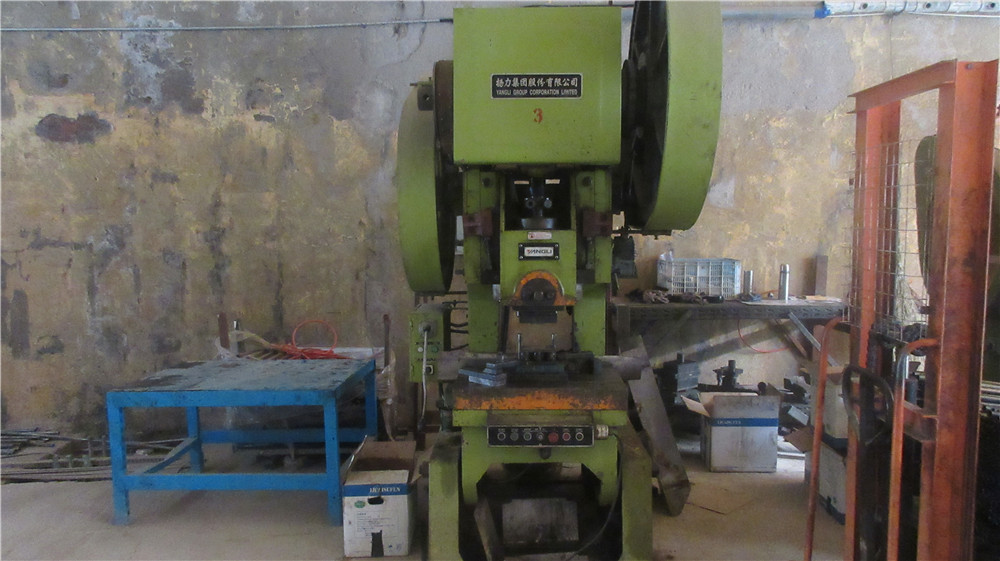
A transparent look inside our modern facility showing the complete fabrication journey of structural cantilever components.
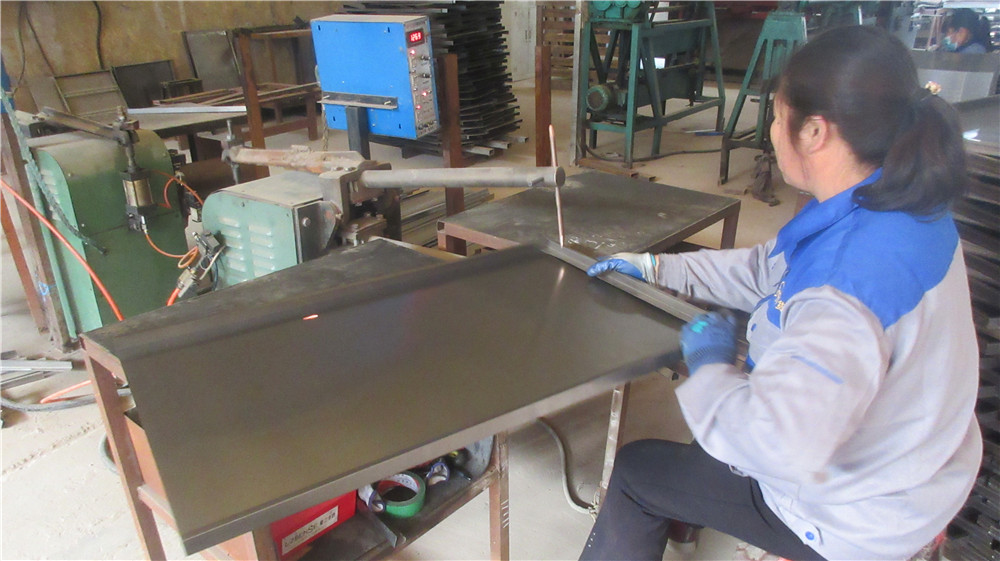
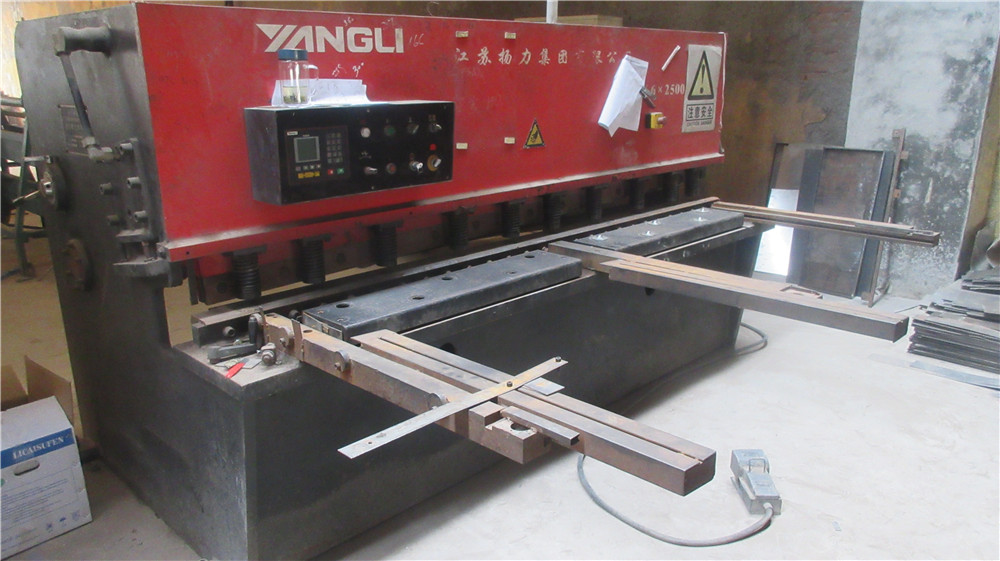
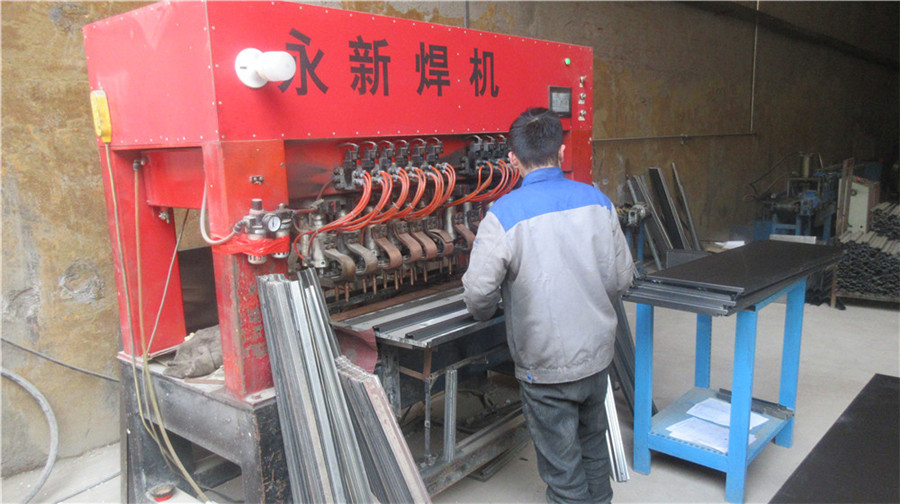
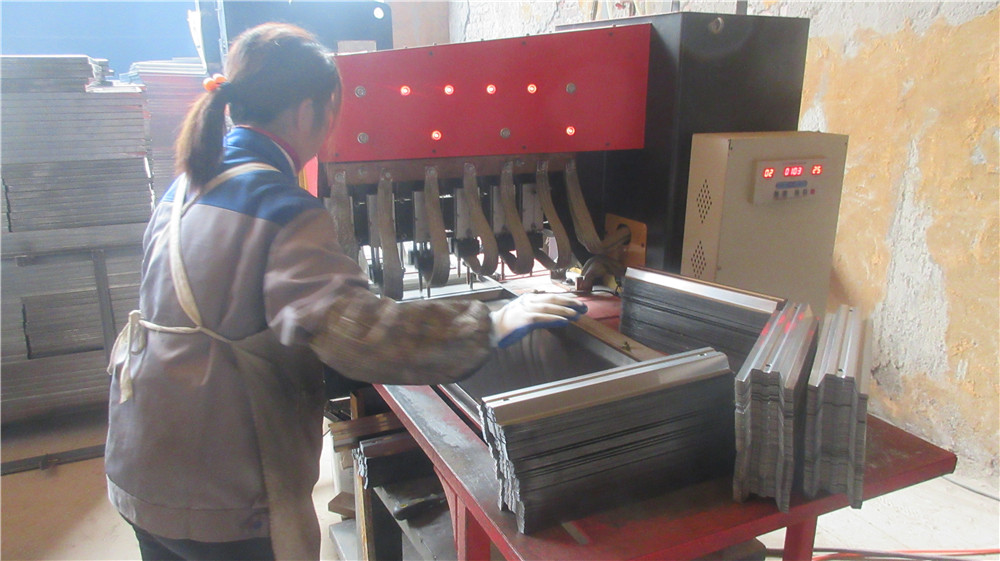
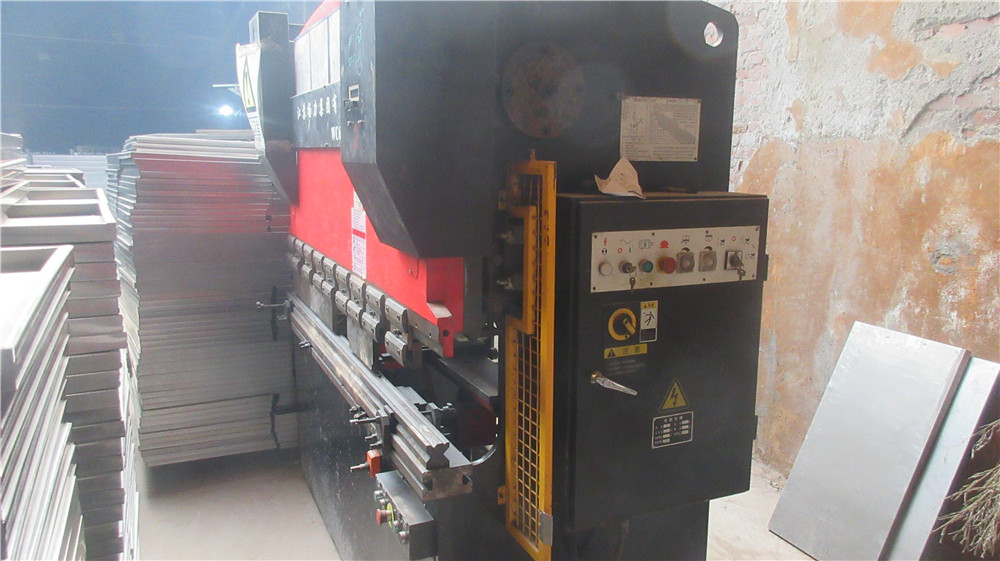
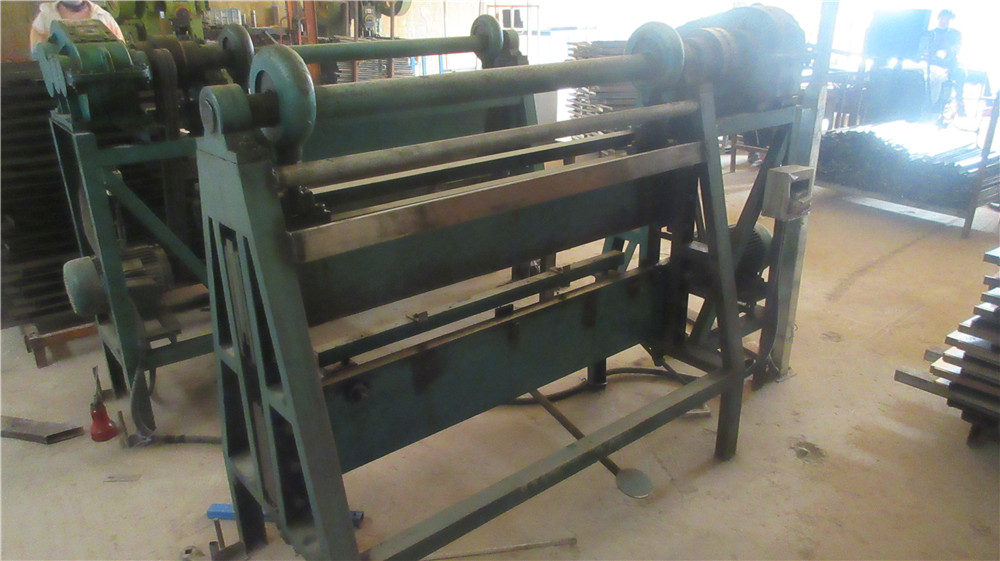
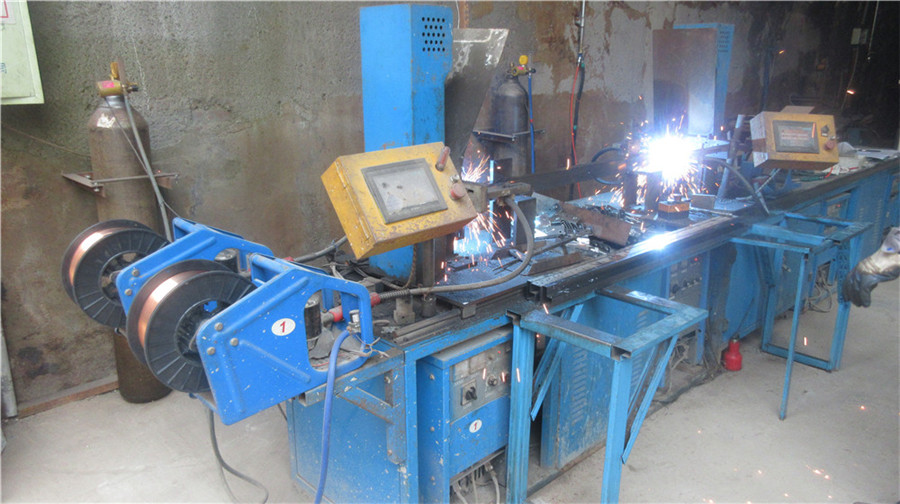
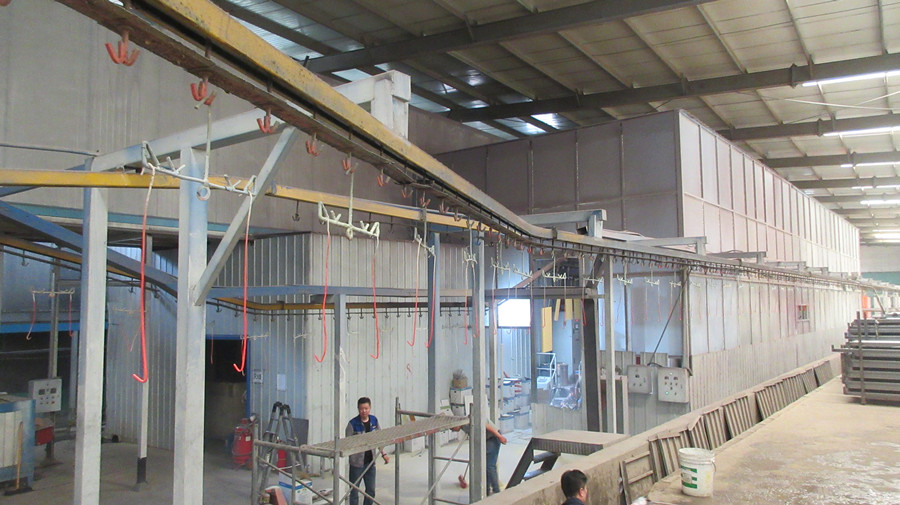
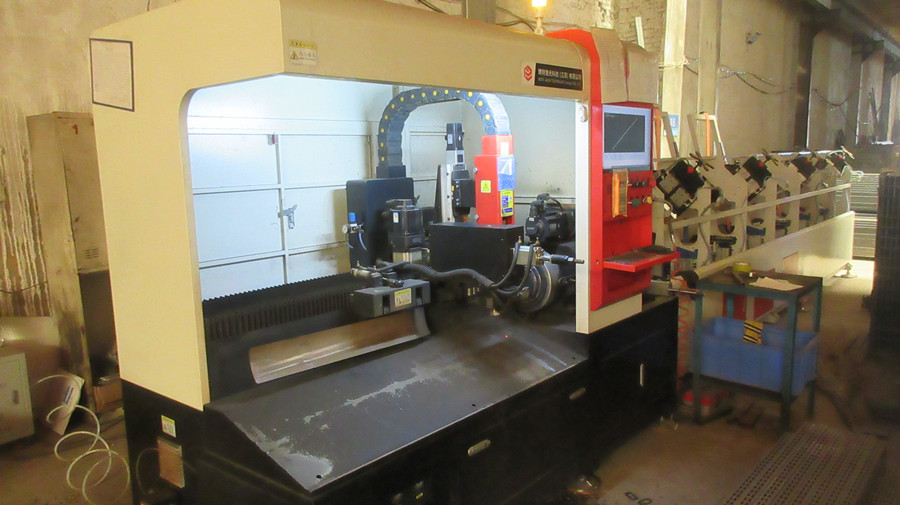
Understanding how structural steel profiles and loading mechanics prevent critical failure under maximum load states.
For operations in regions of Canada that experience sub-zero winter temperatures, selecting the appropriate structural steel grade is critical. Low temperatures can increase the risk of brittle fracture in standard carbon steel. Our manufacturing line uses high-grade carbon structural steel (Q235B and Q355B), which provides ductile performance at lower operating ranges.
For heavy industrial profiles, we suggest Structural Steel I-Beam sections over roll-formed sheet steel. Hot-rolled structural profiles provide higher torsional stiffness and resist localized damage from forklift tines. Under CSA A344 guidelines, deflection criteria must be verified across three distinct conditions:
The deflection ($\delta$) of a cantilever arm carrying a uniformly distributed load (W) is calculated as:
Where:
W = Total distributed load
L = Active length of arm
E = Modulus of elasticity of steel (typically 200 GPa)
I = Moment of inertia of arm section
| Profile Type | Upright Column Depth (mm) | Arm Length Range (mm) | Load Capacity per Arm (kg) | Standard Steel Grade | Seismic Zone Suitability |
|---|---|---|---|---|---|
| Light-Medium Duty Roll-Formed | 200 x 80 x 2.0 | 500 - 1000 | 500 - 1200 | Q235B / ASTM A36 | Zone 1 - 2 (Low Hazard) |
| Heavy-Duty Roll-Formed | 300 x 90 x 3.0 | 800 - 1500 | 1000 - 2500 | Q355B / ASTM A572 | Zone 3 - 4 (Medium Hazard) |
| Structural I-Beam H200 | 200 x 200 H-Section | 1000 - 1800 | 2000 - 4500 | Q355B / ASTM A572 | Zone 5 (High Hazard / Coastal BC) |
| Structural I-Beam H300 | 300 x 300 H-Section | 1200 - 2400 | 4000 - 6500 | Q355B / ASTM A572 | Zone 5 (High Hazard / Coastal BC) |
Comprehensive warehouse display, pallet, and heavy-duty storage configurations designed to maximize footprint efficiency.
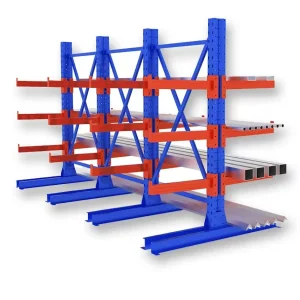
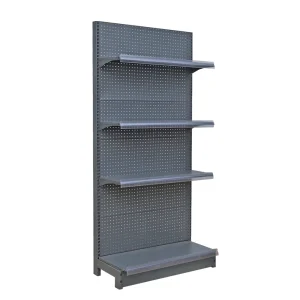
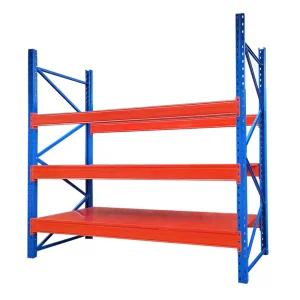
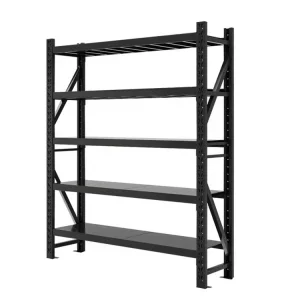
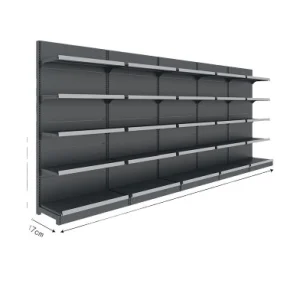
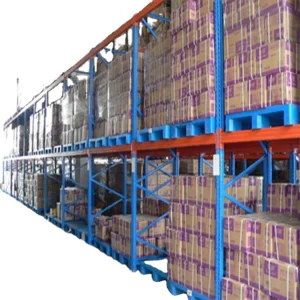
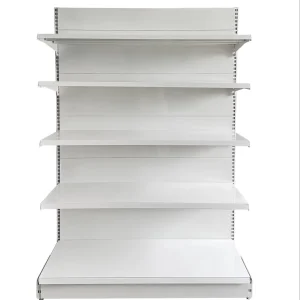
Supporting auxiliary warehousing systems, specialized steel plating, and high-quality logistics equipment.
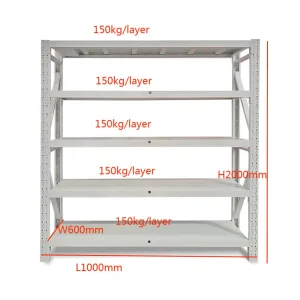
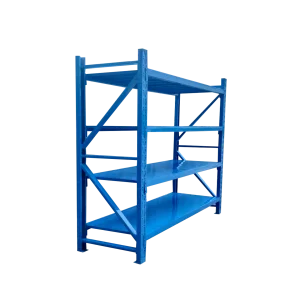
Ensuring compliance with local building regulations and structural verification protocols.
In Canada, municipal inspectors often require storage systems to bear a Professional Engineer's (P.Eng.) stamp before operational sign-off. This is particularly critical in provinces with high regulatory oversight, such as Ontario (complying with the Occupational Health and Safety Act) and British Columbia (under WorkSafeBC mandates).
We work with Canadian engineering networks to provide structural calculation packages, load capacity labels, and seismic designs. This streamlines approvals for applications like the Pre-Start Health and Safety Review (PSR) in Ontario, confirming the racking meets CSA A344-17 requirements.
Operating environments in Canada span from climate-controlled warehouses to outdoor lumber yards exposed to snow, salt, and freeze-thaw cycles. We provide specialized coatings to maintain structural integrity:
Find answers to common questions about cantilever design, loading safety, structural requirements, and Canadian compliance.
Consult with our structural engineering team to design custom cantilever systems that optimize space and comply with Canadian regulations.
 Chaoyu Storage