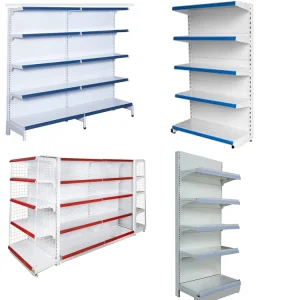
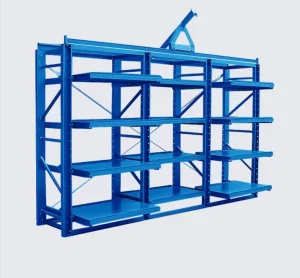
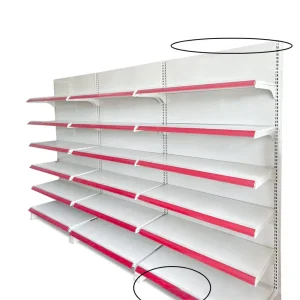
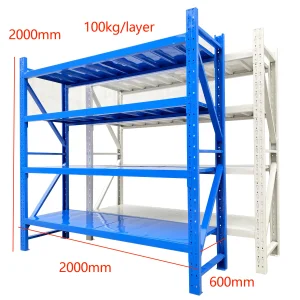
Select industrial-grade racking components and logistics solutions optimized for Automated Storage and Retrieval System (ASRS) configurations.
In the era of rapid logistics growth, Automated Storage and Retrieval Systems (ASRS) have evolved from premium options to necessary infrastructure. Enterprise logistics managers face soaring square-foot rental rates, critical manual labor shortages, and rising throughput needs. ASRS technology solves these issues by maximizing vertical storage volumes, speeding up pick-and-pack times, and ensuring inventory records remain precise.
Globally, the ASRS market is projected to expand significantly, driven by e-commerce expansion and automated cold-chain logistics. Standard manual warehouse designs, limited by forklift heights and aisle width requirements, achieve only fractional space utilization. Modern high-bay ASRS solutions utilize structural heights up to 40 meters, increasing density profiles by up to 400% compared to traditional layouts.
As logistics operations scale up, sourcing structural racking and custom fabrications from China provides distinct competitive advantages. Leading Chinese manufacturers deliver a unique combination of material quality, engineering scale, and cost efficiencies:
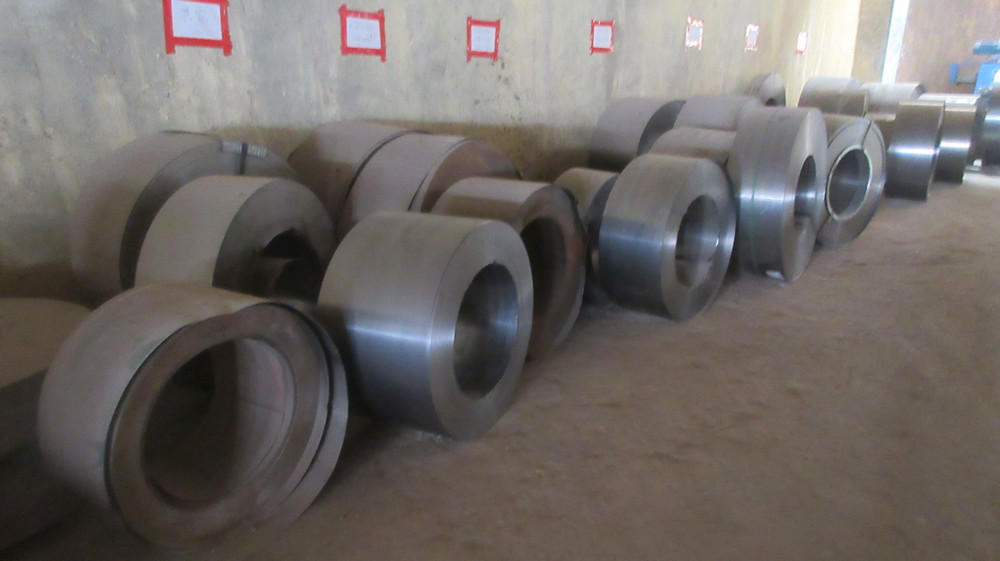
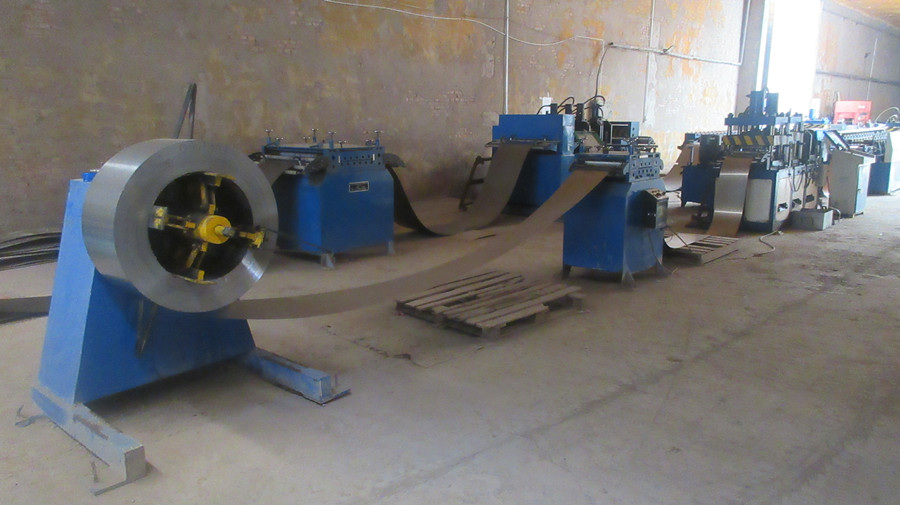
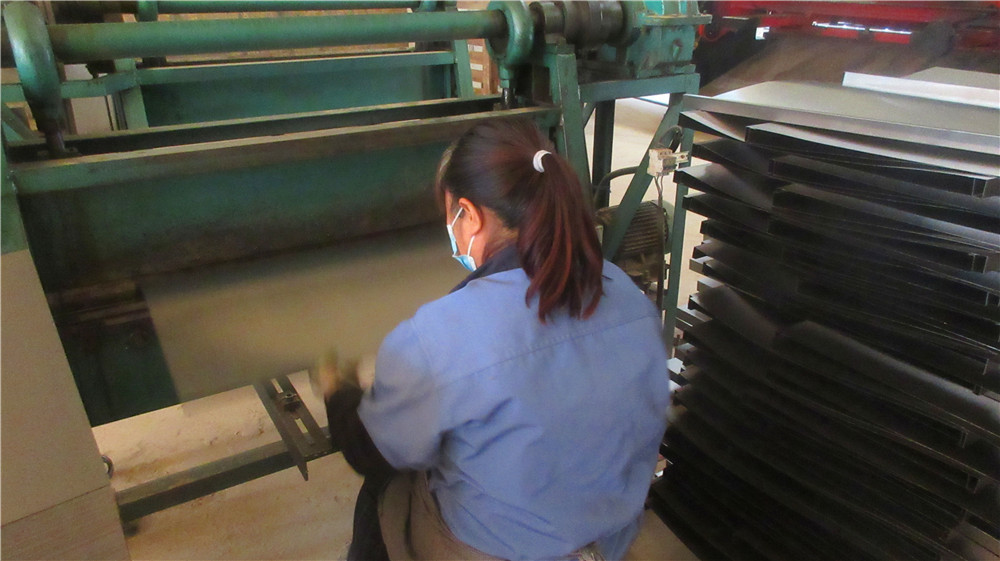
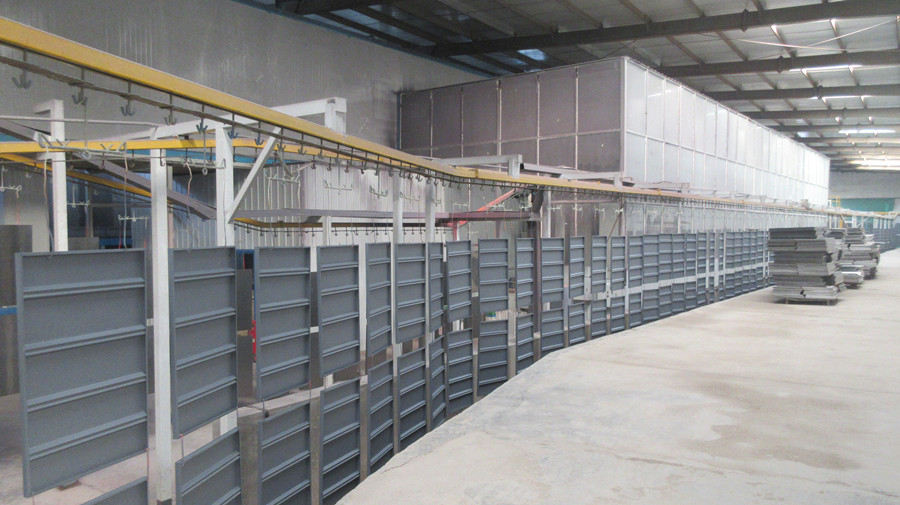
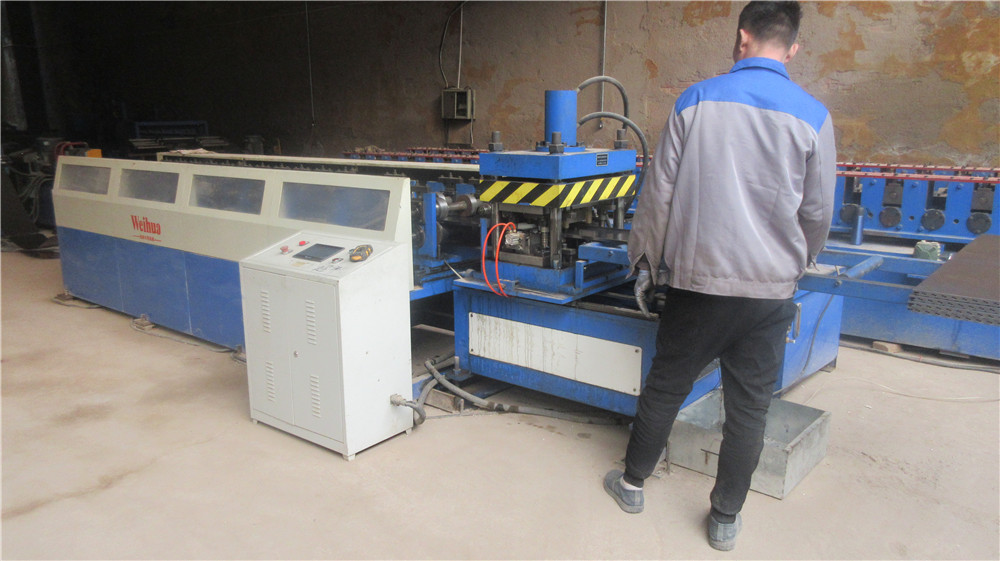
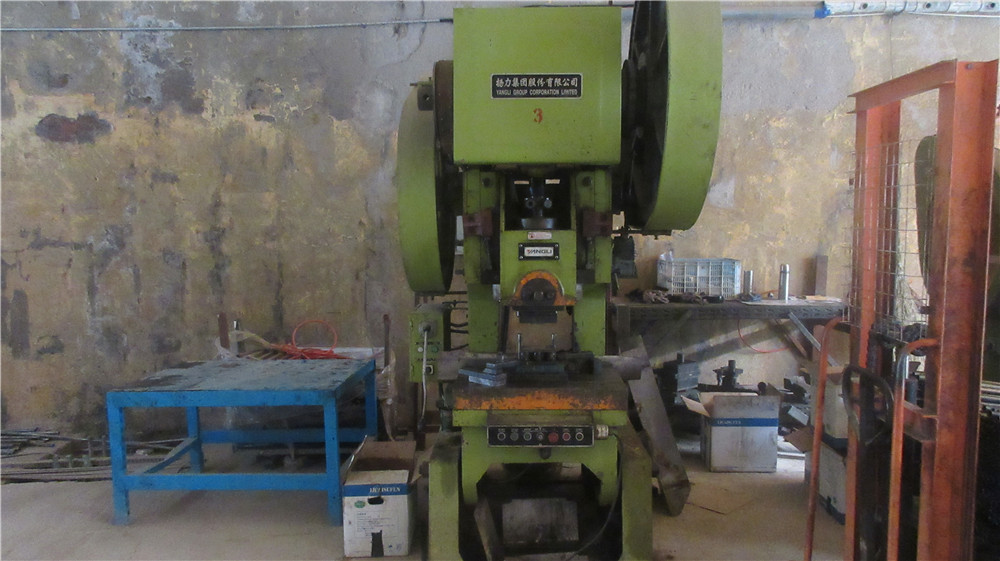
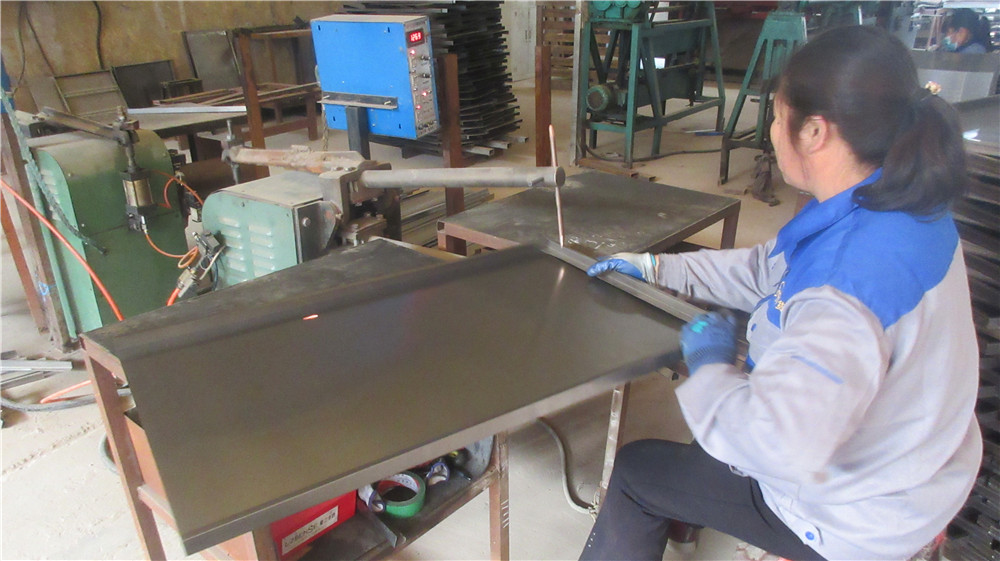
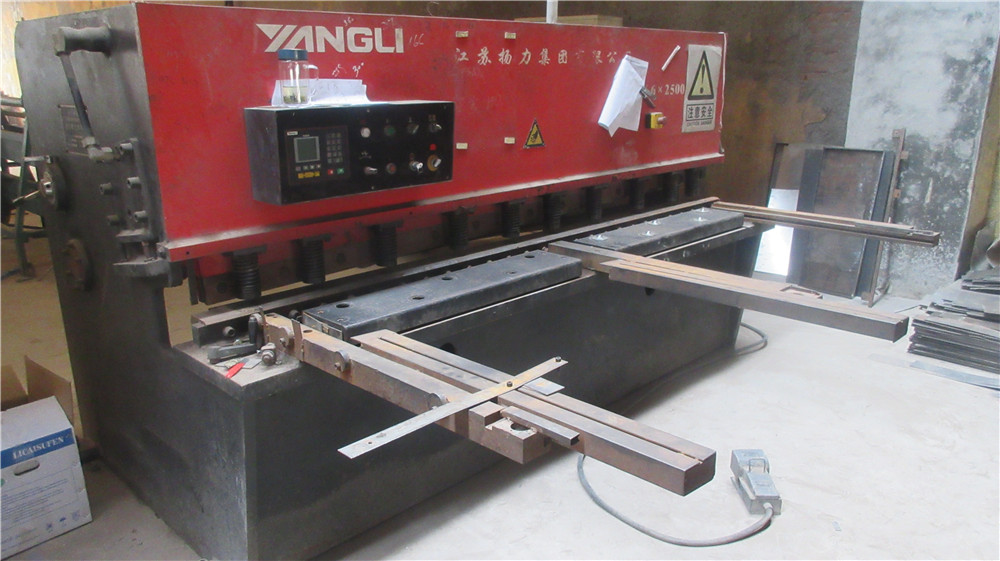
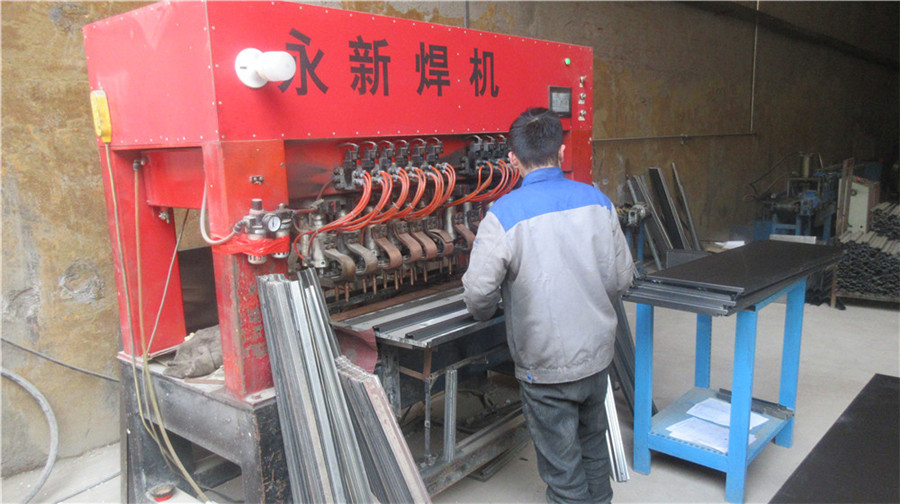
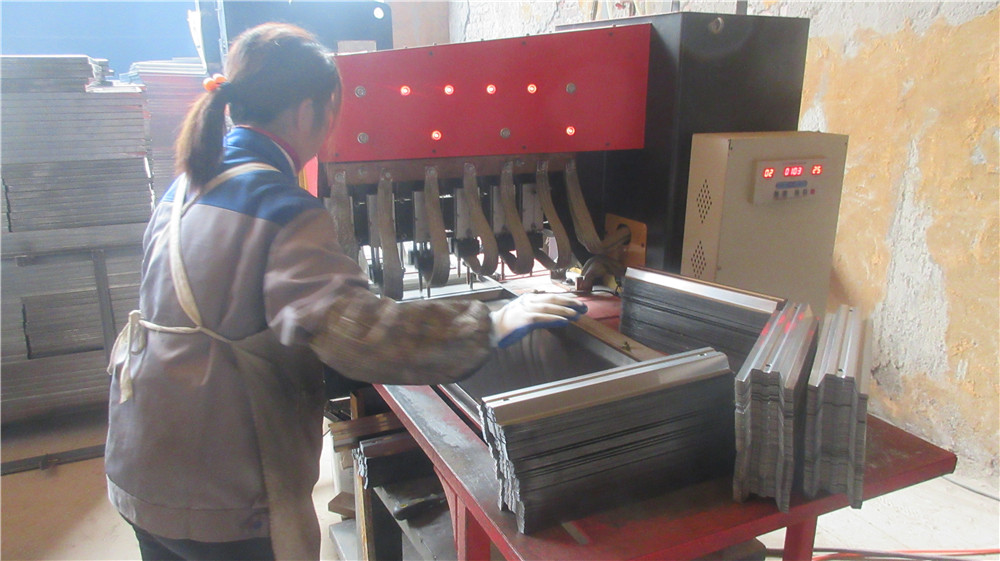
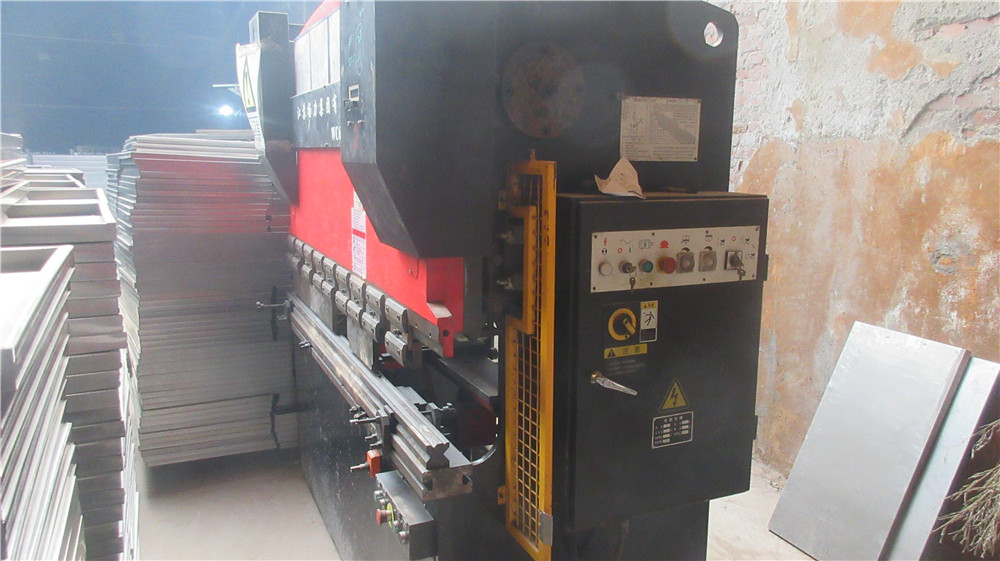
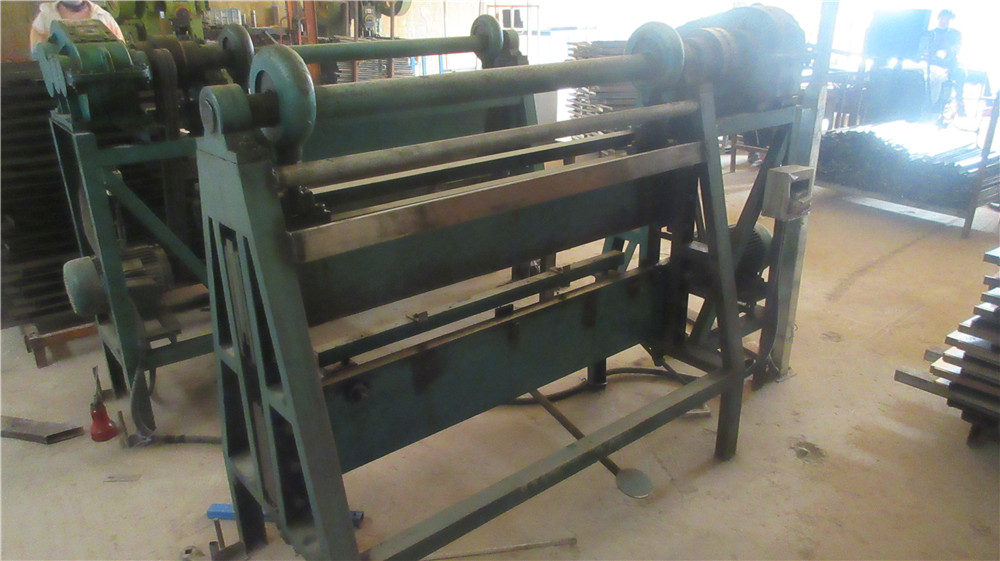
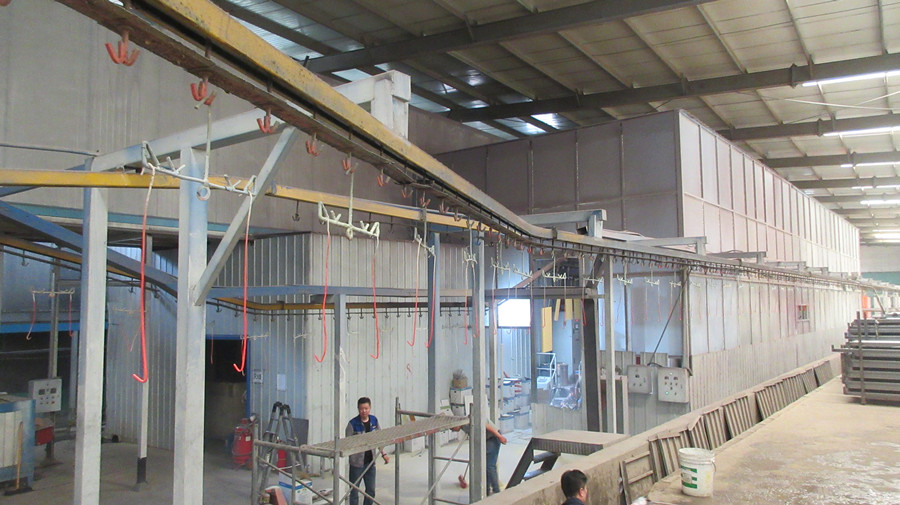
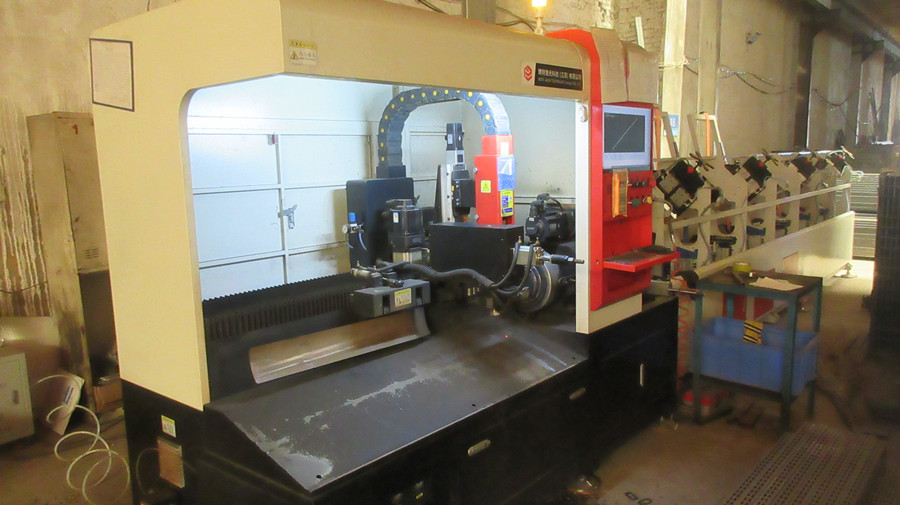
Chinese manufacturers manage the entire production chain, from raw coil slitting to automated roll-forming and high-durability powder coating. This results in consistent tolerances for structural verticality and alignment.
Top-tier Chinese exporters design and test products according to strict international certifications, including European FEM 10.2.02 and US Rack Manufacturers Institute (RMI) standards.
Highly automated factories offer cost-effective OEM and ODM services. Logistics firms can adjust load capacities and structural profiles without major capital investment.
Additionally, China’s industrial clusters benefit from direct access to high-grade structural steels like Q235B and Q355B. This secures reliable raw material supplies, preventing production delays and structural issues under heavy loads.
ASRS technology configurations differ significantly across industry sectors and environmental conditions.
Conditions: Temperatures ranging from -25°C to -30°C.
Technical Requirements: Standard steel becomes brittle at low temperatures. ASRS racks for cold-chain use high-toughness Q355D steel grades combined with specialized anti-freeze powder coatings. High-density shuttle systems maximize refrigerated volume, significantly reducing energy losses.
Conditions: High variation in load geometry and heavy unit weights.
Technical Requirements: Automotive distribution centers utilize Unit-Load ASRS configurations. Sturdy racking designs support specialized pallets and heavy containers. Integrated WMS tracking ensures rapid retrieval of parts for production line assembly.
Conditions: Massive SKU variety, high picking speeds, and variable order shapes.
Technical Requirements: High-speed Mini-Load systems and multi-shuttles handle lightweight plastic bins. Dynamic software control handles complex pick sequences, feeding pick stations directly to reduce order fulfillment cycle times.
A premier manufacturer specializing in heavy-duty industrial storage racks and automated logistics solutions since 2015.
Founded in 2015, Shenzhen Chaoyu Goods Shelf Co., Ltd. is a premier manufacturer specializing in heavy-duty industrial storage racks, pallet racking systems, and customized warehouse logistics solutions. Operating from a modern 32,000 m² facility, we combine advanced manufacturing technology with rigorous quality control to deliver durable, scalable, and space-optimizing storage products to clients worldwide.
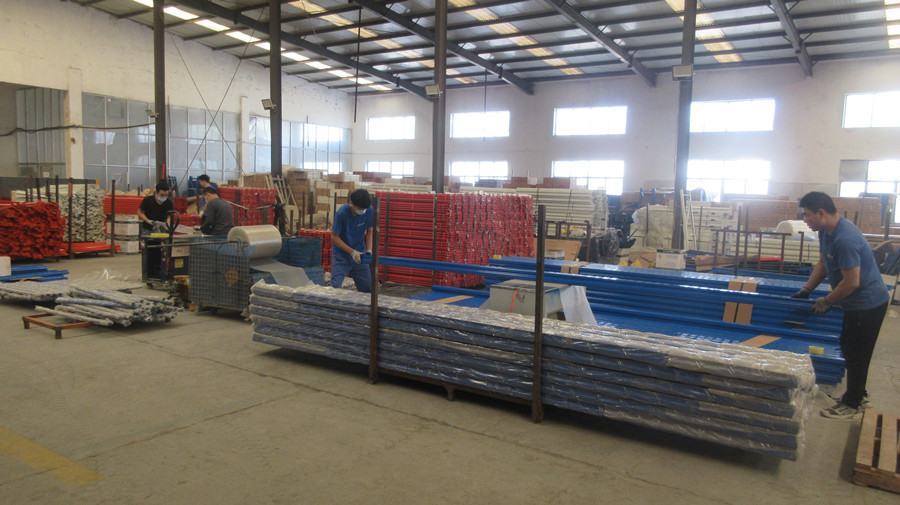
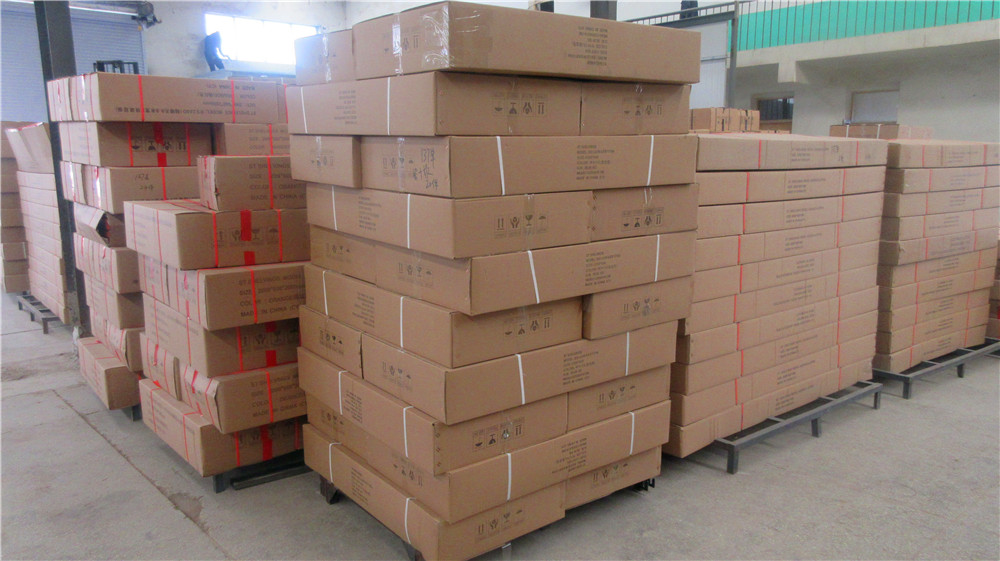
With over 11 years of industry expertise and 8 years of international export experience, Chaoyu generates an annual export revenue exceeding $18 million USD. Our primary markets span North America, Europe, Southeast Asia, and the Middle East, serving high-volume client segments including logistics distribution centers, industrial manufacturing hubs, third-party logistics (3PL) providers, and major retail chains. Supported by a robust network of more than 850 trusted supply chain partners, we ensure high-standard raw material sourcing and on-time delivery across all international projects.
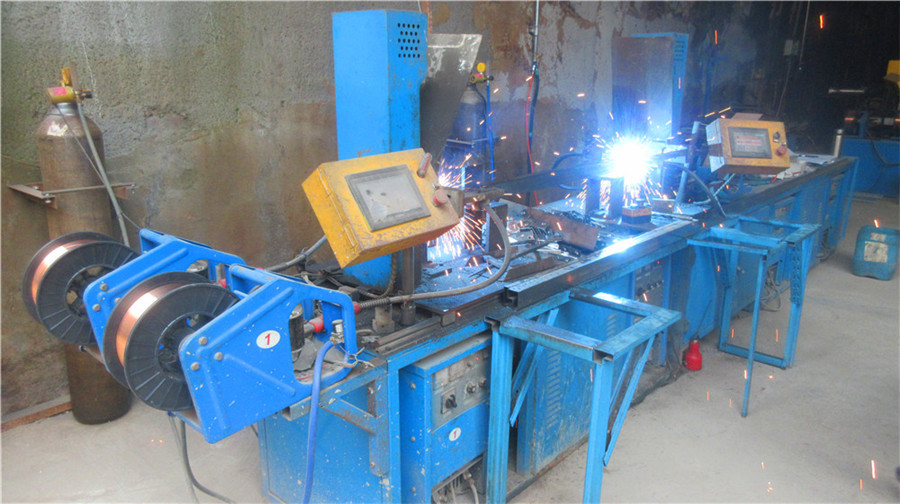
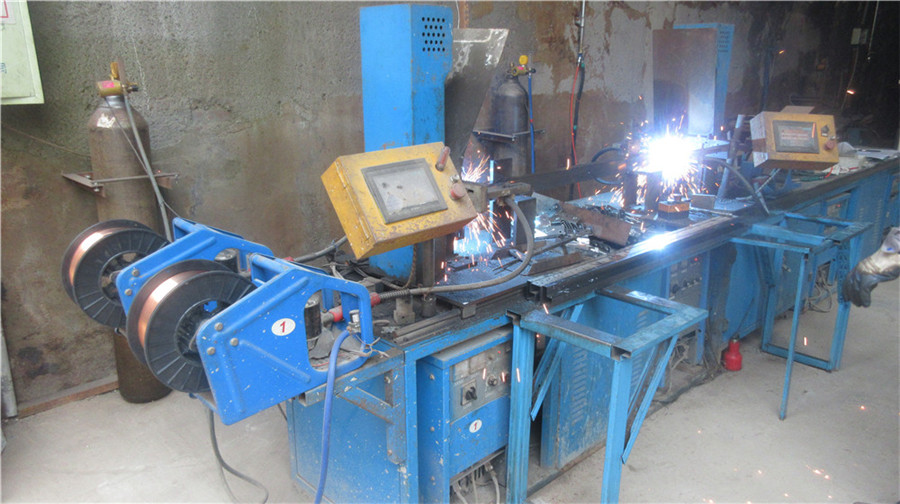
Quality assurance is integral to our operations. Our dedicated team of 35 QC specialists conducts strict multi-stage quality inspections, including incoming steel spectrum analysis, automated weld defect detection, powder coating thickness tests, and real-time load capacity simulation testing to guarantee full structural safety and compliance.
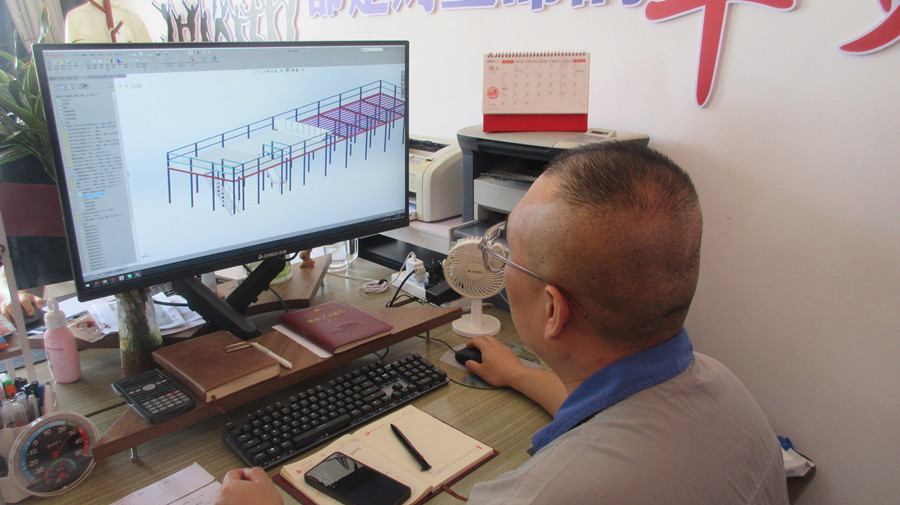
Innovation drives our competitive edge. Powered by an experienced R&D team of 18 engineers, Chaoyu released over 120 new storage designs and customized racking solutions last year alone. We offer fully versatile OEM and ODM customization options, including dynamic layout planning, load-bearing specification tailoring, custom powder-coating colors, and anti-corrosion surface treatments. Whether executing complete automated warehouse installations or custom heavy-duty unit racks, Shenzhen Chaoyu Goods Shelf Co., Ltd. delivers high-performance storage solutions tailored to every client's operational workflow.
A detailed breakdown comparing automated high-bay racking systems with conventional warehousing options.
| Performance Metrics | Unit-Load Stacker ASRS | Multi-Shuttle System | Traditional Pallet Racking |
|---|---|---|---|
| Typical Bay Heights | Up to 40 Meters | Up to 24 Meters | Max 12 Meters (Forklift restricted) |
| Load Capacity Range | 500 - 3,000 kg per pallet | 20 - 150 kg per bin/tote | 1,000 - 2,000 kg per level |
| Operational Throughput | 30 to 60 pallets/hour | Up to 1,000 lines/hour | 15 to 25 pallets/hour (Manual) |
| Aisle Width Requirements | Very Narrow (1.5 - 1.8m) | Ultra-Narrow (0.9 - 1.2m) | Wide Aisle (3.2 - 3.8m) |
| Floor Utilization Efficiency | Up to 85% utilization | Up to 90% utilization | 35% to 45% footprint utilization |
The next generation of logistics centers is driving integration of Autonomous Mobile Robots (AMRs) with ASRS racking. Traditional fixed stacker cranes are being supplemented by 3D shuttle fleets that move along both horizontal tracks and vertical elevators. This approach provides flexible scaling: operators can introduce additional shuttle vehicles to match seasonal demand spikes without rebuilding structural steel frameworks.
Furthermore, structural health monitoring using IoT sensor modules is growing in popularity. These networks, mounted directly on load-bearing frames, track stress deviations, dynamic impact cycles, and seismic events in real time, alerting maintenance teams before failures can occur.
Key structural and compliance factors that international procurement managers must verify before importing industrial racking systems.
Ensure the supplier uses verified structural steel grades (such as mill-certified Q235B or Q355B carbon steel) with documented yield strengths capable of supporting heavy industrial loads.
Automated shuttle systems require tight installation tolerances. Standard systems allow only minimal structural verticality deviations (often under 1 in 1000) to prevent operational jams.
Confirm the powder-coating process meets international standard tests, ensuring a minimum paint thickness (measured in microns) that resists scratches, impacts, and humidity.
Custom structural calculations (using Finite Element Analysis) should account for local seismic coefficients, protecting workers and inventory in seismically active regions.
Answers to common structural and logistical questions asked by warehouse operators.
Select heavy-duty pallet racks, retail display shelving systems, and customizable warehouse storage solutions.
 Chaoyu Storage