Engineered for heavy-duty utilization, space optimization, and structural reliability.
Unlocking industrial floor efficiency and identifying critical procurement demands.
In the contemporary landscape of global logistics, land acquisition costs and construction premiums have prompted a macro-shift toward high-density warehousing configurations. Drive-In Racking systems stand as the architectural blueprint for companies aiming to consolidate footprint while maximizing pallet capacity. By eliminating access aisles, drive-in systems increase spatial utilization efficiency by up to 75% compared to standard selective pallet racking.
Technological pathways are witnessing the integration of smart entry guides, heavy-duty column protection guards, and hybrid Drive-Through structures. These innovations mitigate forklift impact damage while facilitating both Last-In, First-Out (LIFO) and First-In, First-Out (FIFO) material flows. Modern systems also implement specialized rail geometries and structural stability calculations to adapt to automated guided vehicles (AGVs).
Procurement departments of multinational 3PL operators, cold chains, and FMCG distributors prioritize structural reliability, international code compliance, and manufacturing scalability. For standard operations, a factory's engineering team must design racking structures in alignment with local regulations, including RMI standards in the United States, FEM 10.2.02 and EN 15512 in Europe, and AS 4084 in Australia.
Crucial Procurement Checklist: Verify raw material mill test certificates (MTC) to guarantee tensile strength; audit automated welding precision using ultrasonic or visual testing methods; ensure safety factors (minimum 1.5x load factor) are calculated based on realistic dynamic loads and forklift impacts.
A world-class manufacturing authority in high-performance storage configurations.
Engineered profiles designed for high-stress operational parameters and environmental efficiency.
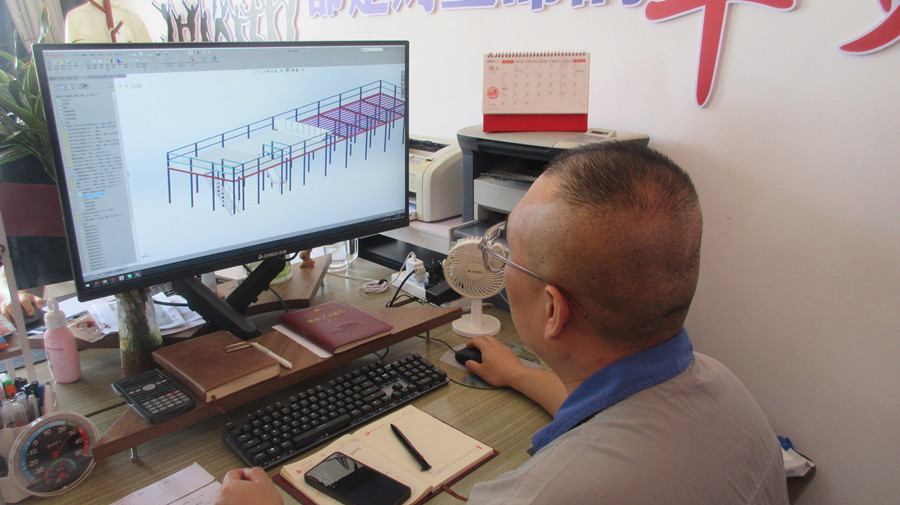
Powered by an R&D team of 18 engineers, Chaoyu released over 120 custom designs last year. We tailor upright column geometry, horizontal spacing, and load-bearing profiles (up to 1,500kg per pallet location) using 3D modeling and structural software.
Our dedicated team of 35 QC specialists conducts strict multi-stage quality inspections, including incoming steel spectrum analysis, automated weld defect detection, powder coating thickness tests, and real-time load capacity simulation testing.
Operating advanced electrostatic spraying systems, we offer customizable color palettes and high-durability epoxy-polyester anti-corrosive powder coatings designed for temperature-sensitive warehouses and cleanrooms.
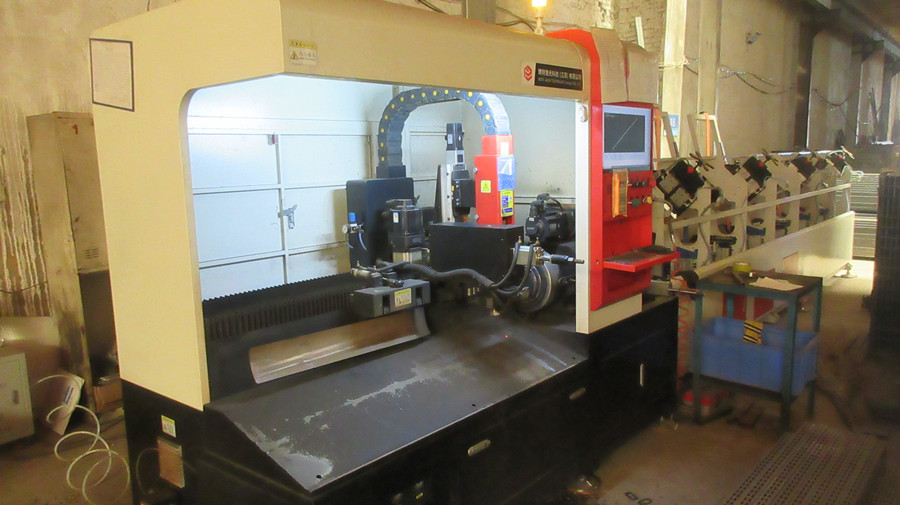
Our facility's machinery array enables high-precision cold roll forming of racking columns, ensuring excellent structural consistency. Utilizing high-efficiency gantry row welders, CNC laser pipe cutters, and hydraulic bending systems, we achieve precise tolerance control (within 0.5mm structural variance). This engineering detail ensures that frame uprights align with pallet rails to provide structural safety and reduce warehouse forklift operator error.
Explore our 32,000 m² facility containing advanced machinery arrays and strict production flows.
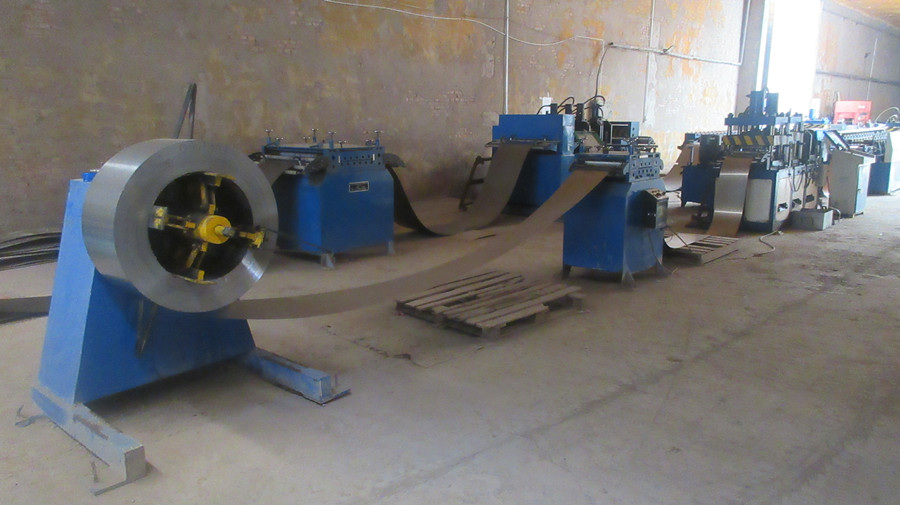
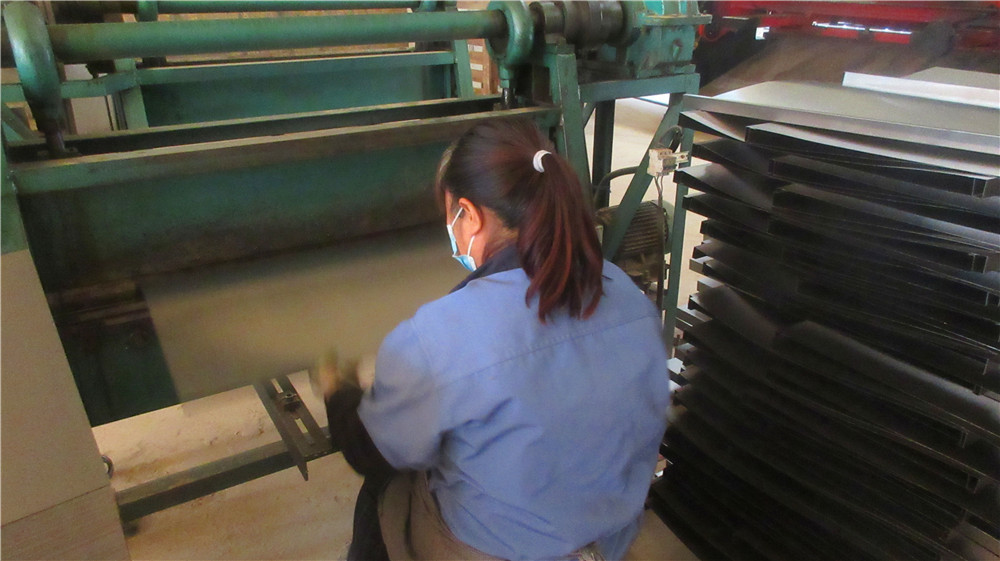
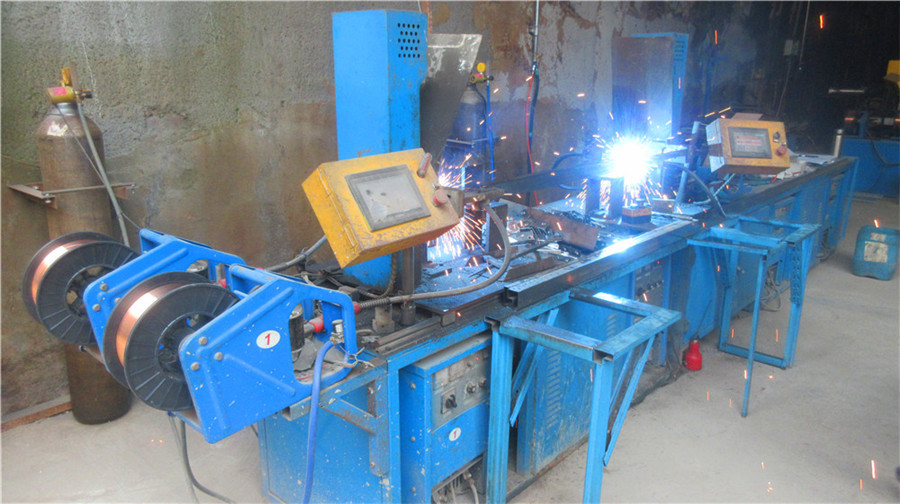
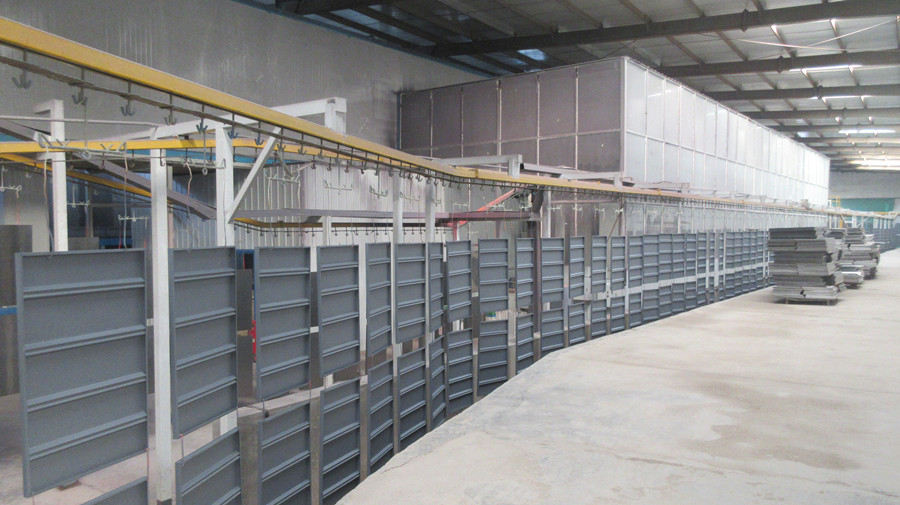
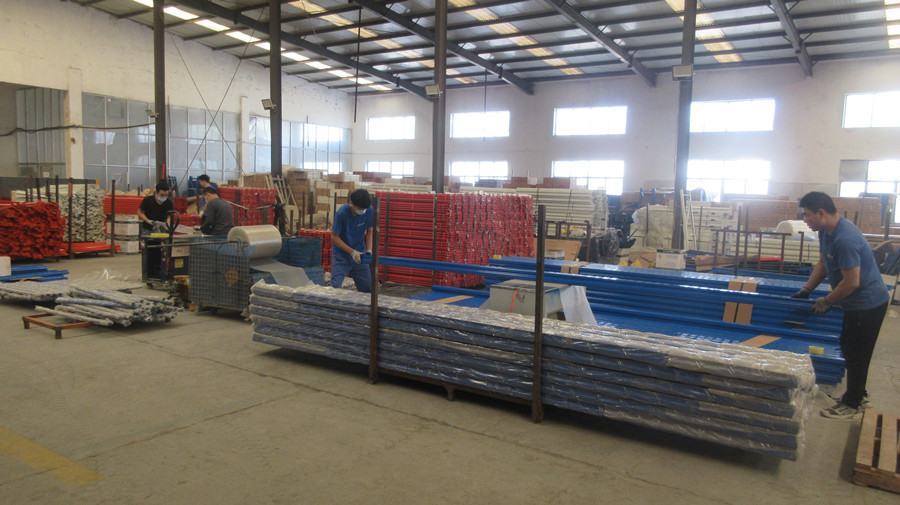
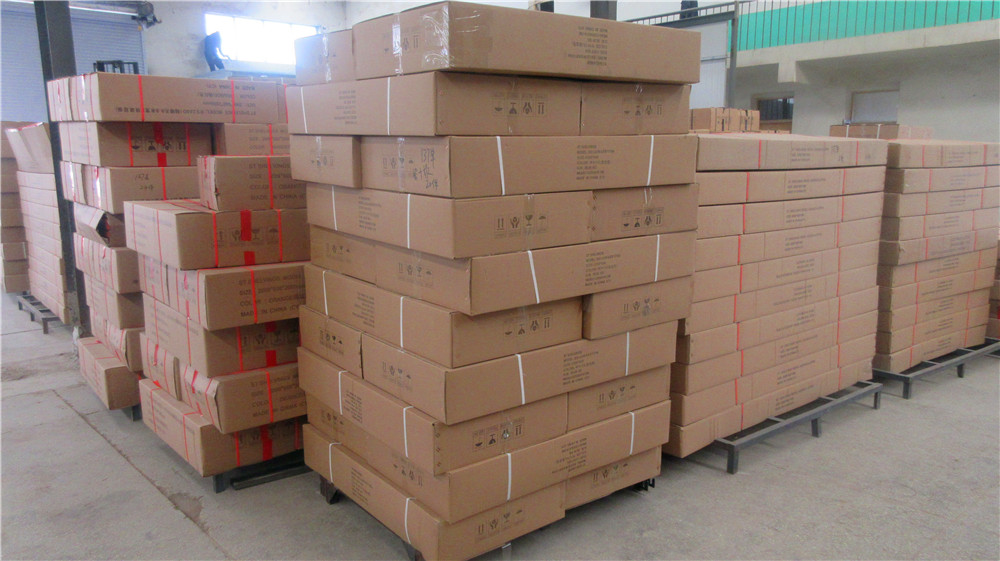
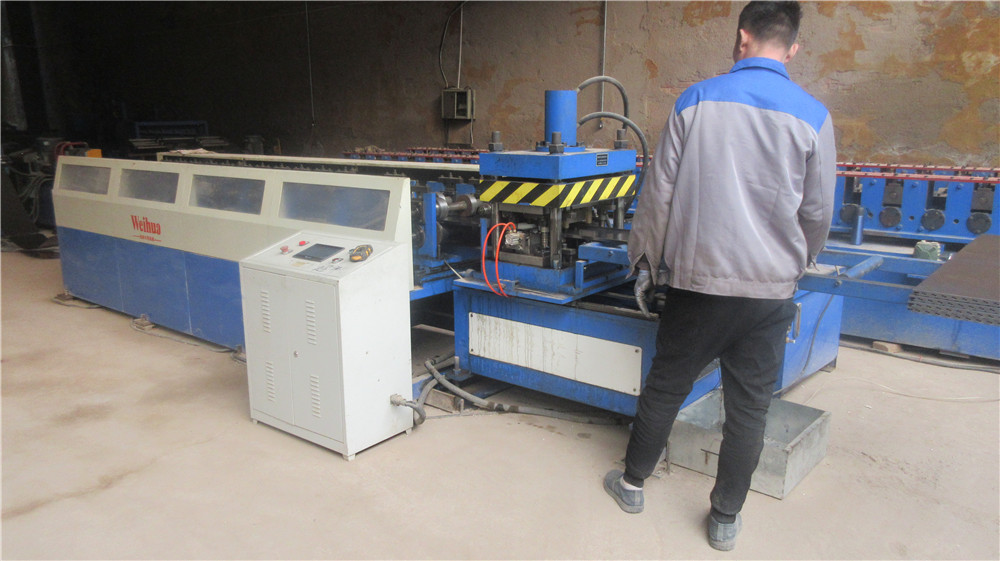
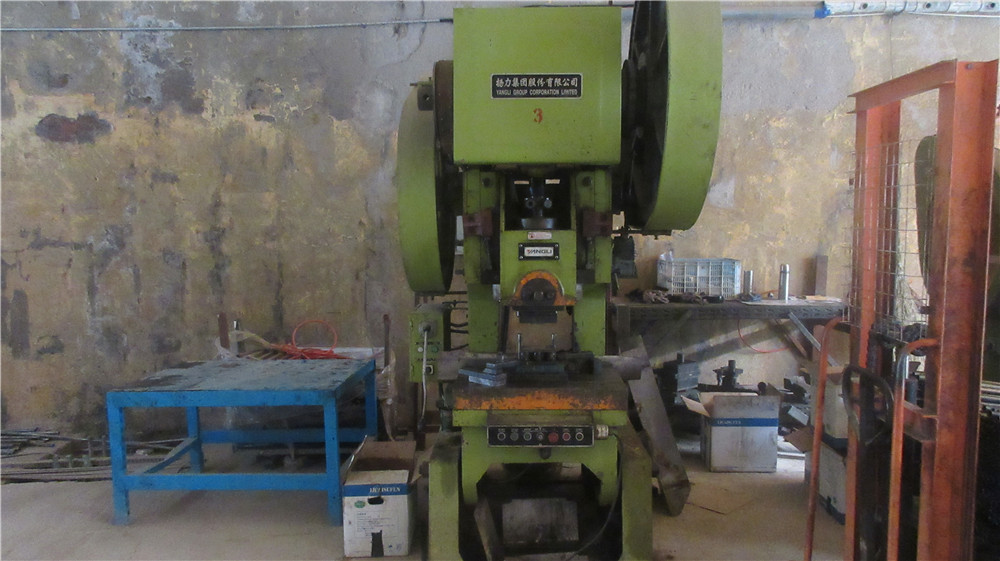
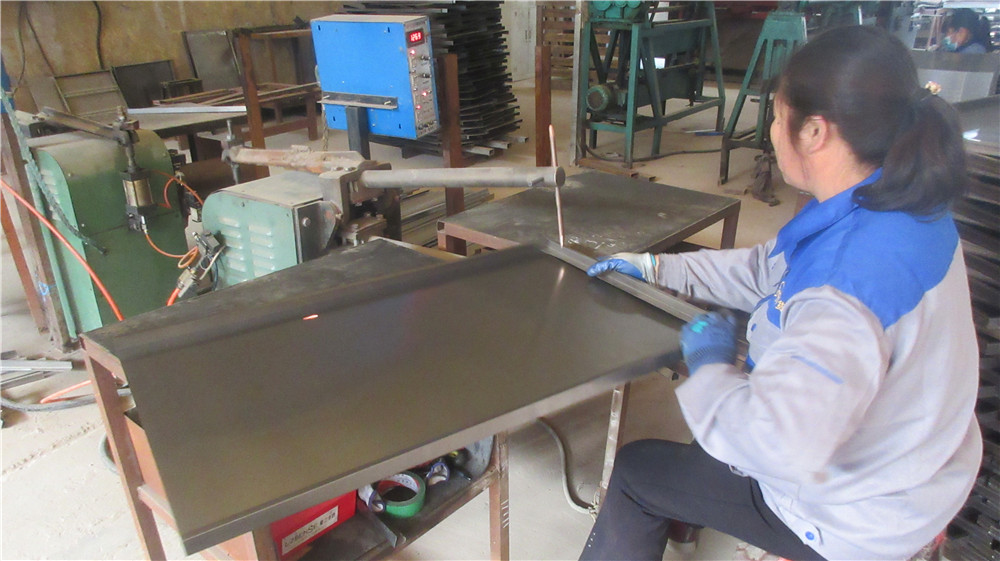
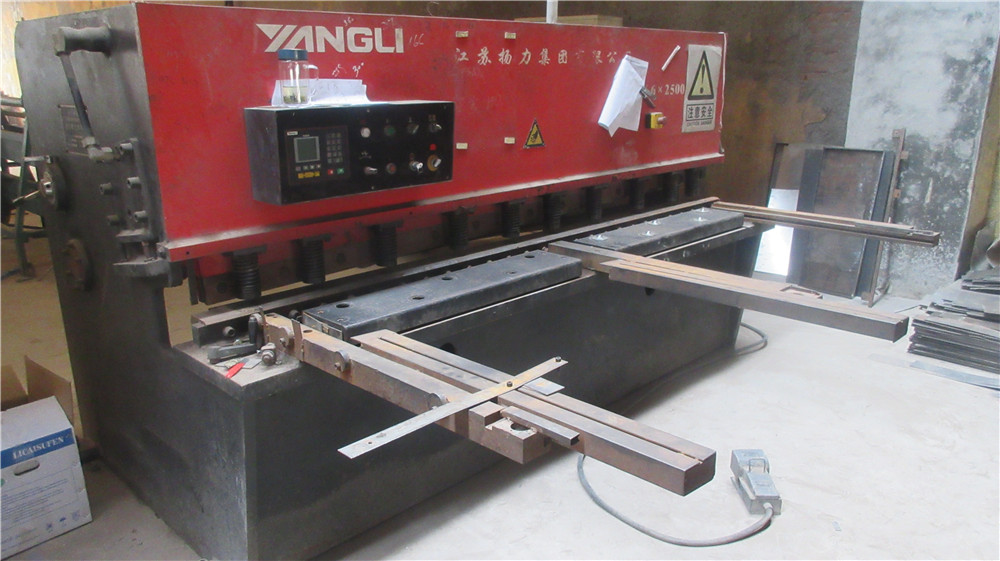
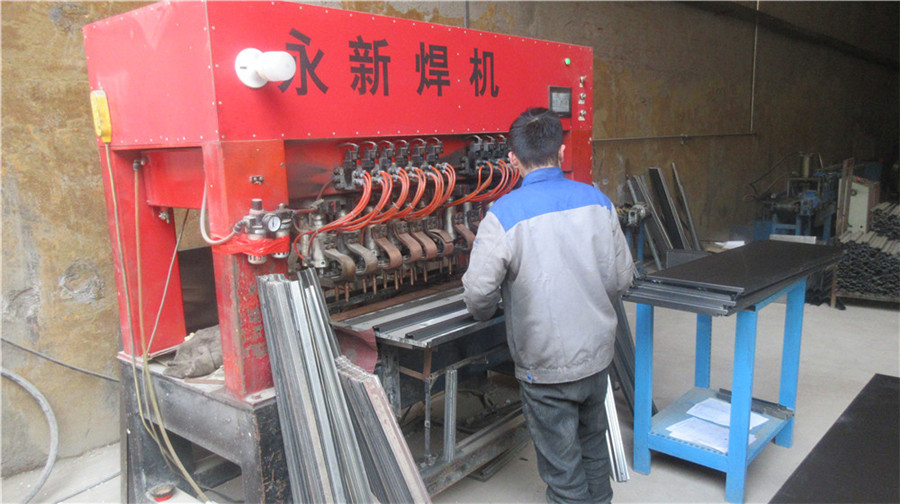
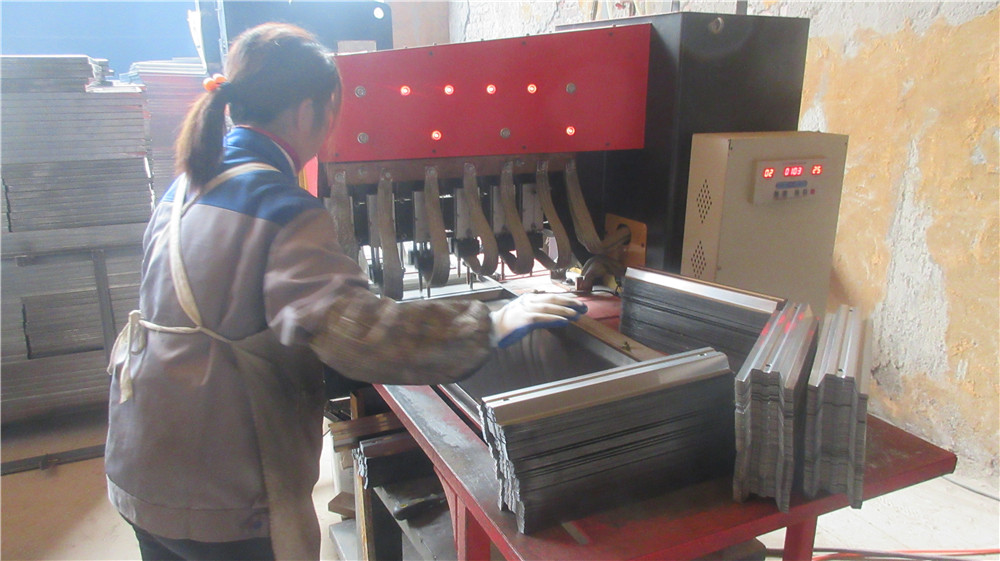
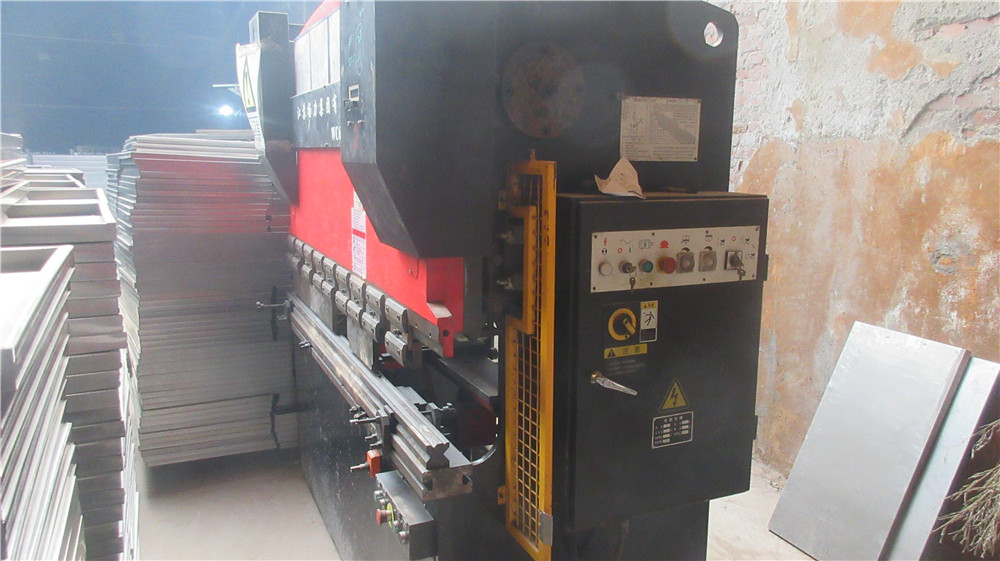
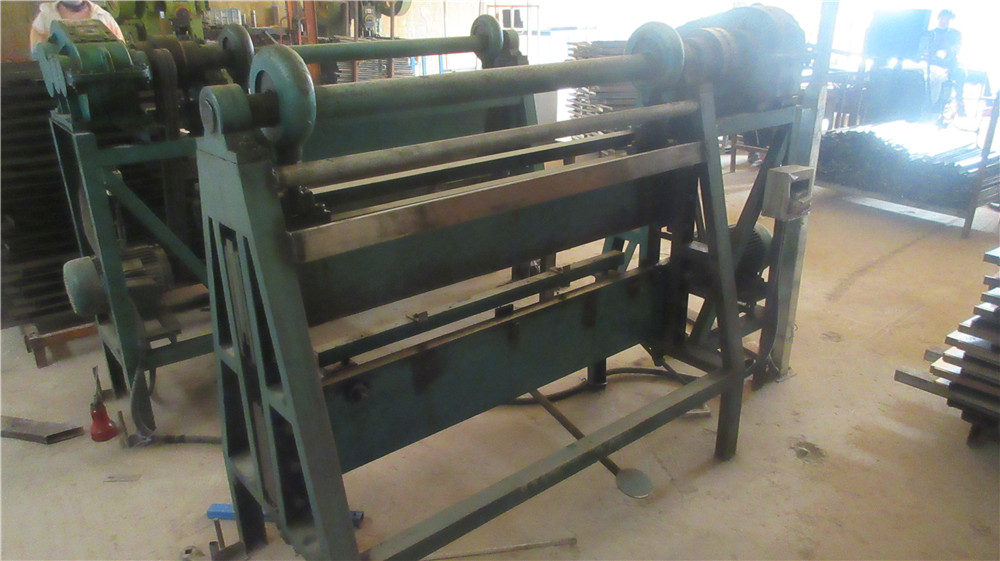
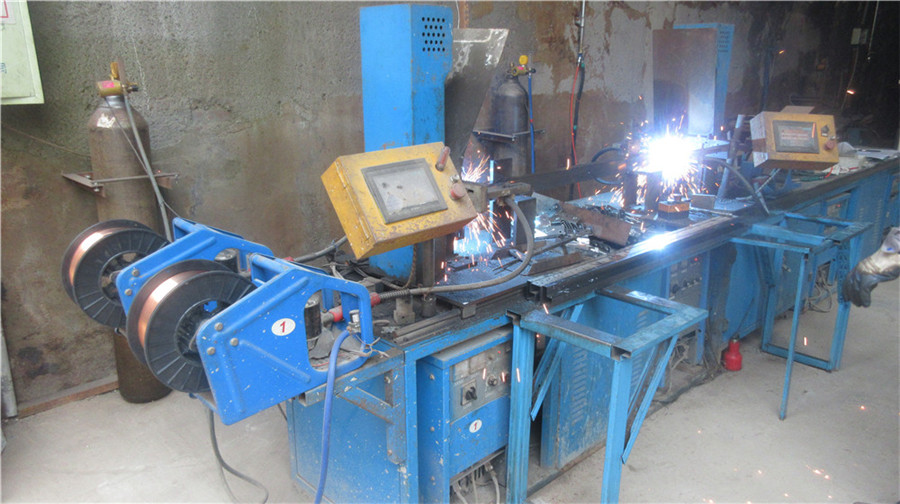
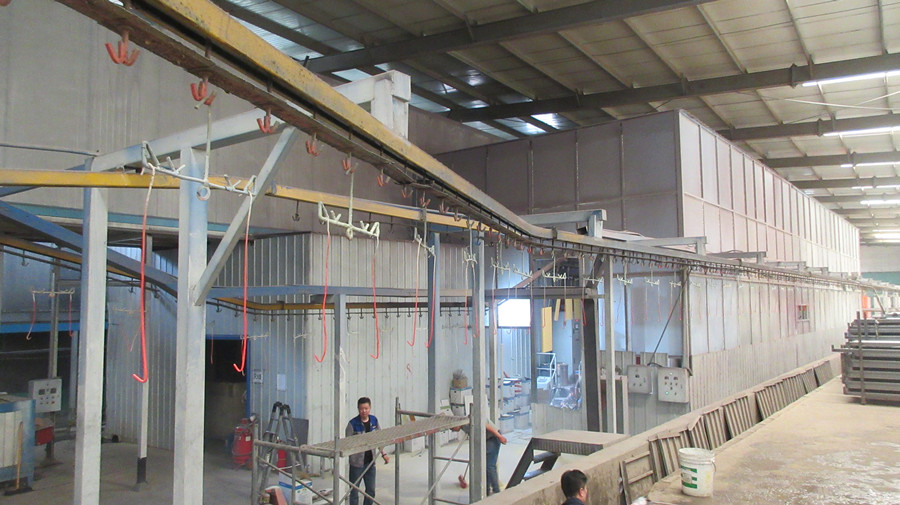
Operational risk mitigation guidelines for overseas enterprise deployments.
Installing drive-in pallet racking systems requires specialized alignment tolerances to prevent mechanical structural failure. Column verticality must be verified using precise optical plumb lines or industrial transits, maintaining deviation limits below 1/500 of the total rack height.
Shenzhen Chaoyu Goods Shelf Co., Ltd. provides comprehensive engineering packets including 3D design files, detailed installation drawings, dynamic layout charts, and certified load-capacity labels. Through partnerships in North America, Europe, and Australia, we support localized engineering validations, assisting clients in acquiring municipal storage safety permits.
Drive-in systems operate under severe dynamic loads, making forklift impacts a key failure risk. Our engineering solutions implement structural enhancements to mitigate these risks:
High-integrity racking systems require structured production processes. The diagram below details the technical steps executed within our facility to transform high-strength sheet steel into durable, finished racking systems:
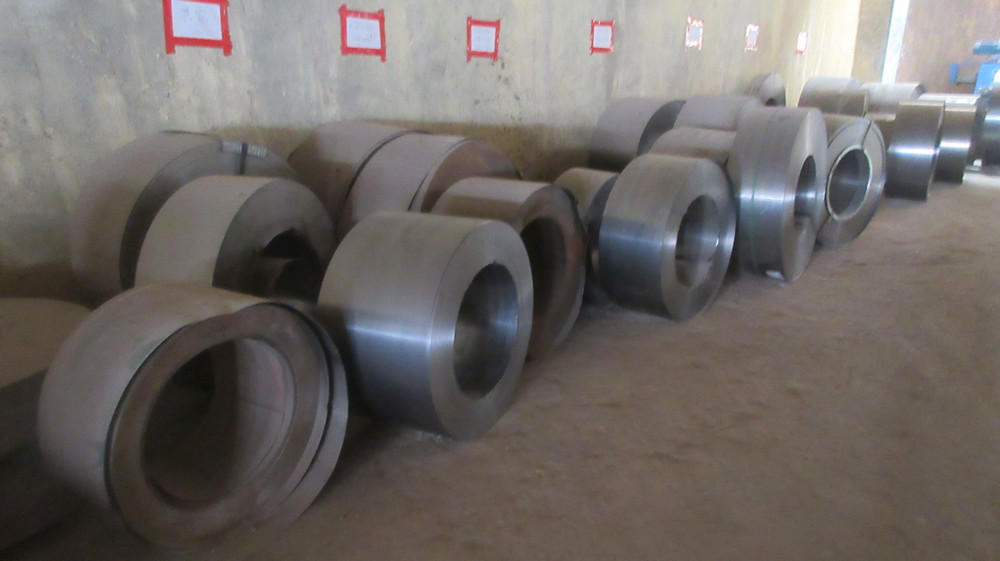
Q235B & Q355B certified structural carbon steel coils are sourced for chemical validation and tensile testing.
Uprights and rails undergo CNC-monitored cold roll forming and hole punching for profile consistency.
Automated robotic welders assemble arm connectors and beam hooks, ensuring deep weld penetration.
Components undergo multi-stage chemical pretreatment followed by dry powder baking and QC check.
Answers to common structural design and procurement questions from logistics managers.
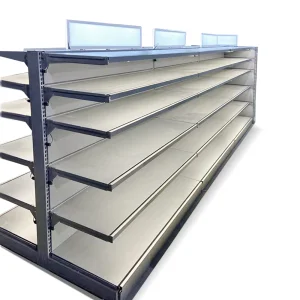
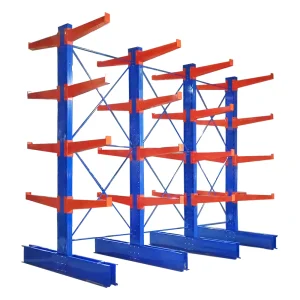
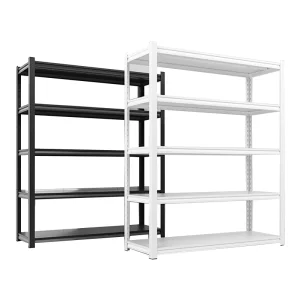
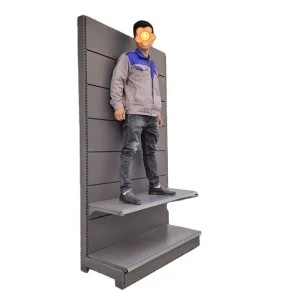
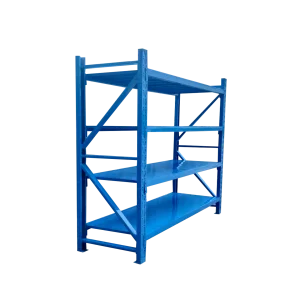
Explore our extended catalog of retail fixtures, warehouse shelving, and logistics equipment.
 Chaoyu Storage