Engineered for maximum structural integrity, optimized weight distribution, and durable anti-corrosion properties.
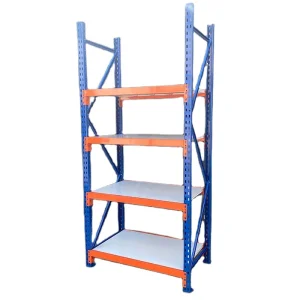
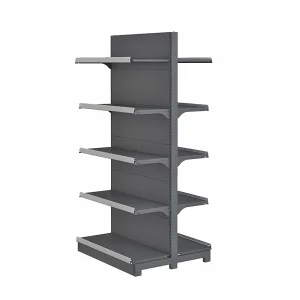
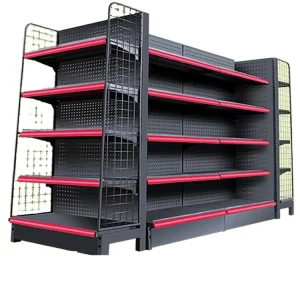
In the modern era of automated storage and high-throughput distribution centers, heavy-duty racking systems have evolved from passive, isolated iron structures into highly engineered, dynamic storage systems integrated within the overall warehouse architecture. With the exponential rise of global E-commerce, third-party logistics (3PL) service frameworks, and advanced manufacturing platforms, space optimization has transformed from a metric of cost savings to a critical differentiator of operational speed.
Key industry drivers, such as Automated Storage and Retrieval Systems (AS/RS), direct-to-consumer fulfillment models, and multi-tier mezzanine layouts, dictate structural designs with narrower tolerances, higher verticality, and safer live load capacities. Steel selection, weld precision, and powder-coating integrity are no longer simply manufacturing benchmarks—they are vital requirements for structural safety, system compatibility, and investment longevity.
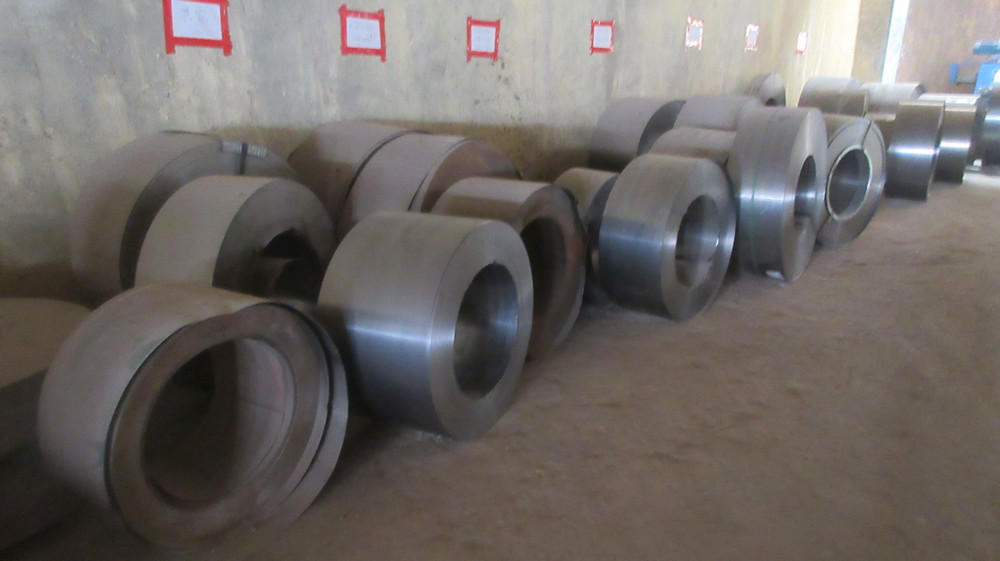
The physical resilience of any racking layout begins with raw steel chemistry. High-performance factories utilize premium steel grades like Q235B and Q355B (standardized carbon structural steel profiles equivalent to ASTM A36 and ASTM A572 Grade 50). Q355B steel, with its higher yield strength (355 MPa), is specifically implemented in upright frames and load-bearing beams designed for critical vertical stacks, preventing dynamic shear and static deflection under extreme loads.
Design Insight: Deflection safety limits are governed by the strict L/200 code (or L/300 for sensitive electronics/machinery), where beam deflection under full rated load must not exceed the span length divided by 200/300. Advanced manufacturers utilize computer-aided finite element analysis (FEA) to simulate worst-case earthquake, overload, and lift-truck collision scenarios before commencing roll-forming.
Procurement teams must ensure that their prospective factory suppliers design in strict alignment with regional engineering specifications. The main codes include:
Combining 11 years of structural steel expertise with advanced manufacturing processes to deliver high-capacity industrial shelving systems.
Founded in 2015, Shenzhen Chaoyu Goods Shelf Co., Ltd. is a premier manufacturer specializing in heavy-duty industrial storage racks, pallet racking systems, and customized warehouse logistics solutions. Operating from a modern 32,000 m² facility, we combine advanced manufacturing technology with rigorous quality control to deliver durable, scalable, and space-optimizing storage products to clients worldwide.
With over 11 years of industry expertise and 8 years of international export experience, Chaoyu generates an annual export revenue exceeding $18 million USD. Our primary markets span North America, Europe, Southeast Asia, and the Middle East, serving high-volume client segments including logistics distribution centers, industrial manufacturing hubs, third-party logistics (3PL) providers, and major retail chains. Supported by a robust network of more than 850 trusted supply chain partners, we ensure high-standard raw material sourcing and on-time delivery across all international projects.
Quality assurance is integral to our operations. Our dedicated team of 35 QC specialists conducts strict multi-stage quality inspections, including incoming steel spectrum analysis, automated weld defect detection, powder coating thickness tests, and real-time load capacity simulation testing to guarantee full structural safety and compliance.
Innovation drives our competitive edge. Powered by an experienced R&D team of 18 engineers, Chaoyu released over 120 new storage designs and customized racking solutions last year alone. We offer fully versatile OEM and ODM customization options, including dynamic layout planning, load-bearing specification tailoring, custom powder-coating colors, and anti-corrosion surface treatments. Whether executing complete automated warehouse installations or custom heavy-duty unit racks, Shenzhen Chaoyu Goods Shelf Co., Ltd. delivers high-performance storage solutions tailored to every client's operational workflow.
Trace each stage of fabrication, from premium raw carbon steel coils to high-precision roll-formed rack components.
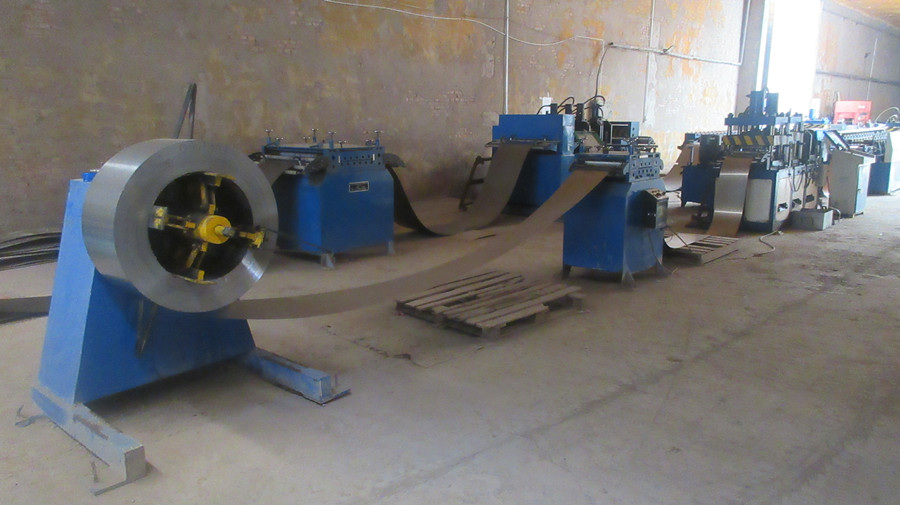
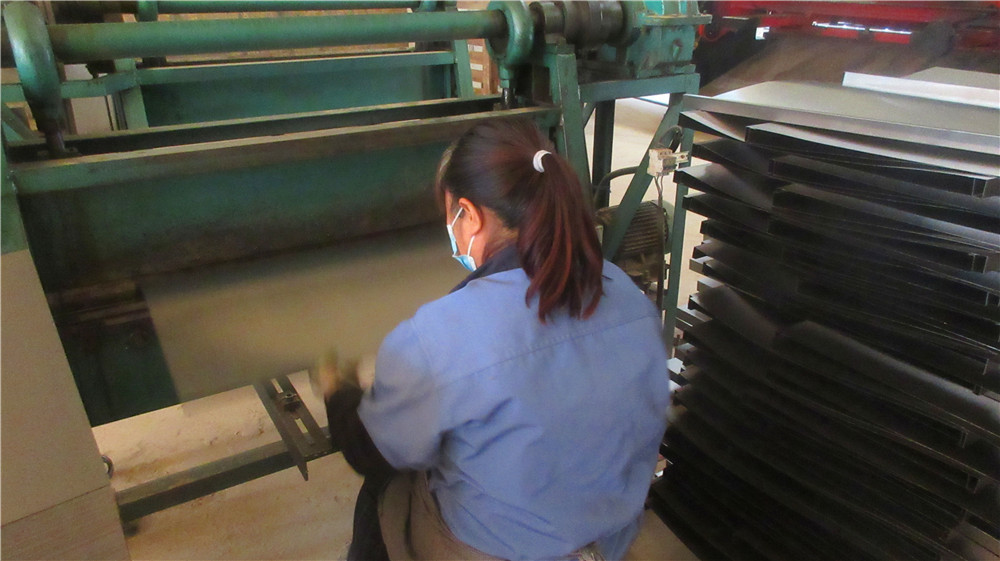
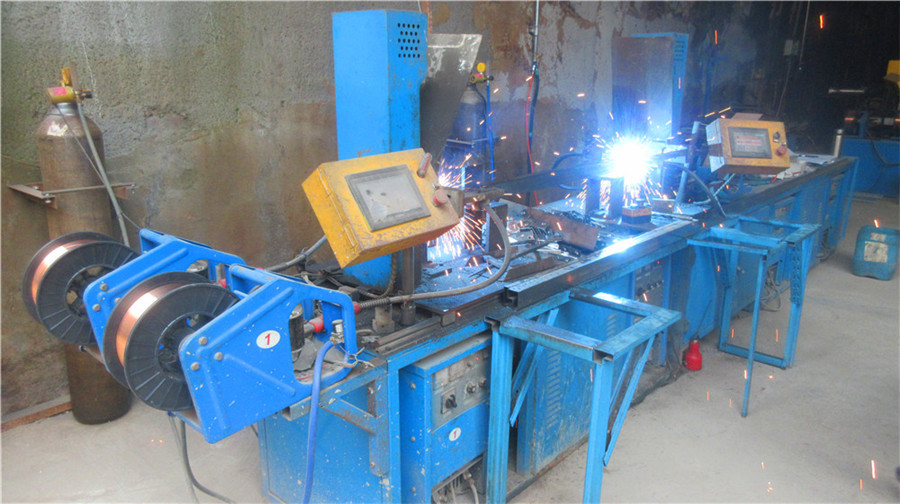
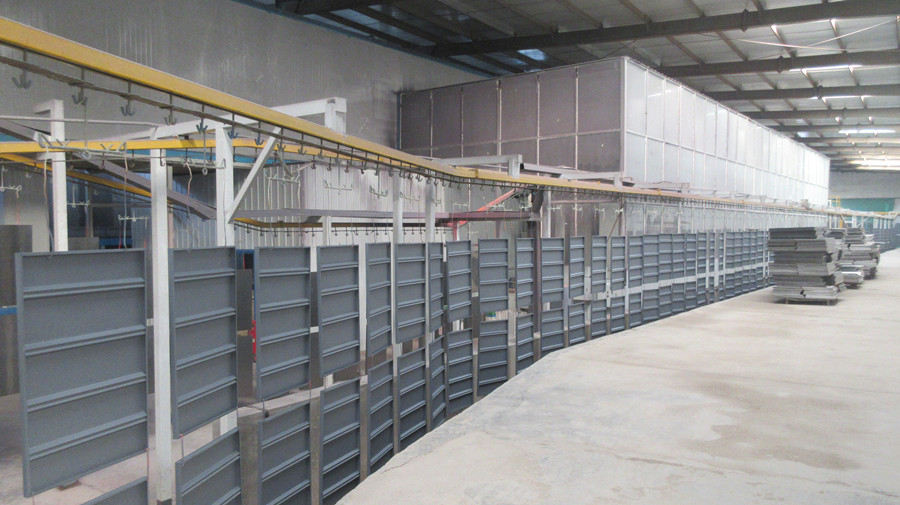
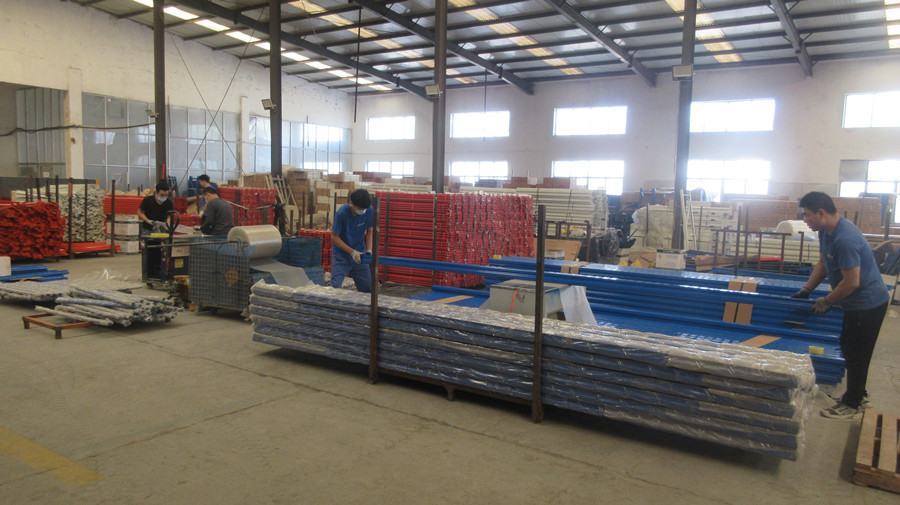
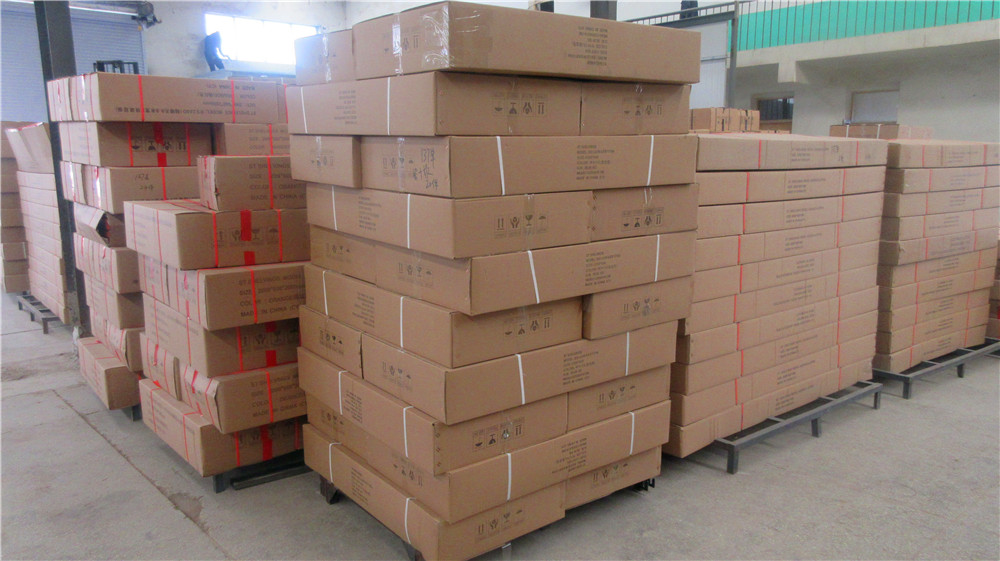
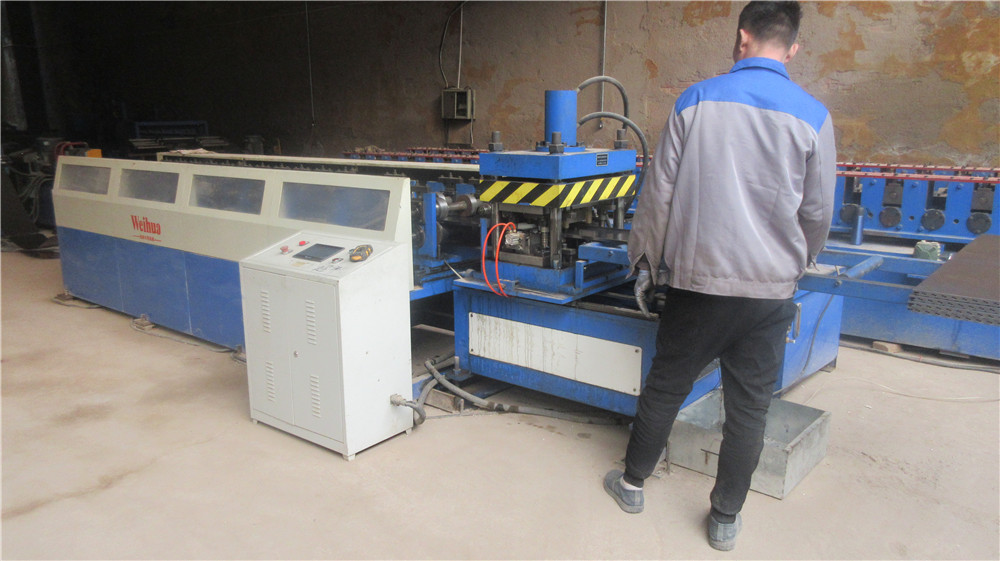
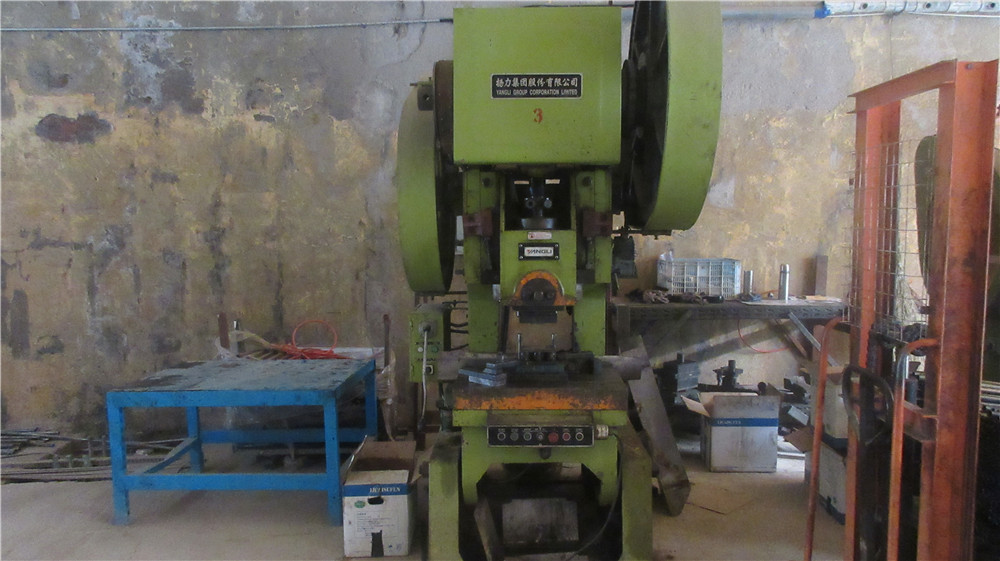
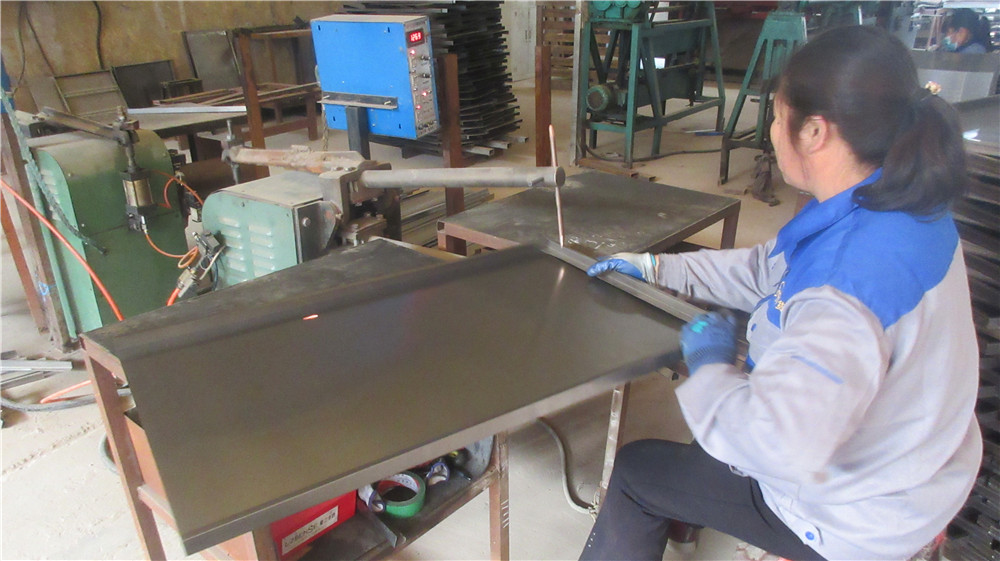
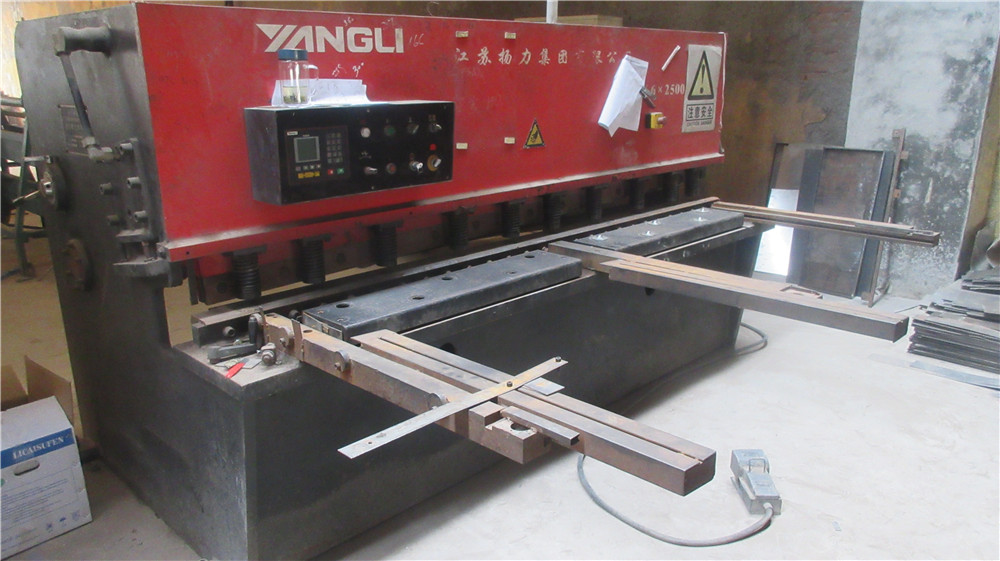
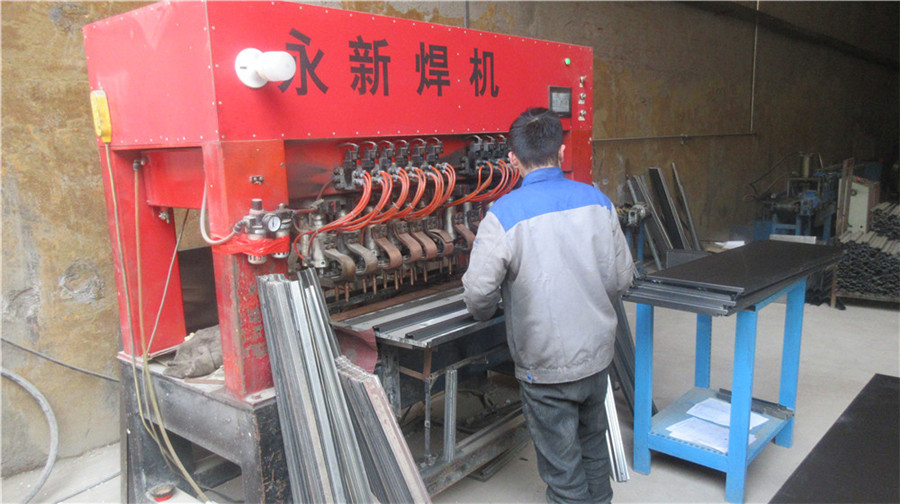
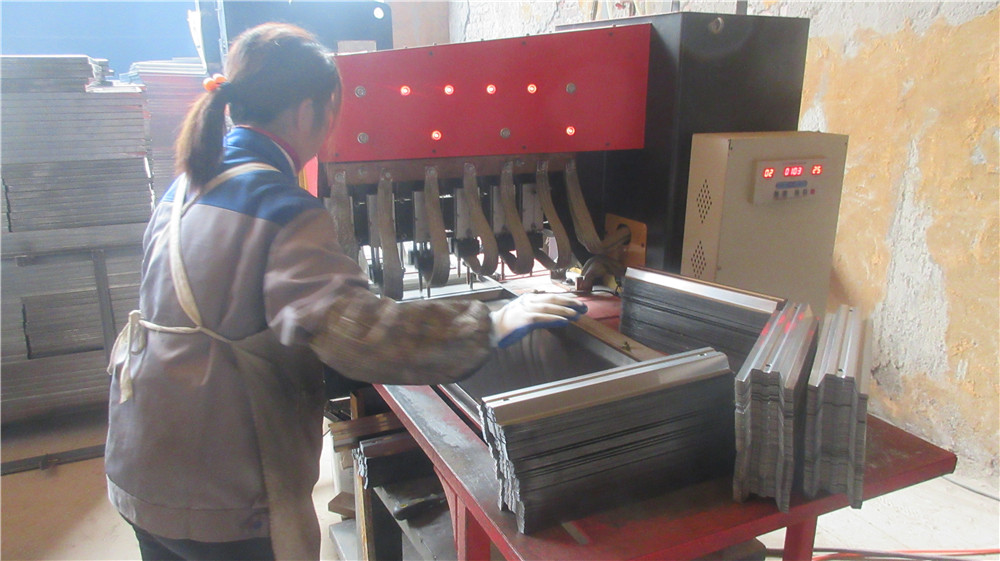
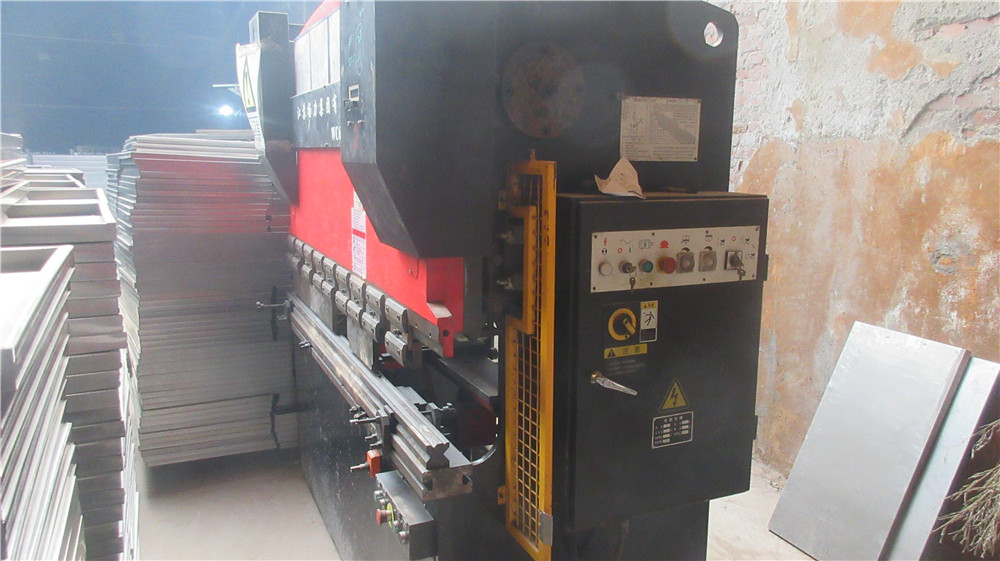
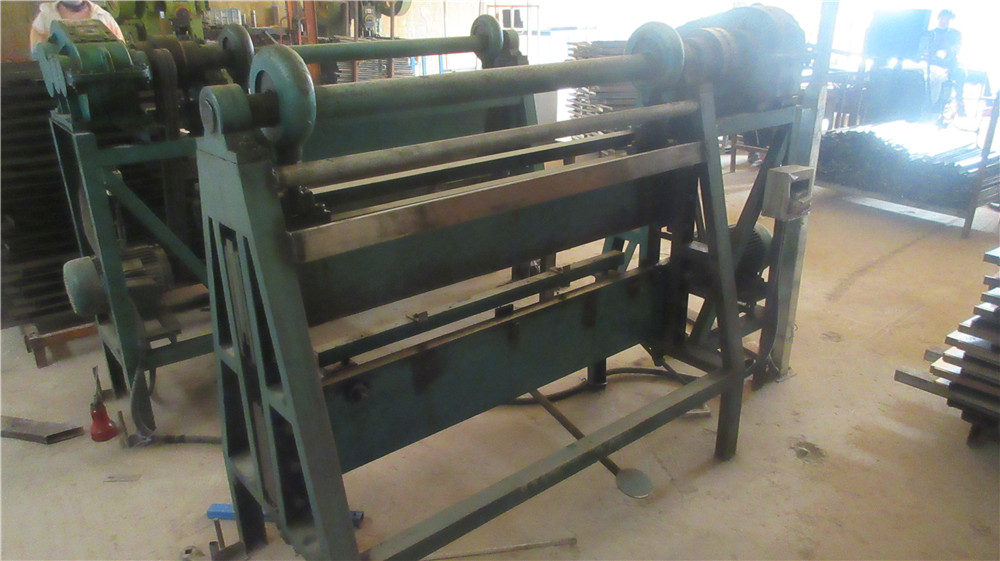
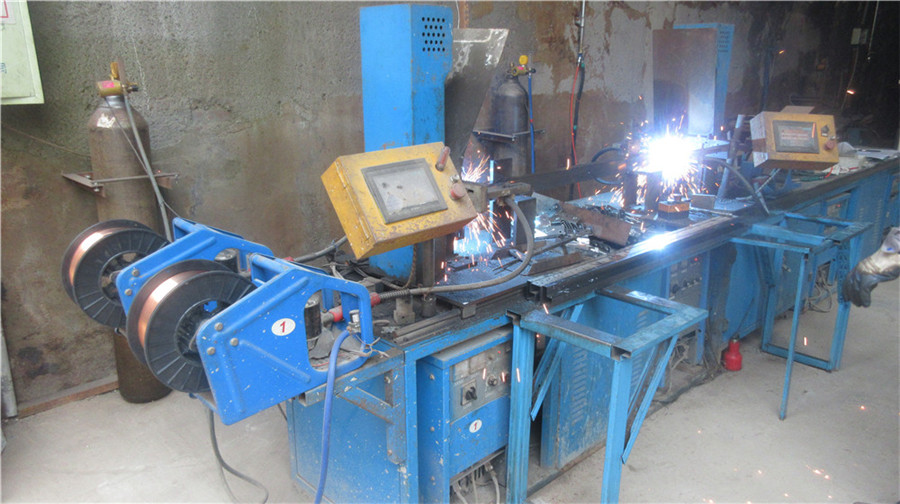
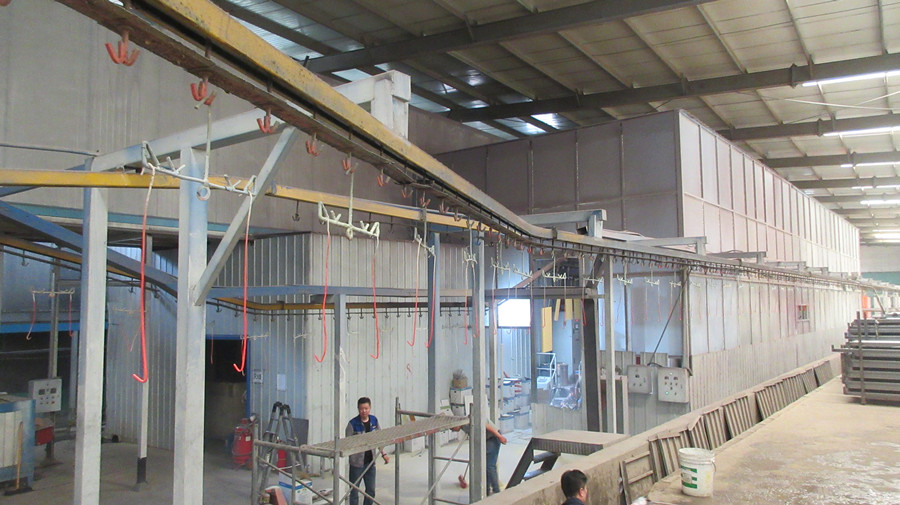
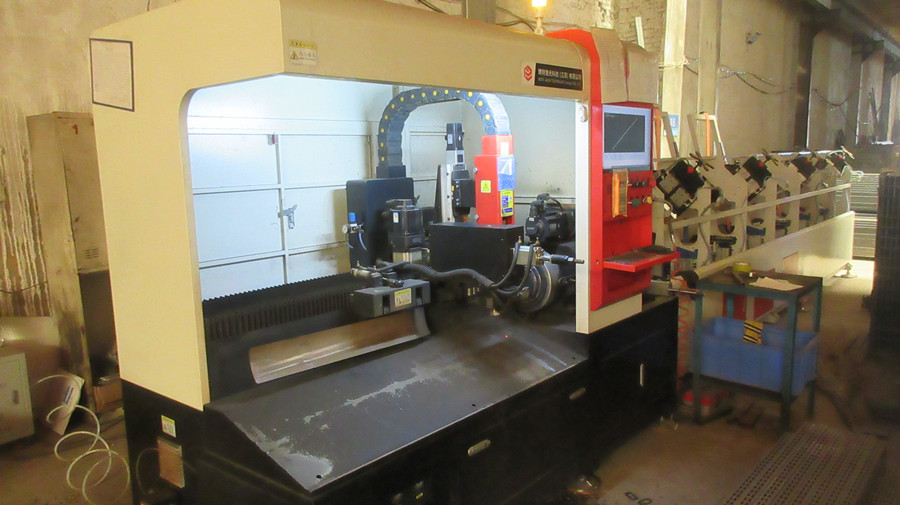
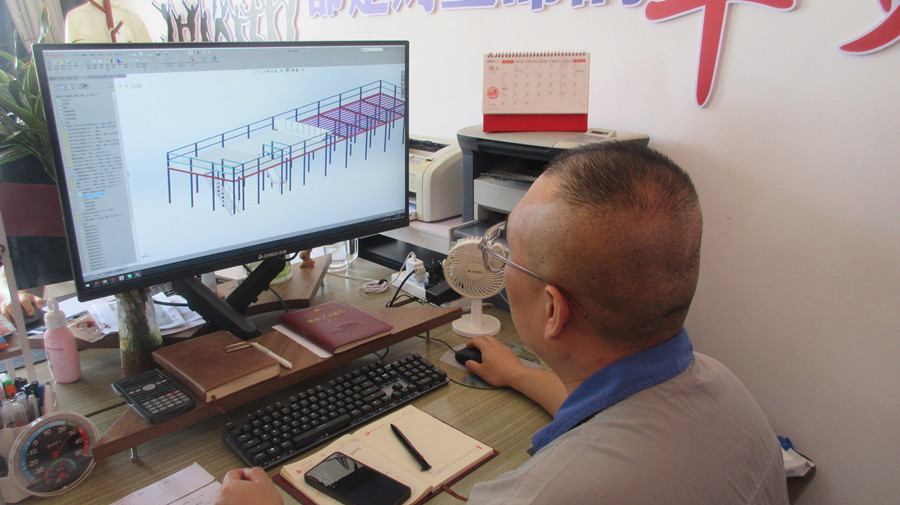
Selecting the correct structural configuration is vital. System failure or dynamic buckling can disrupt supply chain networks. Heavy-duty engineering balances static calculations with load profiles. The checklist below outlines essential specifications for global industrial applications.
| Racking Concept | Common Materials | Load Capacity (per level) | Ideal Verticals | Corrosion Defense |
|---|---|---|---|---|
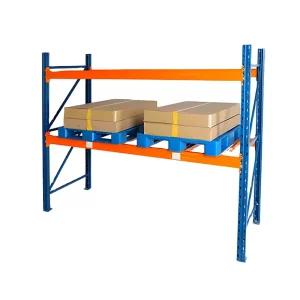
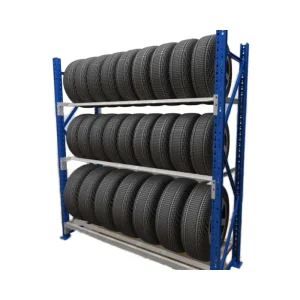
| Heavy Pallet Racking | Q235B / Q355B Hot & Cold Rolled | 1000 kg – 4000 kg | Bulk Logistics, 3PL Warehouses | Electrostatic Powder (60-80μm) |
| Cantilever Racking | High-Strength Structural Channel | 800 kg – 2500 kg (per arm) | Pipes, Lumber, Steel Sheets | Hot-Dip Galvanized (Outdoor) |
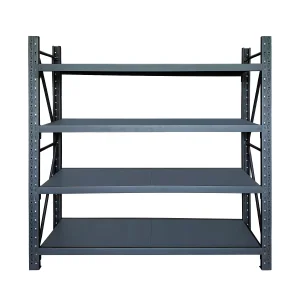
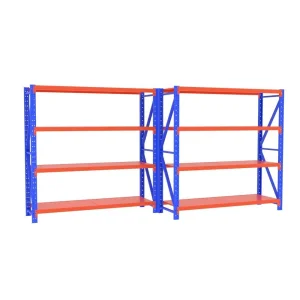
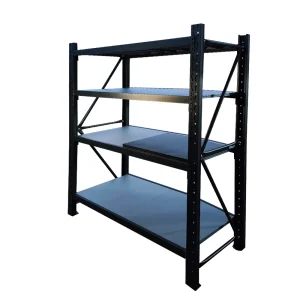
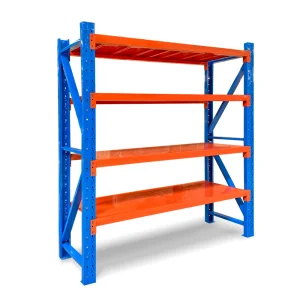
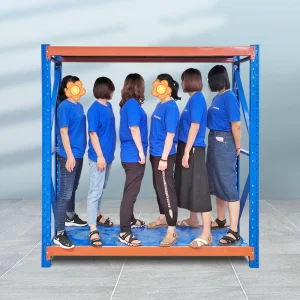
| Medium Duty Shelving | Cold Rolled Sheet Steel SPCC | 200 kg – 800 kg | Automotive, E-Com Pick Parts | Powder Coating / Galvanized |
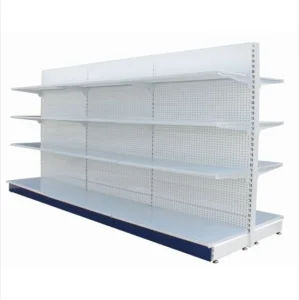
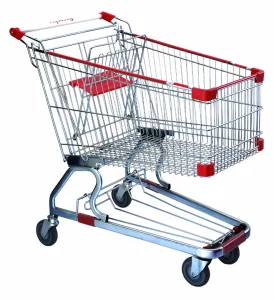
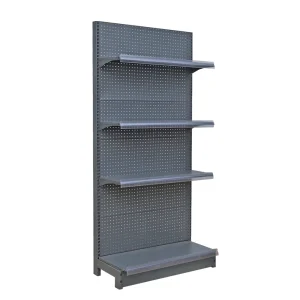
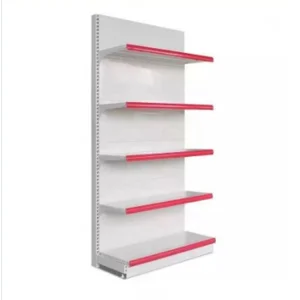
| Gondola Retail Systems | High-Grade Solid Steel | 50 kg – 150 kg | Supermarket, Retail Showrooms | AkzoNobel Non-toxic Powders |
When assessing factory bids, structural engineering details often reveal the true quality of the manufacturer:
Procuring industrial equipment from international suppliers involves complex requirements. Sourcing managers must evaluate more than just price per kilogram. Key factors for a successful procurement cycle include:
Collaborate with engineers who provide detailed 3D CAD mockups and load calculations. These are essential for obtaining building permits and ensuring local warehouse safety compliance.
Ensure suppliers provide Mill Test Certificates (MTC) matching chemical and physical properties (carbon, manganese, silicon content) to verified structural steel standards.
Confirm packing methods protect finish treatments during sea freight. Uprights should be packed on heavy skids, and small components boxed to prevent moisture damage.
Answers to common structural design and procurement questions for heavy-duty storage projects.
Heavy-duty configurations designed to maximize storage density and streamline handling workflows.
 Chaoyu Storage