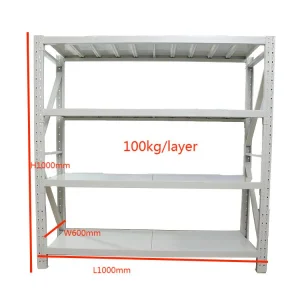
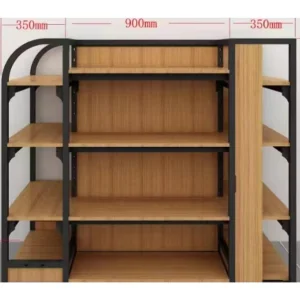
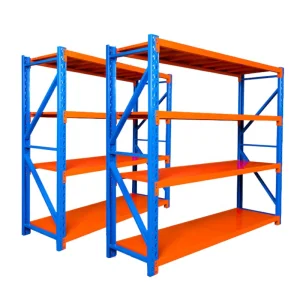
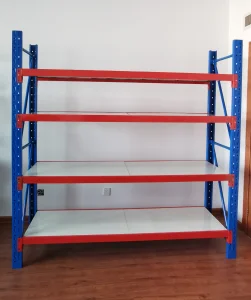
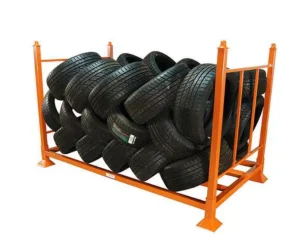
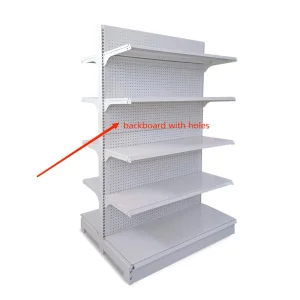
Explore our foundational range of heavy-duty display racks, warehouse shelving, and industrial logistics systems deployed globally.
Analyzing the transition from static warehousing to gravity-fed dynamic storage solutions in global supply chains.
In the contemporary globalized logistics market, rapid order fulfillment and optimal utilization of warehouse footprints are paramount. The traditional selective pallet rack, while highly accessible, is increasingly falling short of operational KPIs in facilities handling high-throughput, perishable, or high-volume goods. This structural shift has accelerated the adoption of Pallet Flow Storage Systems—often recognized as gravity-fed flow racking.
Operating under the First-In, First-Out (FIFO) warehousing principle, pallet flow systems utilize dynamic sloped tracks integrated with roller wheels, speed controllers, and separation mechanisms. When a pallet is placed on the loading side, gravity smoothly drives it forward to the opposite unloading face. This methodology effectively eliminates forklift travel paths within the racking system, consolidating multiple aisles into a single dense block.
Industrial facility rent inflation in major markets such as North America, Western Europe, and parts of the Asia-Pacific region has pushed operating companies to secure higher storage volumes per square meter. By utilizing up to 85% of warehouse volume, pallet flow layouts save approximately 50% of floor space compared to selective racking setups. Concurrently, labor expenses associated with materials handling equipment (MHE) have led engineers to design layouts that minimize forklift movement cycles.
Engineered for structural reliability and high performance under rigorous warehouse conditions.
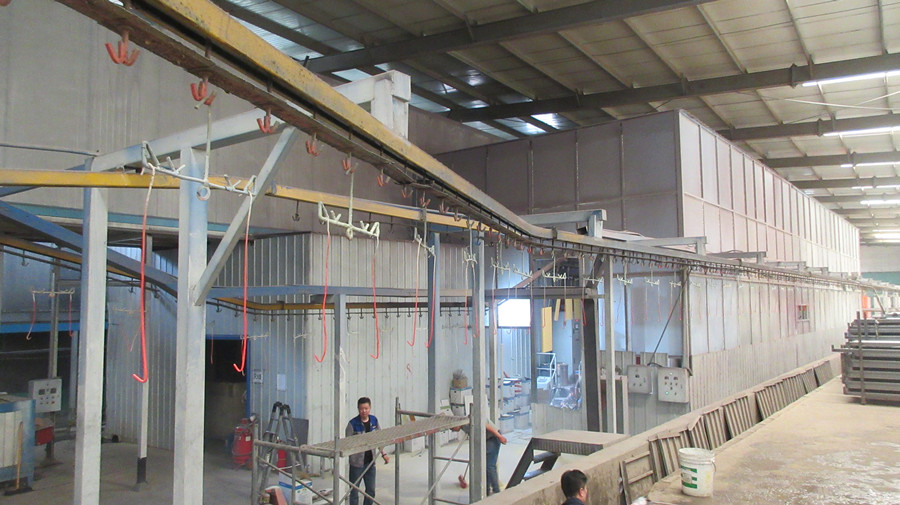
Founded in 2015, Shenzhen Chaoyu Goods Shelf Co., Ltd. is a premier manufacturer specializing in heavy-duty industrial storage racks, pallet racking systems, and customized warehouse logistics solutions. Operating from a modern 32,000 m² facility, we combine advanced manufacturing technology with rigorous quality control to deliver durable, scalable, and space-optimizing storage products to clients worldwide.
With over 11 years of industry expertise and 8 years of international export experience, Chaoyu generates an annual export revenue exceeding $18 million USD. Our primary markets span North America, Europe, Southeast Asia, and the Middle East, serving high-volume client segments including logistics distribution centers, industrial manufacturing hubs, third-party logistics (3PL) providers, and major retail chains. Supported by a robust network of more than 850 trusted supply chain partners, we ensure high-standard raw material sourcing and on-time delivery across all international projects.
Quality assurance is integral to our operations. Our dedicated team of 35 QC specialists conducts strict multi-stage quality inspections, including incoming steel spectrum analysis, automated weld defect detection, powder coating thickness tests, and real-time load capacity simulation testing to guarantee full structural safety and compliance.
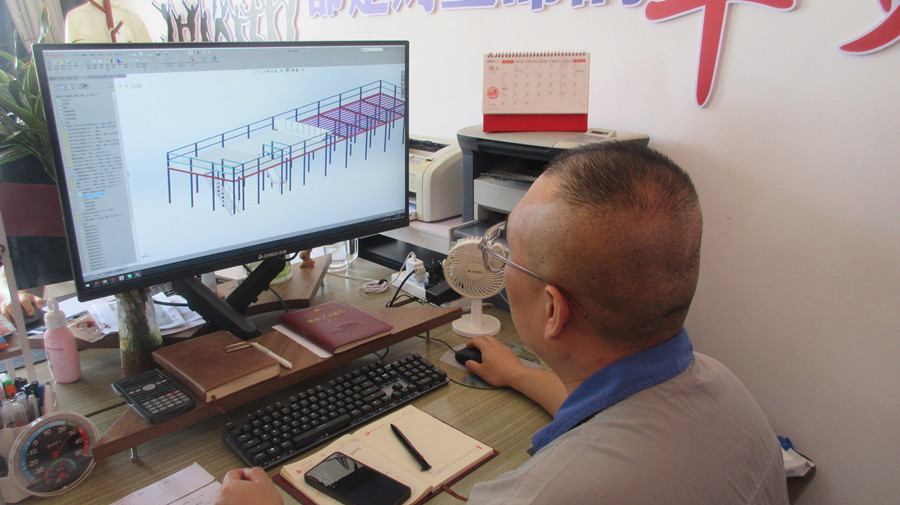
Innovation drives our competitive edge. Powered by an experienced R&D team of 18 engineers, Chaoyu released over 120 new storage designs and customized racking solutions last year alone. We offer fully versatile OEM and ODM customization options, including dynamic layout planning, load-bearing specification tailoring, custom powder-coating colors, and anti-corrosion surface treatments. Whether executing complete automated warehouse installations or custom heavy-duty unit racks, Shenzhen Chaoyu Goods Shelf Co., Ltd. delivers high-performance storage solutions tailored to every client's operational workflow.
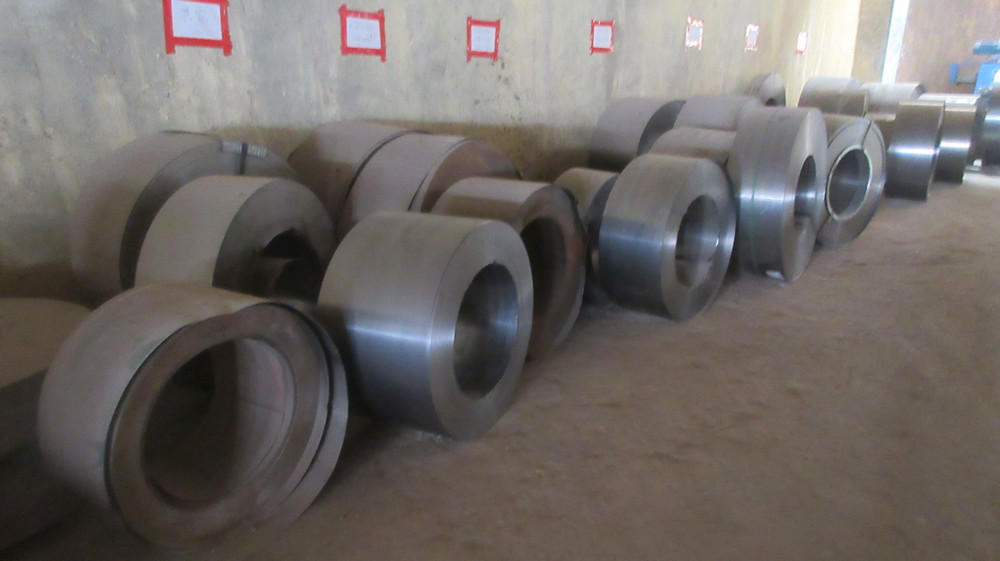
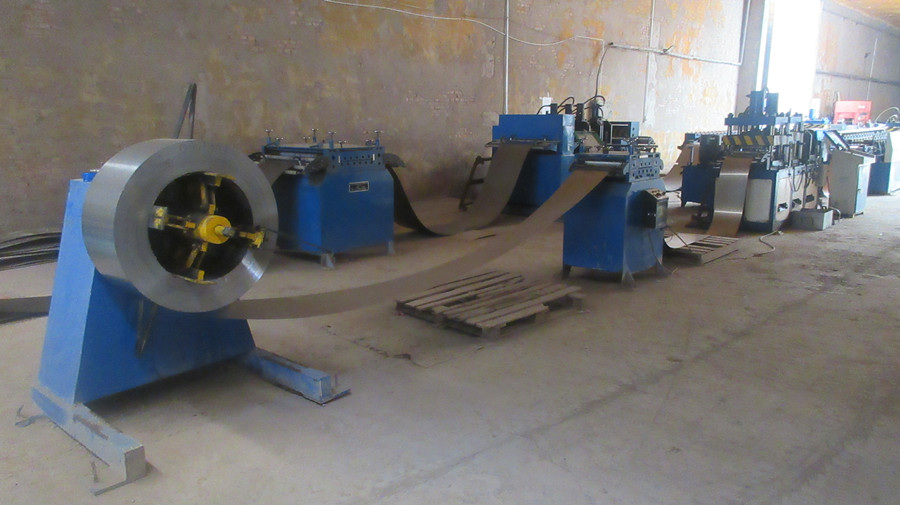
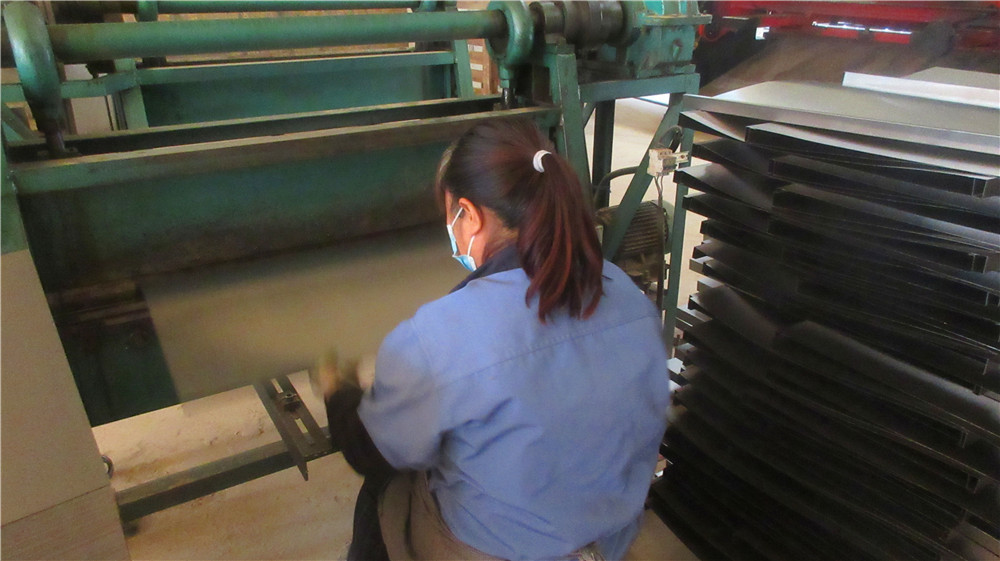
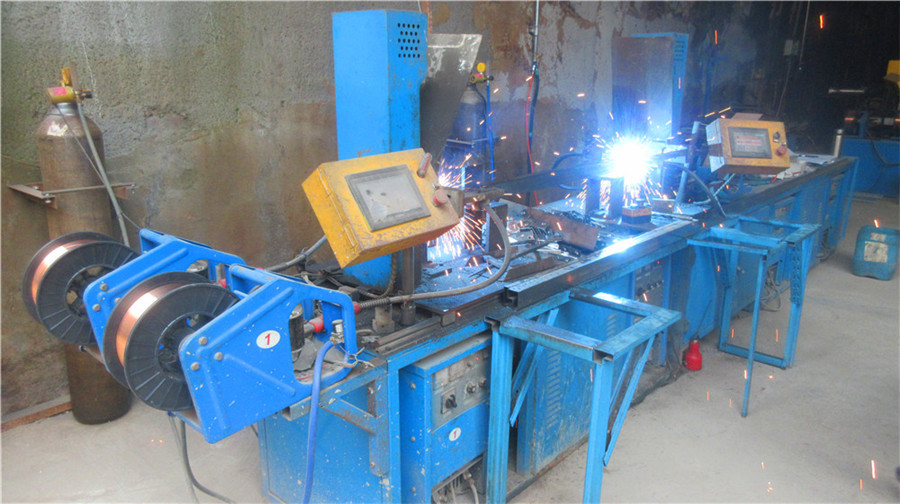
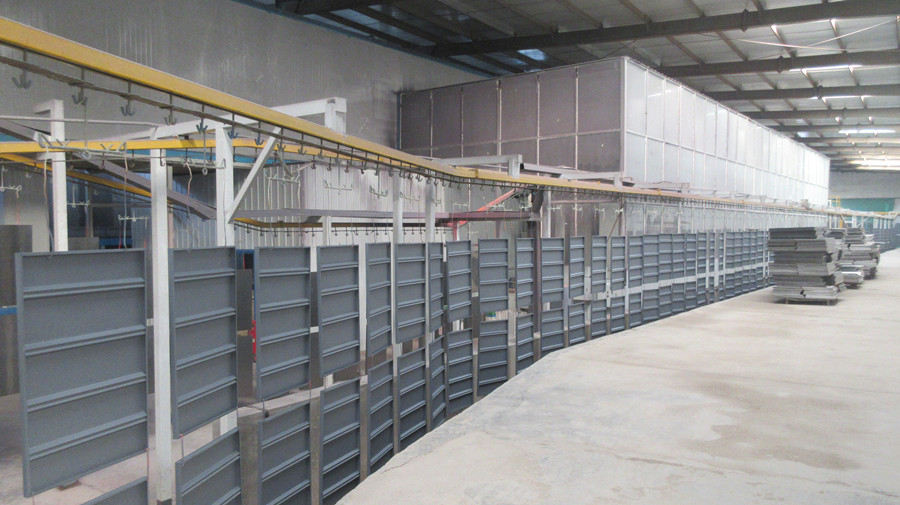
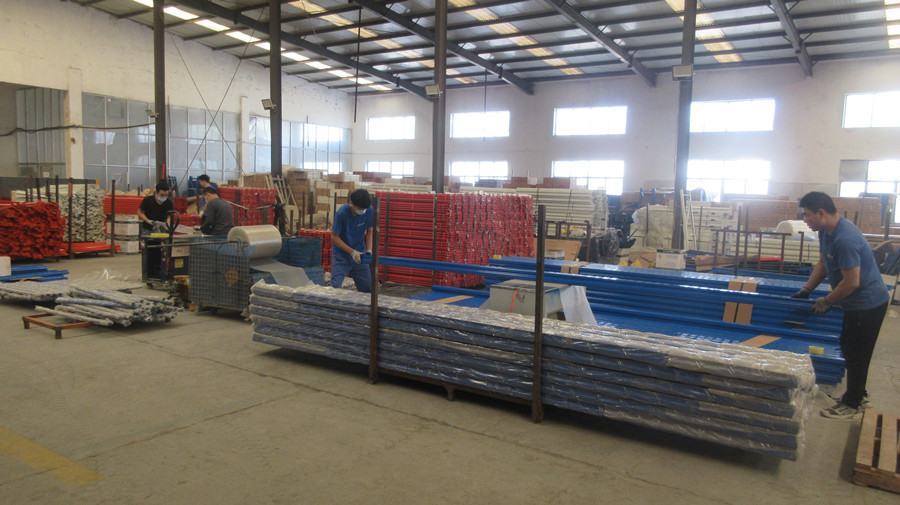
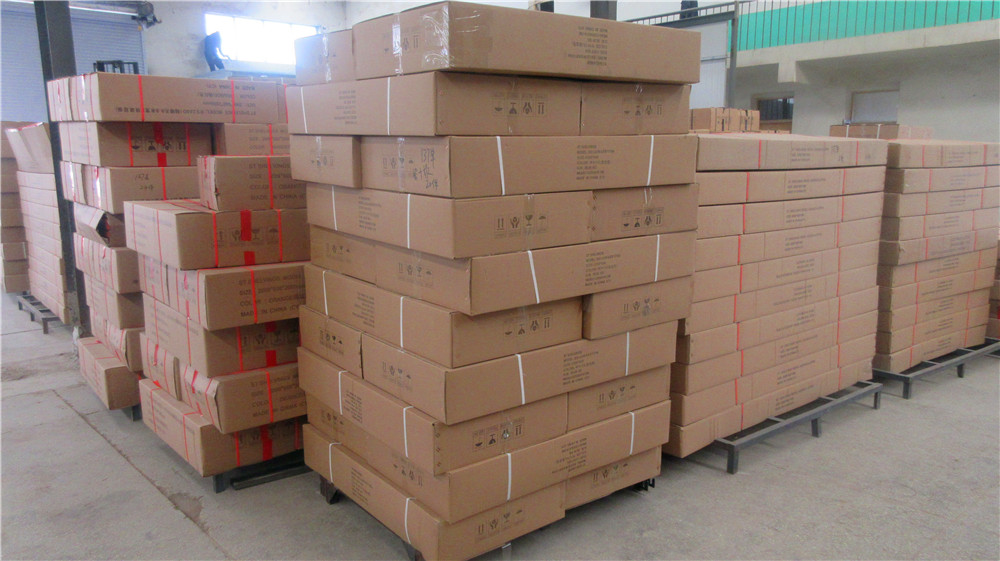
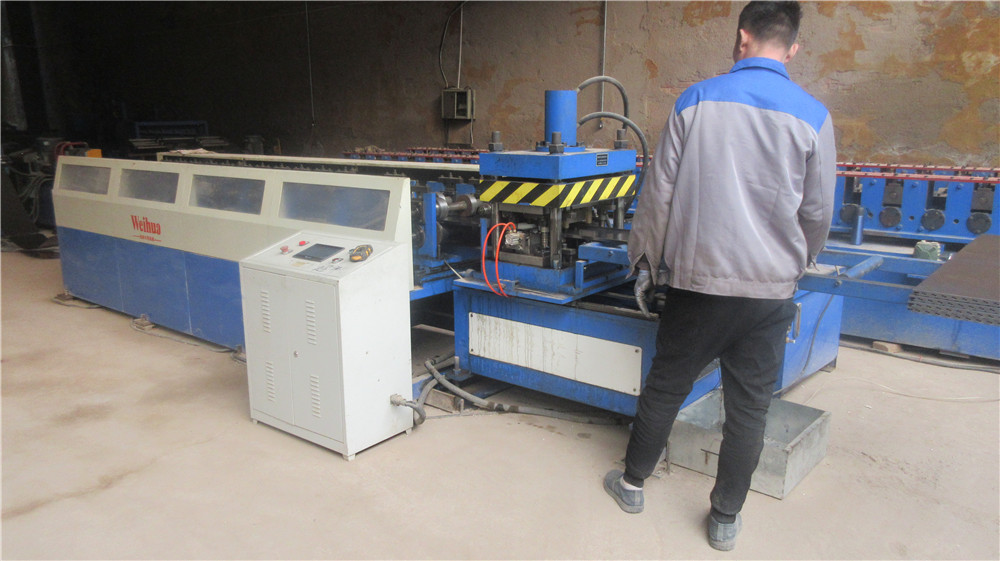
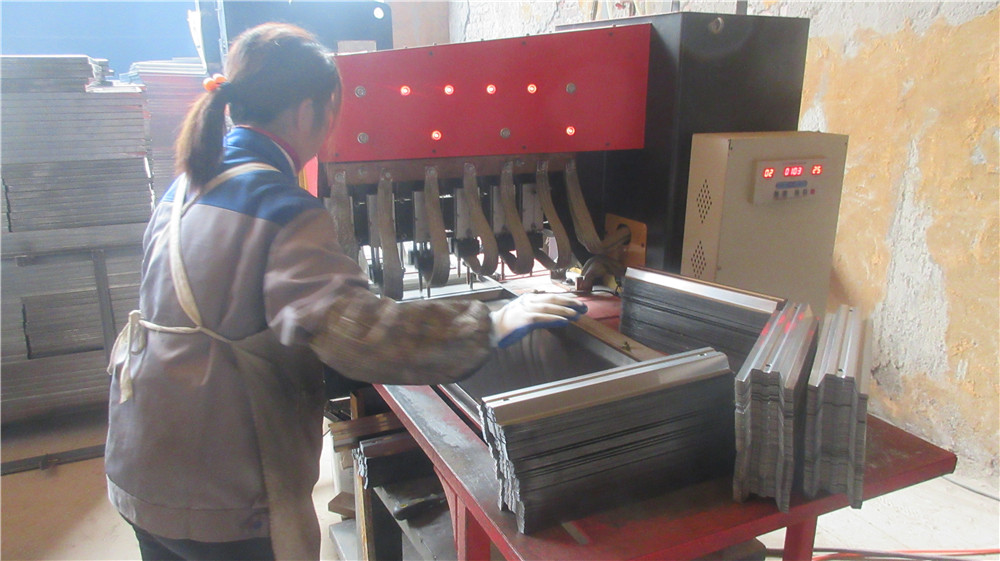
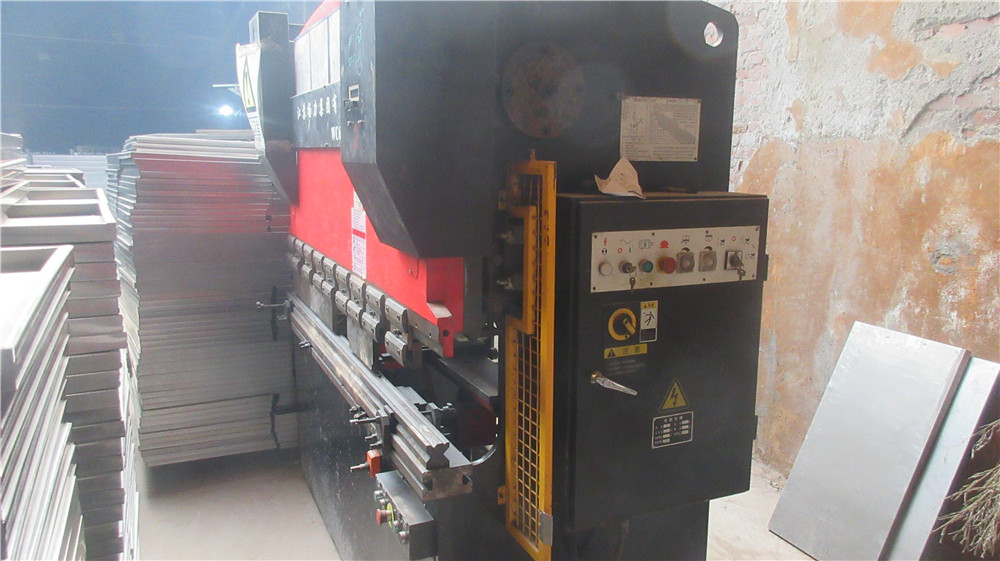
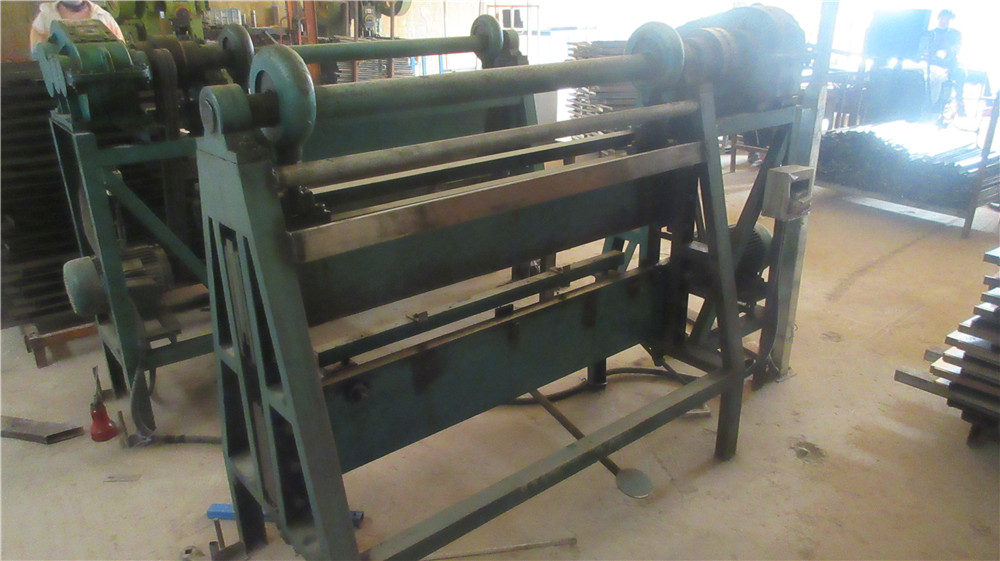
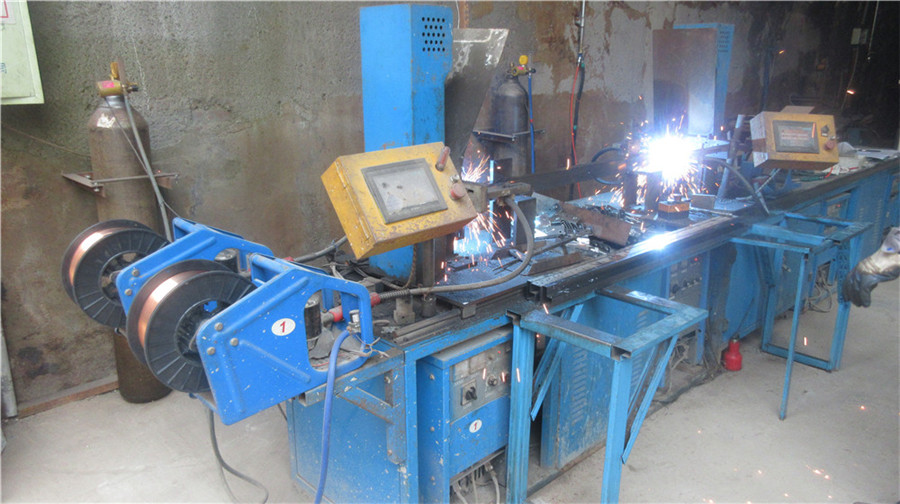
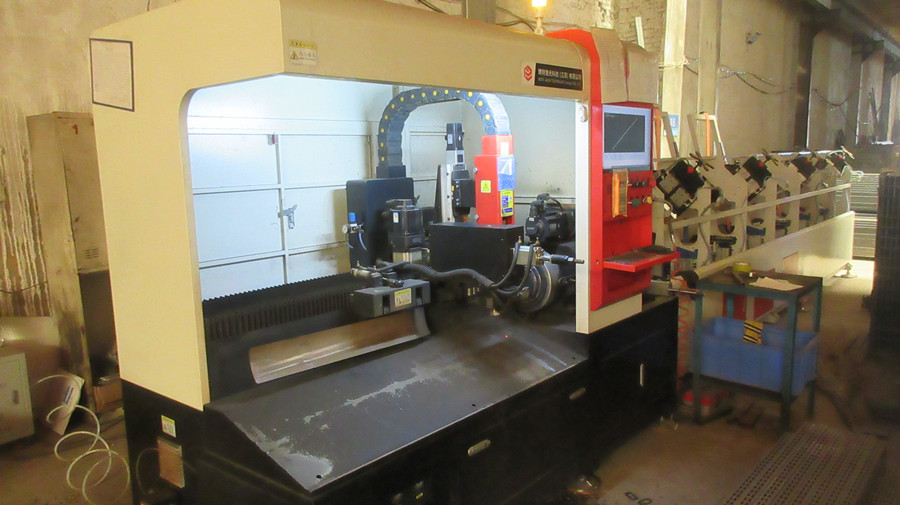
Our heavy machinery asset base enables customized, precise tolerance manufacturing of high-load upright profiles, roll-formed steps, and custom pallet flow rollers.
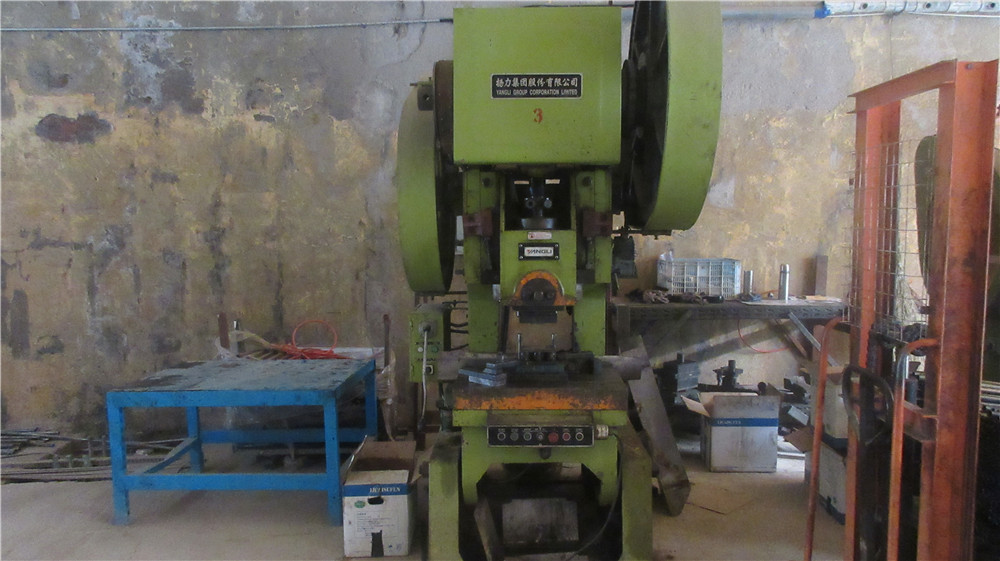
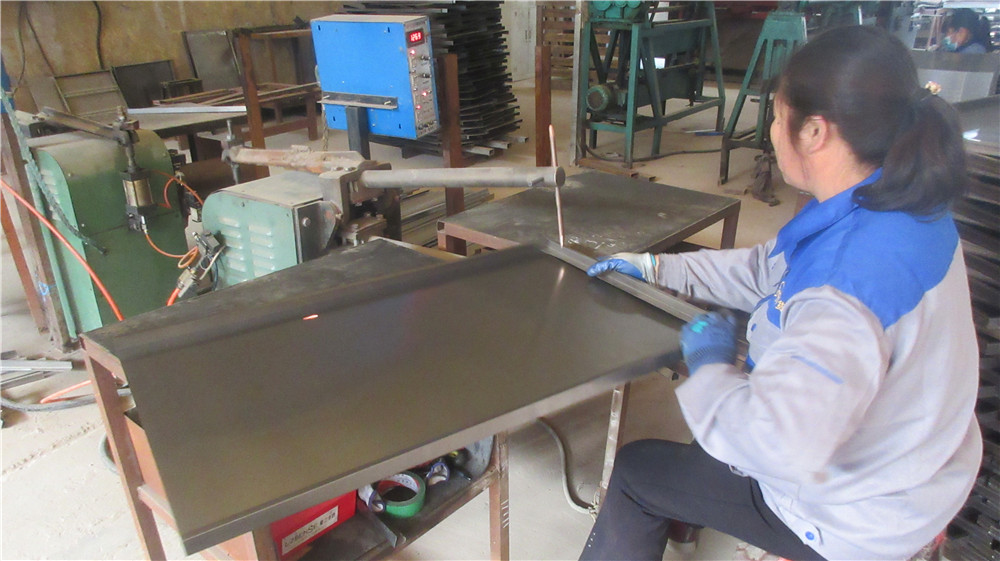
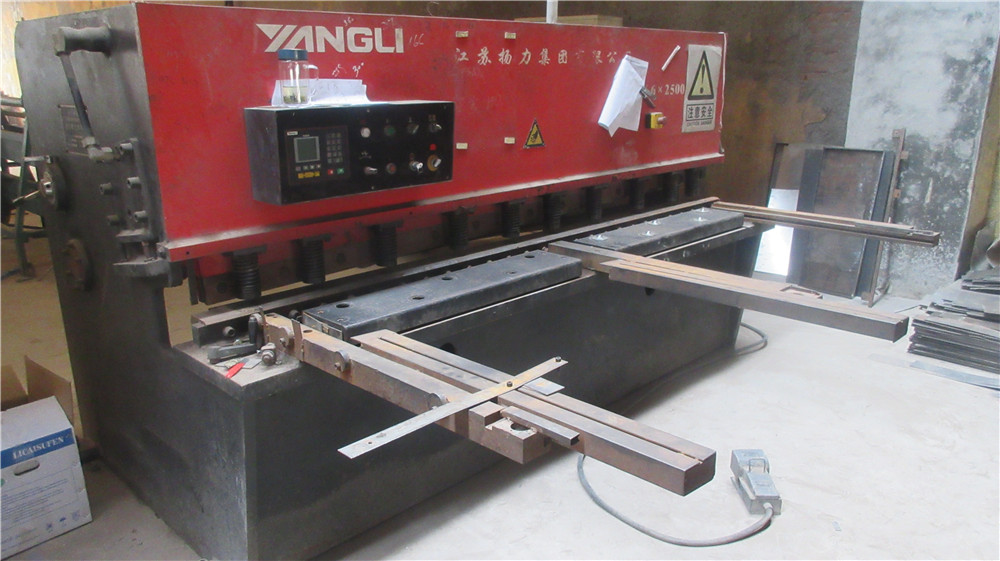
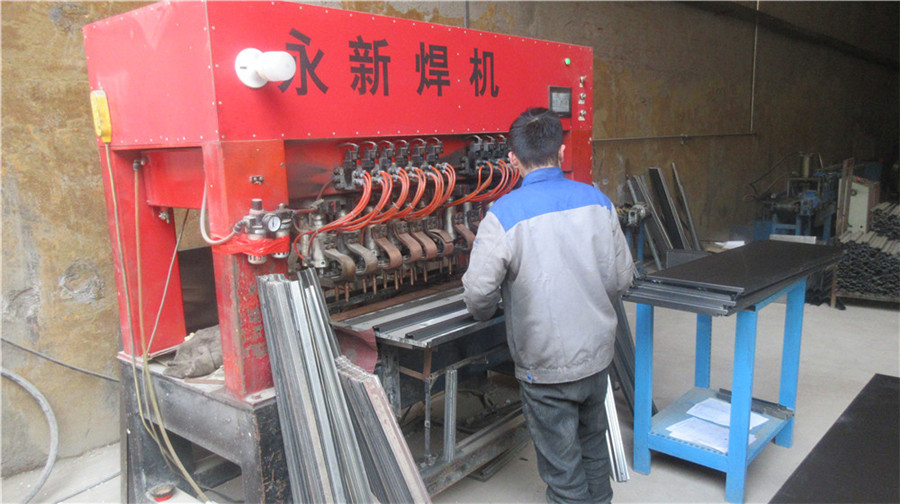
Understanding the critical performance thresholds, stress factors, and components that make dynamic gravity storage robust.
To safely implement dynamic high-density storage systems, engineers must account for several structural dynamics variables. A pallet flow lane relies on a controlled descent angle, typically configured between 3.5% and 4.5%. If the incline is too shallow, friction stops the pallet prematurely; if the incline is too steep, runaway velocity creates hazardous impacts on structural profiles and warehouse personnel.
The next phase of pallet flow development is integration with automated guided vehicles (AGVs) and warehouse management software (WMS). In these environments, sensors detect rotation, velocity, and static status within the flow lane, transmitting telemetry in real-time to prevent logjams and optimize warehouse throughput.
Operates purely via structural slope, relying on mechanical roller friction and standard manual brake drums. Ideal for standard wooden pallets and uniform goods.
Equipped with responsive separator gates, adjustable deceleration units, and compatibility with plastic, metal, and composite skids under varying temperatures (-30°C to +40°C).
Utilizes embedded optical sensors, automated lane brakes, and remote diagnostic systems connected to cloud networks for automated warehouse management.
Customizing pallet flow designs to match the unique compliance and throughput needs of global industries.
Maximizes volume density within highly expensive cold storage chambers. Custom grease formulations in roller bearings remain fluid down to -30°C, ensuring reliable operation without freeze-ups.
Guarantees strict FIFO inventory control. This prevents product expiration, simplifies tracking of production batches, and allows quick recalls in case of quality control anomalies.
Designed to handle high static loads, including structural engine parts and metal stamping dies. Heavy-duty structural steel channels absorb loading impacts without bending.
Addressing engineering questions regarding gravity-fed racking, safety limits, and site preparation.
Explore our secondary line of heavy-duty shop racks, stacking shelves, and utility material cages.
 Chaoyu Storage