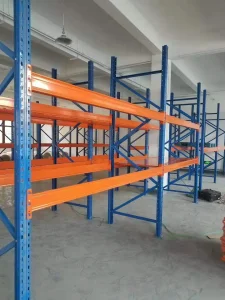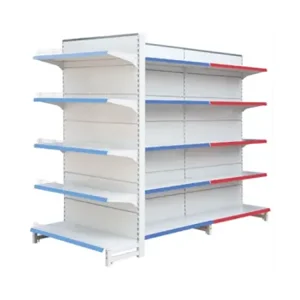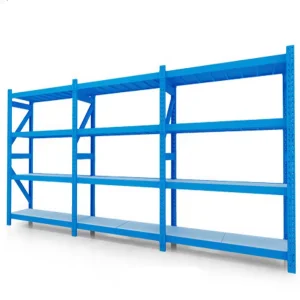
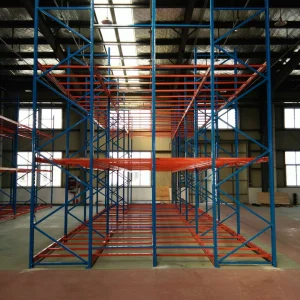
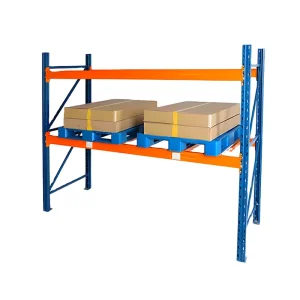
Finland's strategic geographical location, coupled with its harsh winter conditions, poses distinct challenges to logistics management. As a leading logistics gateway in the Nordic region, Finnish companies face massive energy costs associated with heating and cooling large industrial spaces. In sub-zero cold storage warehouses (pakkashuone), space optimization is directly tied to energy efficiency. Traditional selective racking leaves up to 60% of volume occupied by aisles.
Drive-In Racking has emerged as the premium standard for cold chains in Helsinki, Vantaa, and Tampere. By eliminating forklift access aisles, Drive-in configurations increase storage density by up to 75% compared to standard layout formats. This physical consolidation significantly minimizes the cubic air volume requiring refrigeration, leading to massive operational energy cost savings for 3PL providers and food processing businesses.
Safety and compliance are paramount in Finnish industrial logistics. High-density racking systems in Finland must adhere strictly to SFS-EN 15635 (Steel static storage systems - Application and maintenance of storage equipment) and SFS-EN 15512 (Principles for structural design).
Drive-In systems require precise engineering due to the dynamic forces exerted by forklifts entering deep into the structure. Calculations must account for the specific characteristics of Finnish pallets (EUR/FIN formats) and heavy loads typical of the local forestry, paper, and heavy machinery supply chains. This demand for reliability has driven a shift towards manufacturers who can verify material quality through strict mill test certificates and load simulations.
For international procurement departments managing warehousing build-outs in Northern Europe, balancing high structural standards with CAPEX limitations is a continuous challenge. Partnering with a specialized Chinese manufacturer like Shenzhen Chaoyu Goods Shelf Co., Ltd. offers a significant advantage. By leveraging advanced industrial infrastructure, supply chain density, and technical expertise, we provide high-performance Drive-In racking systems that match European safety standards at a highly competitive total cost of ownership.
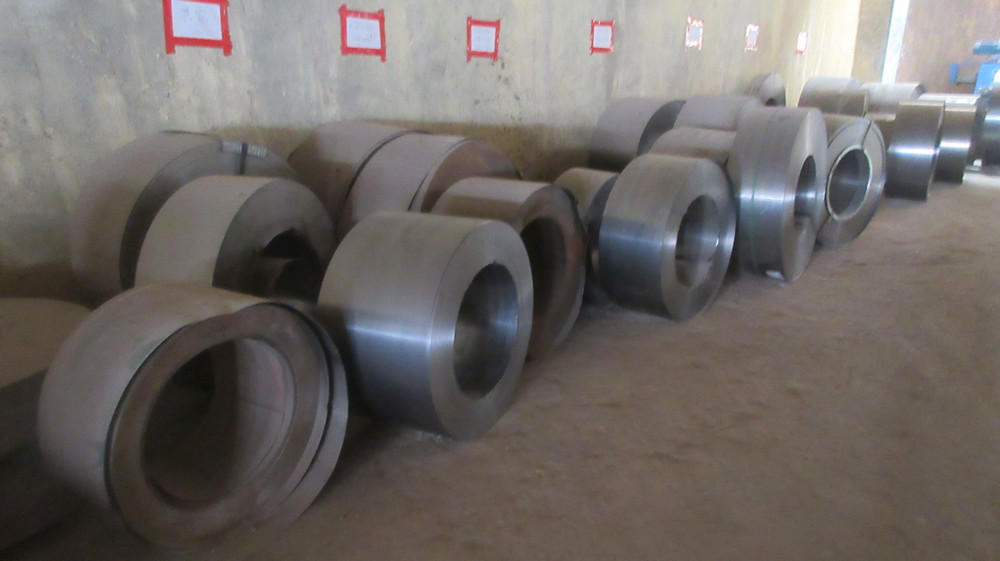
The structural integrity of Drive-In systems depends heavily on steel grades. Chaoyu partners with top-tier domestic steel suppliers, sourcing premium hot-rolled and cold-formed structural steel coils (Q235B and Q355B equivalent to S235JR and S355JR).
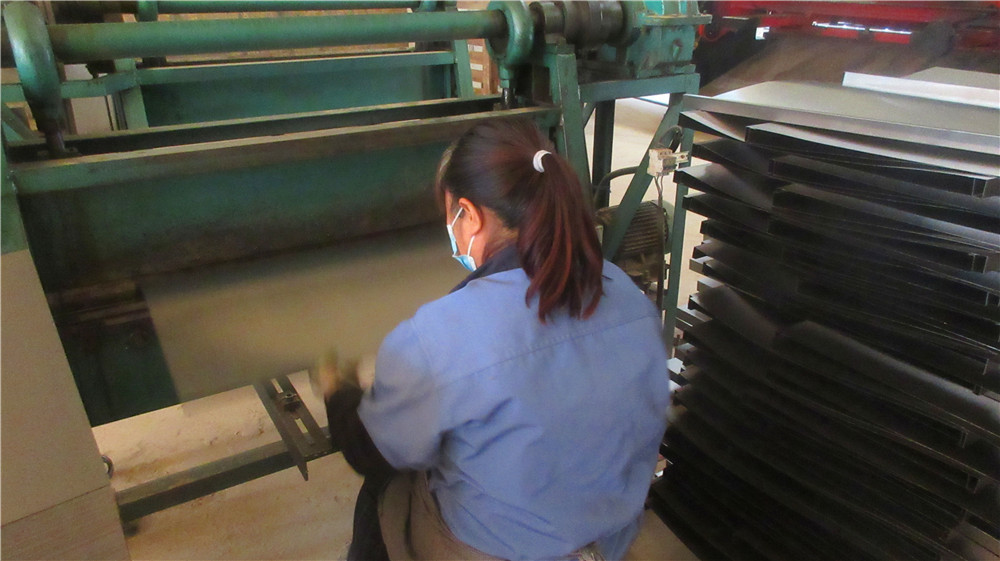
Our dedicated team of 35 QC specialists conducts strict multi-stage inspections. These include incoming steel spectrum analysis, mechanical tensile strength tests, and real-time load capacity simulation testing. Because Drive-In racks lack horizontal beams in the bays, we ensure that upright frames and support arms are fabricated with a high safety factor to resist accidental impacts and structural buckling.
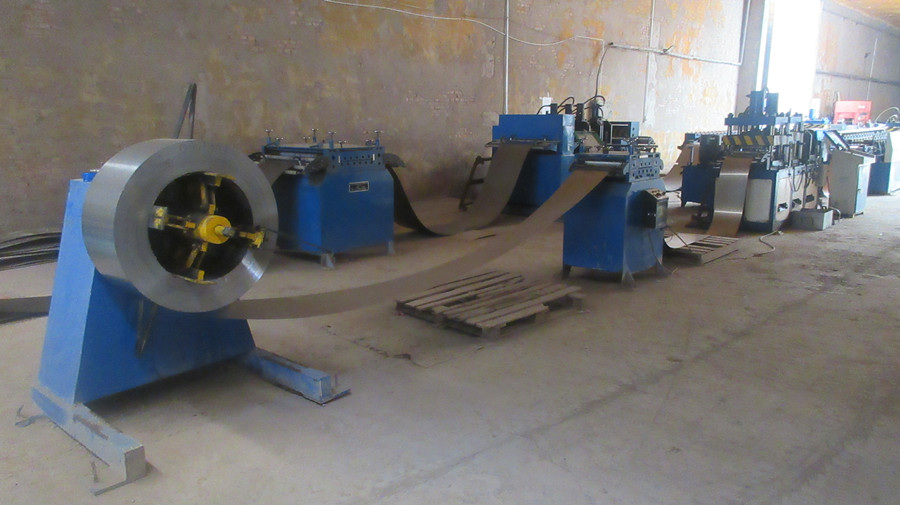
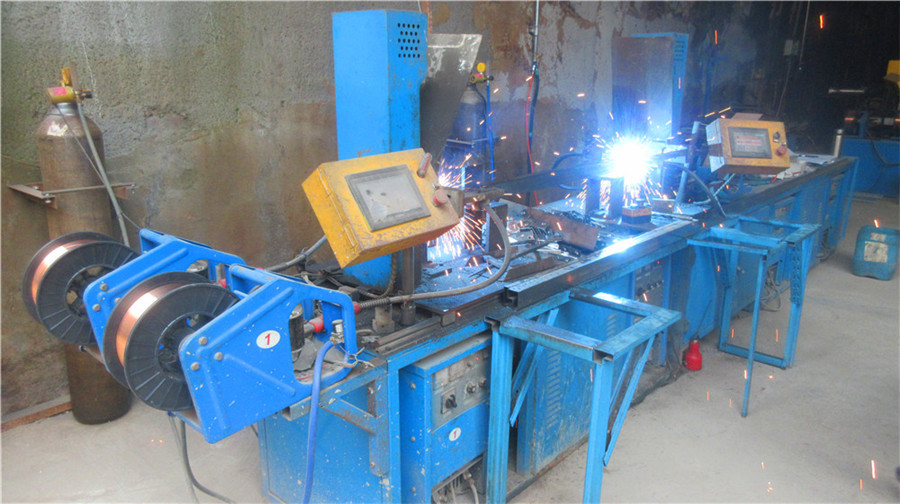
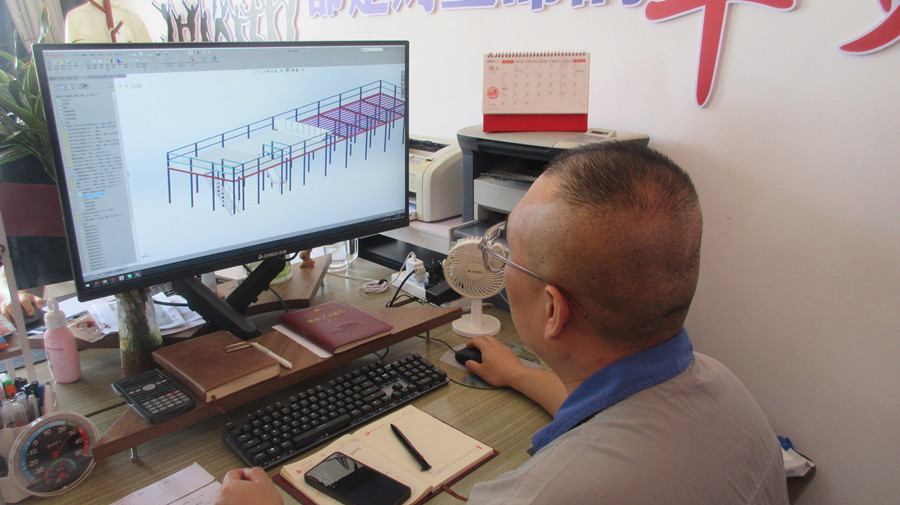
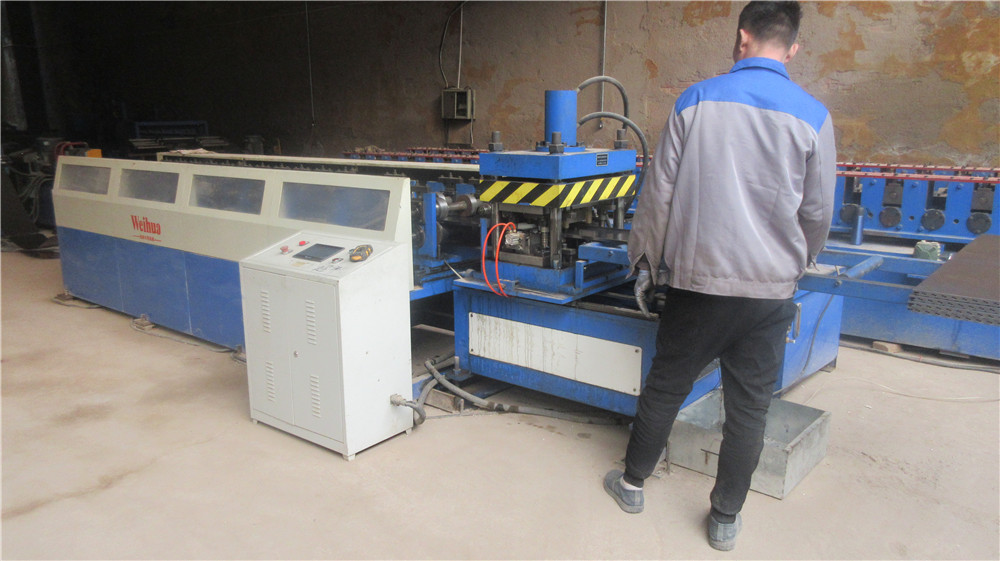
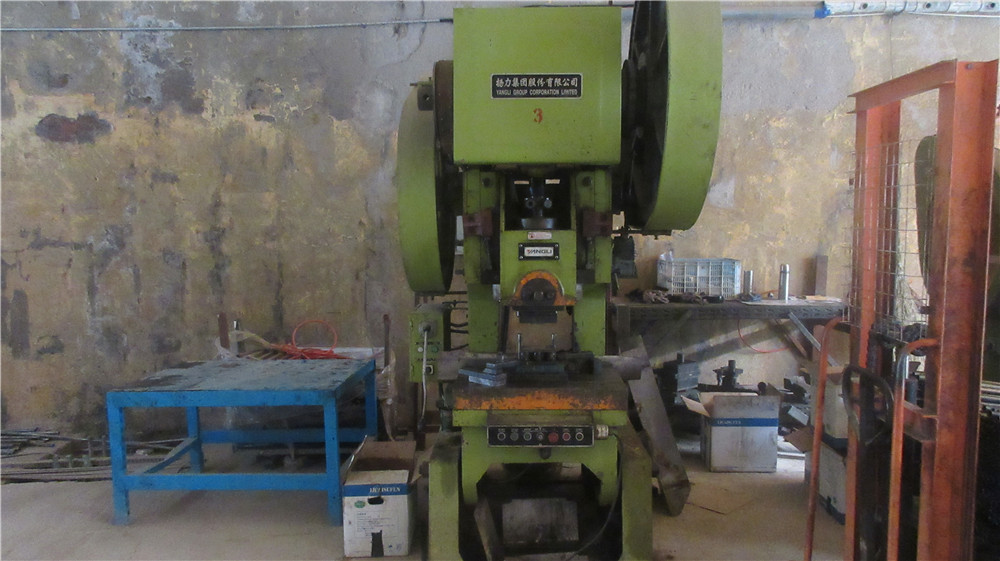
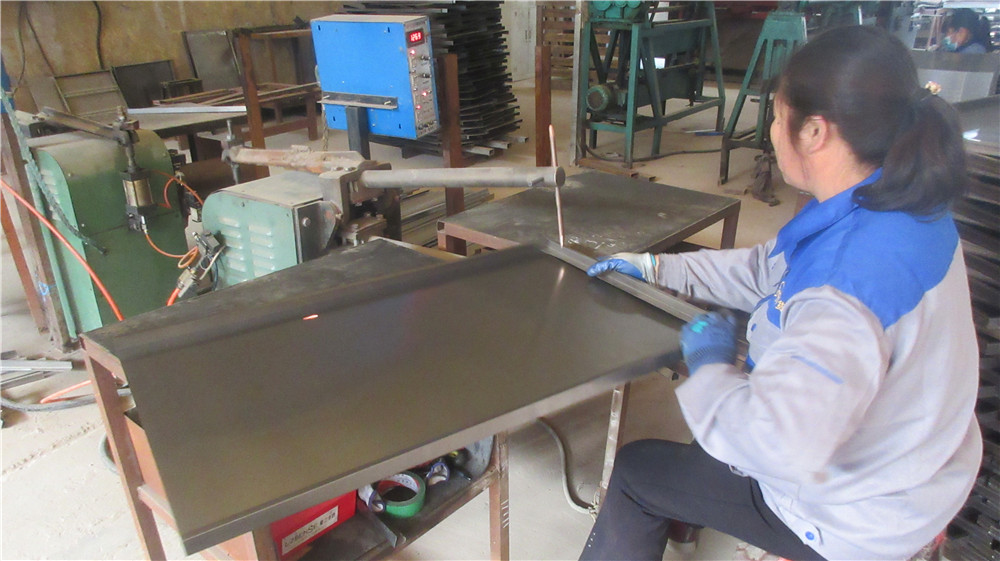
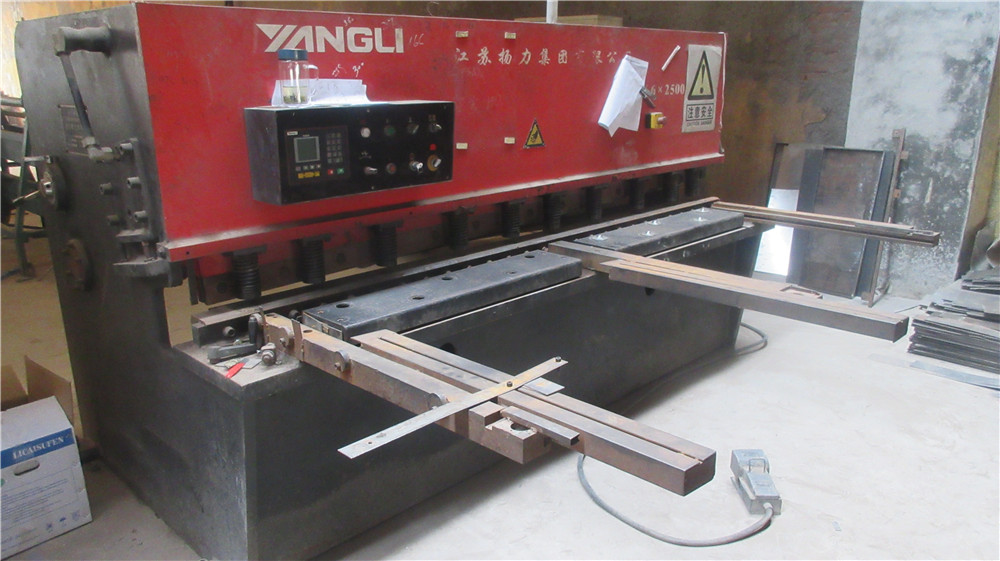
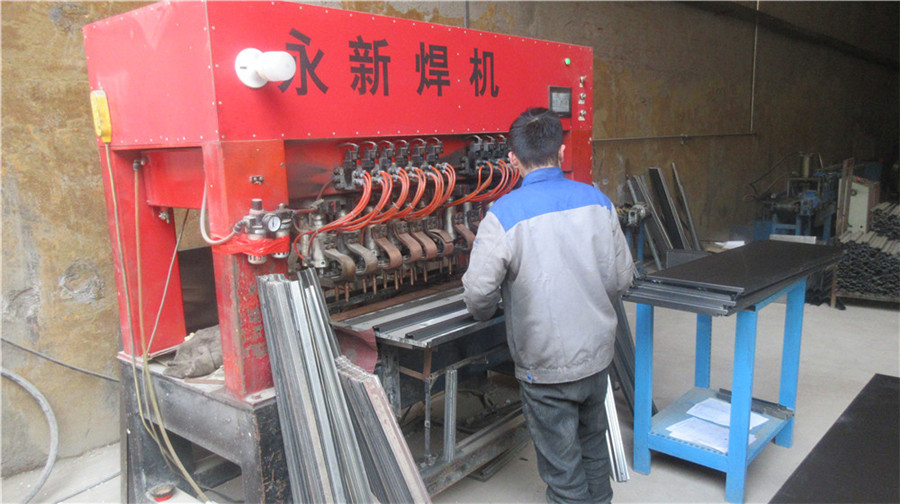
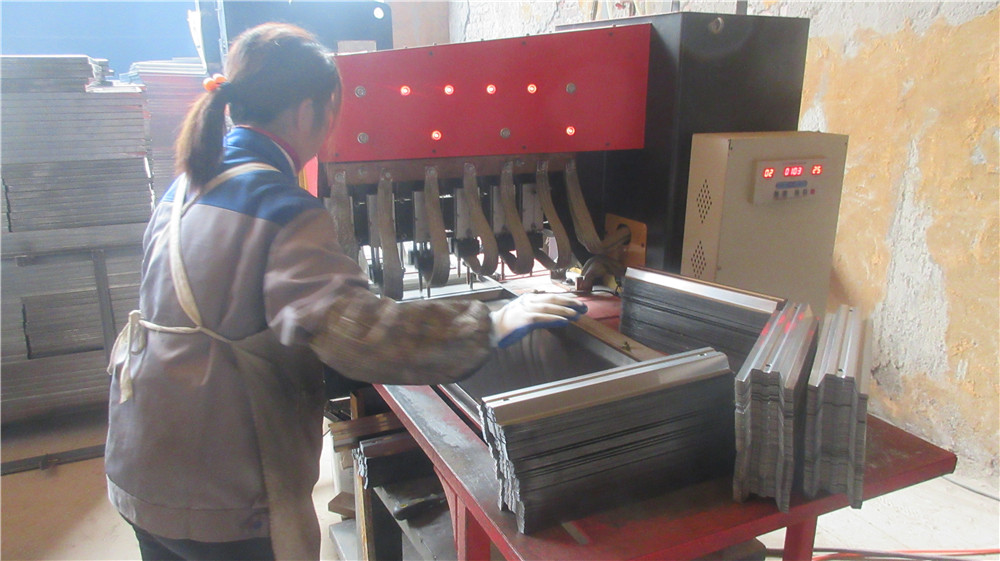
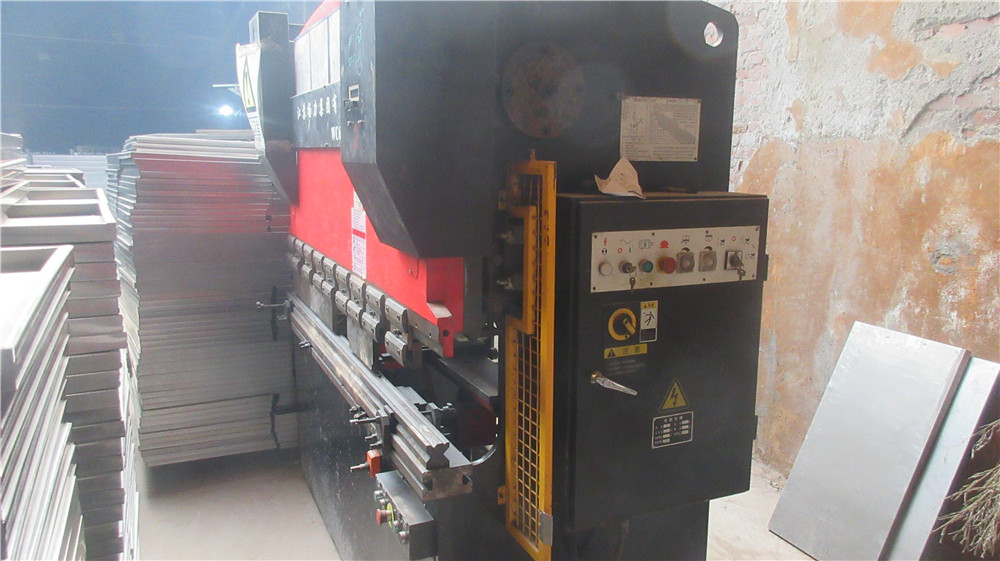
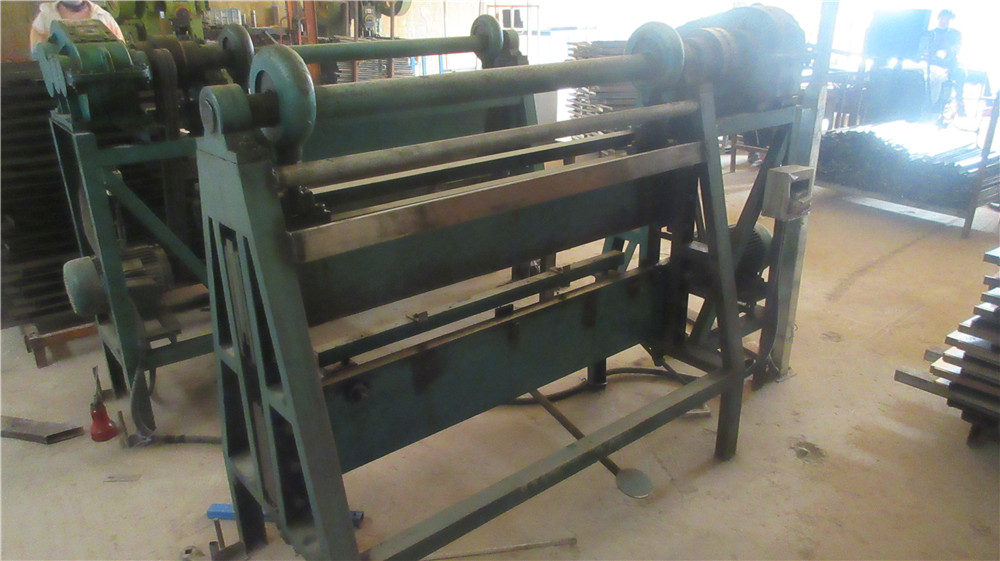
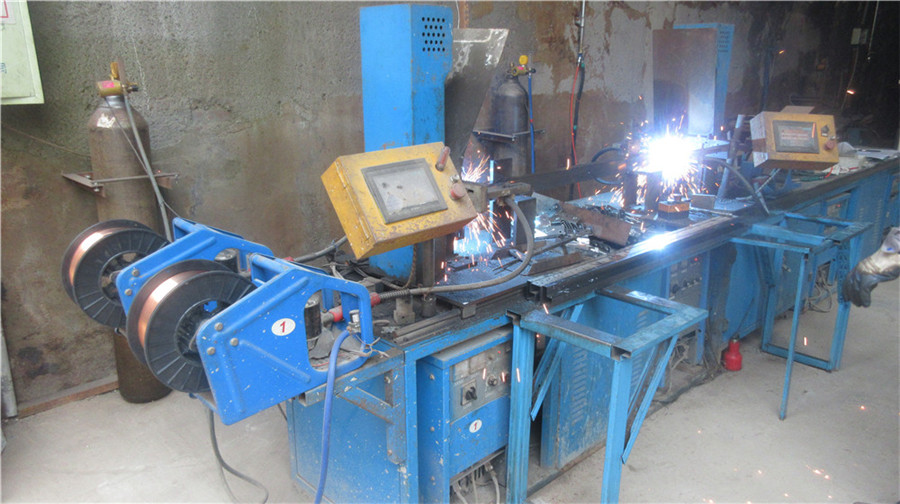
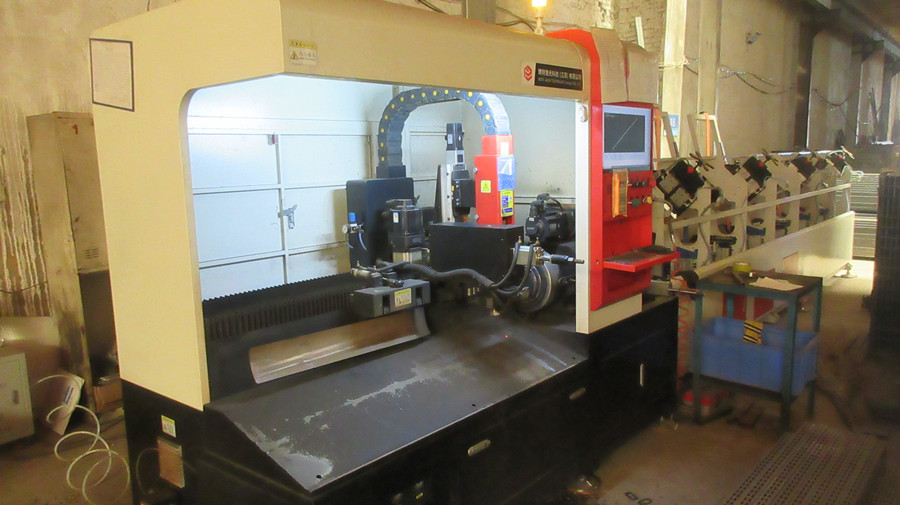
Operating from our modern 32,000 m² facility, we employ automated, high-precision roll-forming lines, gantry row welders, and automatic laser cutting machines. Automation guarantees consistent punching tolerances, which is critical for the drop-in connection accuracy of cantilever arms and guide rails in Drive-In arrays.
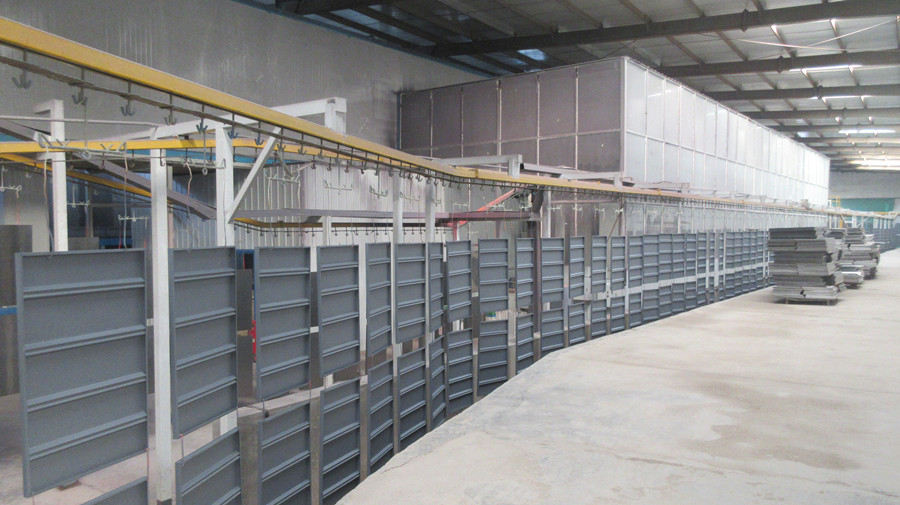
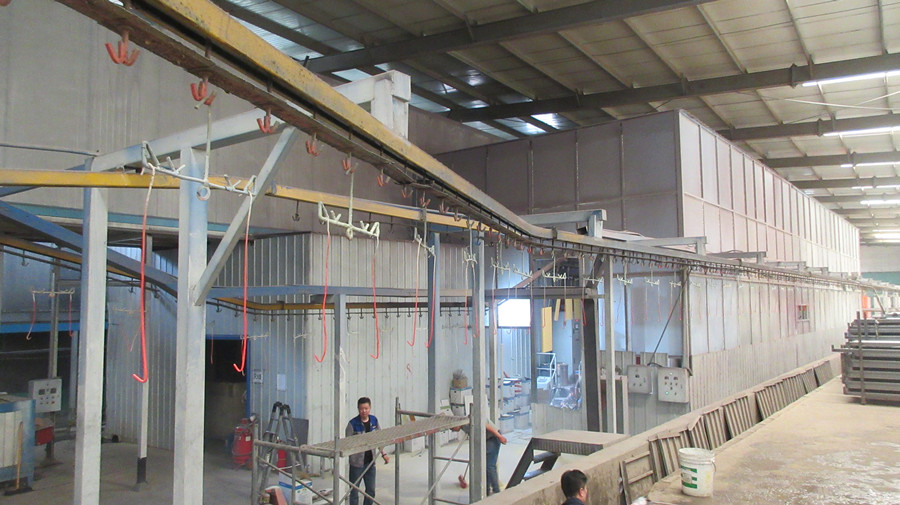
Furthermore, our automated electrostatic powder-coating lines apply a thick, corrosion-resistant coating (typically exceeding 70-80 microns). This provides crucial protection in high-humidity cold-chain facilities where condensation can accelerate rust on low-grade coatings.
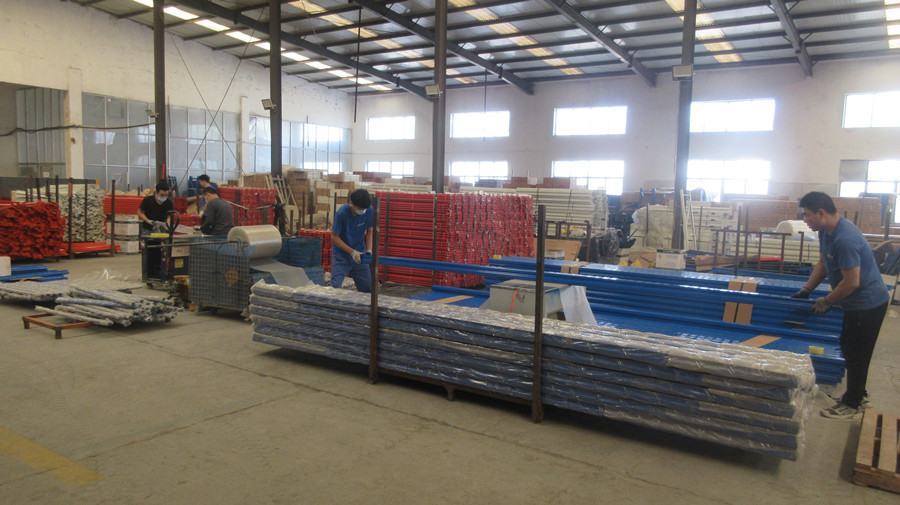
Our vertically integrated manufacturing facility in China handles everything from raw material verification to advanced structural testing, ensuring each batch complies with global industry expectations.
Optimizing warehouse floor space with Drive-In racking requires a detailed understanding of both forklift dynamics and structural limitations. The LIFO (Last-In, First-Out) storage sequence is standard for Drive-In installations. This configuration is ideal for products with high storage volume per SKU and slow to medium turnover rates, as well as inventory that does not require single-pallet selectivity.
The material handling industry is moving rapidly towards semi-automation. Modern warehouses in Europe increasingly combine Drive-In frameworks with Radio Shuttle Systems. Racks initially designed for standard Drive-In configurations can be retrofitted with heavy-duty running tracks for shuttle carts, converting a LIFO manual storage block into a FIFO (First-In, First-Out) high-efficiency automated cell. Chaoyu design engineers actively assist global operators in selecting future-proof configurations that allow seamless integration of automated shuttles when retrofits are planned.
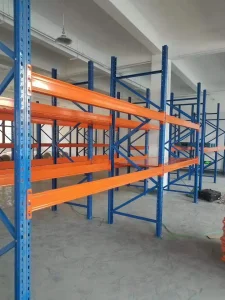
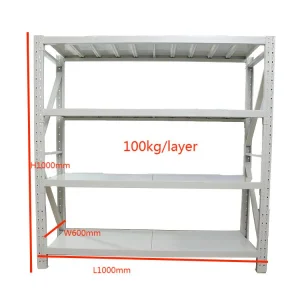
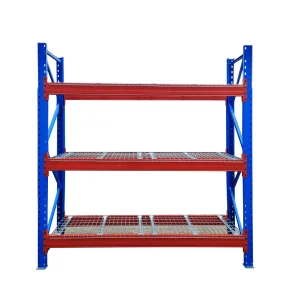
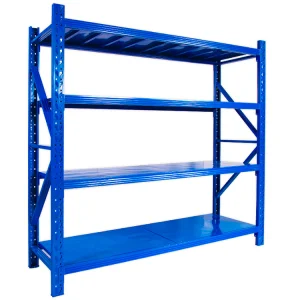
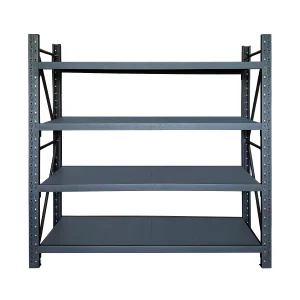
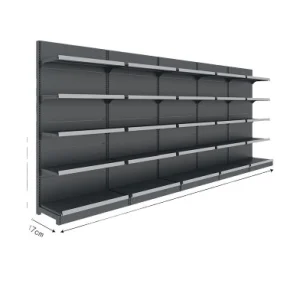
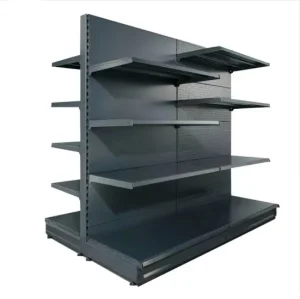
Typically, our Drive-In racking systems are engineered to support payloads from 500kg up to 1,500kg per pallet. Because Drive-In racks lack traditional support beams beneath the pallets, support rails run deep into the structure. Therefore, the load capacity is determined by the gauge of the upright columns, the steel grade (typically Q355B/S355 equivalent), and the spacing of the structural anchor frames.
SFS-EN 15635 is the Finnish adaptation of the European standard for the operation and maintenance of steel storage equipment. It requires warehouse operators to conduct weekly inspections for structural damage, label all load limits clearly, and use qualified professionals for installation. Our racking components are designed and manufactured to meet these stringent requirements, featuring pre-punched structural details that facilitate compliance and passing inspections.
For temperatures below freezing, we recommend either heavy-duty hot-dip galvanized finishes or our advanced electrostatic polyester powder coating. Our powder coatings are applied with a thickness of 70 to 90 microns and baked at high temperatures. This ensures excellent durability, prevents cracking under thermal contraction, and protects the steel structure from corrosion caused by condensation.
FIN pallets (1000mm x 1200mm) and EUR pallets (800mm x 1200mm) have different dimensions, which directly affects clear entry margins. A single Drive-In lane must be engineered specifically for one width configuration to ensure the forklift and pallet sit securely on the support rails. However, different lanes within the same racking block can be designed to accommodate different pallet types.
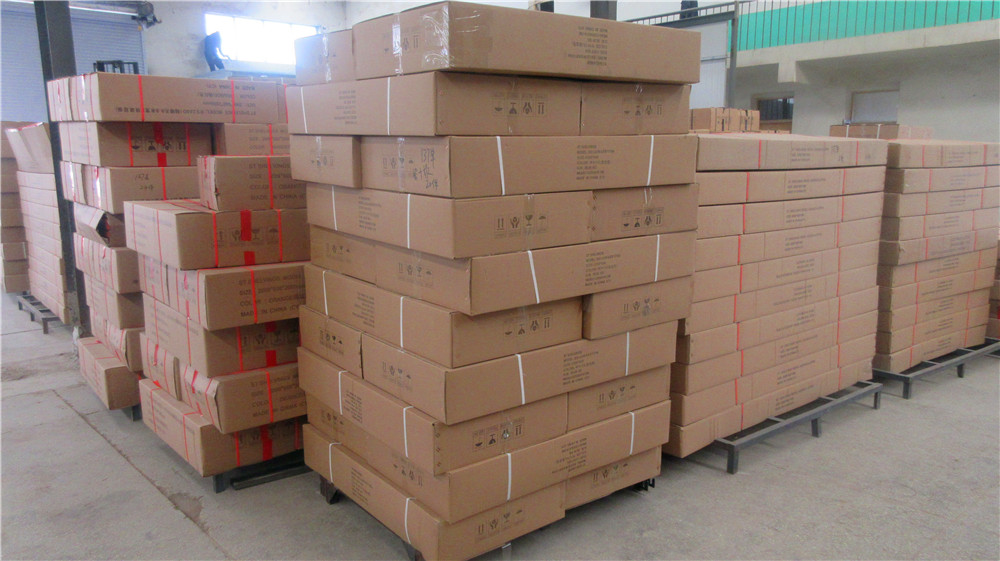
Our typical production time is 15 to 25 days, depending on custom structural adjustments. Ocean freight shipping from Shenzhen Port to the Port of Helsinki or Port of Kotka-Hamina usually takes between 35 and 45 days. We handle all export packaging, container stuffing, and customs documentation to ensure a smooth import process.
To prevent forklift impact damage—a common issue in narrow-aisle drive-in systems—we offer heavy steel floor guide rails, bright safety yellow powder-coated column guards, entry guide rails, and heavy-duty back stops. These visual and physical aids protect the racking frames, ensuring a safer and more durable warehouse environment.
 Chaoyu Storage