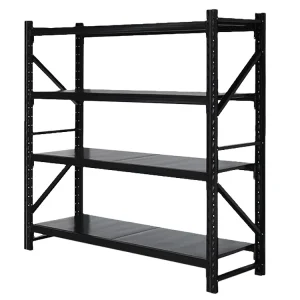
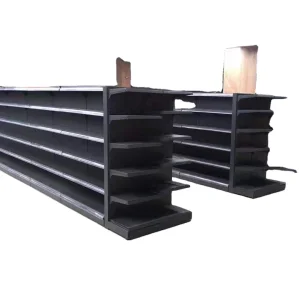
Top Trusted Storage Platforms Manufacturer & Suppliers

Global Heavy-Duty Racking Systems, Industrial Storage Shelves, and Custom Warehouse Logistics Solutions Optimized for Industry 4.0 Efficiency.

32,000 m²
Production Footprint
High-tech manufacturing facility in Shenzhen equipped with state-of-the-art automated production lines.
11+ Yrs
Industry Expertise
A decade of engineering excellence in warehouse design, material selection, and seismic compliance.
18+ Mn
Export Revenue USD
Serving high-volume logistics and storage enterprises across North America, Europe, and Asia.
120+
Annual R&D Designs
Developed by our 18 structural engineers to meet evolving high-density storage challenges.
Industry Insight Report

High-Density Industrial Storage: Structural Stability & Market Dynamics

1. The Evolution of Modern Warehouse Storage Platforms

Industrial logistics networks are undergoing a significant structural transition. Historically, warehouse operations relied on basic floor-stacking or standardized shelving units. However, rising industrial real estate costs, driven by the expansion of global e-commerce and regionalized supply chain positioning, have compelled companies to optimize vertical space. Modern storage platforms are no longer mere steel supports; they are complex structural systems designed to interface with Automated Storage and Retrieval Systems (AS/RS), automated guided vehicles (AGVs), and sophisticated warehouse management systems (WMS).

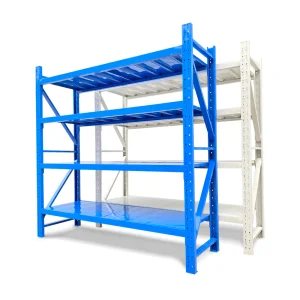
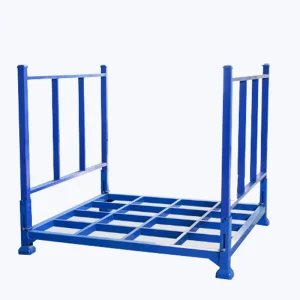
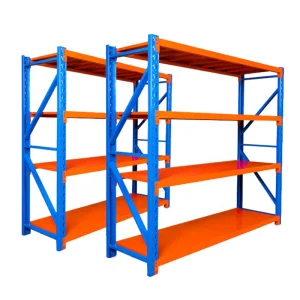
These engineered storage platforms—encompassing structural steel mezzanines, multi-tier rack systems, and heavy-duty selective pallet racking—allow industrial enterprises to multiply their footprint without expanding their physical foundation. The key challenge lies in matching the storage platform's load capacity and material properties with the physical environment's requirements. This requires careful consideration of seismic risk, floor slab capacity, building clearance, and material handling logistics workflows.

Expert Engineering Insight: Structural racking calculations must align with regional standards (e.g., ANSI/RMI MH16.1 in the US or EN 15512 in Europe). Failing to account for dynamic load forces and column impact protection can compromise structural integrity and risk system failure.

2. Global Procurement Demands & Regulatory Compliance

Procurement directors and supply chain managers faces strict structural guidelines when procuring industrial storage solutions. Selecting a reliable storage platforms manufacturer requires verifying the engineering department's ability to analyze site conditions and customize racking systems. Standard factors like weight-per-shelf must be supplemented with a comprehensive analysis of total system weight, point loading, load placement tolerances, and environmental variables (such as moisture, temperature, and corrosive chemicals).

Additionally, global compliance certificates are critical. In the European Union, CE marking and adherence to EN regulations are non-negotiable. In the Americas, RMI certification ensures structural steel meets the required yield strength. In heavy-duty industries, such as automotive mold storage or chemical warehousing, safety requirements are even more strict. Racking systems must incorporate safety features like anti-corrosive powder coatings, load-locking pins, safety wire mesh decks, and heavy steel post protectors to prevent catastrophic failure from forklift impacts.

Seismic Risk Load Calculations

Analyzing horizontal acceleration forces to design frame bracing that meets local building codes.

Corrosion Resistance

Utilizing high-performance powder coatings or hot-dip galvanization to handle humidity and chemicals.

Workflow Optimization

Designing aisle widths and layout configurations that align with forklift and AGV travel paths.

3. Industry 4.0 Integration: Supply Chain Resilience and Manufacturing Efficiencies

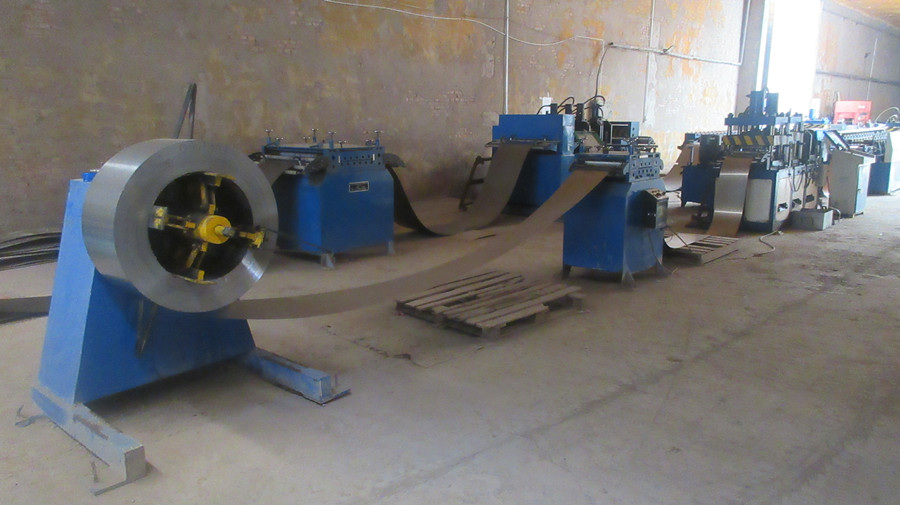
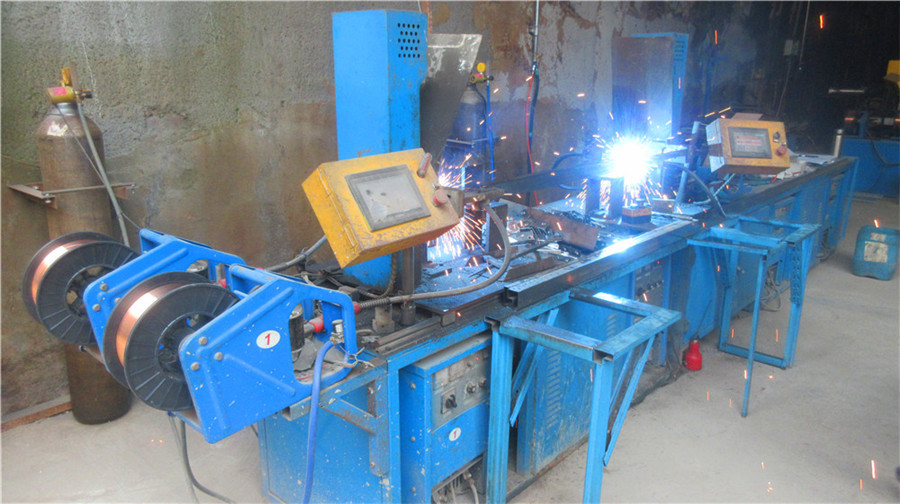
Shenzhen Chaoyu Goods Shelf Co., Ltd. operates at the intersection of structural engineering and advanced manufacturing. By integrating Industry 4.0 principles, we address the main pain point for global buyers: supply chain predictability. Across our 32,000 m² factory, we rely on automated production lines, automated robotic welding stations, and high-precision laser tube cutting machinery to ensure consistent manufacturing tolerances.

This level of automation ensures that every beam, upright frame, and connector fits together correctly on-site. Precision manufacturing minimizes internal stress during assembly, extending the system's service life. With the backing of over 850 raw material and component suppliers, our supply chain is structured to resist global market fluctuations, keeping lead times steady and ensuring project delivery schedules are met.

4. Custom Engineering Capabilities (OEM/ODM Solutions)

No two warehouses are identical. Variations in column grid spacing, building heights, fire suppression layouts, and forklift fleet configurations require custom storage designs. With a dedicated team of 18 R&D engineers, Chaoyu provides end-to-end design and manufacturing support. Last year alone, we developed over 120 custom storage layouts and racking configurations.

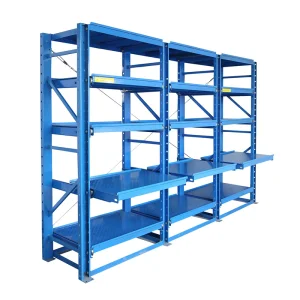
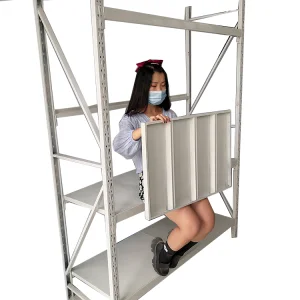
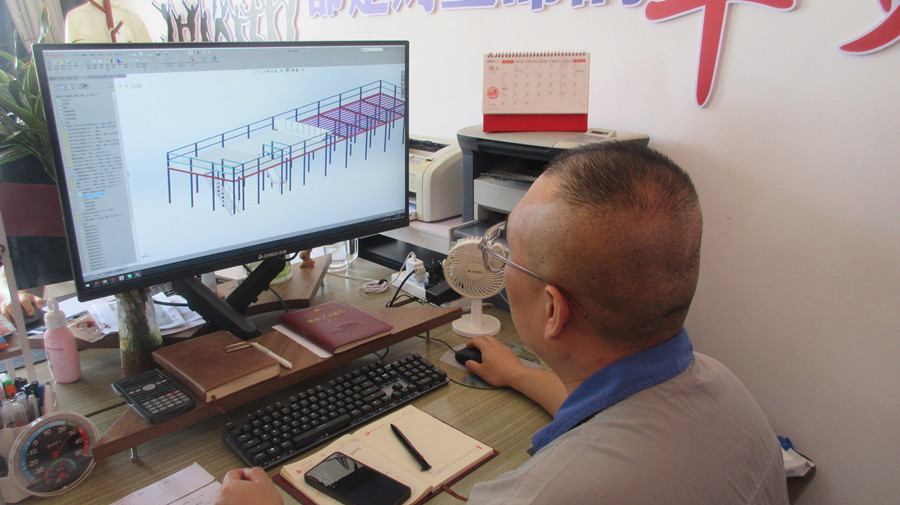
Our design process begins with structural engineering modeling. Using FEA (Finite Element Analysis) software, we simulate load-bearing stresses across different beam lengths and column profiles under various load conditions. We then test physical prototypes using load cell equipment. Our manufacturing team can configure material chemistry, steel thickness, and finish types—whether you require medium-duty stainless steel shelving for chemical plants or heavy-duty mold drawer systems for manufacturing centers.

Inside the Factory

Advanced Production Capabilities & Processes

A comprehensive overview of our automated machinery and quality-controlled fabrication steps.
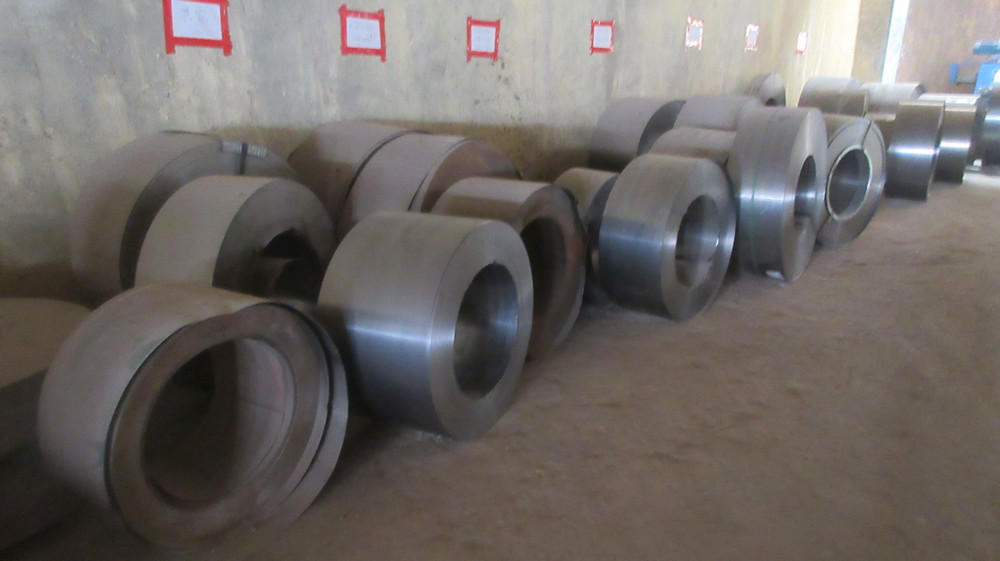
Raw Materials Sourcing
Raw Materials Inspection
Steel Cutting Process
High-Speed Steel Cutting
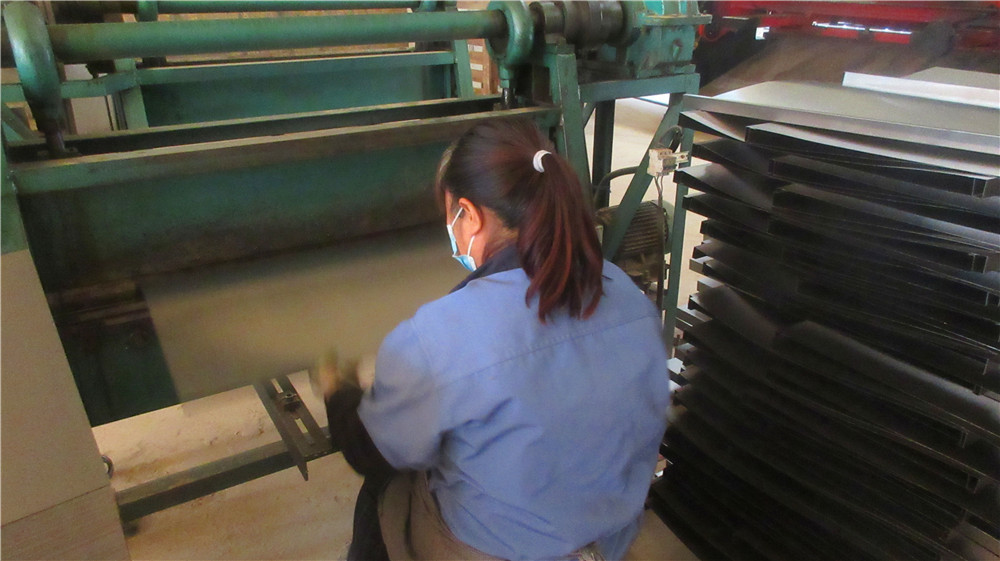
Bending Process
Precision Metal Bending
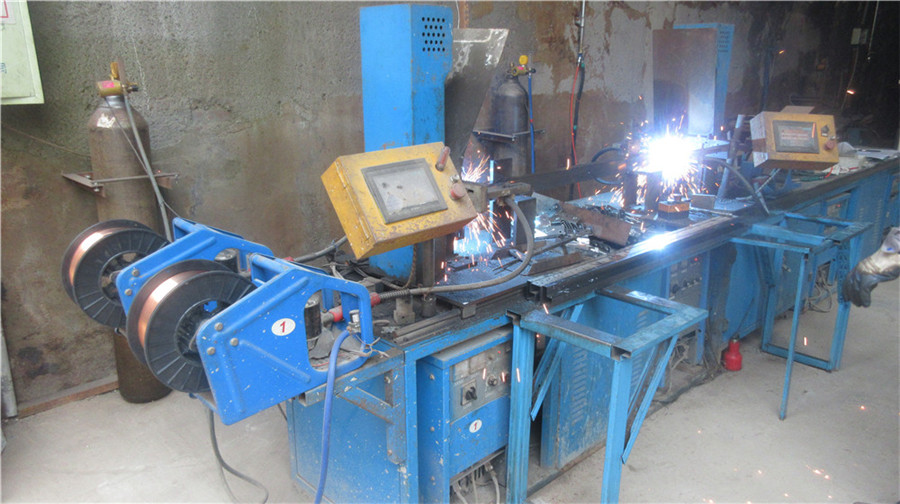
Welding Station
Robotic Welding Systems
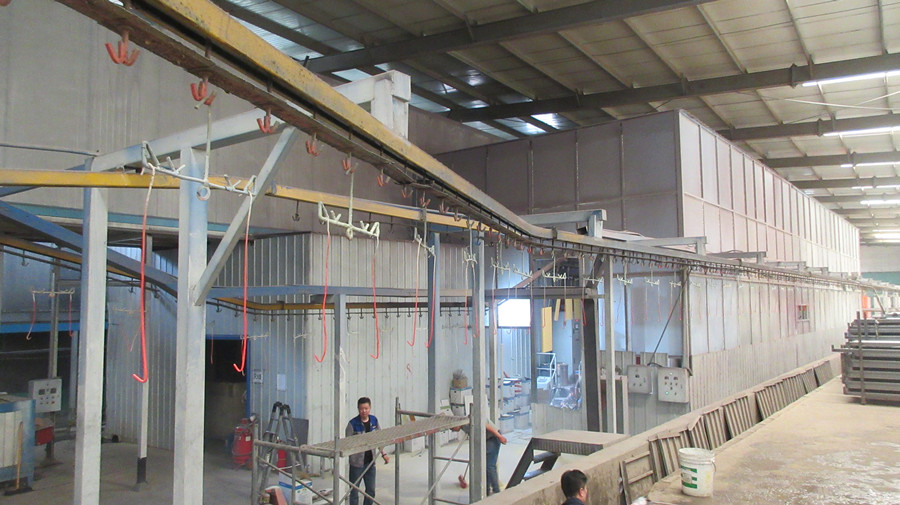
Spraying Line
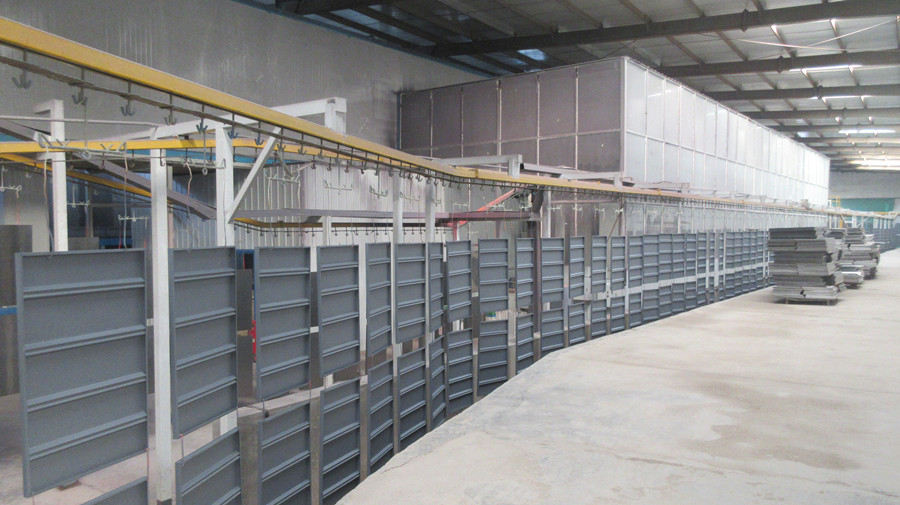
Powder Coating & Spraying
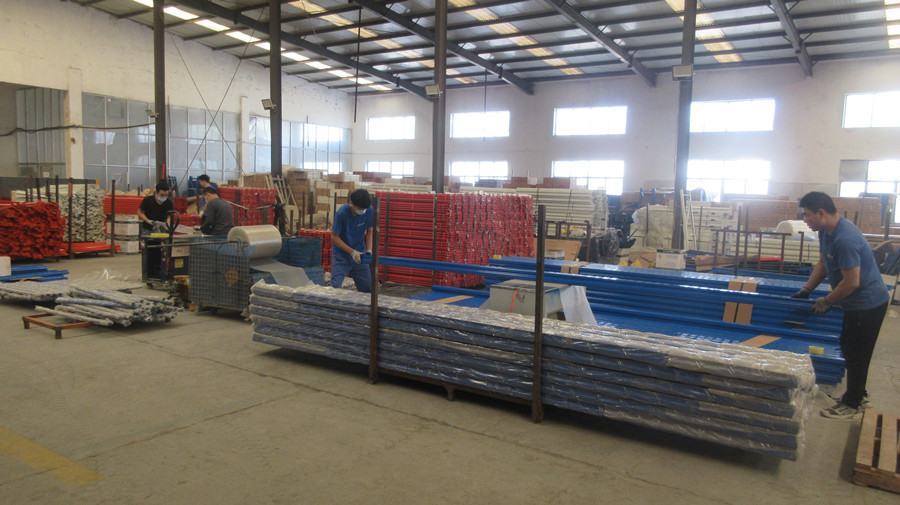
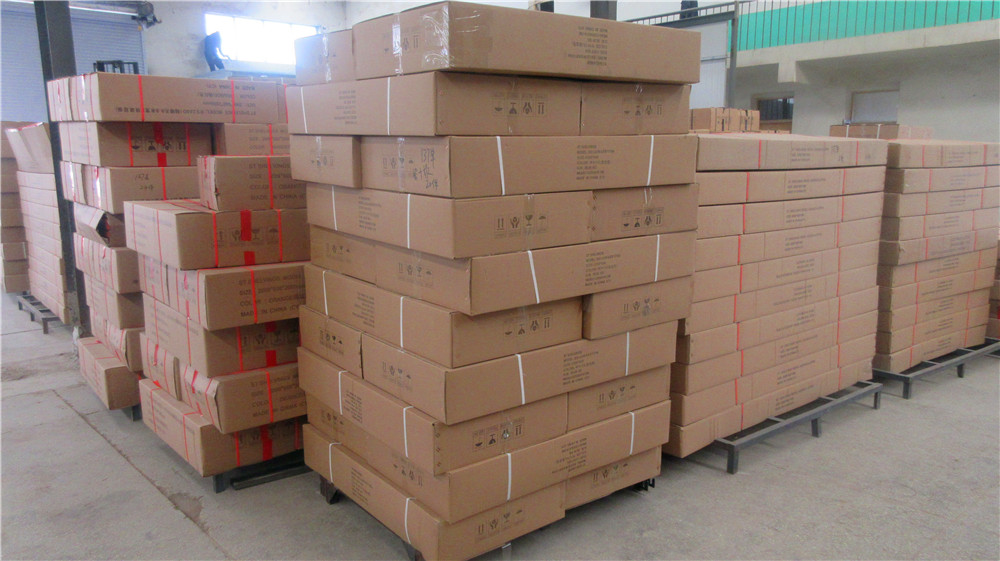
Packaging
Seaworthy Packaging
Finished Product QC
Finished Product Inspection
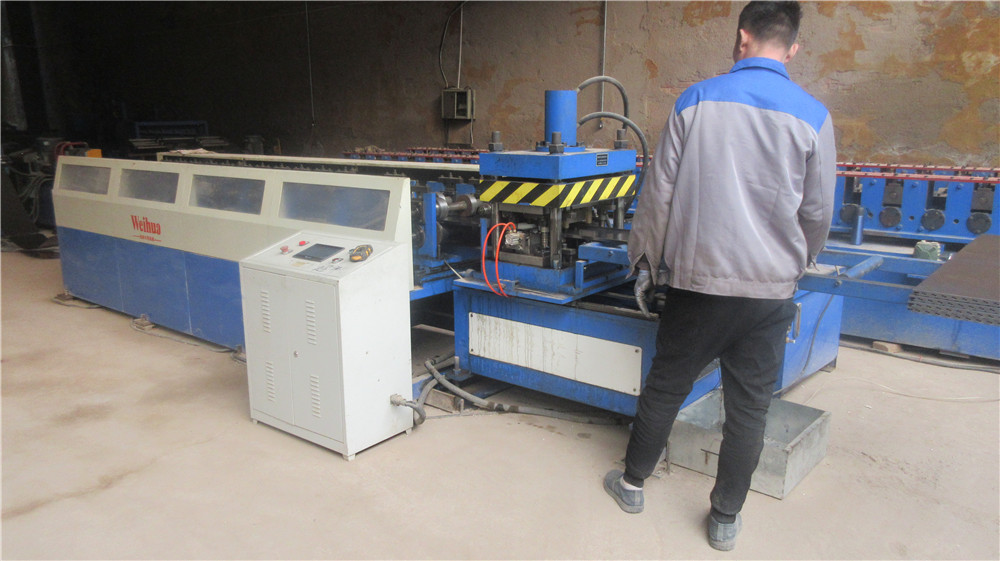
Roller Press
Roller Press Line
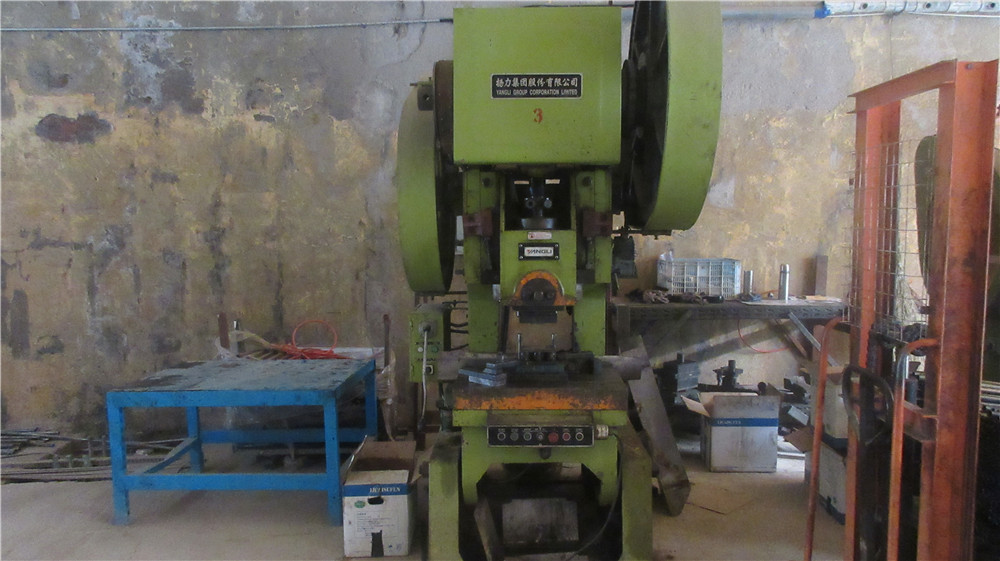
Punching Machine
High-Speed Punching Machine
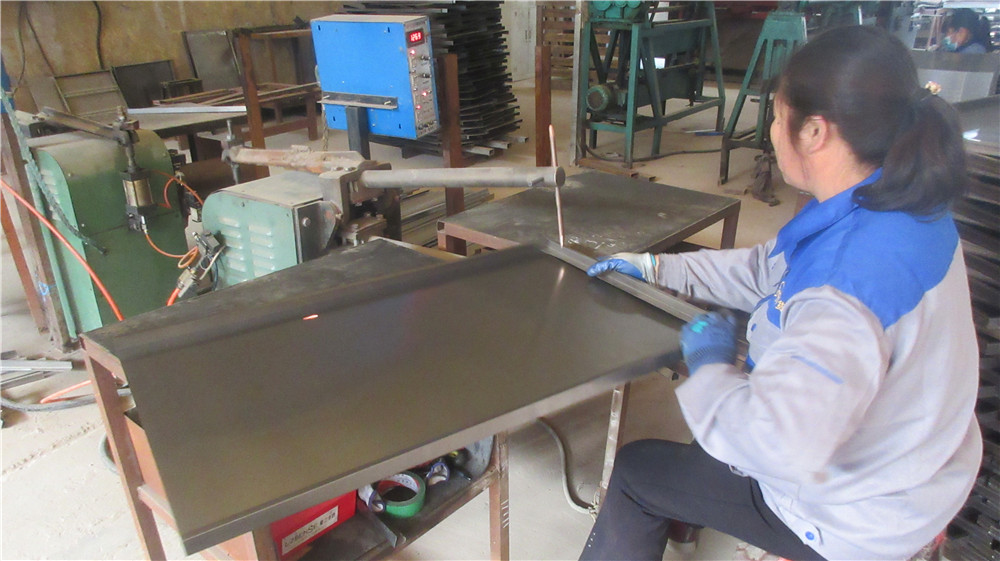
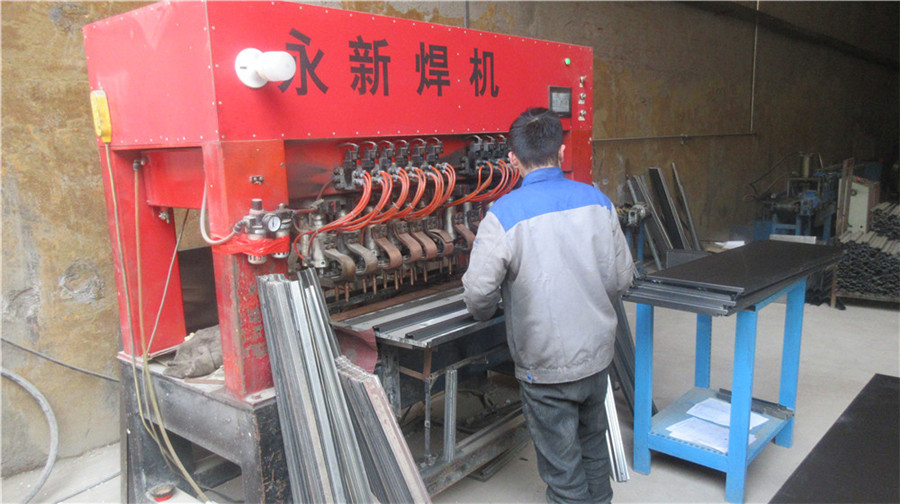
Spot Welding Machine
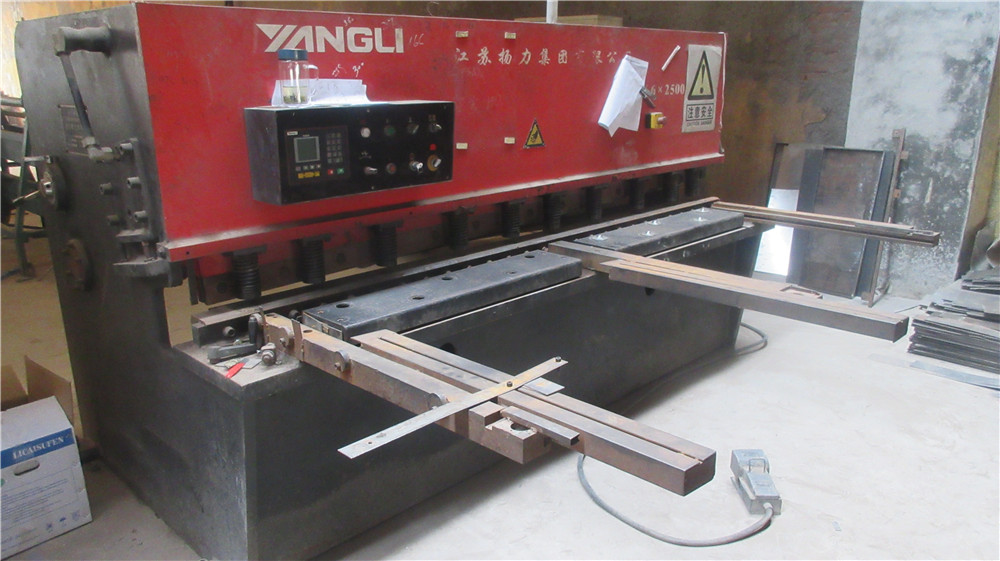
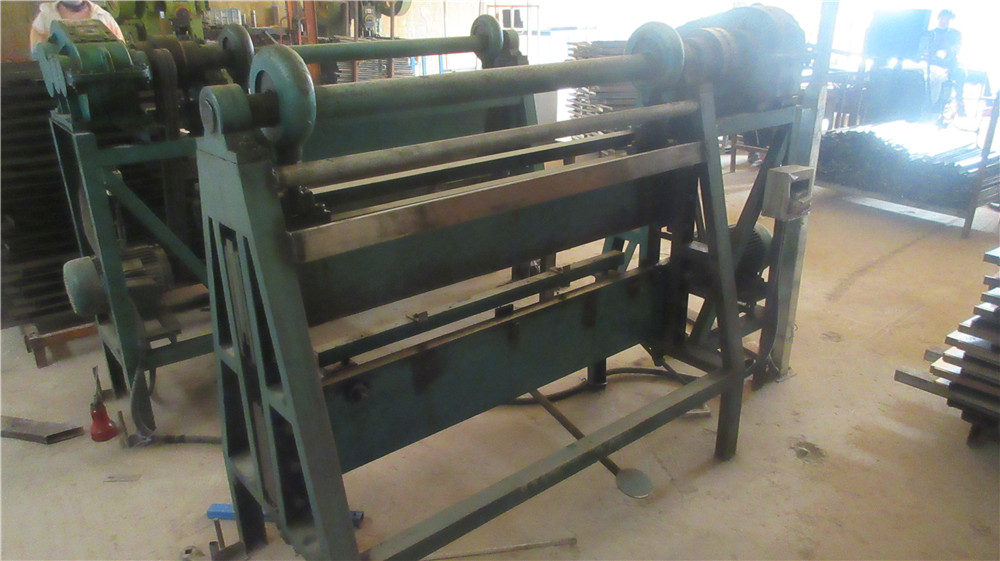
Shearing Machine
Shearing Machine
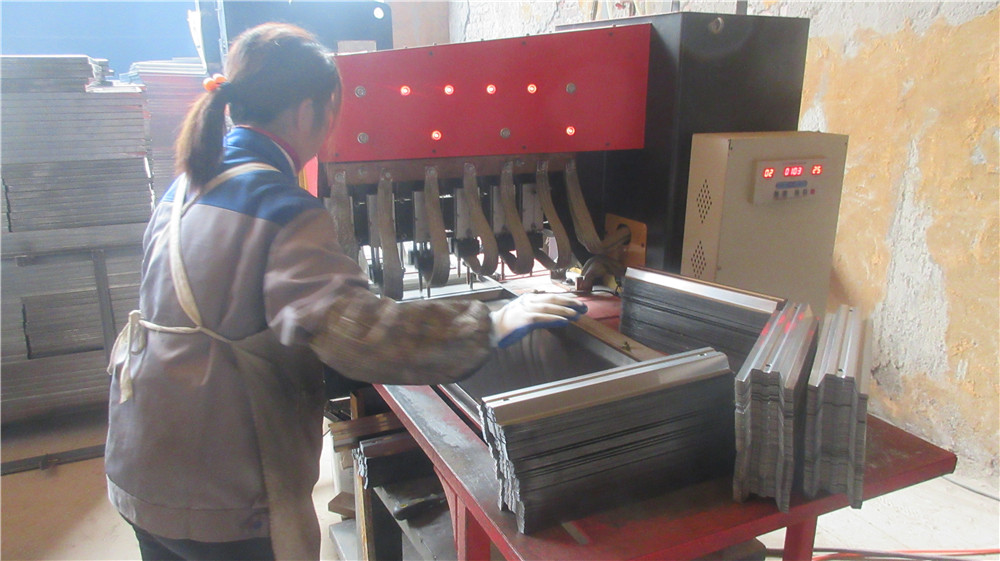
Gantry Row Welder
Gantry Row Welder
Platoon Welding Machine
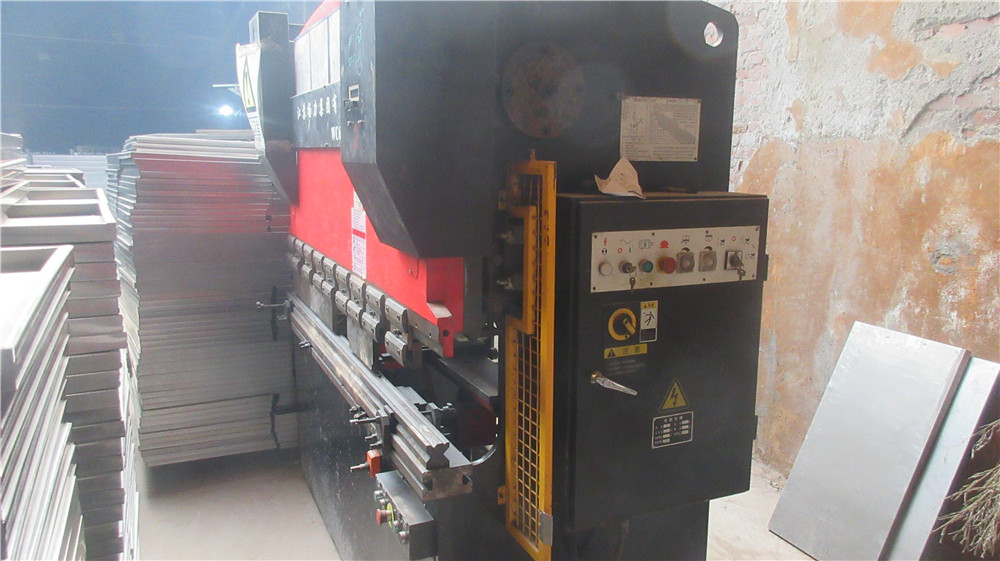
Hydraulic Bending Machine
Bending Machine
Precision CNC Bending
Automatic Welding Machine
Spraying Line
Continuous Powder Spraying Line
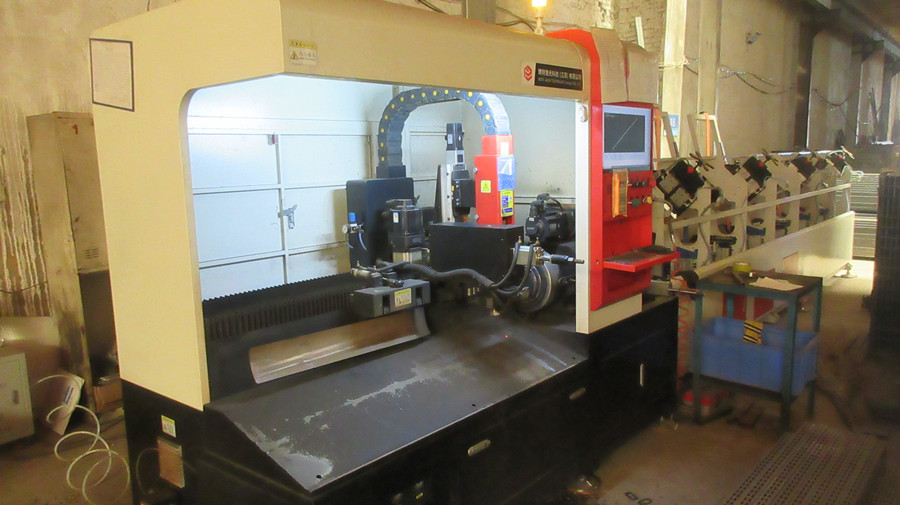
Laser Pipe Cutting Machine
3D Design Rendering
3D Design & Simulation Rendering

5. Industrial Application Scenarios: Tailoring Infrastructure to Purpose

Different operating environments require specific configurations of racking and storage systems. Selecting the incorrect style can reduce productivity, accelerate equipment wear, and introduce safety risks. Below is an analysis of standard operating environments and their corresponding storage solutions:

  • E-Commerce & 3PL Logistics Centers: These facilities require high-speed order fulfillment, high selective pallet capacity, and adjustable beam heights. High-rise selective pallet racking integrated with wire decking is typically utilized to accommodate varying pallet profiles while ensuring fire suppression systems can penetrate all levels.
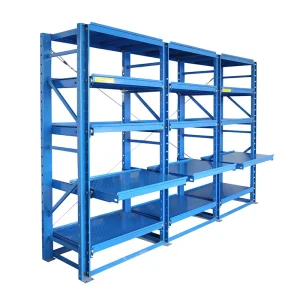
  • Heavy Machinery & Automotive Mold Storage: Standard pallet racks are unsuitable for heavy tooling and dies. Here, specialized mold drawer racks with integrated slide-out mechanisms and crane hoist structures are required. This ensures operators can retrieve molds weighing up to 3,000kg safely without risking damage to the racking frame.
  • Cold Storage & Pharmaceutical Warehousing: Space is expensive in refrigerated environments. Drive-in, double-deep, or mobile pallet racking systems are utilized to maximize density and reduce the footprint requiring refrigeration, lowering energy costs. In these facilities, corrosion protection is achieved through either hot-dip galvanization or low-temperature resistant powder coatings.
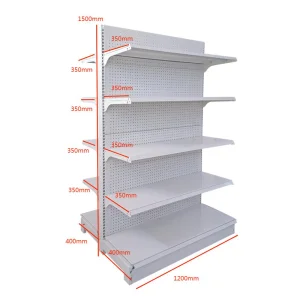
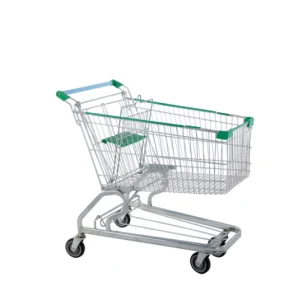
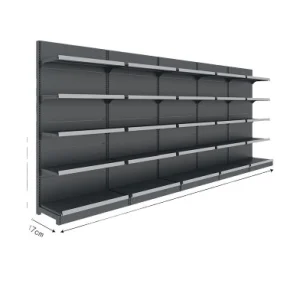
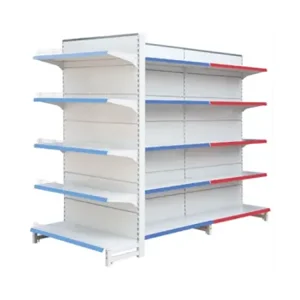
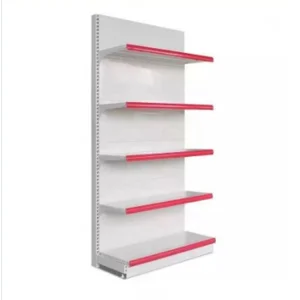
  • Commercial Retail & Supermarkets: Retail displays require clean aesthetics combined with high structural reliability. Gondola shelving configurations must allow easy adjustment of shelves, provide double-sided display surfaces, and integrate accessories like wire baskets and price tags, all while handling high customer traffic.

6. Quality Assurance & Structural Safety Testing

At Shenzhen Chaoyu Goods Shelf Co., Ltd., quality control is managed by a team of 35 dedicated QC specialists. We conduct testing at multiple stages of the manufacturing process:

Our testing procedures begin with raw material verification. We perform chemical spectrum analysis on incoming steel coils to ensure yield strengths meet standard benchmarks. Post-forming, we verify structural thickness to confirm that nominal gauges match finished tolerances. During welding, we conduct ultrasonic weld inspections on critical load joints, particularly for heavy-duty columns and support plates. Finally, our finishing process uses a continuous powder coating line, and we perform impact tests and thickness measurements to ensure the protective barrier will withstand scraping from pallets over time.

Knowledge Base

Frequently Asked Questions: Racking Design & Safety

In-depth structural and engineering answers regarding system design, material properties, and installation specifications.

1. What material grades are used in Chaoyu's racking structures, and how do they handle heavy load capacities?
Our heavy-duty industrial storage racks are constructed using high-tensile cold-rolled steel (grades like Q235B and Q355B, equivalent to ASTM A36 and ASTM A572 Grade 50). This choice of steel provides the structural stability and yield strength required for tall, loaded racking configurations. We verify material thickness using digital micrometers and perform periodic tensile testing to ensure consistency with our design criteria.
2. What certifications govern your production process, and how is quality verified?
Shenzhen Chaoyu Goods Shelf Co., Ltd. operates under ISO 9001:2015 certification. Our factory processes are designed to align with CE requirements and RMI structural standards. Quality control begins with steel coil chemistry verification and proceeds through ultrasonic weld inspections, automated paint-thickness testing (ensuring 60-80 microns of powder coat coverage), and physical stress-load testing of product batches.
3. How does corrosion protection affect the service life of these storage shelves?
Corrosion protection is a key factor in long-term structural safety, especially in high-humidity climates or temperature-controlled cold storage. We use an automated electrostatic powder-coating process with high-grade epoxy-polyester coatings, cured at 180-200°C. This creates a hard surface barrier resistant to impact scratches and chemical corrosion. For highly demanding environments, we also offer hot-dip galvanized finishes.
4. Can the beam and shelf heights be customized, and what structural limits apply?
Yes, our selective pallet racks and gondola units feature adjustable connection points, typically spaced in 50mm or 75mm increments. When adjusting beam configurations, it is critical to consult our engineering group. Changing the distance between beam levels alters the unsupported height of the upright frames, which can change the overall system load rating.
5. How does Chaoyu handle customized layouts, and what design information is required?
Our design team uses 2D CAD and 3D modeling software to design custom warehouse layouts. To begin layout design, we require: building dimensions (including ceiling clearance), slab load-bearing limits, forklift models and minimum aisle clearances, pallet dimension and weight profiles, and local seismic design requirements. With this data, we can optimize vertical cubic storage space while maintaining required safety parameters.
6. What is the typical lead time for large international projects?
Standard manufacturing timelines range from 20 to 30 days once engineering drawings are approved and raw materials are prepared. With an annual export volume exceeding $18 million and a network of 850 supply chain partners, we maintain consistent raw material sourcing, which helps keep project schedules predictable for our global client base.