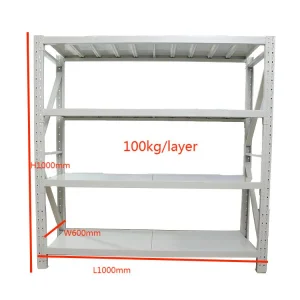
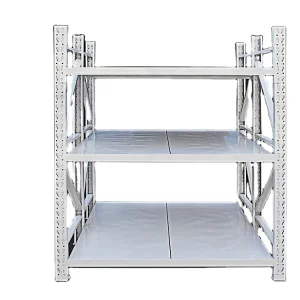
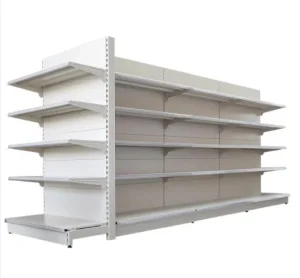
Explore our highly durable, professional-grade retail displays and warehouse shelves engineered for maximum load bearing and configuration flexibility.
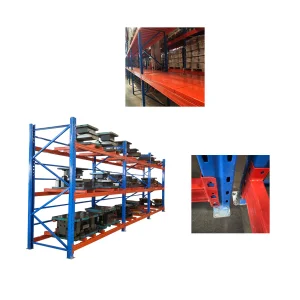
In the modern era of automated industrial logistics, land acquisition prices and operational throughput demands are reshaping warehouse layouts globally. The push-back storage racking system, operates on the Last-In, First-Out (LIFO) inventory model, has emerged as a premium solution for high-density storage challenges. By placing nested carts that ride on inclined rails, these systems utilize gravity-assisted mechanics to transition pallets effortlessly. Sourcing managers in North America, Europe, and Asia-Pacific face complex tasks when looking for industrial racking partners: they must negotiate custom pallet weight limits (typically 500kg to 1500kg per position), ensure structural resilience under seismic movements, and guarantee alignment with local regulatory criteria.
Our field research highlights a significant shift in logistics infrastructure. Today's procurement strategies prioritize manufacturers who control the entire life cycle of steel processing. Rather than using third-party components, leading global suppliers process raw steel structures inside automated mills, assuring uniform gauge thickness and reliable structural joints. Additionally, push-back storage minimizes forklift operations in rack lanes, protecting structural steel columns from forklift impacts. Consequently, procurement leaders choose suppliers who provide structural channel guards, heavy-duty guide rails, and customized cart arrays suited for standard EUR and GMA pallet formats.
Maximizes storage capacity up to 75% compared to selective rack layouts by eliminating access aisles, converting unused air space into efficient pallet lanes.
Minimizes retrieval times and forklift wear by consolidating pick-face zones, cutting warehouse utility and vehicle maintenance costs.
Utilizes gravity-driven nested carts that descend smoothly to the pick-face, preventing runaway pallets and eliminating product hang-ups.
Push-back racking systems must accommodate diverse operational dynamics across global warehouses. A standard food cold chain installation requires steel structures that withstand extreme temperatures down to -30°C. In such environments, cold-rolled steel requires special anti-corrosion treatments to prevent brittleness and coating degradation under thermal stress. Standard paints fail in sub-zero setups; therefore, advanced electrostatic epoxy powder-coating applied at thicknesses between 80 to 120 microns is essential to maintain structural integrity over decades of continuous use.
Furthermore, engineering the incline of push-back rails is critical. Too steep an incline (above 3.5%) causes pallets to roll down too quickly, increasing the risk of impact damage at the pick-face. Conversely, an incline below 1.5% may fail to return the trailing pallet to the aisle face, causing system hang-ups that disrupt workflow. Engineers must calibrate the gravity incline based on estimated pallet weight variance, wheel bearing coefficients, and dampening system specs. By integrating heavy-duty polyurethane wheels with sealed precision bearings, manufacturers ensure smooth cart movement and reduce rolling friction, providing reliable performance in high-throughput distribution hubs.
Corrosion-resistant finishes and custom low-temperature greased bearings ensure operations remain functional in cold storage facilities.
Configurable designs accommodate 2-pallet to 6-pallet deep arrays, engineered to support distinct load weights per level.
Reinforced upright columns and front safety bumpers deflect forklift bumps, maintaining system alignment and stability.
A Premier Global Manufacturer of Heavy-Duty Racking Systems and High-Density Warehouse Solutions
Founded in 2015, Shenzhen Chaoyu Goods Shelf Co., Ltd. is a premier manufacturer specializing in heavy-duty industrial storage racks, pallet racking systems, and customized warehouse logistics solutions. Operating from a modern 32,000 m² facility, we combine advanced manufacturing technology with rigorous quality control to deliver durable, scalable, and space-optimizing storage products to clients worldwide.
With over 11 years of industry expertise and 8 years of international export experience, Chaoyu generates an annual export revenue exceeding $18 million USD. Our primary markets span North America, Europe, Southeast Asia, and the Middle East, serving high-volume client segments including logistics distribution centers, industrial manufacturing hubs, third-party logistics (3PL) providers, and major retail chains. Supported by a robust network of more than 850 trusted supply chain partners, we ensure high-standard raw material sourcing and on-time delivery across all international projects.
Quality assurance is integral to our operations. Our dedicated team of 35 QC specialists conducts strict multi-stage quality inspections, including incoming steel spectrum analysis, automated weld defect detection, powder coating thickness tests, and real-time load capacity simulation testing to guarantee full structural safety and compliance.
Innovation drives our competitive edge. Powered by an experienced R&D team of 18 engineers, Chaoyu released over 120 new storage designs and customized racking solutions last year alone. We offer fully versatile OEM and ODM customization options, including dynamic layout planning, load-bearing specification tailoring, custom powder-coating colors, and anti-corrosion surface treatments. Whether executing complete automated warehouse installations or custom heavy-duty unit racks, Shenzhen Chaoyu Goods Shelf Co., Ltd. delivers high-performance storage solutions tailored to every client's operational workflow.
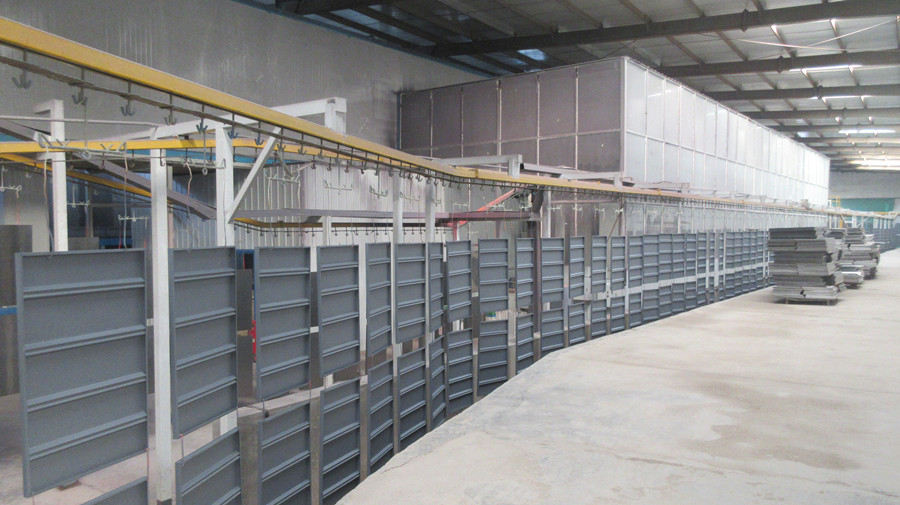
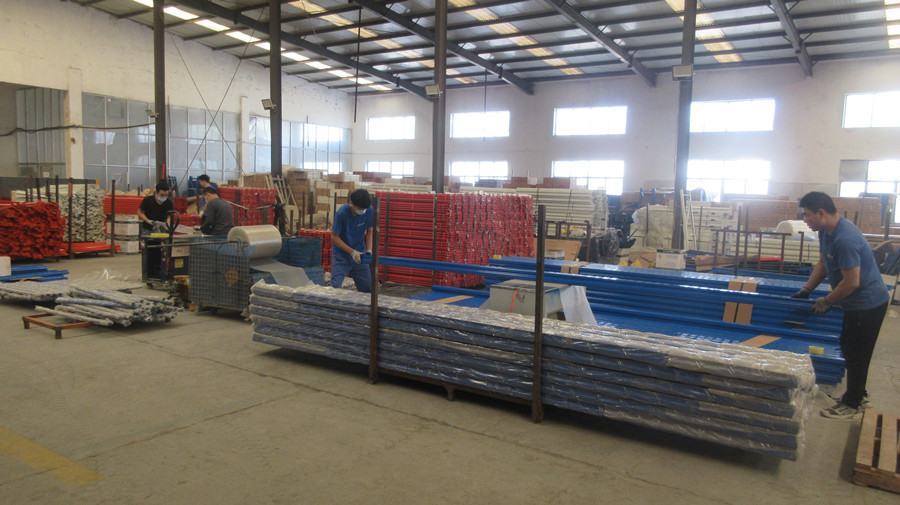
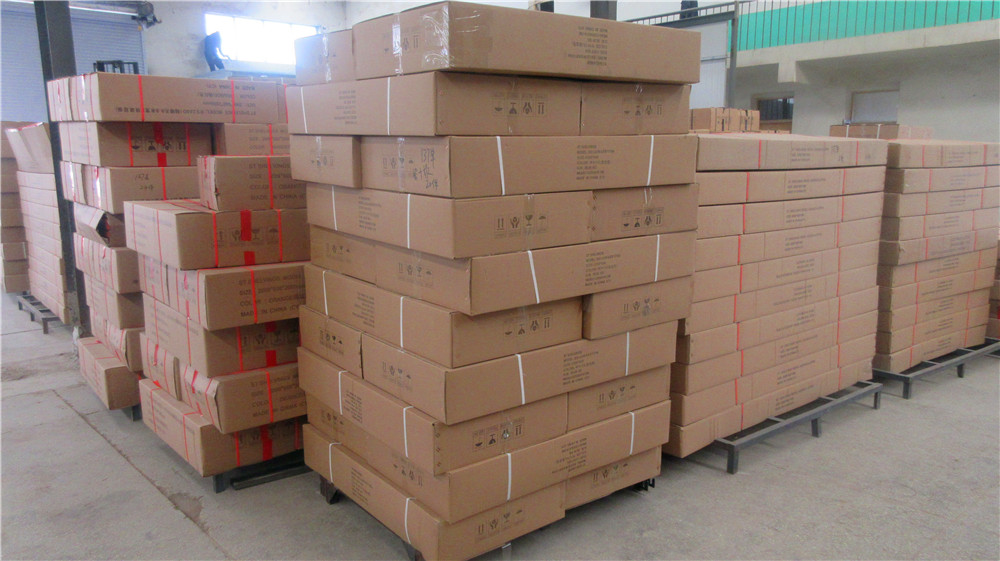
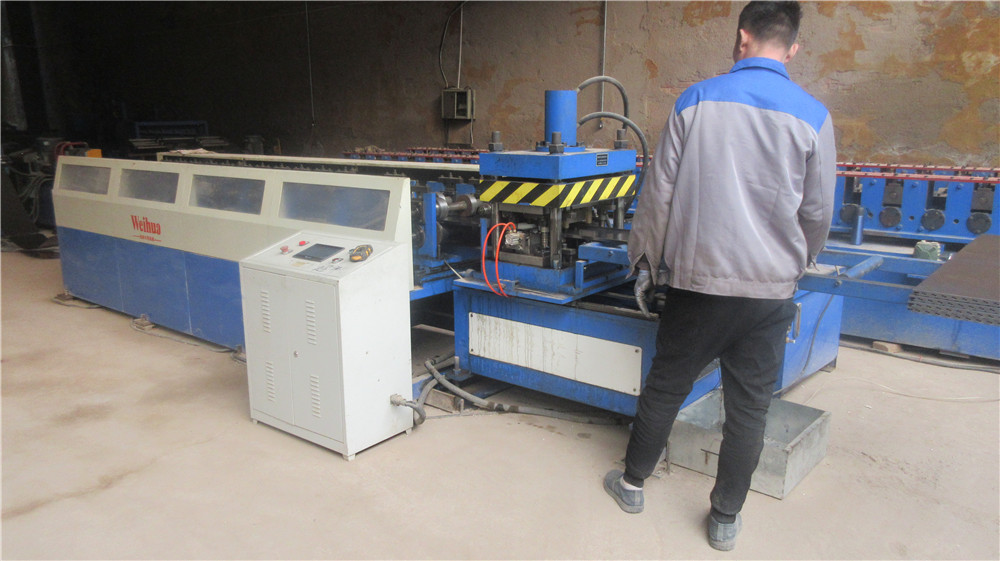
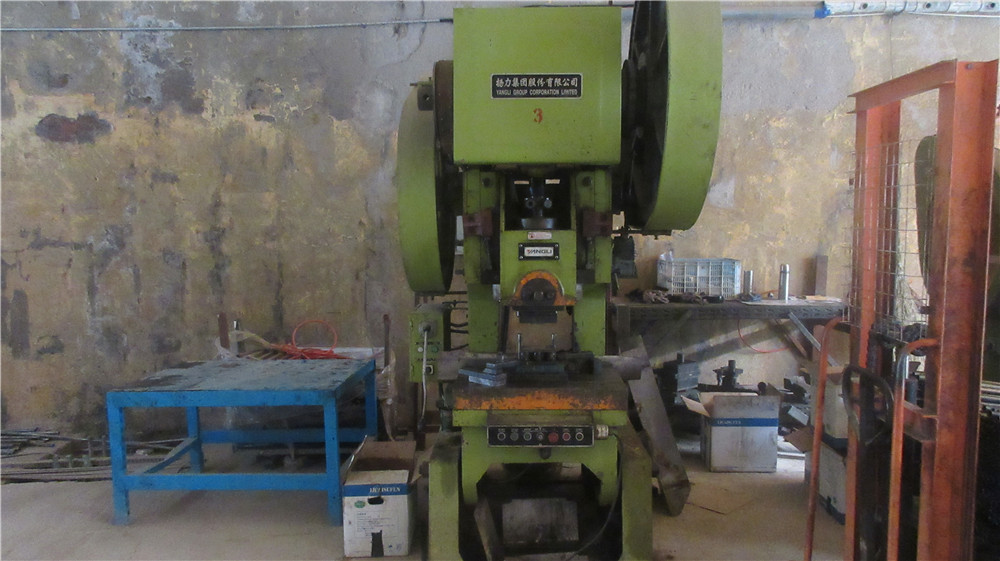
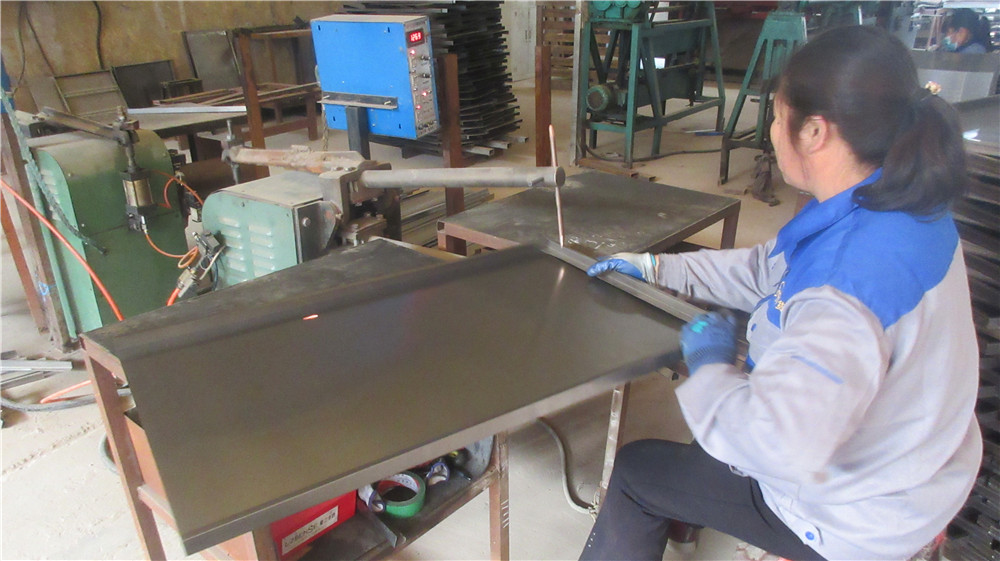
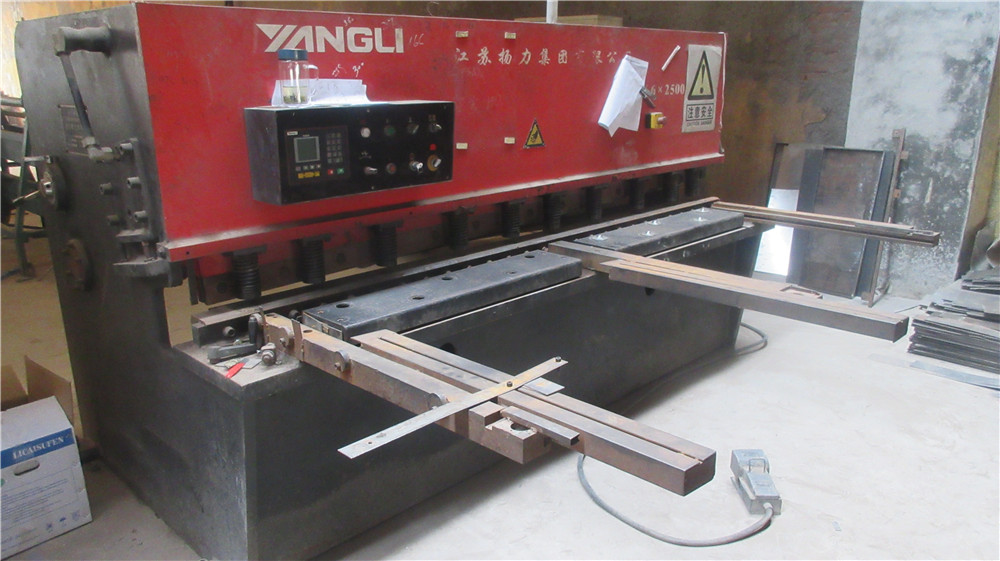
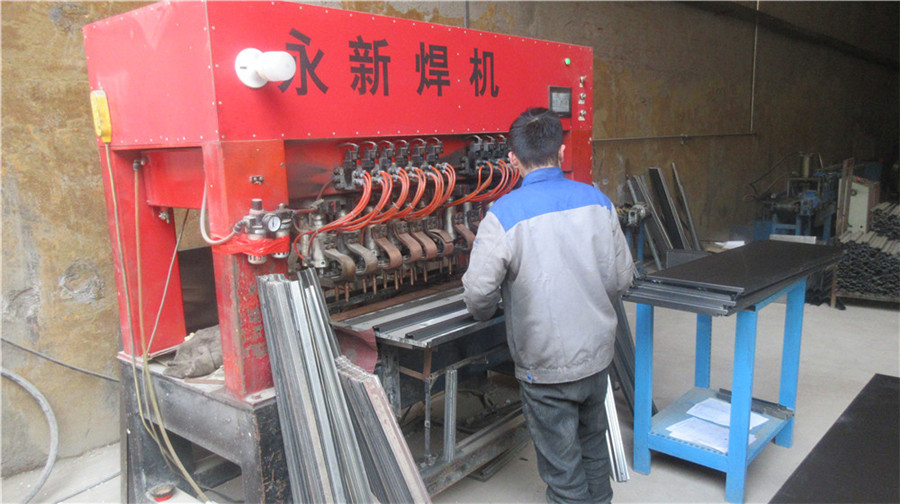
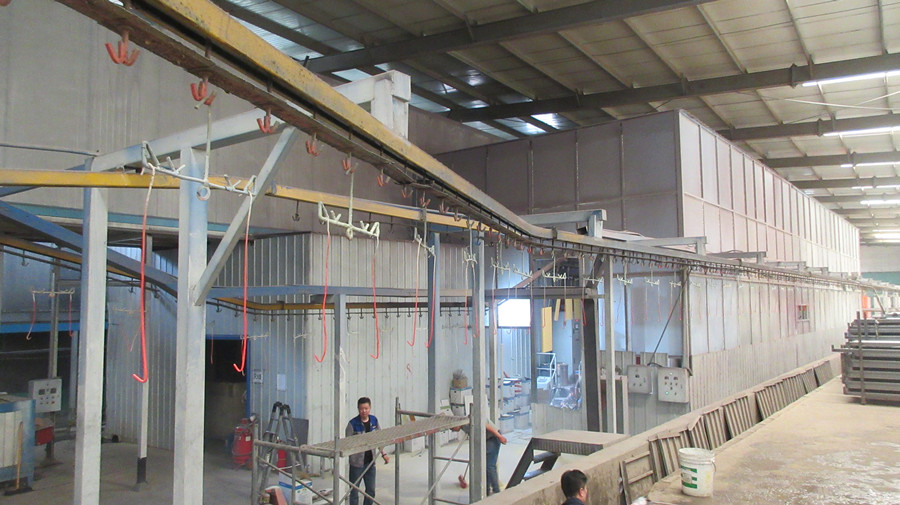
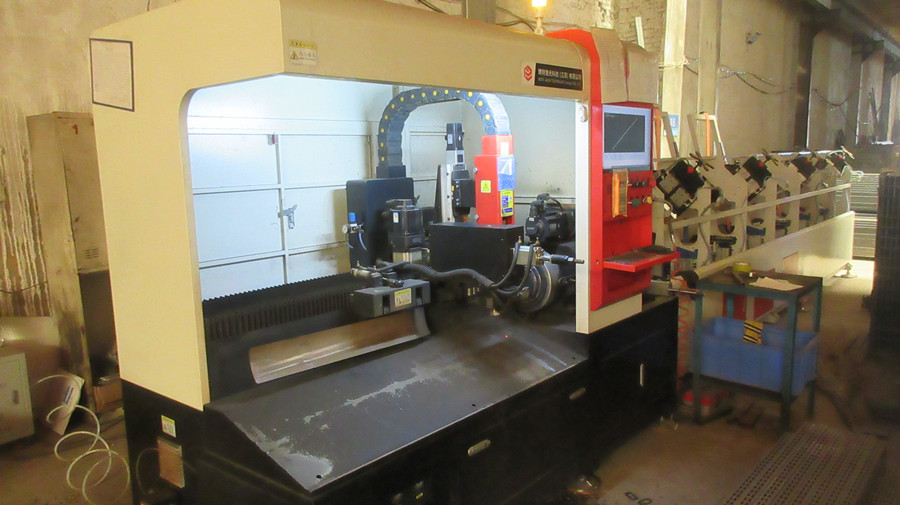
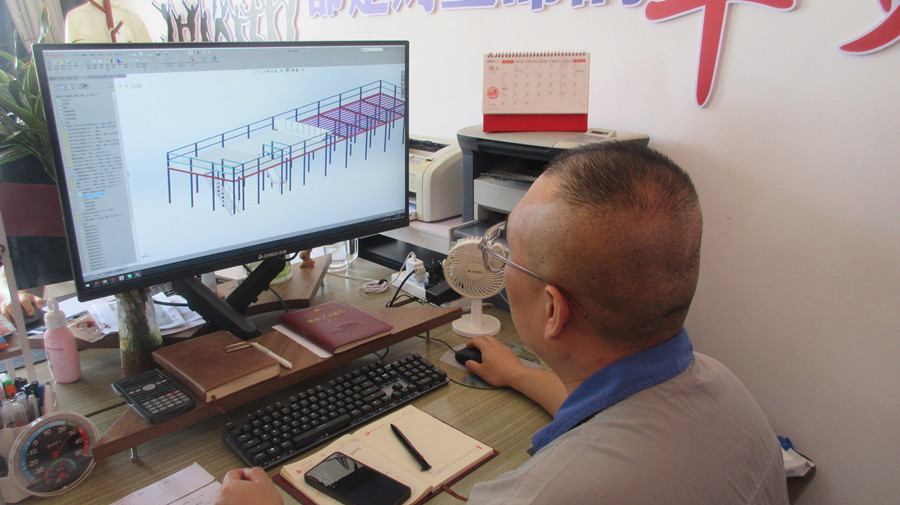
Discover our vertical integration process, from raw steel selection to precision machining and final quality inspection.
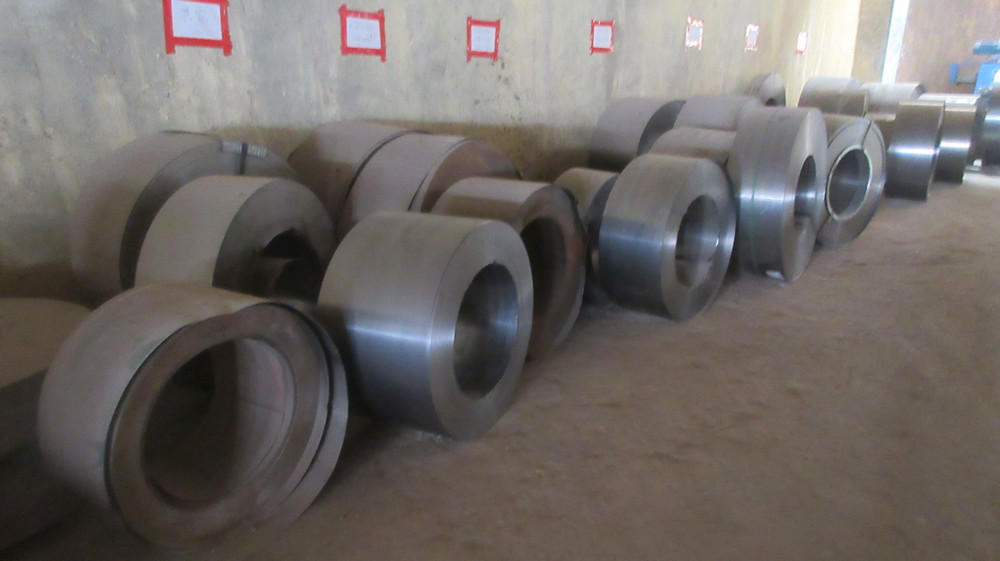
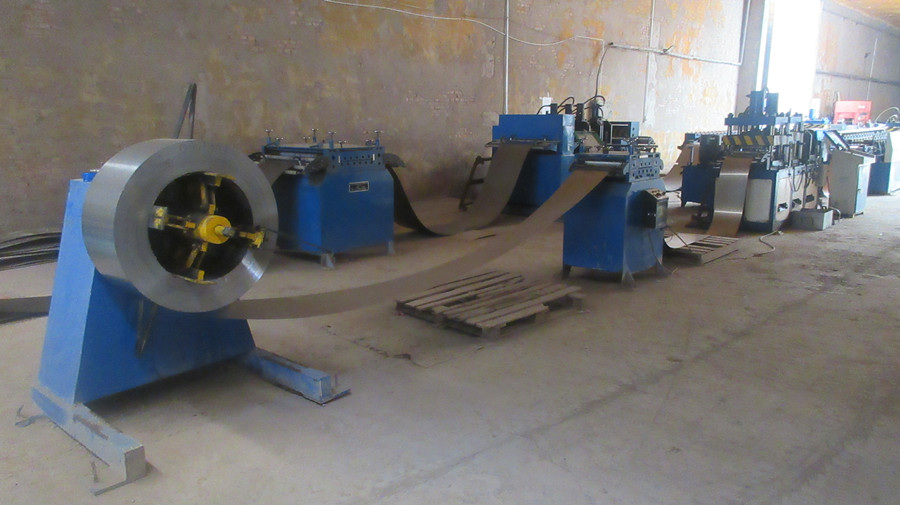
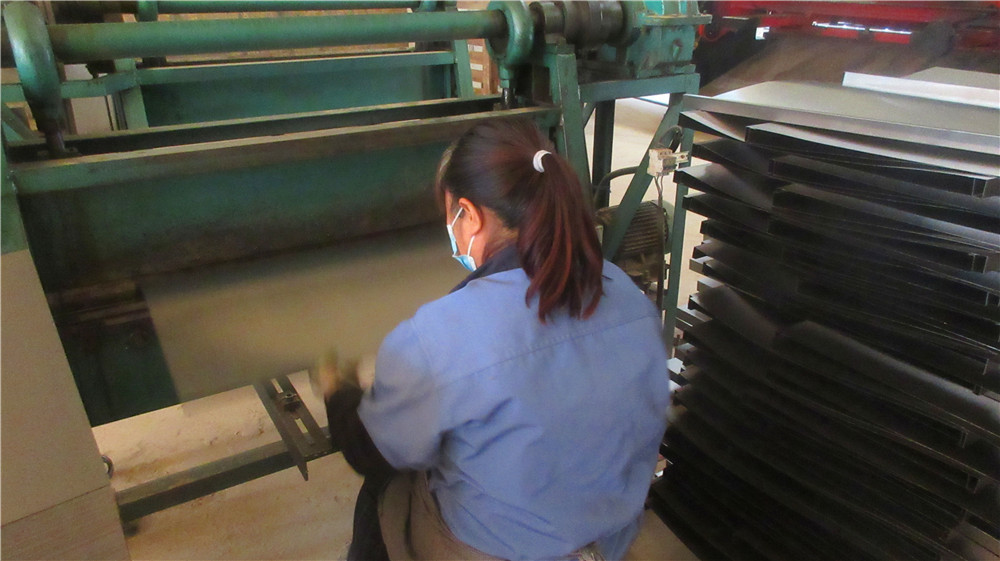
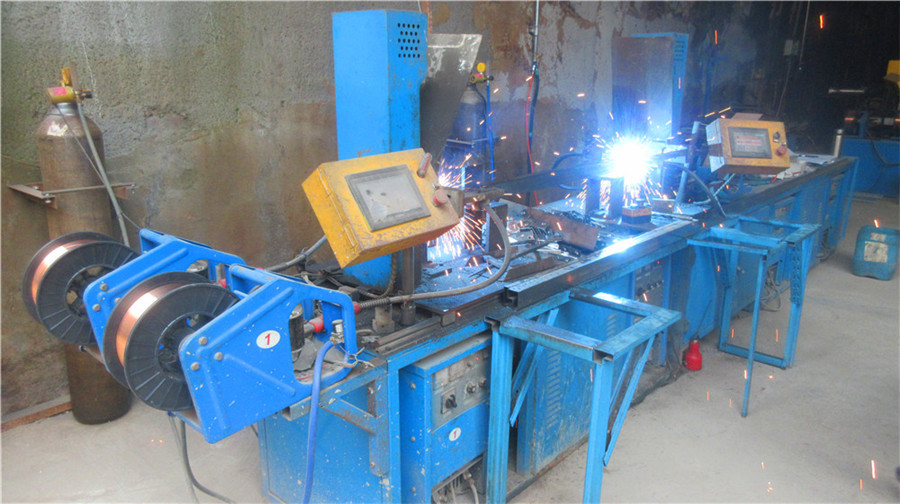
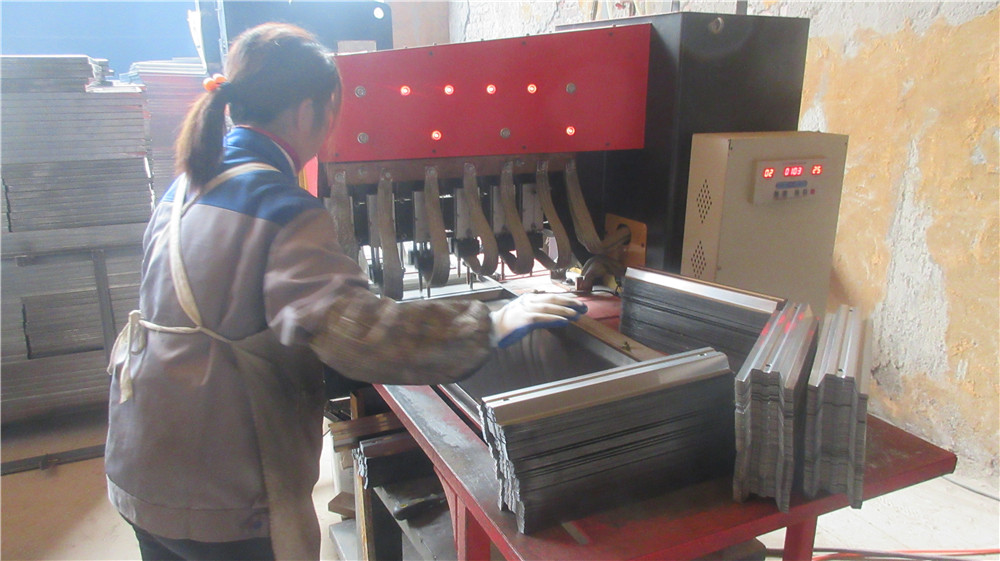
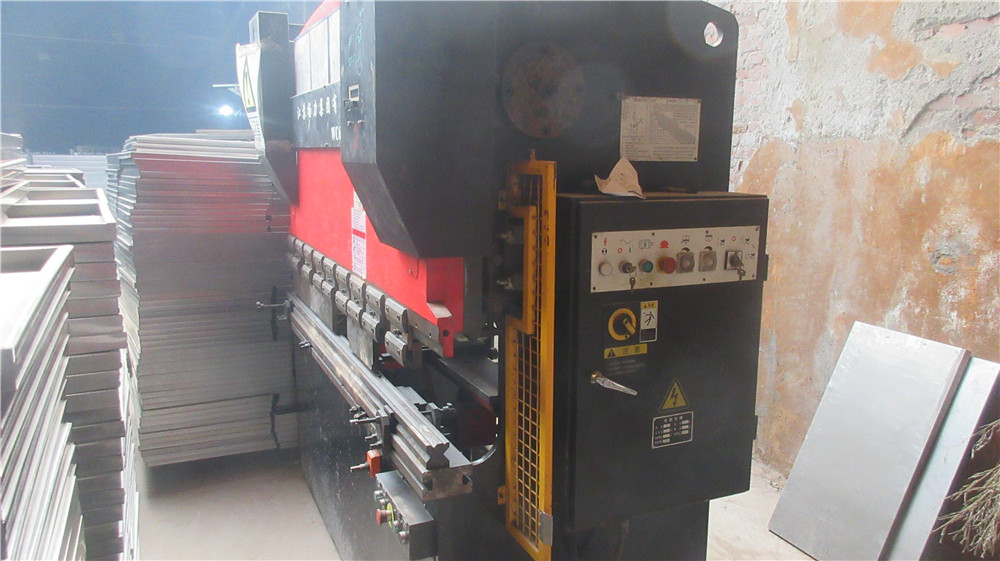
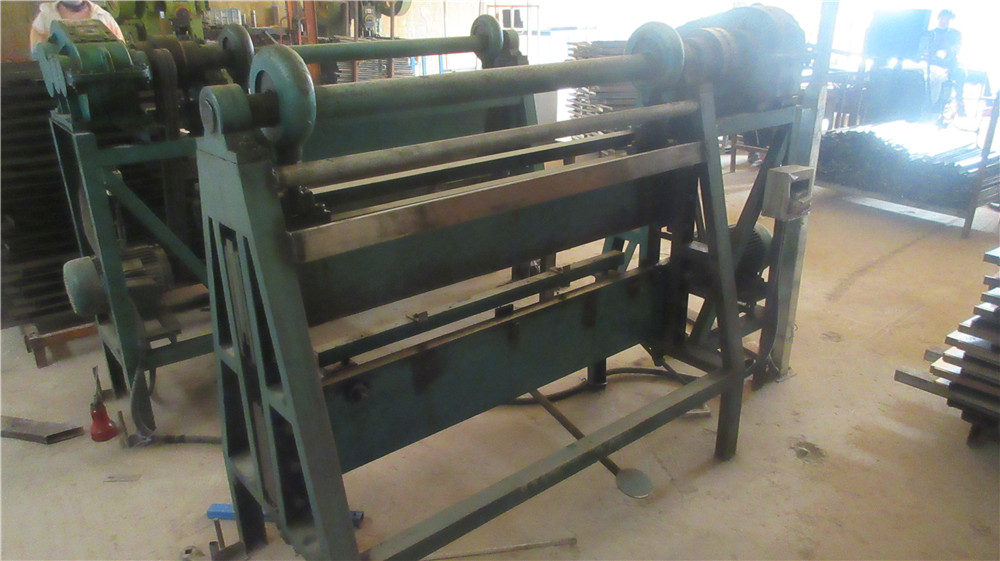
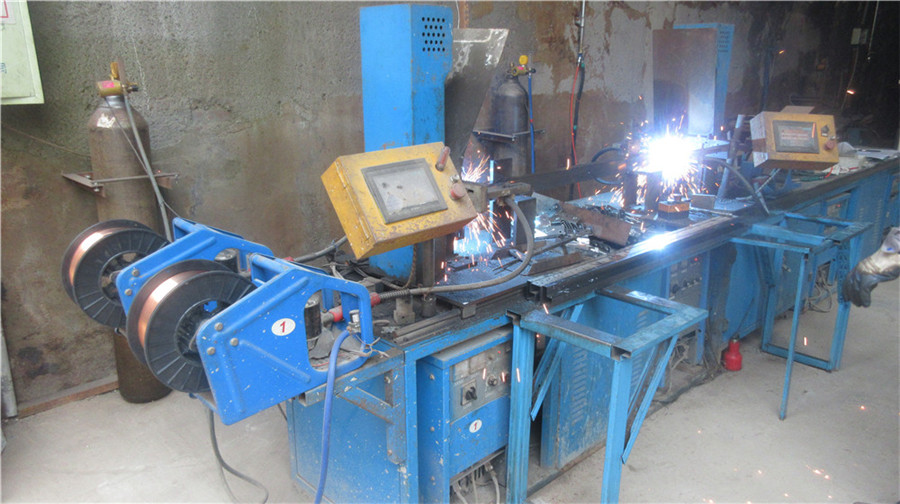
The future of warehouse material handling centers on integration with automated logistics. As warehouse management software (WMS) becomes more common, standard push-back storage systems are incorporating smart digital interfaces. Development is underway on smart carts equipped with RFID tags and infrared position sensors. These upgrades allow the system to transmit load weights, position metrics, and transit speeds in real time, helping prevent uneven weight distribution and structural strains.
Another major engineering trend is the development of hybrid push-back flow systems. By combining gravity-feed mechanics with slow-motion dynamic braking rollers, developers are creating deep-lane push-back configurations that extend up to 8 or 10 pallets deep. This setup combines the safety profiles of flow racks with the high-density space efficiency of push-back systems. Additionally, advancements in metallurgy have yielded high-tensile, low-weight micro-alloyed steel. This material allows racks to match traditional load capacities while using less material, helping global logistics firms reduce shipping footprints and raw material carbon emissions.
Real-time load and movement tracking sensors identify pallet jams and uneven weight distributions before they present safety hazards.
Engineered with high-tensile properties to support maximum loads while using less structural material, reducing overall dead load on warehouse concrete slabs.
Integrated dynamic deceleration systems manage pallet descent speeds in deep-lane configurations, reducing structural impact wear.
Compliance is a critical factor for global warehouse infrastructure. Storage racking must adhere to specific local standards depending on the destination market. In North America, structural calculations must meet the specifications of the Rack Manufacturers Institute (RMI). In Europe, designers follow the EN 15512 and FEM 10.2.02 guidelines, which govern test procedures and design requirements for adjustable steel pallet racking. Sourcing from factories that ignore these structural load standards can lead to regulatory delays, insurance issues, or even catastrophic structure failures under load.
Shenzhen Chaoyu Goods Shelf Co., Ltd. addresses these challenges by implementing strict quality control systems. We source structural steel from certified domestic mills, verifying chemistry and mechanical properties through spectral analysis. Racking frames undergo finite element analysis (FEA) to confirm safety margins under dynamic and seismic forces. Additionally, we provide detailed layout engineering drawings, calculation profiles, and installation guidelines, ensuring that projects pass local municipal inspections and operate safely from day one.
All load-bearing calculations are verified to meet international standards, simplifying local engineering approvals.
We source heavy steel profiles exclusively from certified domestic steel mills, ensuring uniform wall thickness and structural yield strength.
We engineer rack frames with custom baseplates and frame geometry to ensure structural stability in active seismic zones.
Get answers to common technical, structural, and procurement questions from our senior engineering team.
The core difference lies in the inventory management flow. Push-back racking systems operate on a Last-In, First-Out (LIFO) model, where pallets are loaded and retrieved from the same aisle. Forklifts push front pallets back to store new inventory on nested carts. Gravity flow racking systems operate on a First-In, First-Out (FIFO) model, using separate loading and unloading aisles. In gravity flow systems, pallets travel down inclined roller tracks from the loading face to the picking face.
Typically, push-back racking systems support configurations from 2 to 6 pallets deep per lane. Load capacities generally range from 500kg to 1,500kg per pallet position. System height is primarily limited by the lift reach of your warehouse forklifts and the building's clear ceiling height, though most installations stay within 9 meters to maintain forklift visibility and operational safety.
We employ a team of 35 QC specialists who monitor every phase of production. We conduct ultrasonic and magnetic particle inspections on critical load joints to detect internal weld flaws. Additionally, our testing lab performs load capacity tests to confirm that rack components meet design specifications before shipment.
For standard warehouses, we apply an electrostatic powder coating. For high-humidity or cold-storage environments, we offer hot-dip galvanized steel components or epoxy-based coatings. These treatments prevent oxidation and maintain structural strength down to -30°C.
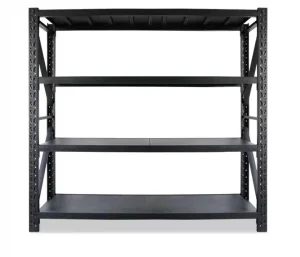
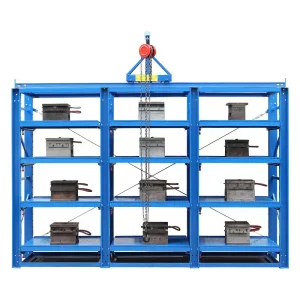
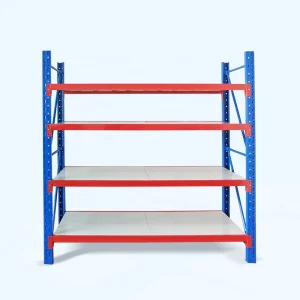
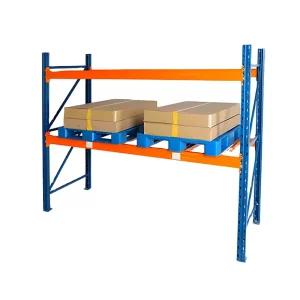
Explore our selection of heavy-duty warehouse racking systems, transport accessories, and industrial mold storage solutions.
 Chaoyu Storage