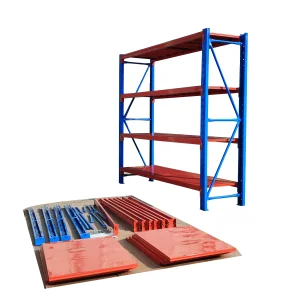
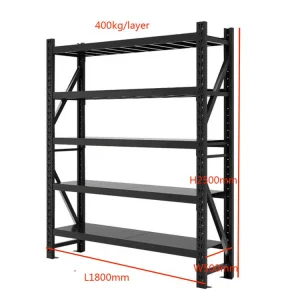
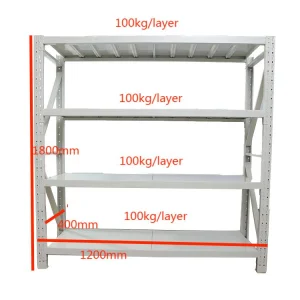
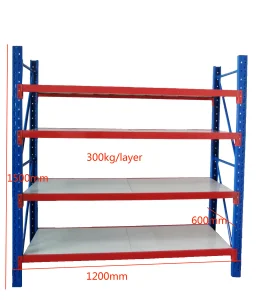
Explore our signature catalog of high-durability cold-rolled steel stacking racks, structural shelving modules, and warehouse utility platforms.
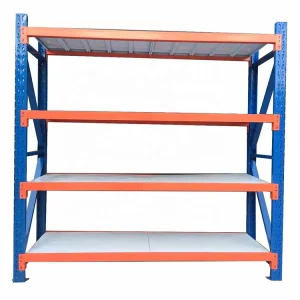
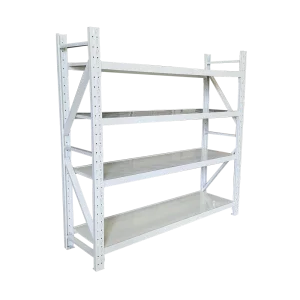
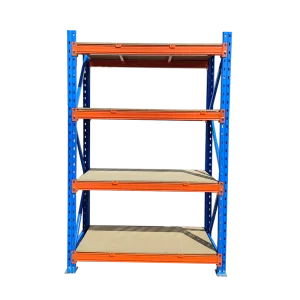
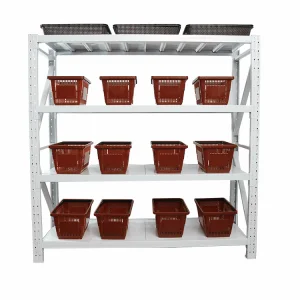
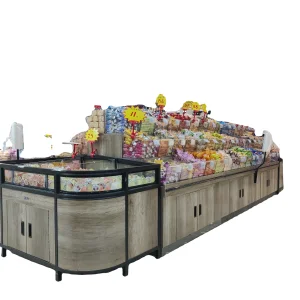
In modern industrial logistics, static storage is rapidly giving way to dynamic, highly modular warehousing layouts. Heavy-duty stacking racks—also called stackable storage racks or post pallets—represent a crucial evolution in spatial optimization. As supply chain volatility challenges traditional distribution hubs, global enterprises face the critical requirement to dynamically scale footprint capacities in response to seasonal peaks, shifting product lines, and volatile transport schedules.
Standard fixed selective racking structures offer rigidity and high initial capital expenditure. In contrast, portable stacking racks deliver unparalleled versatility. Engineered with structural base plates and removable heavy-duty columns, stack racks enable rapid multi-tier vertical alignment without requiring fixed floor anchor bolts. This allows warehouses to transition overnight from open, dynamic distribution zones to high-density bulk storage lanes. By utilizing the vertical volume (up to 4–5 units high), enterprises achieve a spatial compression ratio of up to 400%, maintaining absolute cargo integrity and protecting goods against crushing or operational damage.
Modern supply chains demand "Elastic Warehousing." Stacking racks act as modular storage pods. When not in use, they are collapsible or nestable, reducing warehouse floor occupancy by up to 80% and drastically reducing logistics freight costs on return shipments.
China's heavy-duty manufacturing ecosystem provides unique material and structural advantages. From direct raw steel processing to automated surface coating, China-based manufacturers like Shenzhen Chaoyu Goods Shelf Co., Ltd. integrate upstream steel production and downstream precision machining. This results in cost efficiencies, high material quality, and rapid prototyping turnaround times.
The efficiency of Chinese factory clusters lies in the dense integration of key manufacturing stages:
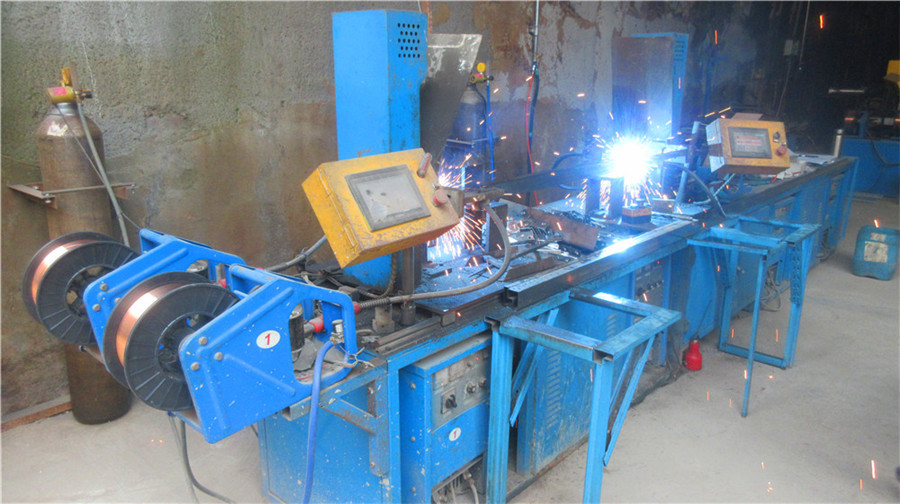
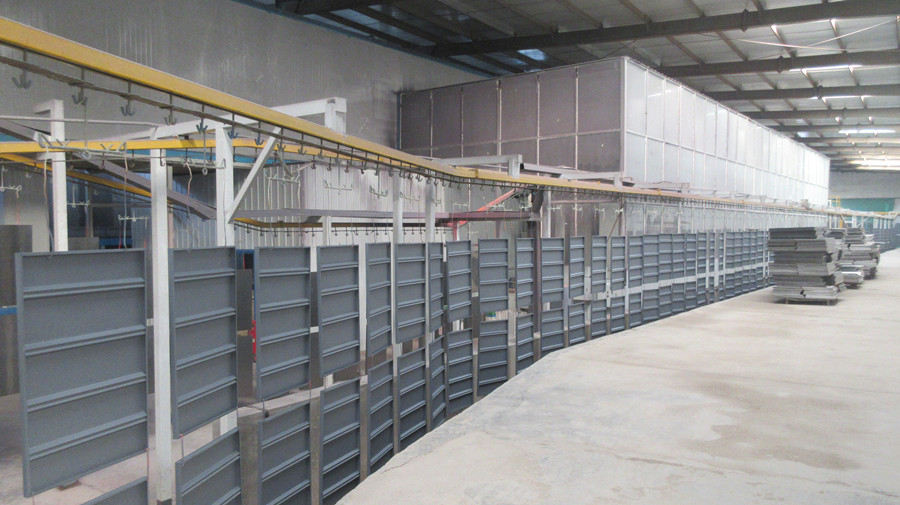
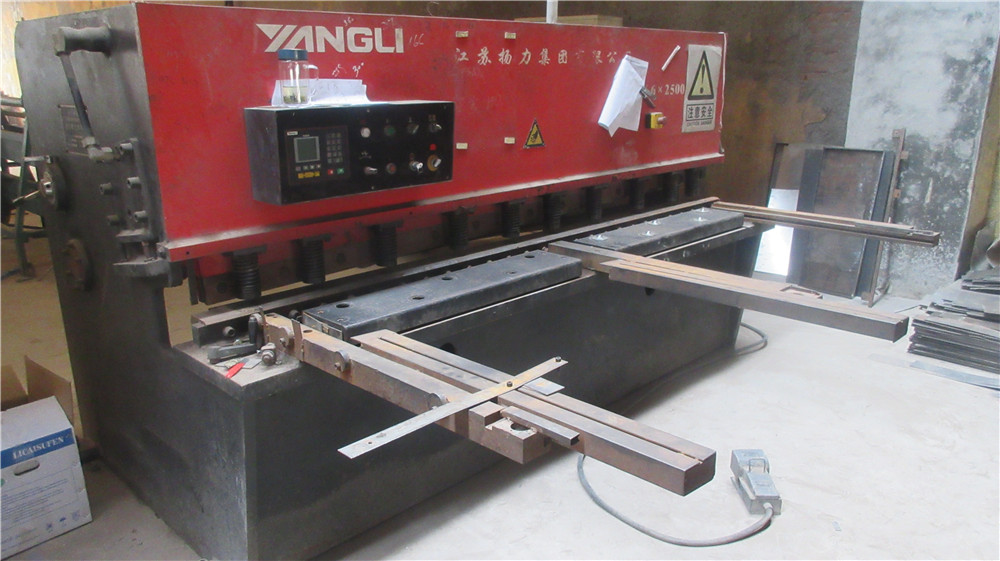
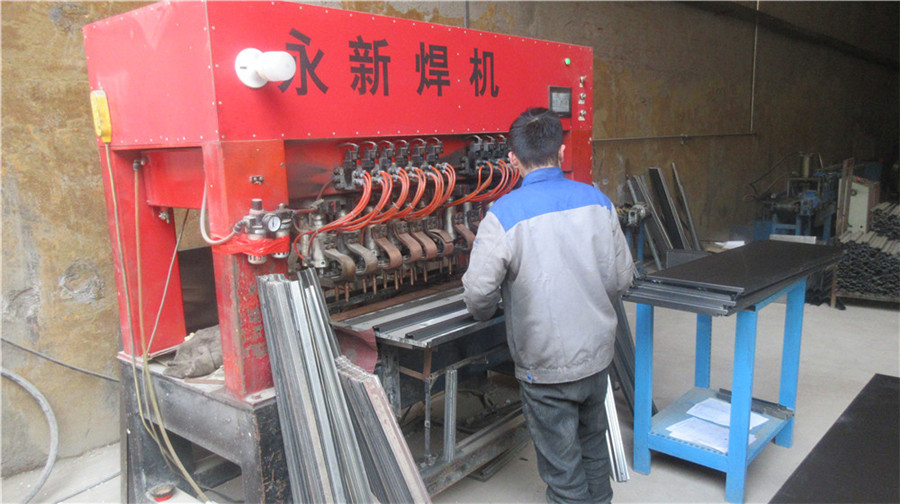
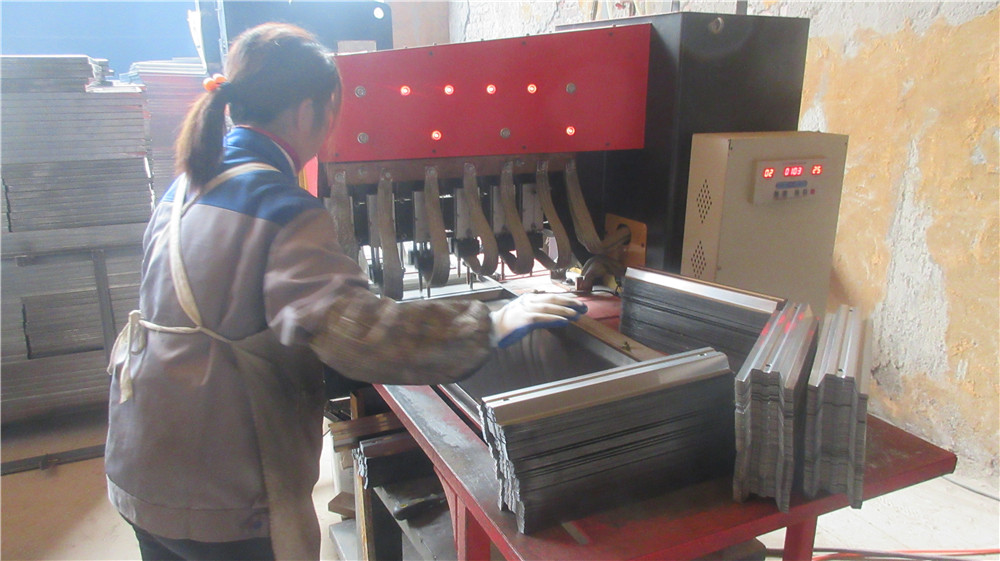
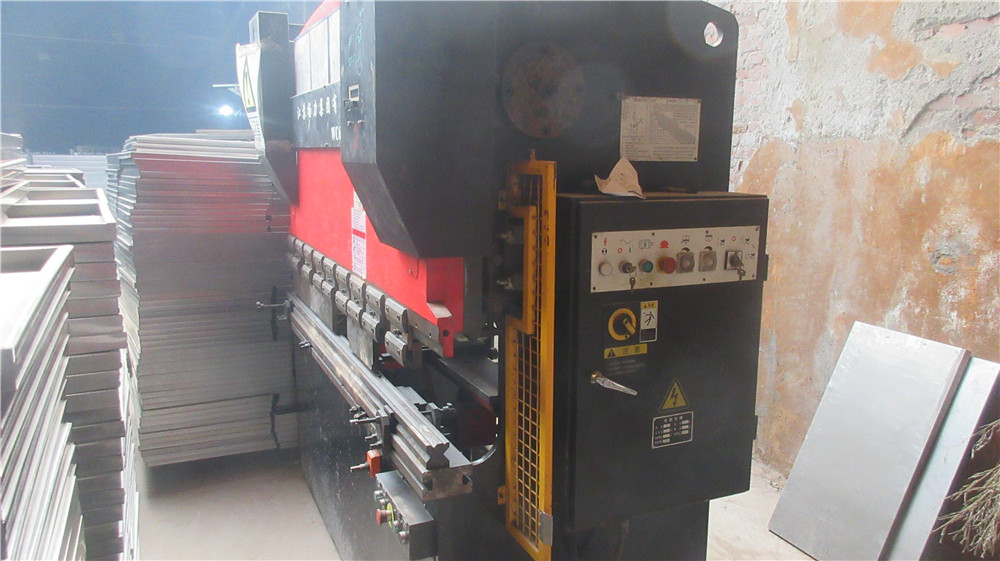
By sourcing raw Q235 and Q345 grade steel direct from state-owned high-capacity mills, Chinese suppliers ensure mechanical properties meet or exceed ISO and ASTM standards. The integration of high-speed automatic rolling mills, 3D laser profiling machines, and automated electrostatic powder coating lines ensures consistent dimensional accuracy. This guarantees that stack components align seamlessly during assembly, preventing structural failures in high-density storage environments.
Founded in 2015, Shenzhen Chaoyu Goods Shelf Co., Ltd. is a premier manufacturer specializing in heavy-duty industrial storage racks, pallet racking systems, and customized warehouse logistics solutions. Operating from a modern 32,000 m² facility, we combine advanced manufacturing technology with rigorous quality control to deliver durable, scalable, and space-optimizing storage products to clients worldwide.
With over 11 years of industry expertise and 8 years of international export experience, Chaoyu generates an annual export revenue exceeding $18 million USD. Our primary markets span North America, Europe, Southeast Asia, and the Middle East, serving high-volume client segments including logistics distribution centers, industrial manufacturing hubs, third-party logistics (3PL) providers, and major retail chains. Supported by a robust network of more than 850 trusted supply chain partners, we ensure high-standard raw material sourcing and on-time delivery across all international projects.
Quality assurance is integral to our operations. Our dedicated team of 35 QC specialists conducts strict multi-stage quality inspections, including incoming steel spectrum analysis, automated weld defect detection, powder coating thickness tests, and real-time load capacity simulation testing to guarantee full structural safety and compliance.
Innovation drives our competitive edge. Powered by an experienced R&D team of 18 engineers, Chaoyu released over 120 new storage designs and customized racking solutions last year alone. We offer fully versatile OEM and ODM customization options, including dynamic layout planning, load-bearing specification tailoring, custom powder-coating colors, and anti-corrosion surface treatments. Whether executing complete automated warehouse installations or custom heavy-duty unit racks, Shenzhen Chaoyu Goods Shelf Co., Ltd. delivers high-performance storage solutions tailored to every client's operational workflow.
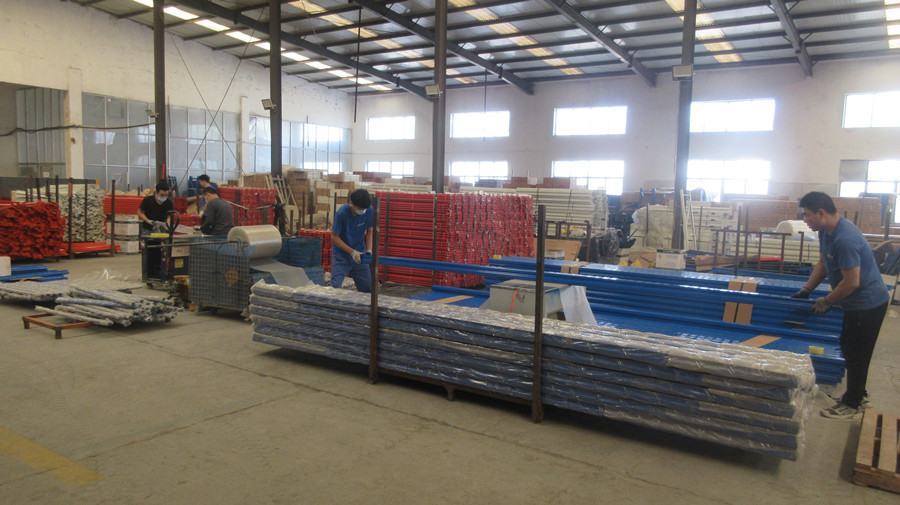
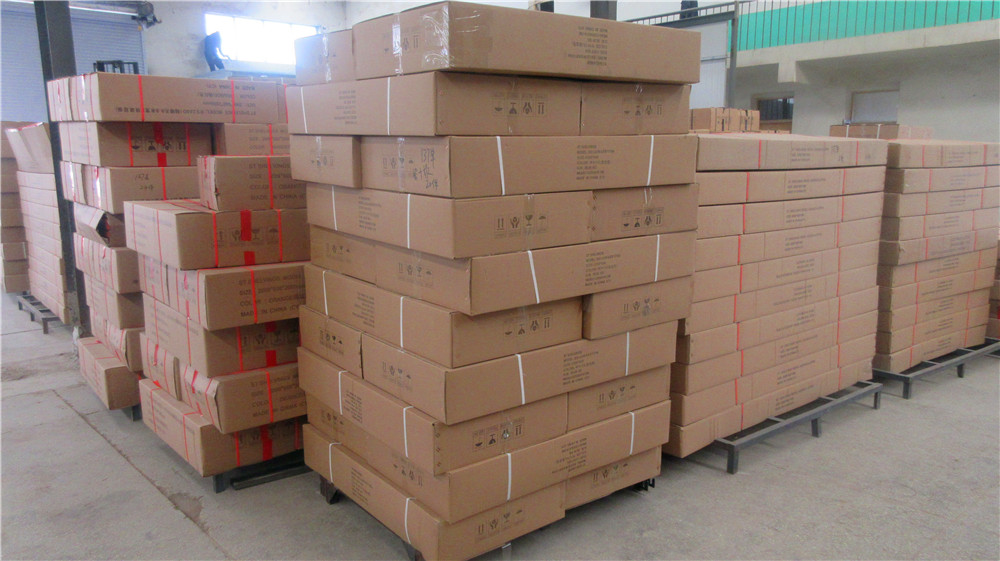
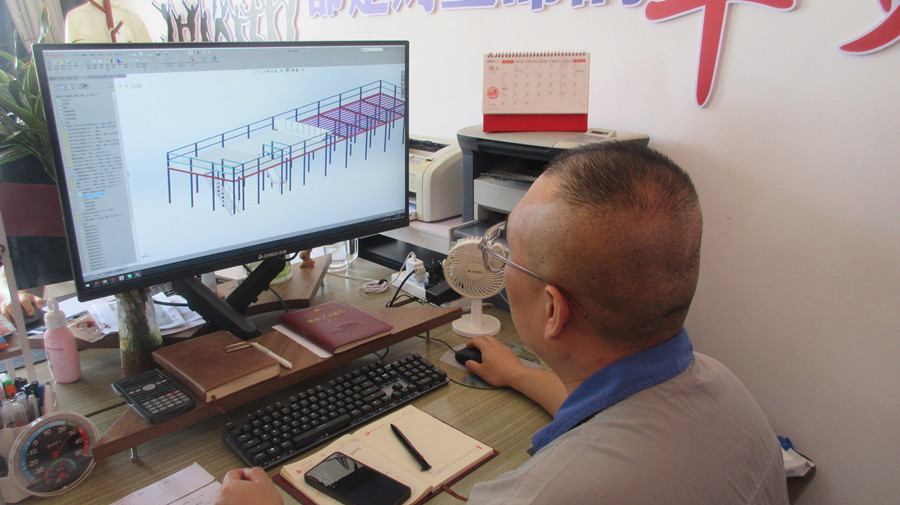
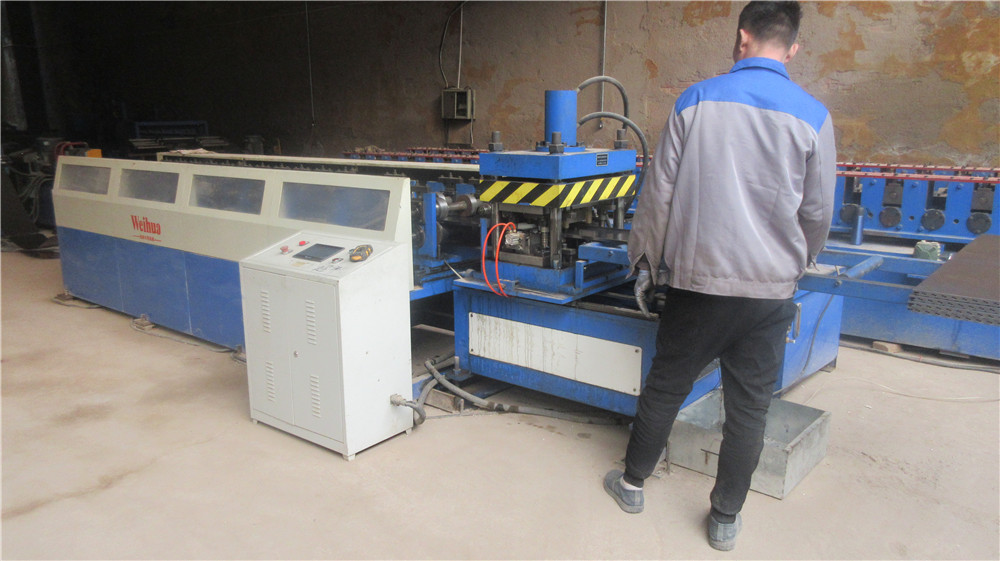
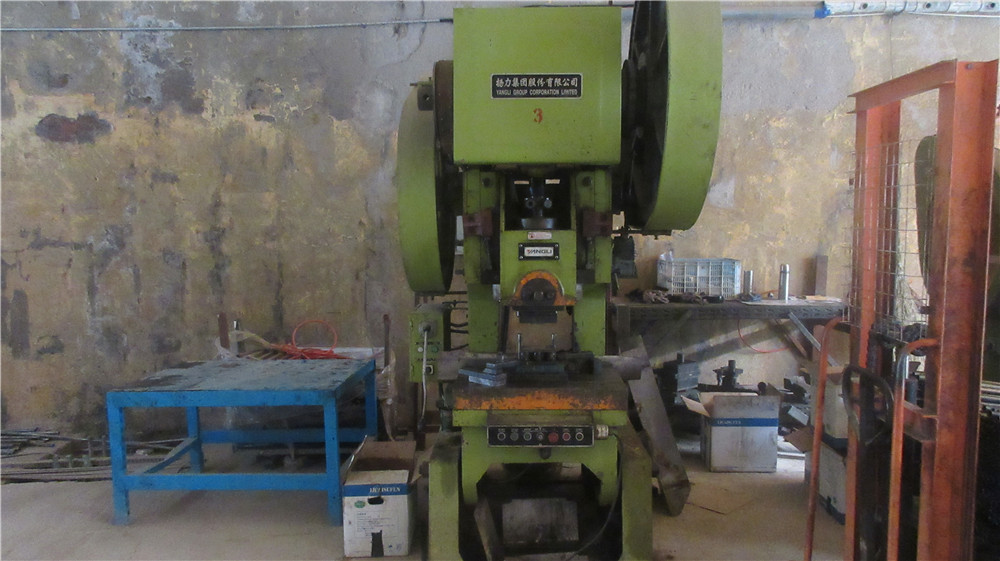
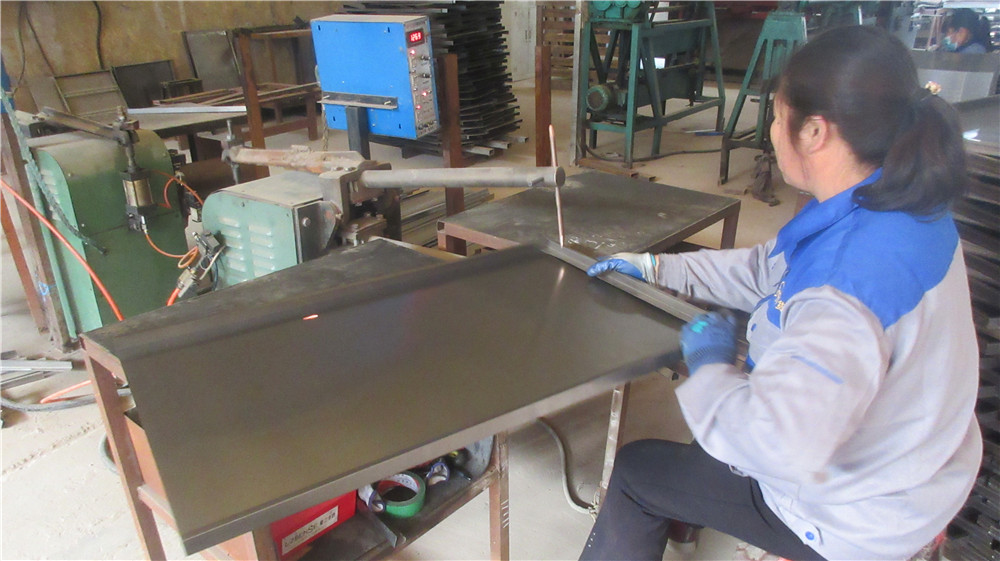
Our state-of-the-art facility utilizes precision tooling machinery to turn high-grade raw steel into structural racking solutions.
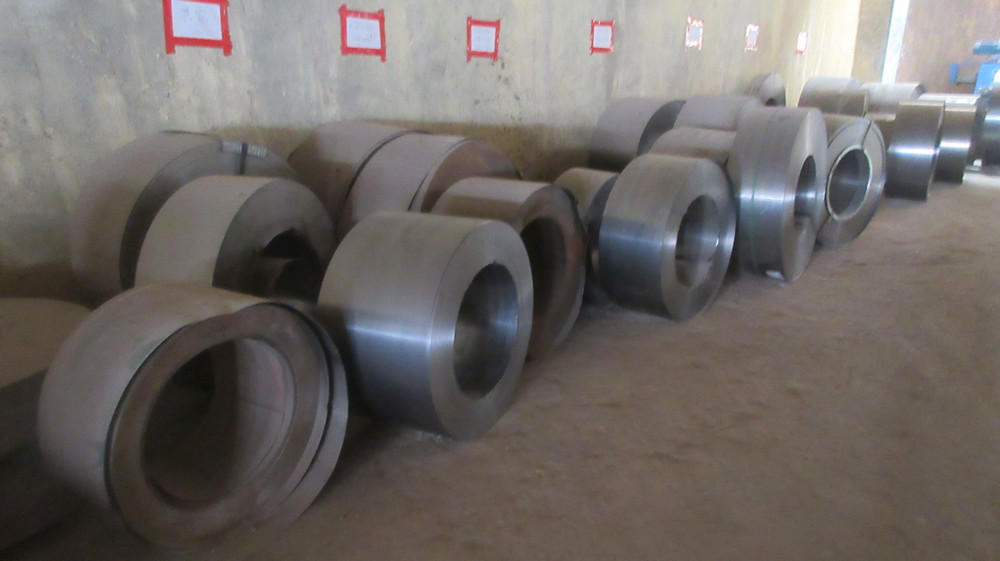
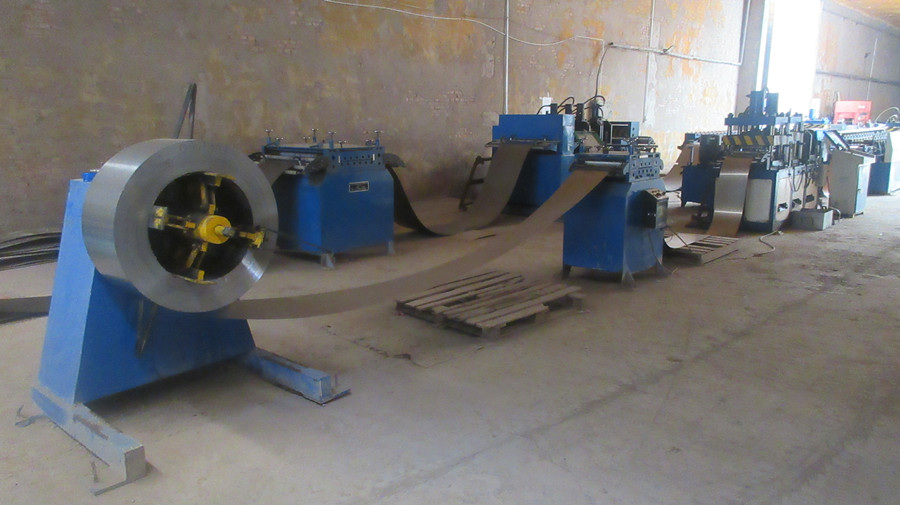
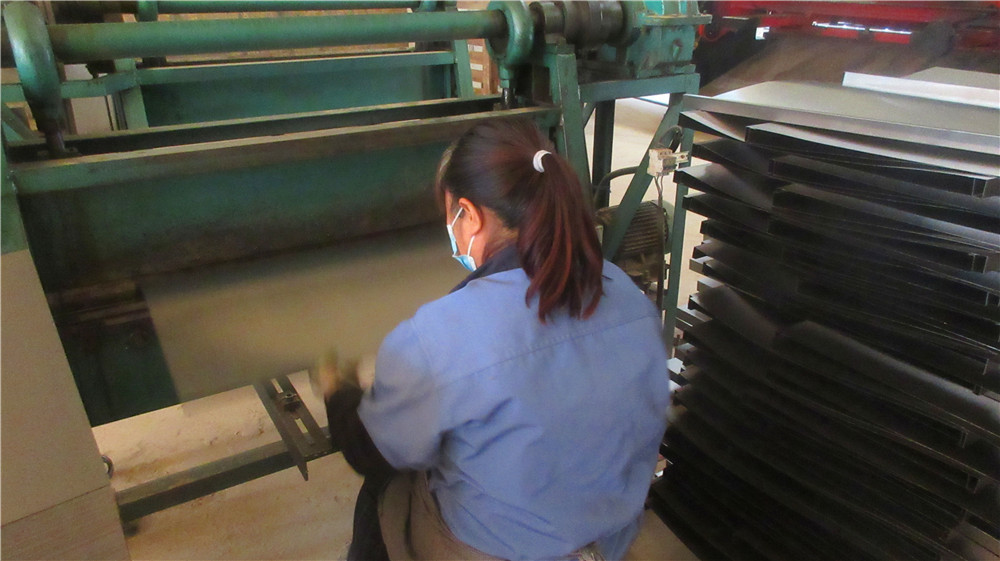
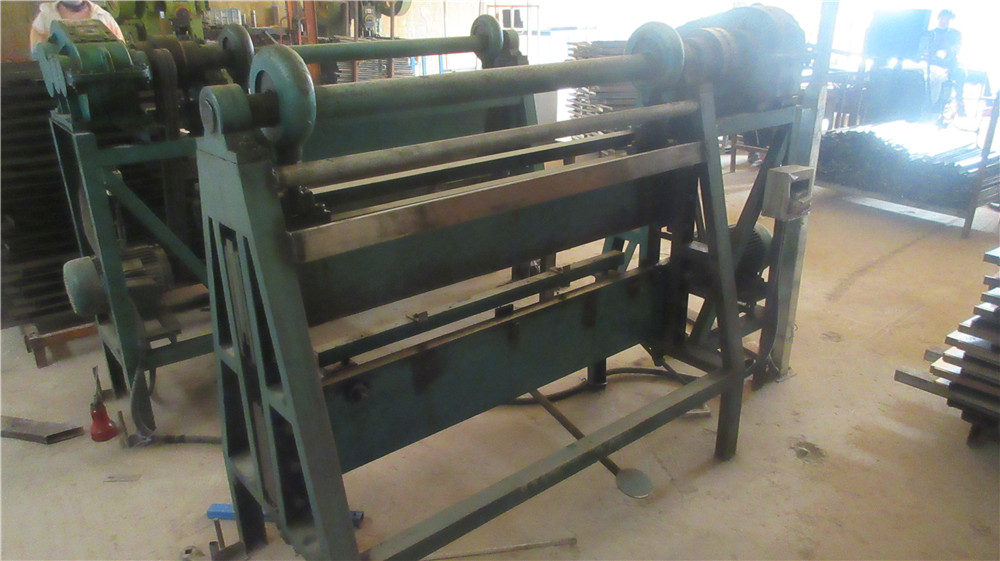
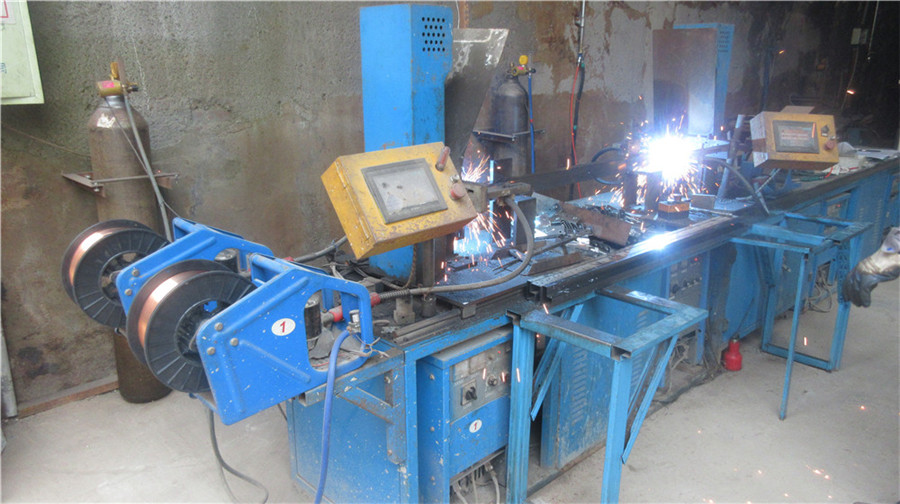
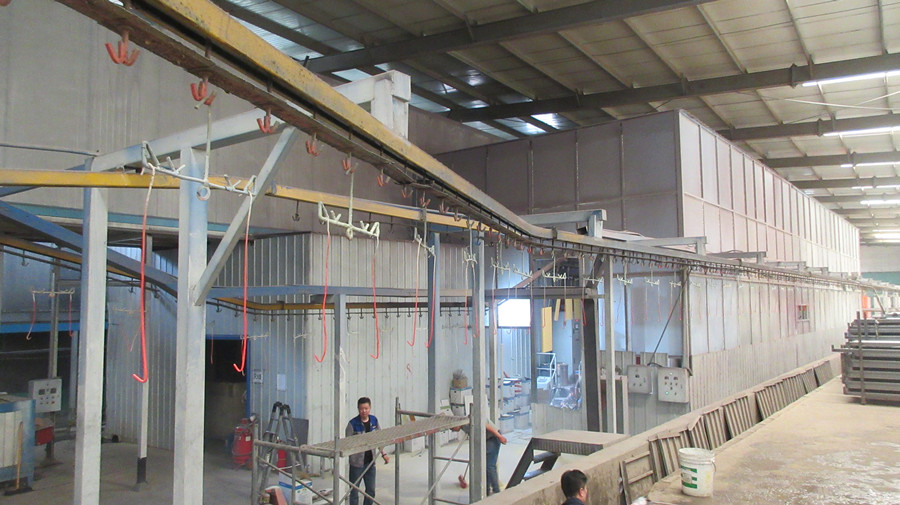
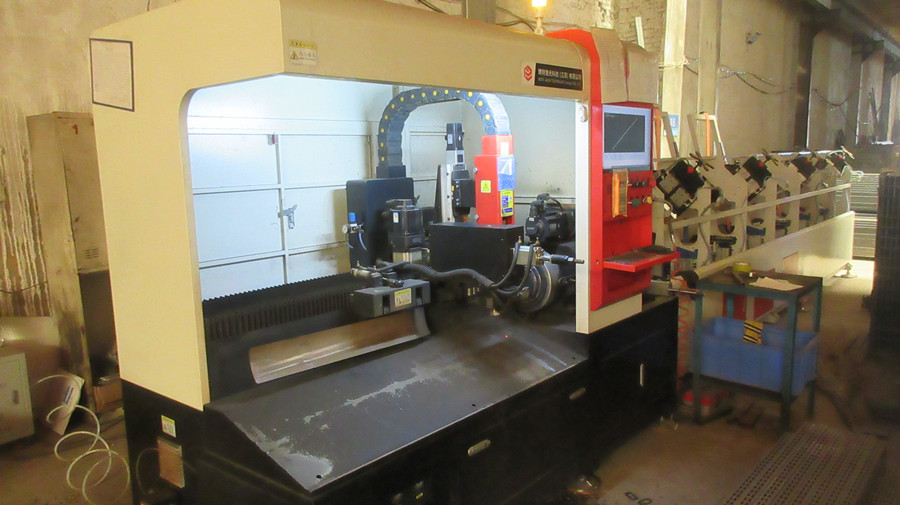
The structural design of stacking racks directly addresses specific storage challenges across multiple industries:
Cold storage warehouses operate at high costs per cubic meter. Under sub-zero conditions, typical wood pallets deteriorate, and standard bolted racking configurations are prone to structural stress due to thermal expansion and contraction. Galvanized and powder-coated stacking racks offer structural stability down to -40°C. By using open-air stacking configurations, cold air circulates freely around stored goods, reducing cooling energy costs by up to 15%.
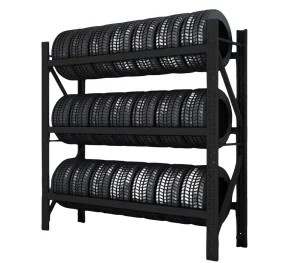
Large, awkwardly shaped items like automotive body panels and heavy commercial tires do not fit standard selective racking. Tailored stack racks—such as custom tire racks—provide secure vertical storage without deformation. Our high-grade cold-rolled steel prevents structural bowing, ensuring stability when stacked four to five units high.
During peak holiday seasons, fulfillment centers require high inventory storage capacity. During low-demand seasons, this space is cleared for packing and processing. Portable stacking racks can be quickly disassembled and nested. This allows warehouse managers to adjust the layout based on current demand, saving operational time and floor space.
The warehouse equipment sector is undergoing major changes driven by automation, sustainability, and strict safety regulations. High-performance stacking systems are evolving to integrate with modern Automated Storage and Retrieval Systems (AS/RS). Stacking racks must now meet precise dimensional tolerances of ±1.5mm to ensure reliable automated crane and robotic arm alignment.
Additionally, there is a strong focus on anti-corrosion finishes. Eco-friendly powder coatings that emit zero volatile organic compounds (VOCs) are replacing traditional paint processes. Industrial buyers also require comprehensive load-testing documentation, such as Finite Element Analysis (FEA) certificates, to verify safety limits. This step prevents material fatigue under continuous high load limits, mitigating structural risks over extended operation cycles.
Modern eco-coatings not only protect the steel from oxidation in humid or cold environments but also comply with stringent EU REACH and US EPA standards, preparing facilities for environmental audits.
When sourcing stacking racks from China, global buyers should assess key technical and quality criteria to ensure long-term durability and safety:
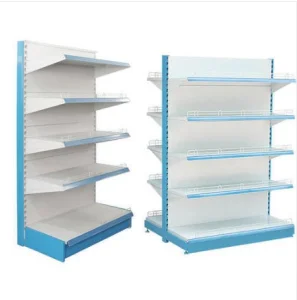
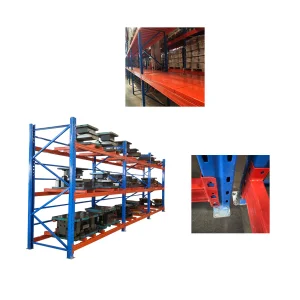
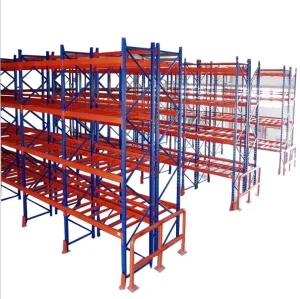
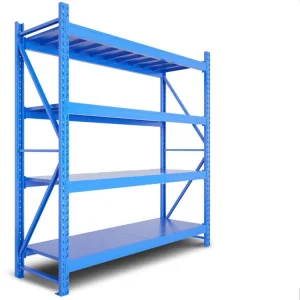
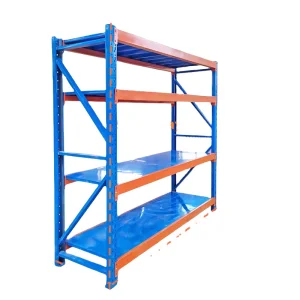
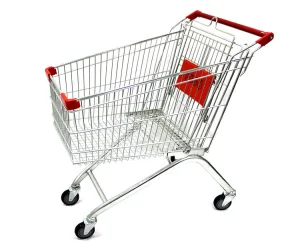
Select from our comprehensive logistics and display equipment systems, built to international quality standards.
 Chaoyu Storage