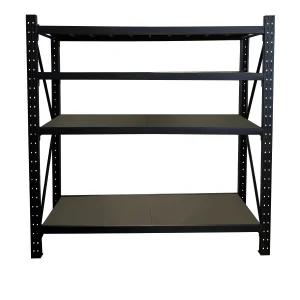
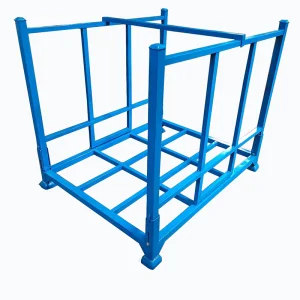
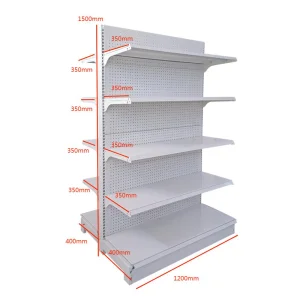
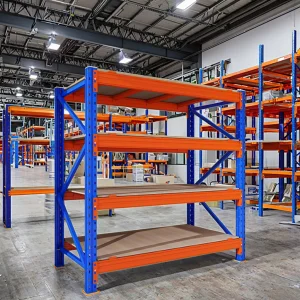
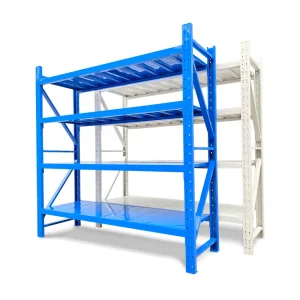
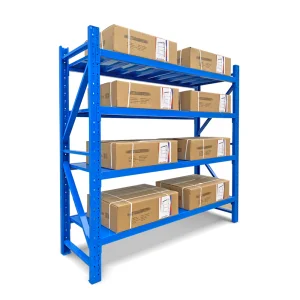
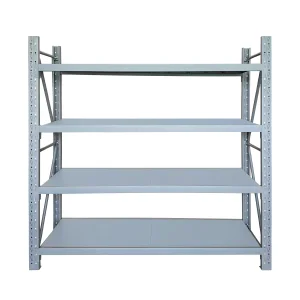
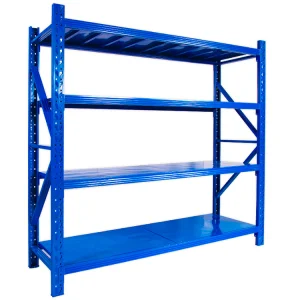
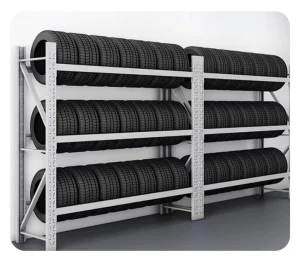
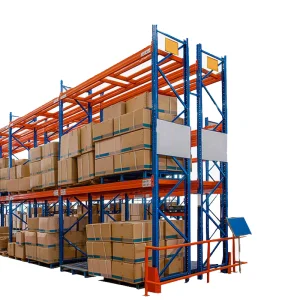
Discover our precision-engineered heavy-duty configurations deployed in logistics hubs and manufacturing facilities worldwide.
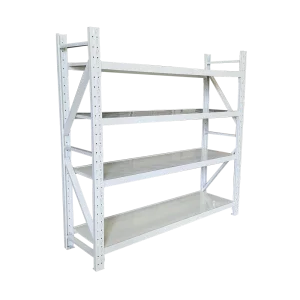
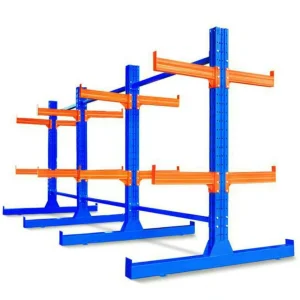
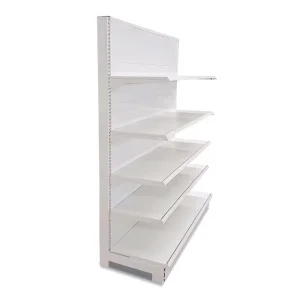
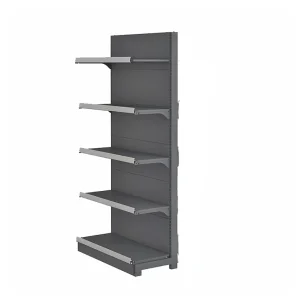
Live Storage Racks, commonly referred to as Gravity Flow Racking Systems or FIFO (First-In, First-Out) systems, represent a critical apex of high-density warehouse optimization. Using inclined wheel or roller lanes, these racks leverage gravitational forces to automatically transition loaded pallets, bins, or cartons from the loading (entry) aisle to the picking (retrieval) aisle. This mechanical simplicity hides a highly sophisticated structural engineering balance: controlling acceleration, stabilizing dynamic loads, and ensuring reliable release mechanisms without relying on external power supplies.
By segregating loading and unloading workflows into separate aisles, live storage systems eliminate travel interference, cutting picking cycle times by up to 40% compared to traditional selective racking. Furthermore, the minimization of aisles yields a spatial footprint reduction of up to 50%, transforming underutilized warehouse zones into dense, highly productive storage cells. As supply chains prioritize throughput speed and product rotation security (such as in food, pharma, and chemical sectors), live racking systems serve as the structural backbone of modern automated distribution networks.
Semantic Insight: Successful deployment of dynamic gravity flow requires precise calculations of pitch (angle of incline), damping brake spacing, and roller bearing capacity relative to ambient temperatures—specifically within cold chain operations.
Founded in 2015, Shenzhen Chaoyu Goods Shelf Co., Ltd. has established itself as a premier manufacturer specializing in heavy-duty industrial storage racks, pallet racking systems, and customized warehouse logistics solutions. Operating from a modern 32,000 m² facility, we combine advanced manufacturing technology with rigorous quality control to deliver durable, scalable, and space-optimizing storage products to clients worldwide.
With over 11 years of industry expertise and 8 years of international export experience, Chaoyu generates an annual export revenue exceeding $18 million USD. Our primary markets span North America, Europe, Southeast Asia, and the Middle East, serving high-volume client segments including logistics distribution centers, industrial manufacturing hubs, third-party logistics (3PL) providers, and major retail chains. Supported by a robust network of more than 850 trusted supply chain partners, we ensure high-standard raw material sourcing and on-time delivery across all international projects.
Innovation drives our competitive edge. Powered by an experienced R&D team of 18 engineers, Chaoyu released over 120 new storage designs and customized racking solutions last year alone. We offer fully versatile OEM and ODM customization options, including dynamic layout planning, load-bearing specification tailoring, custom powder-coating colors, and anti-corrosion surface treatments. Whether executing complete automated warehouse installations or custom heavy-duty unit racks, Shenzhen Chaoyu Goods Shelf Co., Ltd. delivers high-performance storage solutions tailored to every client's operational workflow.
From raw structural steel to precision-coated finished racking systems, our integrated production line guarantees high mechanical reliability.
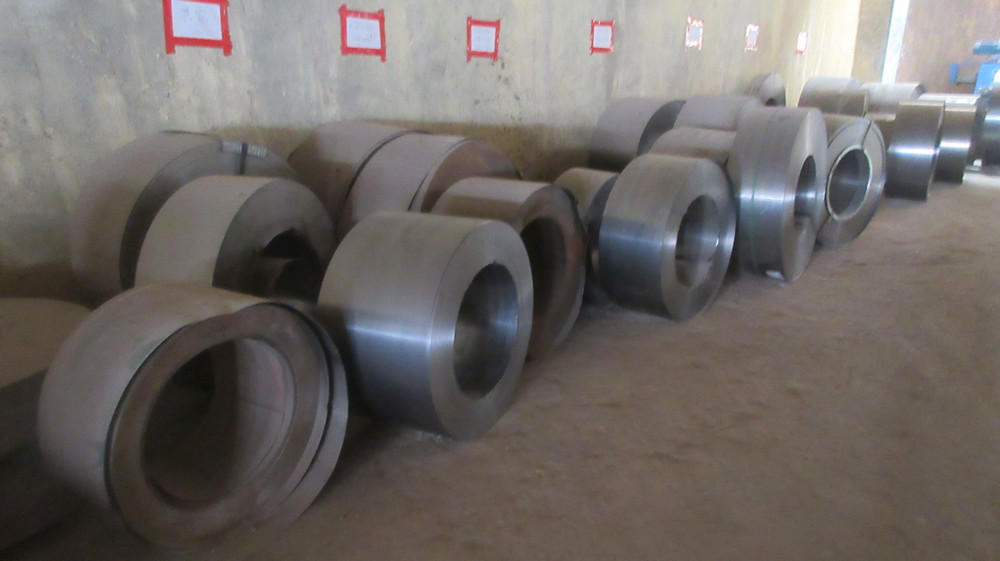
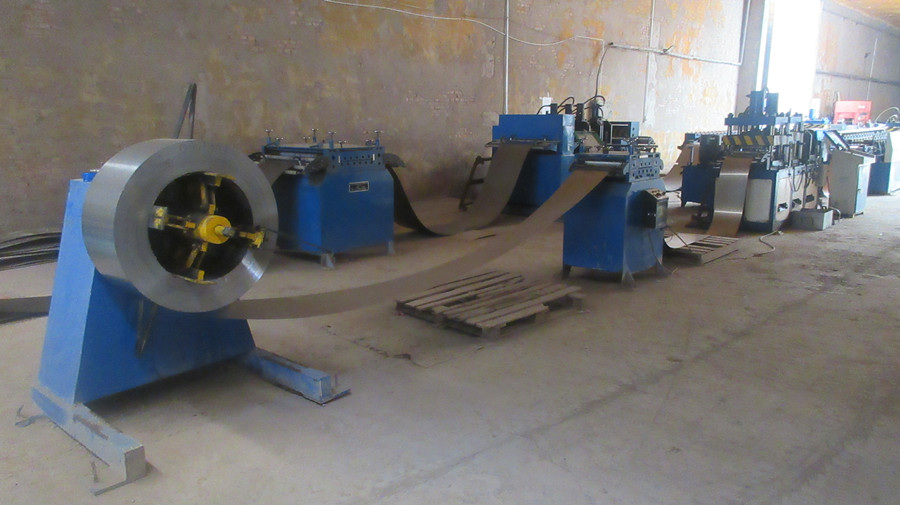
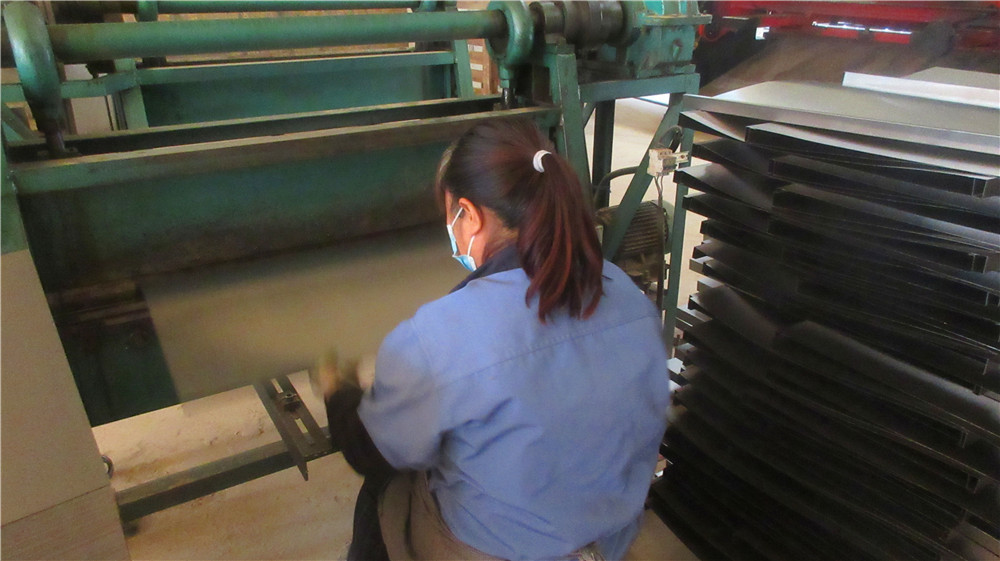
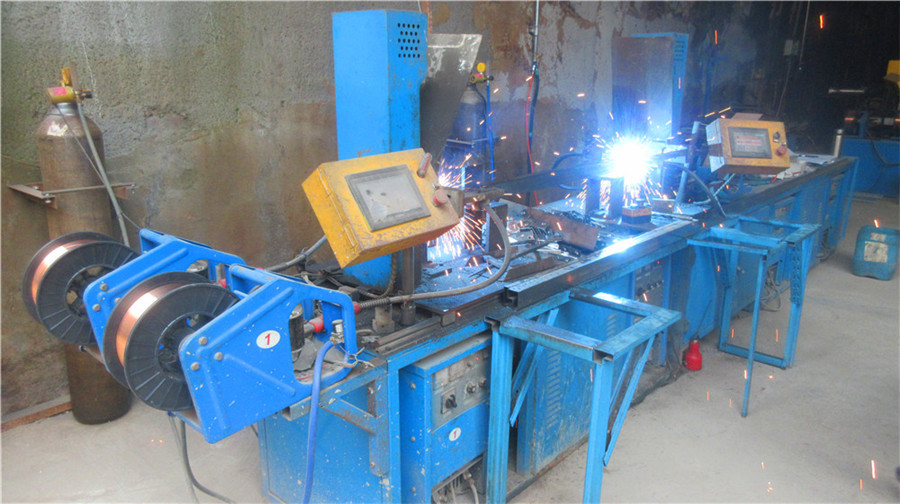
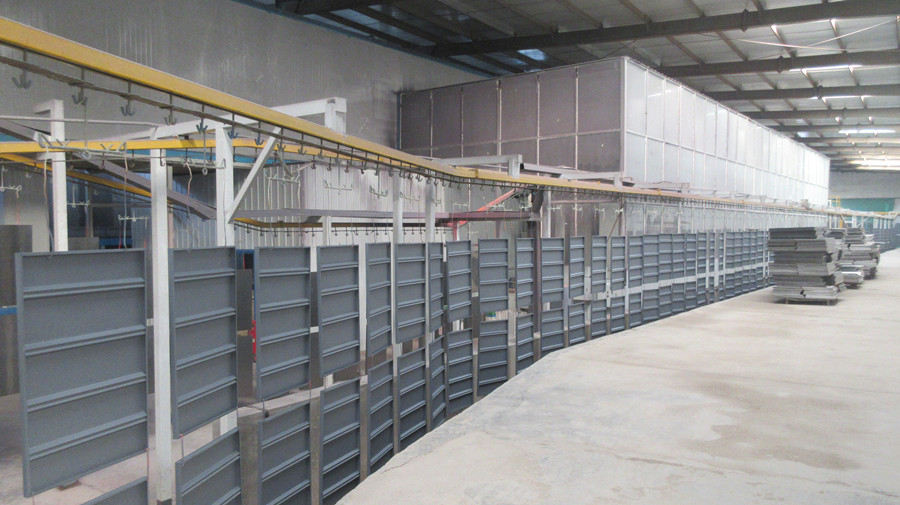
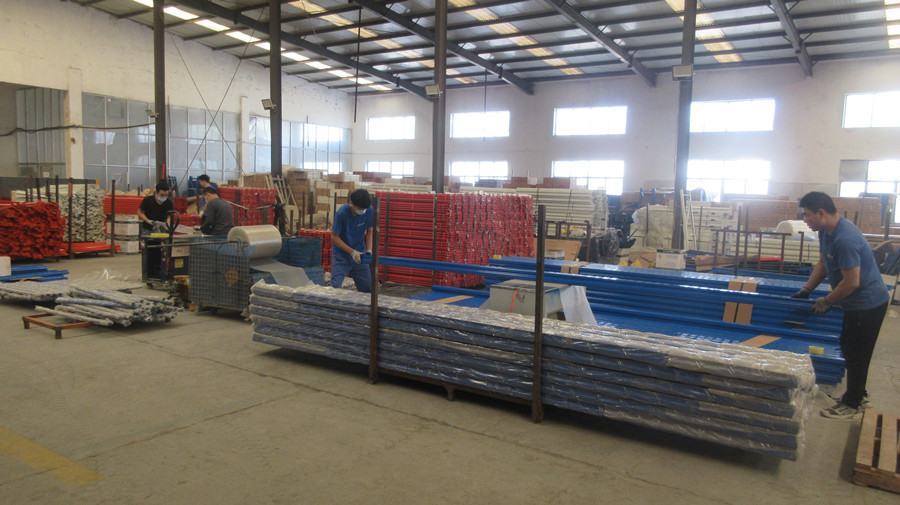
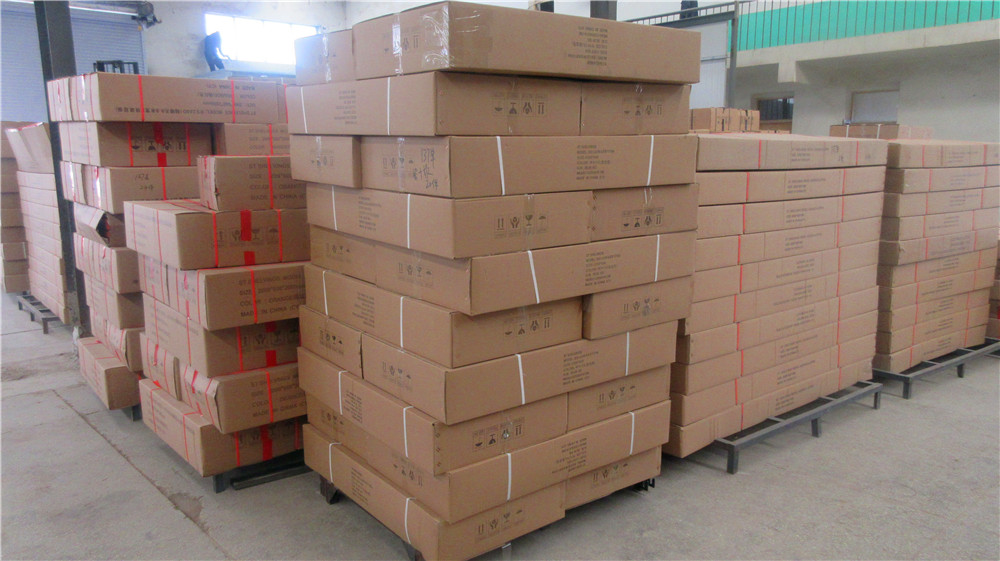
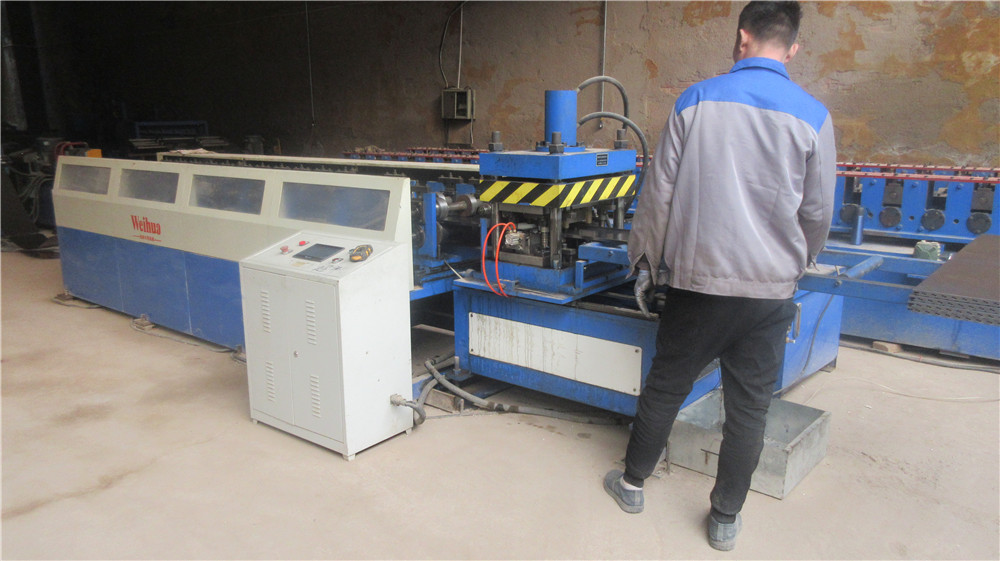
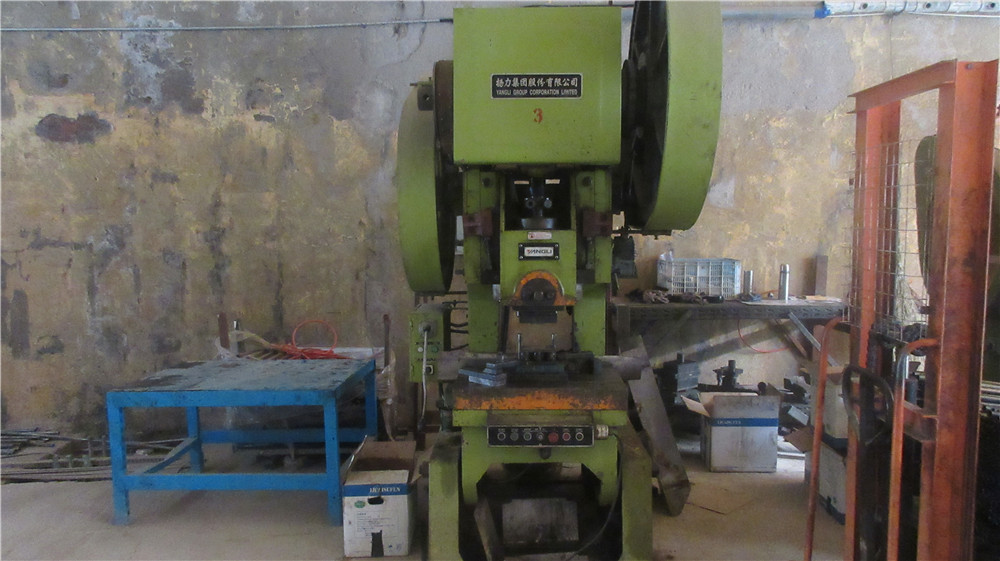
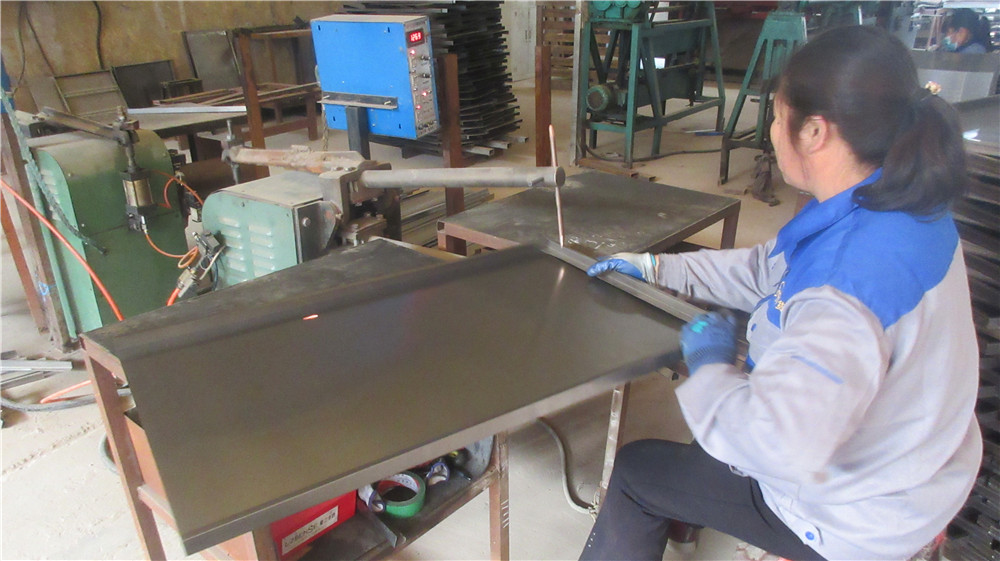
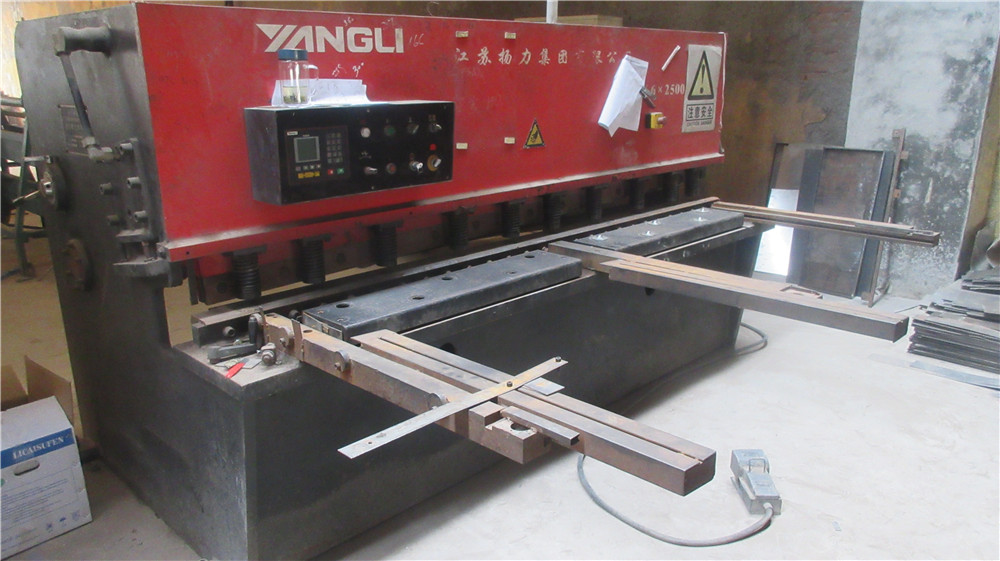
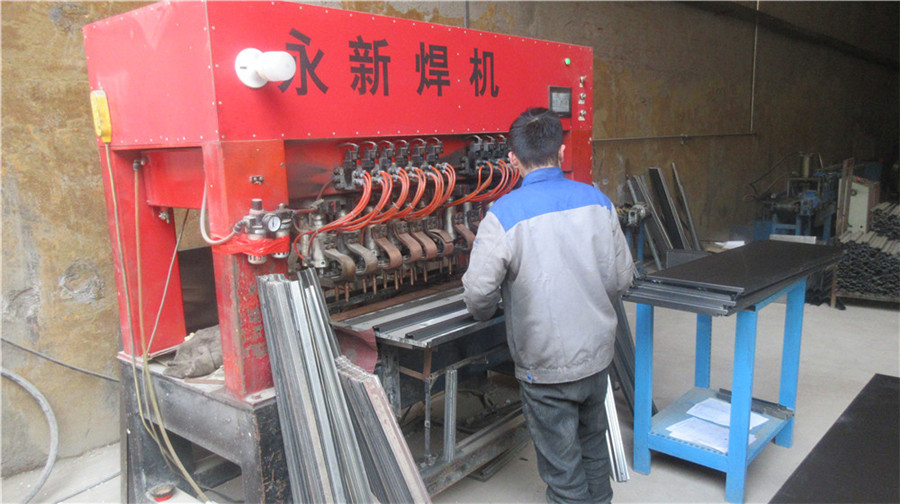
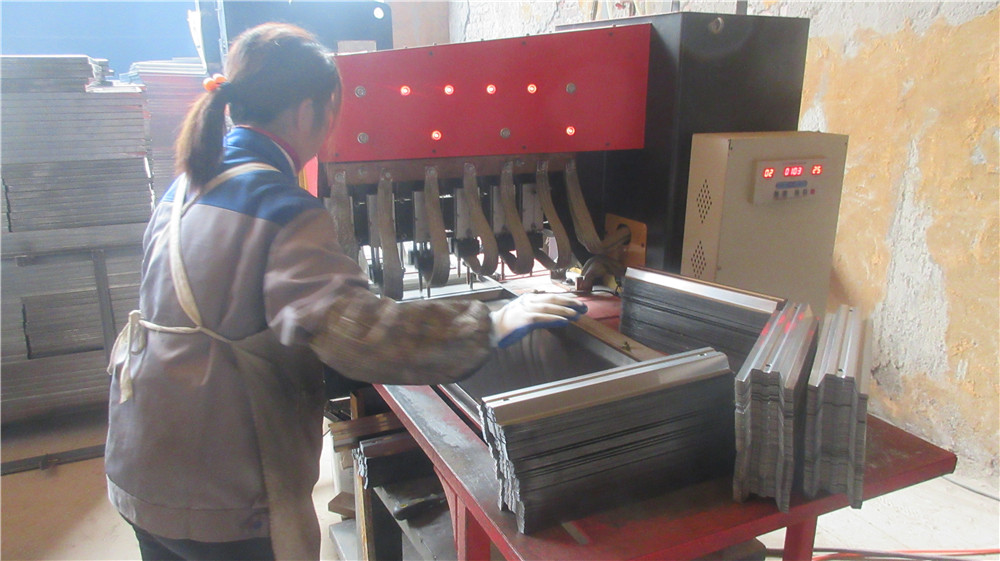
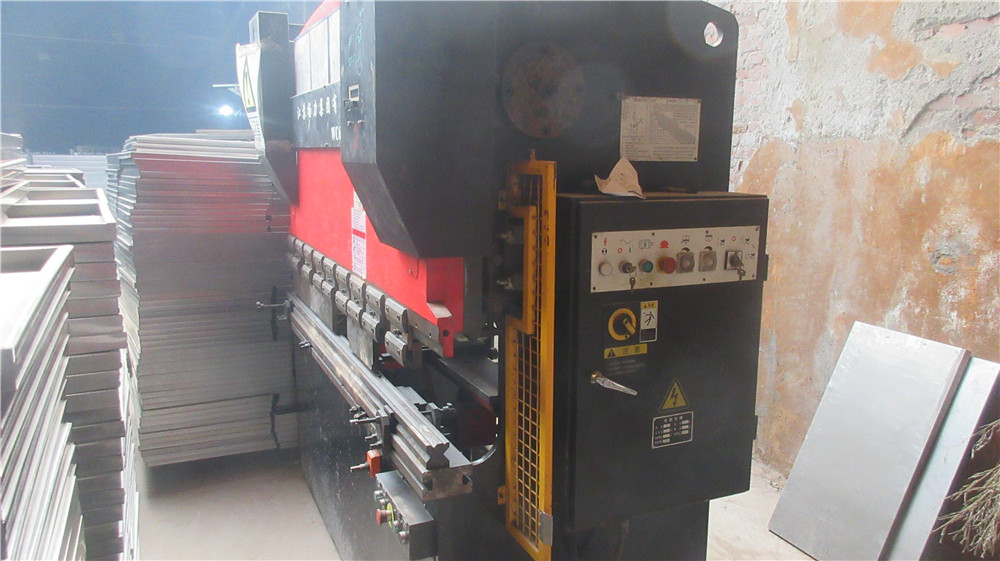
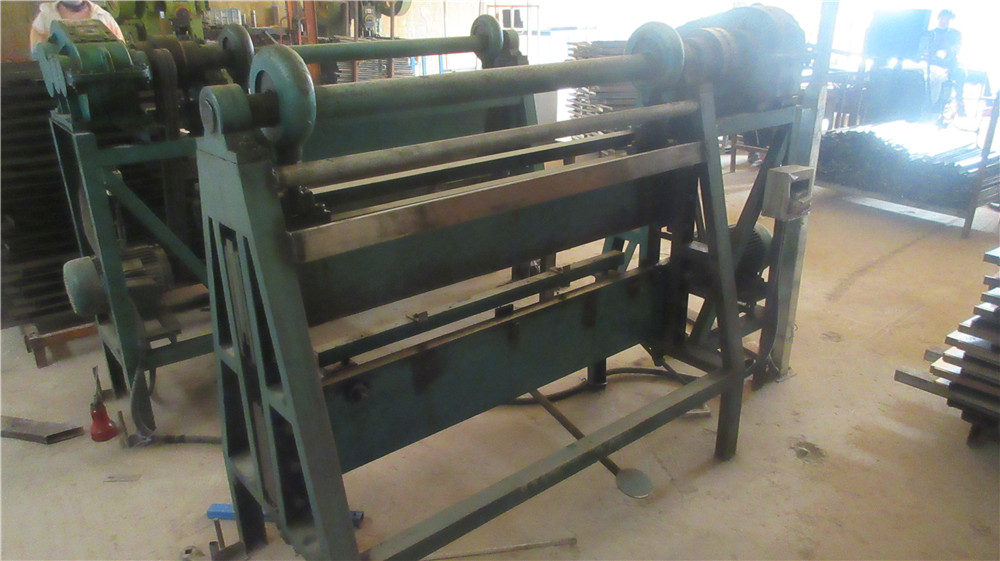
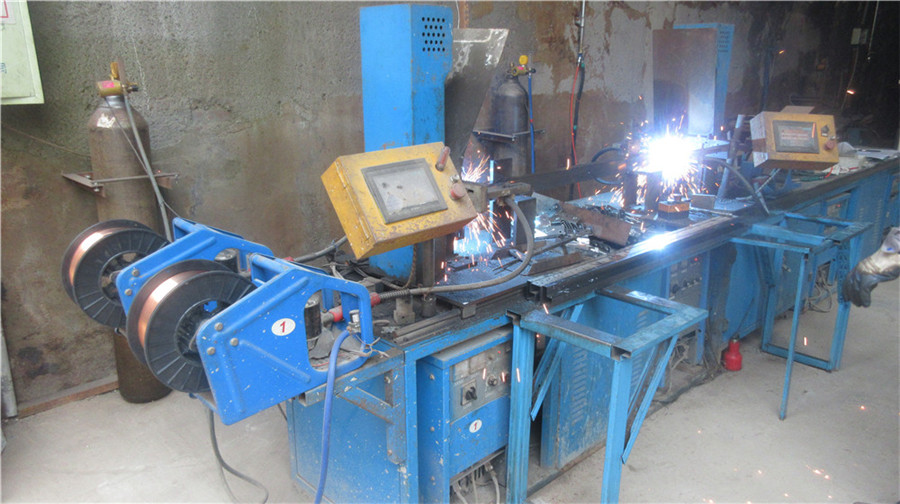
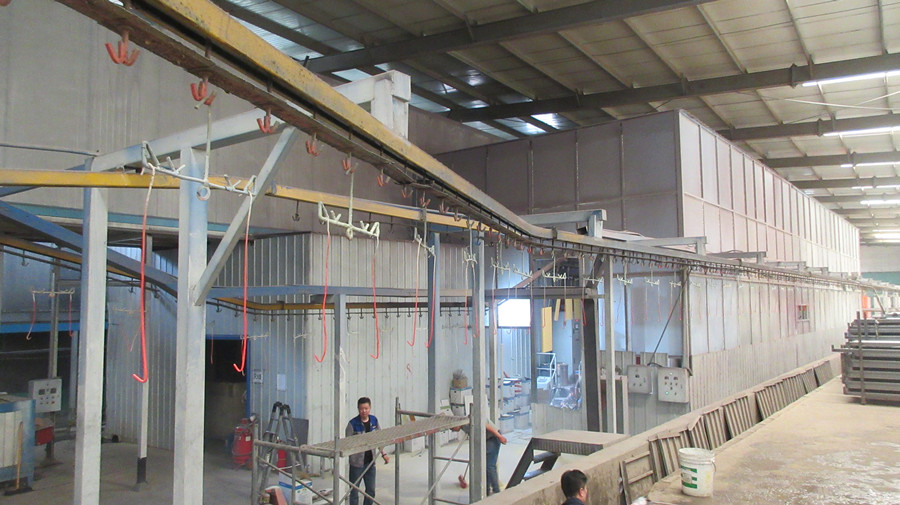
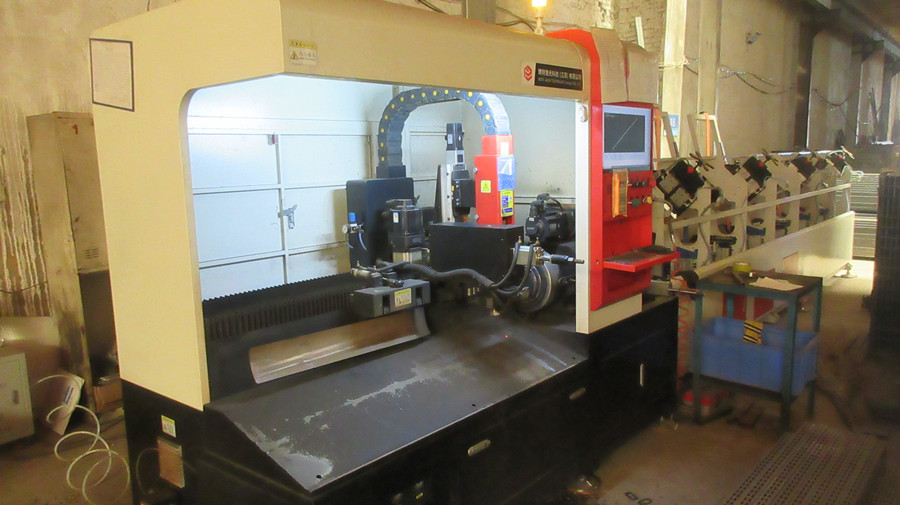
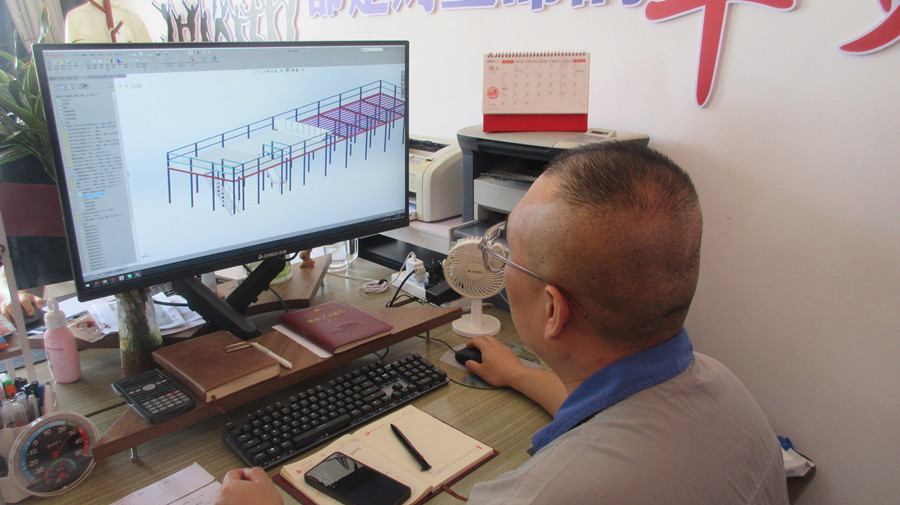
Procuring live storage systems from Chinese manufacturing centers, particularly Shenzhen, grants international enterprises significant competitive advantages. The regional industrial clustering facilitates direct sourcing of high-grade raw steel (such as Q235B and Q355B structural carbon steel) from major national mills at stable, bulk prices. This ensures structural resilience and consistency across massive production volumes.
Furthermore, China's advanced supply ecosystem enables rapid implementation of dynamic rolling automation and sensor integration. Unlike fragmented suppliers, integrated manufacturers like Shenzhen Chaoyu handle structural fabrication, automatic welding, multi-stage chemical pretreatment, electrostatic powder coating, and precision roller lane assembly under a single roof. This centralized production framework reduces transportation overheads, streamlines quality verification workflows, and significantly compresses lead times for complex, large-scale warehousing retrofits.
Direct access to raw steel processing networks and local component vendors minimizes sourcing friction and guarantees material quality.
Utilizing gantry row welders, automated bending machines, and laser tube cutters to achieve sub-millimeter manufacturing tolerances.
Multi-stage eco-friendly epoxy powder coating lines provide robust protection against corrosion and physical impact.
Global procurement teams must balance structural safety factors against economic optimization when selecting live storage configurations. Racking installations must align with structural codes such as the Rack Manufacturers Institute (RMI) standards in North America and EN 15512 specifications across Europe. The mechanical failure of a single upright or connection lock in a high-density environment can trigger catastrophic progressive collapses, making structural engineering validation essential.
Below is a summary of the standard technical parameters utilized by our engineering teams during the 3D Design phase to ensure structural integrity and functional reliability under continuous operational loading cycles:
| Racking Component / Parameter | Standard Specification Range | Material Grade / Compliance | Structural Assessment Parameter |
|---|---|---|---|
| Upright Frame Profiles | 80mm x 60mm to 120mm x 95mm (Thickness: 1.8mm - 3.0mm) | High-Tensile Cold Rolled Q235B / Q355B Steel | Load capacity and deflection calculation (L/300) |
| Pallet Flow Roller Channels | Heavy-duty galvanized steel frame with high-grade rollers | Zinc-Plated Steel (Anti-Corrosion Finish) | Support weight profiles from 500kg to 1,500kg per pallet |
| Flow Slope Angle (Pitch) | 3.0% to 4.5% depending on load type and base materials | Custom Calibrated Engineering Profile | Calculated flow speed to prevent cargo damage |
| Damping Brake Rollers | Spaced every 1.5m to 2.0m along gravity lanes | Internal fluid centrifugal brake mechanisms | Speed regulation preventing momentum build-up |
| Surface Treatment | Electrostatic epoxy powder coating or Hot-Dip Galvanization | Thickness: 60 - 90 Microns; ISO 9227 compliant | Corrosion resistance testing in cold & humid zones |
Live Storage Racks function as part of a larger, integrated warehousing ecosystem. In modern distribution facilities, they are frequently combined with conveyor networks, Automated Guided Vehicles (AGVs), and Warehouse Management Systems (WMS). Designing these configurations requires careful alignment with local building codes, fire safety regulations, and flooring concrete specifications.
Depending on operational requirements, localized configurations focus on distinct performance benefits:
High-density gravity flow configurations maximize storage volume, helping offset the high energy costs of low-temperature environments.
Strict FIFO (First-In, First-Out) physical paths prevent inventory stagnation, keeping product rotation aligned with expiration timelines.
Heavy-duty carton flow channels deliver raw components directly to assembly points, helping minimize pick errors and downtime.
The warehousing industry is shifting toward higher automation and real-time inventory tracking. One of the most significant trends is the integration of smart rollers equipped with IoT sensors. These sensors monitor load transit speeds, surface temperatures, and lane occupancy, feeding live data to central Warehouse Management Systems (WMS) to prevent blockages or speed-related collisions.
In addition, advanced finishing techniques like nano-structured powder coatings are helping improve corrosion resistance in harsh, humid environments. Manufacturers are also focusing on modular, boltless lane designs that allow operators to quickly adjust lane spacing or slope angles in response to changing product lines and packaging dimensions.
Development Outlook: Future warehouse designs will increasingly link dynamic gravity flow racks directly with Automated Guided Vehicles (AGVs) and robotic picking cells, creating fully automated, end-to-end material handling systems.
Get answers to the most common questions about engineering, configuration options, quality standards, and logistics workflows.
The slope angle typically ranges from 3.0% to 4.5%. It is calculated based on the total weight of the palletized load, the material of the pallet base (wood, plastic, or metal), and the specific type of roller bearings used. We perform dynamic tests during the engineering phase to find the ideal speed that keeps pallets moving reliably without causing collisions at the picking face.
For deep-lane configurations, we integrate speed controller rollers (damping rollers) along the channel. These rollers use internal centrifugal braking mechanisms to limit speed. Additionally, heavy-duty separator locks are installed at the picking face to isolate the front pallet, releasing the back pressure of the queue and allowing operators to retrieve loads safely.
Yes, our racking systems can be configured for sub-zero environments down to -30°C. For cold storage installations, we use low-viscosity bearing lubricants, specialized steel alloys that maintain their structural strength in freezing temperatures, and corrosion-resistant hot-dip galvanized finishes.
We provide full customization, including custom dimensions, load capacities, layout planning, and specific paint finishes. Our R&D team can develop custom components, such as specialized entry guides or custom pallet separators, to integrate with your existing material handling setups and warehouse management software.
Our quality control process is managed by a team of 35 QC specialists. We conduct spectrographic analysis on incoming raw steel, run automated weld defect detection, perform coating thickness tests, and simulate full structural loads. Each production batch is certified to meet European EN and international RMI standards.
Lead times depend on the scale and complexity of the project. Generally, 3D design and technical layout approval take 5 to 7 business days. Once approved, production and quality testing are completed within 20 to 30 days. Shipping times vary depending on the destination port.
Explore our heavy-duty configurations, mezzanine structures, and utility solutions designed to optimize space utilization.
 Chaoyu Storage