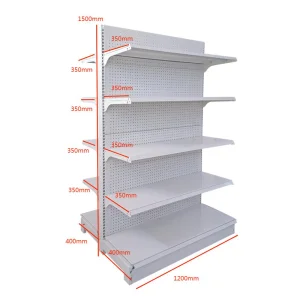
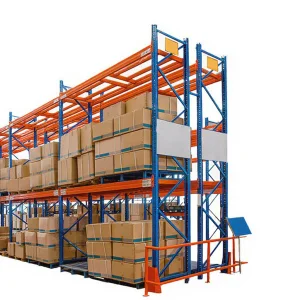
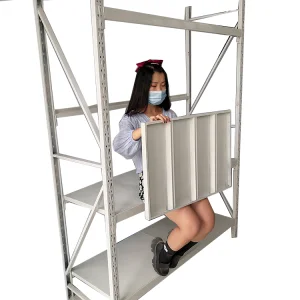
Engineered for high structural stability, heavy payload dynamics, and extreme wear resistance. Selected heavy equipment and retail integration systems.
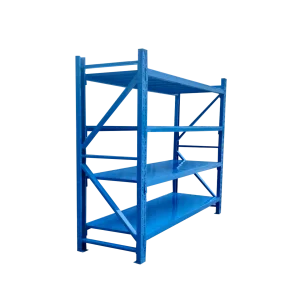
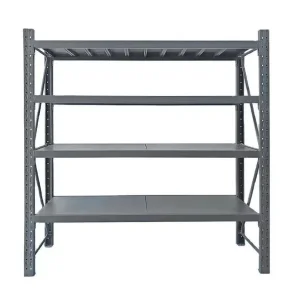
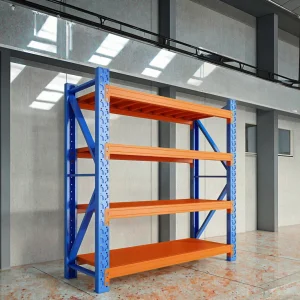
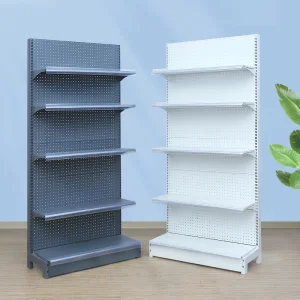
Founded in 2015, Shenzhen Chaoyu Goods Shelf Co., Ltd. is a premier manufacturer specializing in heavy-duty industrial storage racks, pallet racking systems, and customized warehouse logistics solutions.
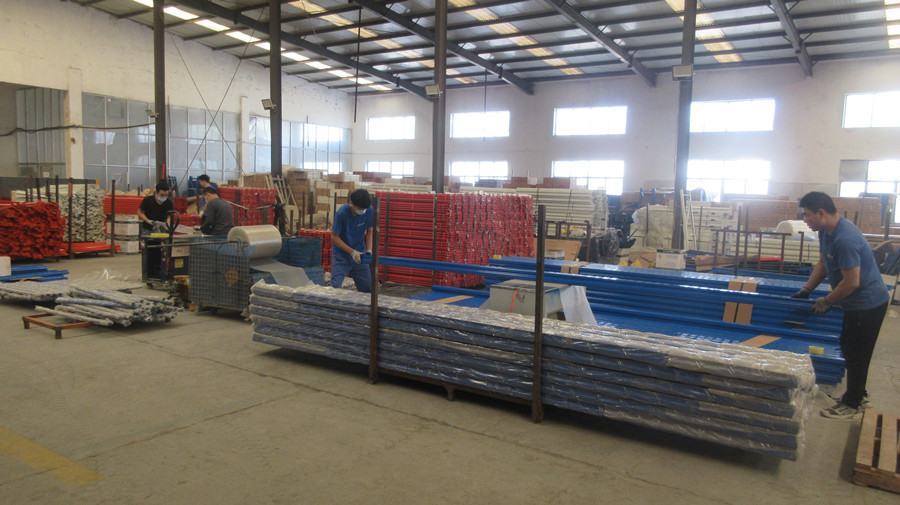
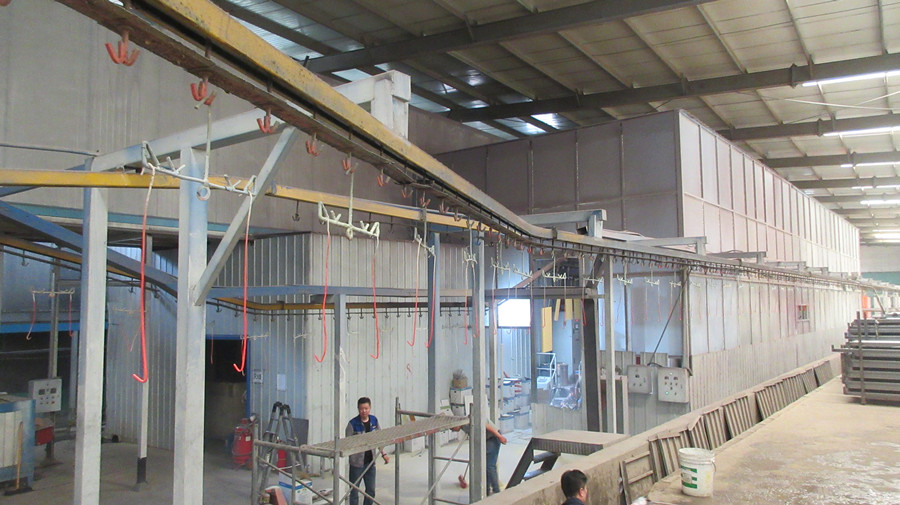
Operating from our modern 32,000 m² manufacturing plant, we combine advanced cold-roll forming, automated welding technology, and rigorous quality control protocols to deliver durable, scalable, and space-optimizing storage systems. With over 11 years of deep industrial expertise and 8 years of international export operations, Chaoyu has established itself as an authoritative supplier to global industrial hubs, logistics distribution centers, 3PL providers, and major retail enterprises.
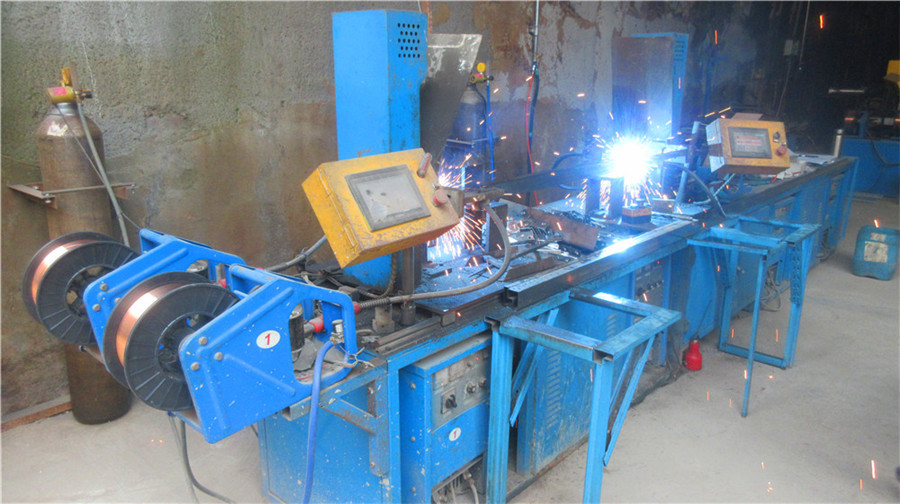
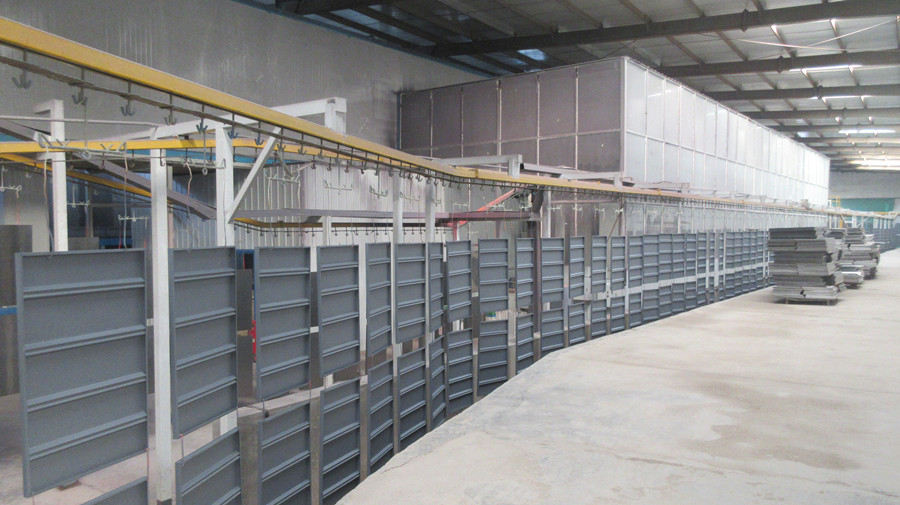
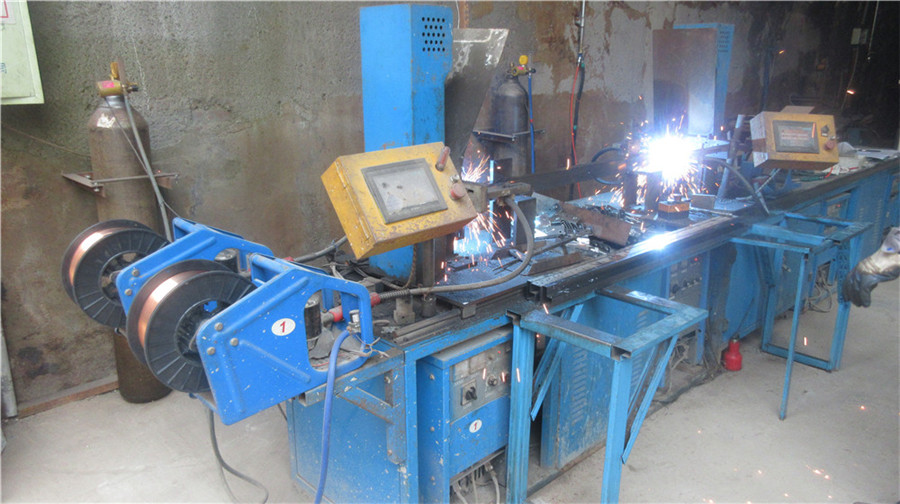
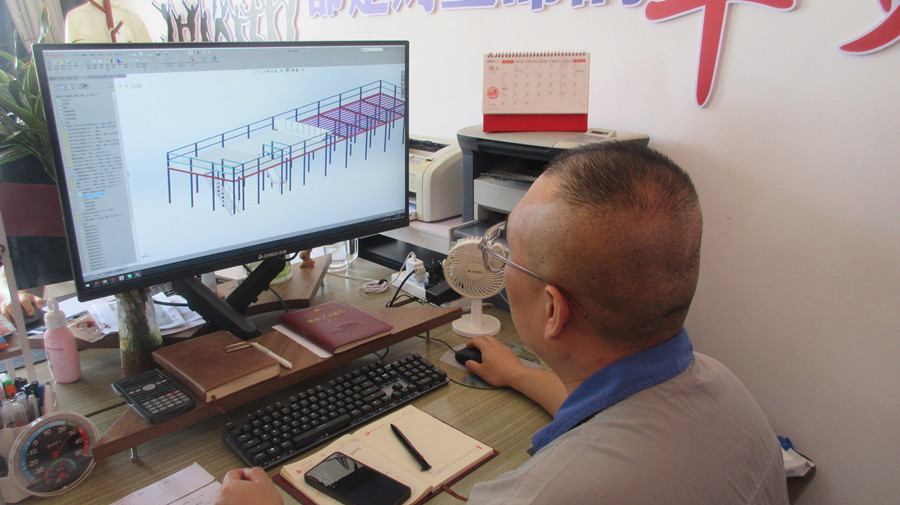
Innovation and quality run through the core of our operations. Supported by an experienced R&D team of 18 design engineers, we released over 120 new storage designs and customized racking configurations last year alone. Our dedicated quality assurance team of 35 QC specialists conducts strict, multi-stage inspections, including incoming steel spectrum chemical analysis, automated weld defect detection, powder coating thickness checks, and real-time load capacity simulation testing to ensure absolute compliance with international structural safety standards.
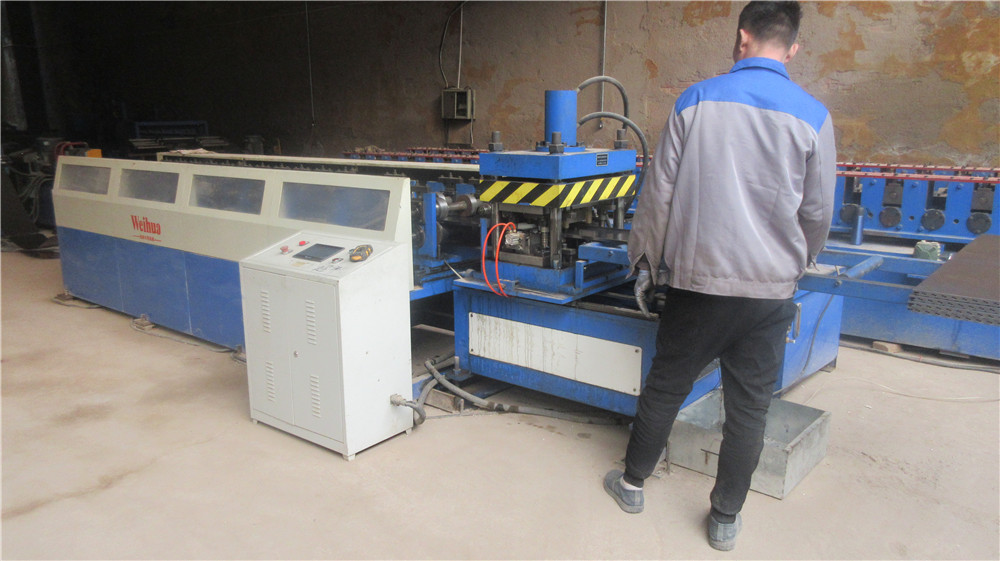
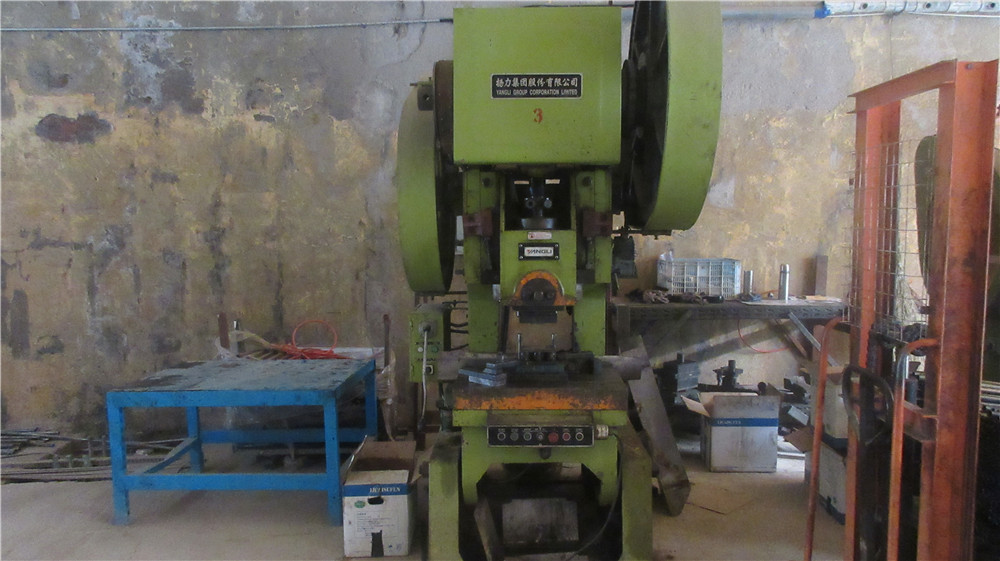
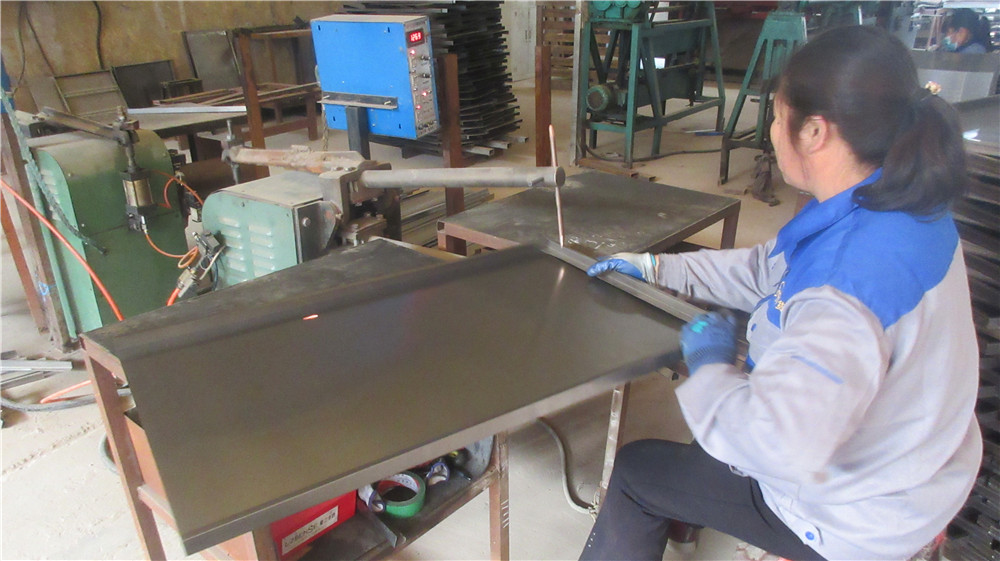
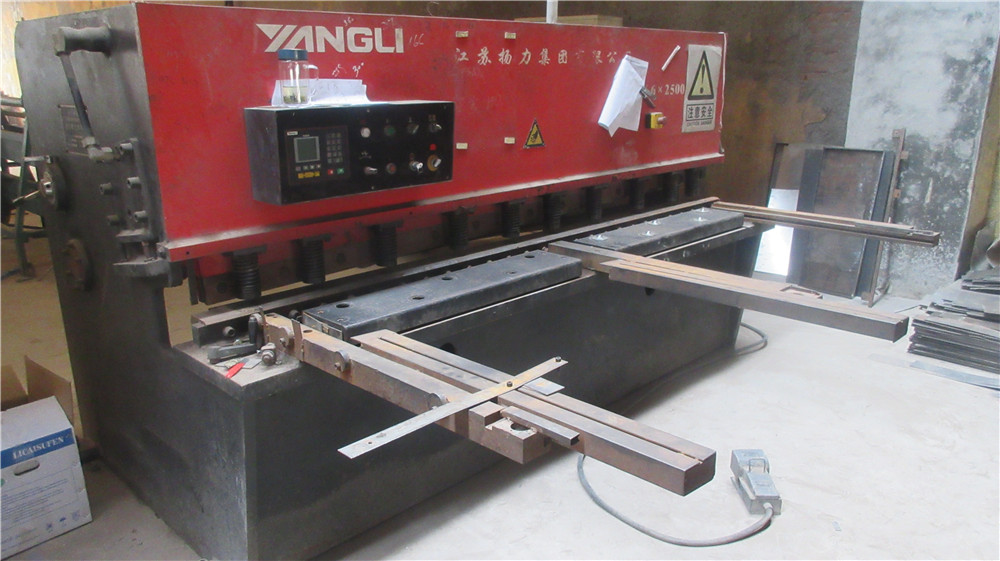
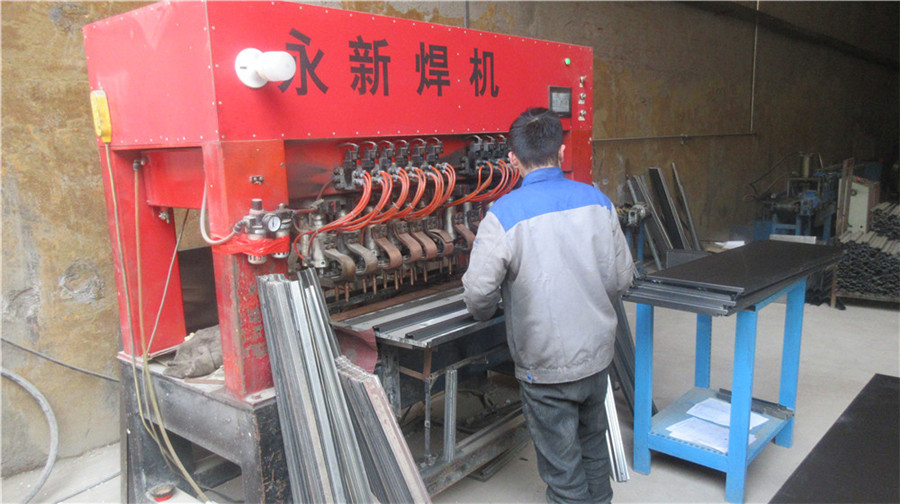
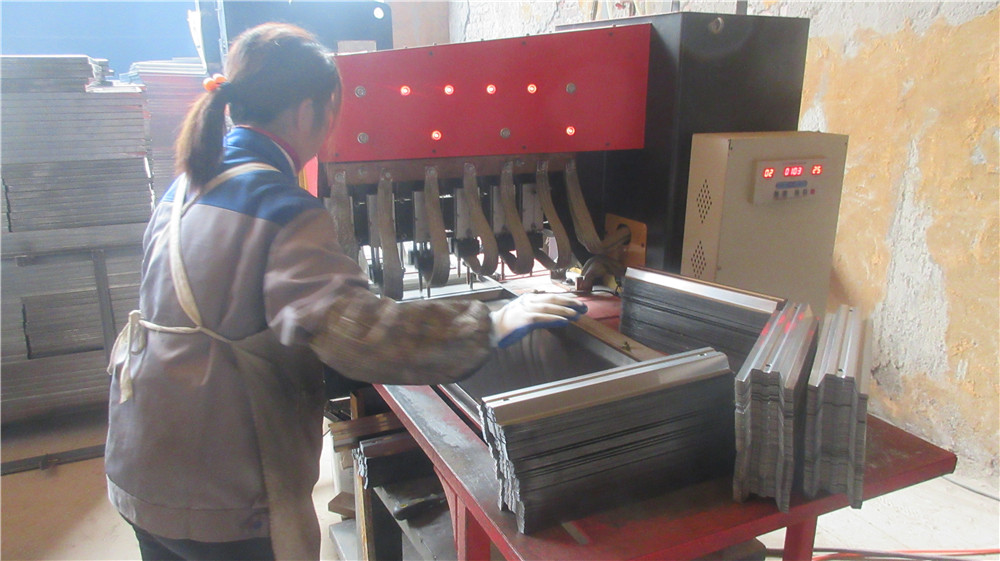
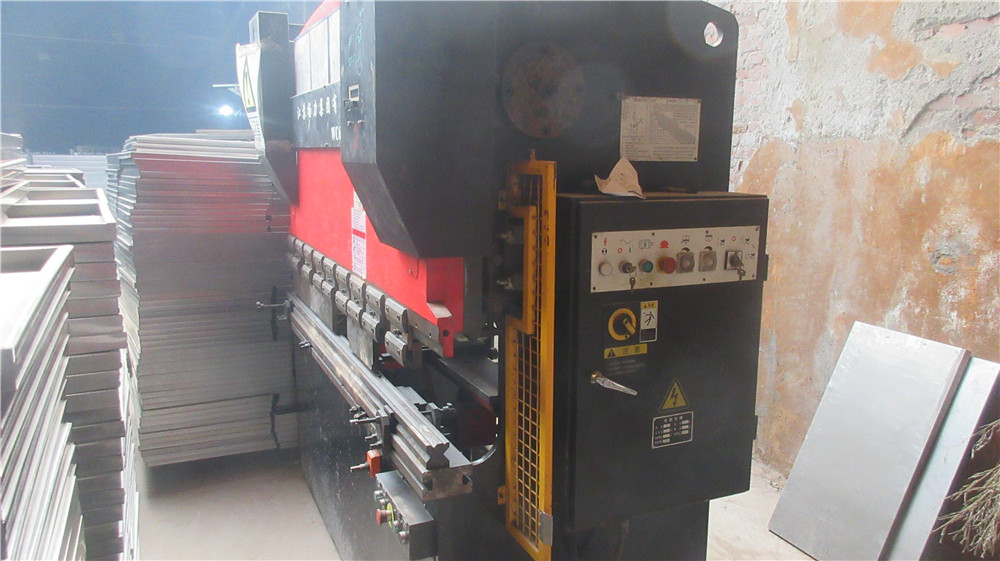
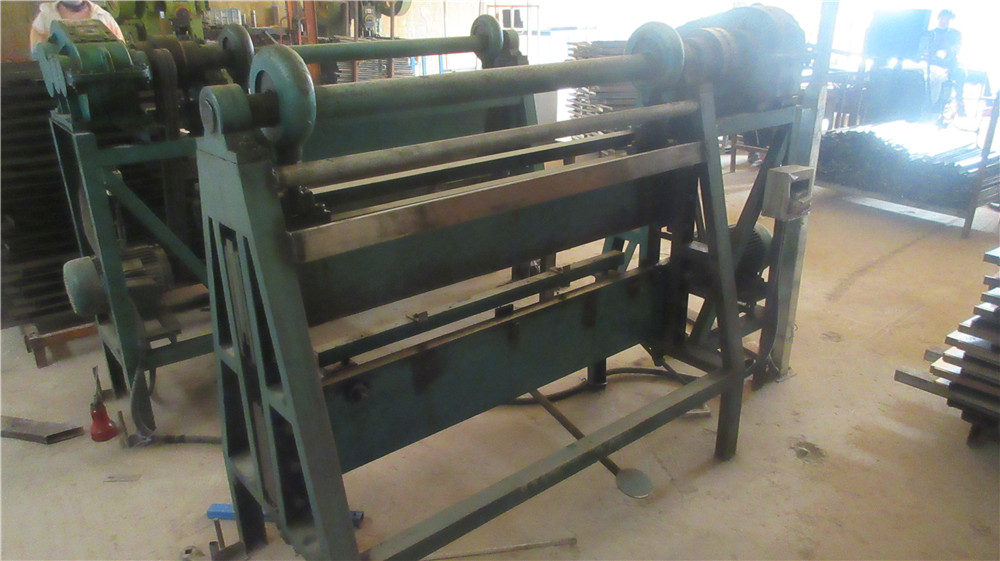
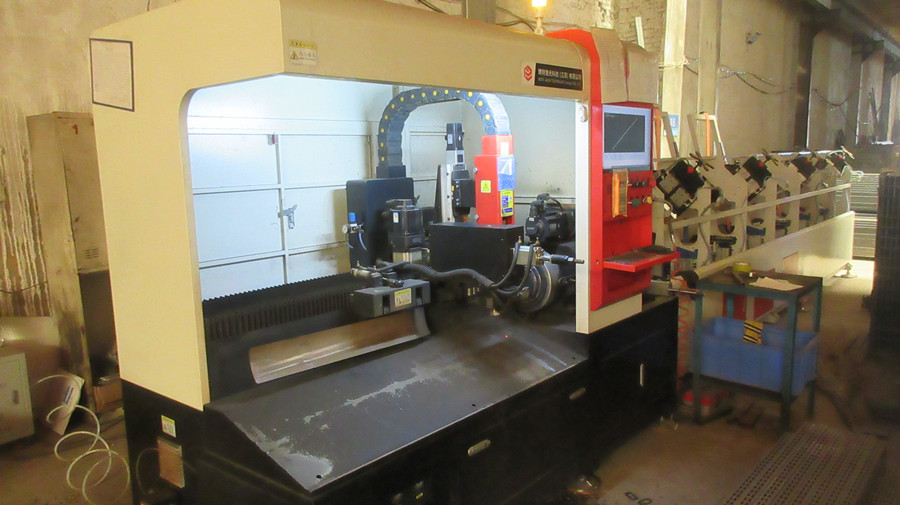
From metallurgical verification to automatic laser profiling, our facility utilizes advanced machinery to guarantee high tolerance compliance and load structural integrity.
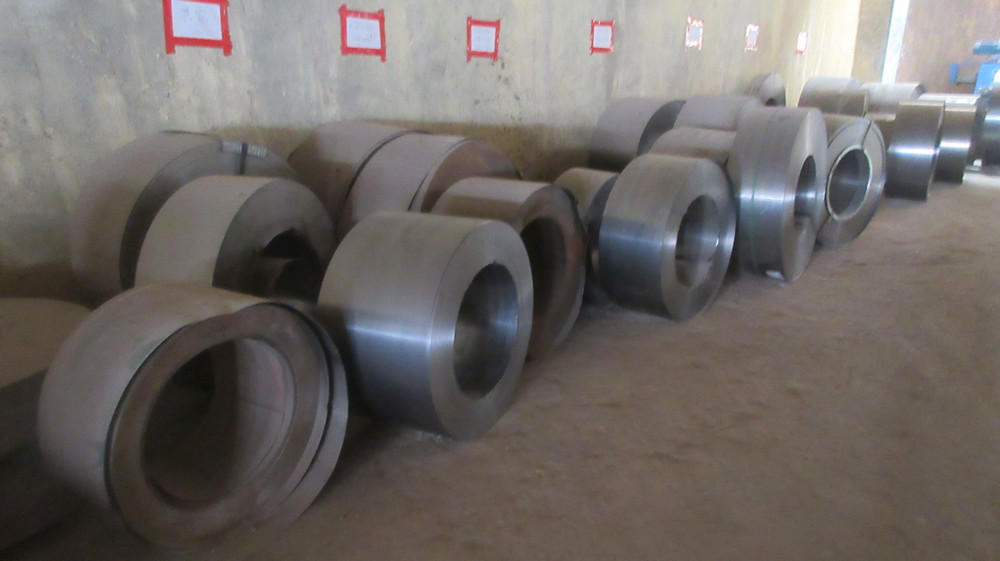
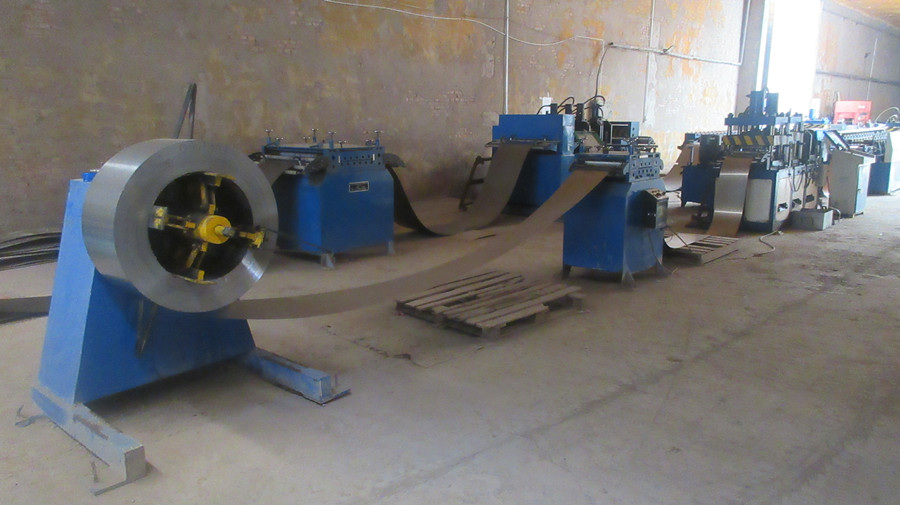
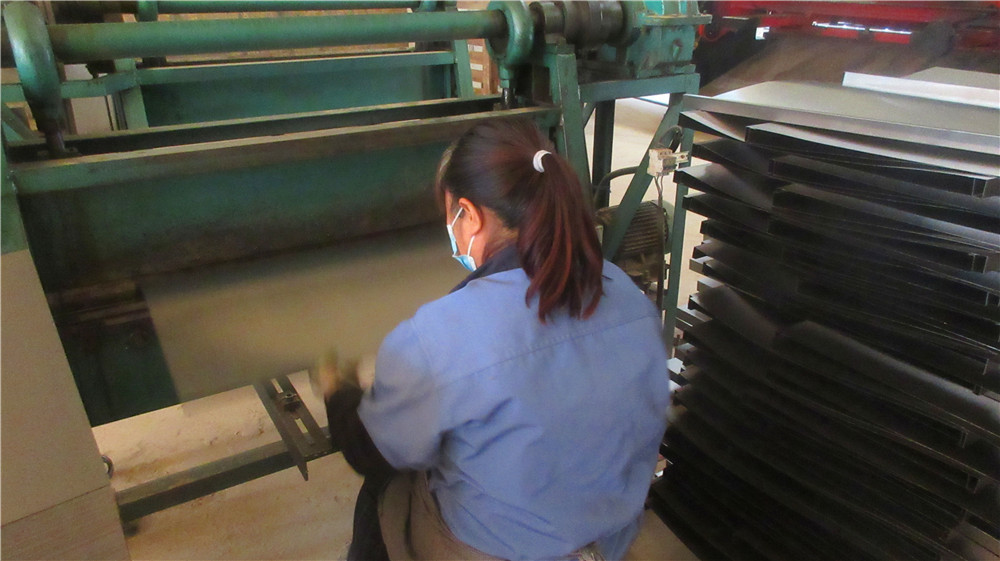
A B2B Technical Blueprint for Heavy Duty Industrial Racking Solutions
Heavy equipment storage—specifically storing industrial machinery, massive dies, tooling molds, steel coils, and crated powertrains—presents unique engineering challenges. Unlike consumer warehousing, structural dynamics are governed by high localized stress, point-loading anomalies, and dynamic forces caused by forklift interaction. In storage planning, the selection of raw materials defines the elastic limits and yield strength. High-tensile steel, such as Q235B and Q355B, is selected to withstand extreme load vectors without permanent deformation. Structural engineers must evaluate structural limits through Finite Element Analysis (FEA) to simulate maximum deflection levels. Standards like the European EN 15512 and the American RMI (Rack Manufacturers Institute) guidelines govern these safety coefficients, stipulating that structural deformation must remain within strict deflection limits under maximum rated capacity.
The manufacturing ecosystem in China offers unique strategic advantages for global industrial buyers seeking procurement cost-efficiency without compromising quality:
Industrial mold and injection die storage requires heavy-duty slide-out mold racks (also known as drawer racks). These systems permit heavy molds to be retrieved using overhead cranes. The inclusion of mechanical safety locks prevents more than one shelf from pulling out at a time, eliminating tip-over hazards.
Staging areas for heavy engine blocks, drivetrain assemblies, and raw steel coils need robust structures. Standard selective pallet racking is enhanced with heavy-duty structural steel channel beams, safety drop pins, and wire decking to handle concentrated loads up to 4,000 kg per level.
Adapting heavy warehousing structures to automation, ecological safety standards, and strict global logistics operations.
The modern logistics landscape is shifting toward automation. Automated Storage and Retrieval Systems (AS/RS) require tighter structural tolerances than manual storage systems. Deflection calculations must account for the high speed of automated crane shuttles. Upright verticality, rail levelness, and beam deflection must be held to tolerances of less than 1/1000th of the span distance. Sourcing racking with tight manufacturing tolerances is critical for avoiding shuttle collisions, sensor misalignment, or track jams.
International environmental directives mandate a reduction in volatile organic compounds (VOCs) and heavy metals in industrial products. Leading Chinese suppliers are switching to lead-free, non-toxic thermoplastic and thermosetting powders. This eco-friendly surface protection offers high salt-spray resistance (matching ASTM B117 standards) without releasing hazardous compounds during application or usage.
Expert answers addressing structural design, safety margins, load factors, and quality standards for international industrial buyers.
Load capacities are governed by the yield and tensile properties of the steel (e.g., Q235B vs. Q355B) and the unsupported height of the upright frames. The safety margin is calculated using the L/200 deflection limit standard (where maximum deflection under full load cannot exceed 1/200th of the span length) or a factor of safety of 1.5 to 1.8 under extreme conditions. Frame capacities are also limited by column profile shape, thickness, and bracing patterns.
Leading manufacturers conduct Finite Element Analysis (FEA) using specialized design software like RISA-3D or SAP2000. These systems simulate seismic load forces (based on USGS or Eurocode seismic risk zones). Anchor plates, expansion bolts, and cross-bracing channels are engineered to absorb lateral kinetic energy, ensuring structural stability during seismic events.
For high-humidity or cold-storage environments, we utilize hot-dip galvanization (HDG) or zinc-rich primer combined with thermosetting powder coatings. This setup achieves over 500 hours of continuous salt-spray testing under ASTM B117 standards, preventing oxidation at the joints, bolt holes, and base plates.
Yes. Shenzhen Chaoyu offers complete OEM/ODM options, enabling customization of upright dimensions, beam levels, paint colors, and bracing patterns. We match structures to your specific operational workflow, automated shuttle parameters, and heavy load dynamics.
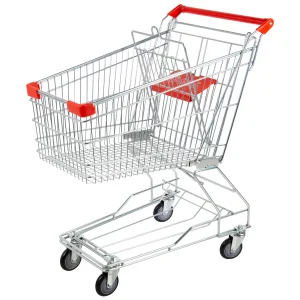
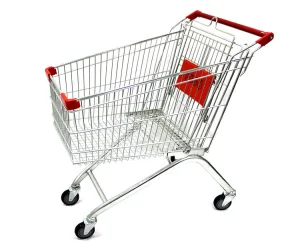
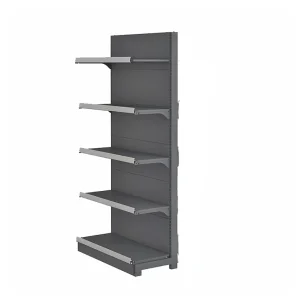
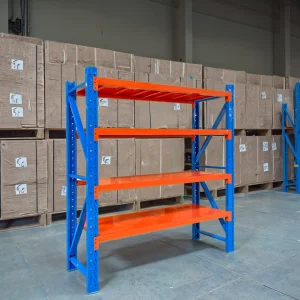
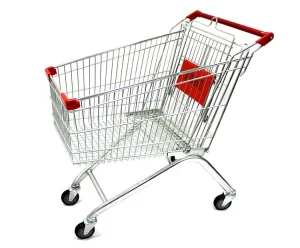
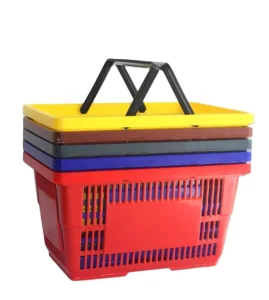
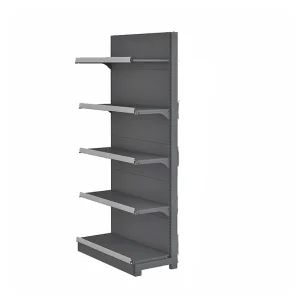
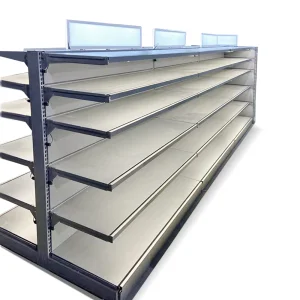
Additional heavy-duty shelving, shop-fitting display gondolas, and storage options engineered to industrial standards.
 Chaoyu Storage