Explore our high-capacity functionality racks, custom-welded structural systems, and space-maximizing retail display units engineered for rigorous international standards.
Maximizing warehouse density and logistics throughput has transitioned from a structural choice to a core competitive requirement for modern enterprises.
The global warehousing and logistics ecosystem is undergoing an unprecedented structural transition. Due to rapid expansions in e-commerce, third-party logistics (3PL), cold chain integration, and advanced manufacturing, industrial operations must scale vertically. Storage solutions are no longer passive holding structures; they are dynamic, load-bearing assets integrated with automated storage and retrieval systems (ASRS), automated guided vehicles (AGVs), and smart inventory placement algorithms.
In highly regulated markets like North America, Europe, and Asia-Pacific, functionality racks must comply with rigid safety guidelines, including the Rack Manufacturers Institute (RMI) standards, European EN codes, and ISO certifications. These structural frameworks ensure safety against seismic activity, prevent structural buckling under multi-ton point-loads, and secure durability in environments ranging from sub-zero deep freeze vaults to chemical storage sites requiring anti-corrosive powder coatings or high-grade stainless steel.
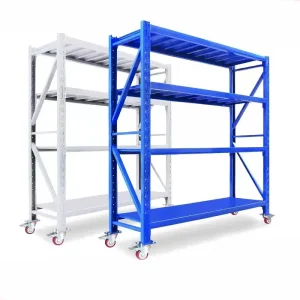
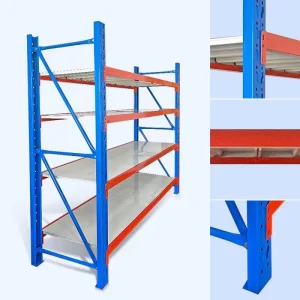
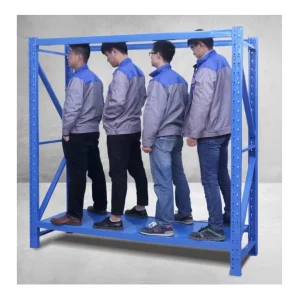
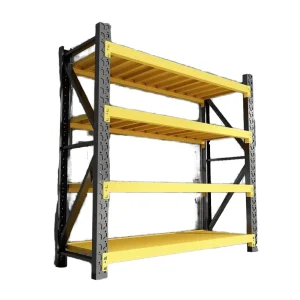
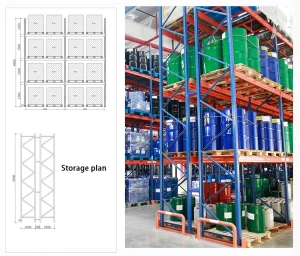
Maximizing pallet density with Drive-In, Selective, and Push-Back racking configurations. Engineered to withstand high forklift speeds, deep racking layouts, and heavy-duty load dynamics reaching up to 4000kg per level.
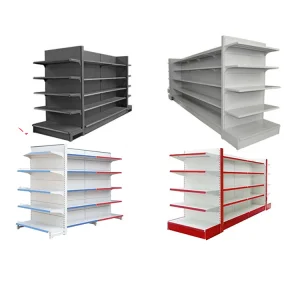
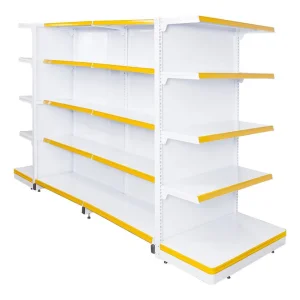
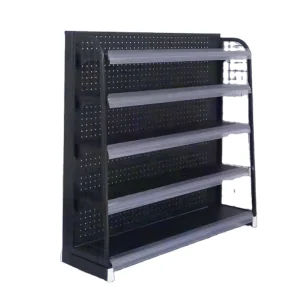
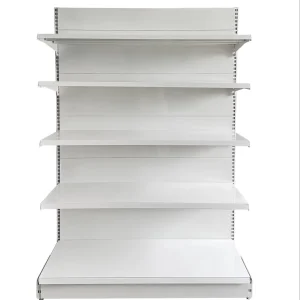
Double-sided modular gondola units combining aesthetics with structural loading limits. Offering clean layouts for quick restocking, powder-coated scratch-resistant surfaces, and quick-adjust shelving brackets for variable packaging heights.
Corrosion-protected stainless steel and zinc-plated wire mesh layouts designed for food-grade compliance, hospital supply networks, and cold storage units where dynamic ventilation and moisture protection are primary requirements.
Founded in 2015, we are a premier manufacturer of heavy-duty industrial storage racks, pallet racking systems, and customized warehouse logistics solutions.
Operating from our modern 32,000 m² facility, we combine advanced manufacturing technology with rigorous quality control to deliver durable, scalable, and space-optimizing storage products to clients worldwide. With over 11 years of industry expertise and 8 years of international export experience, Chaoyu generates an annual export revenue exceeding $18 million USD. Our primary markets span North America, Europe, Southeast Asia, and the Middle East, serving high-volume client segments including logistics distribution centers, industrial manufacturing hubs, third-party logistics (3PL) providers, and major retail chains.
Our integrated supply chain includes more than 850 trusted supply chain partners, guaranteeing high-standard raw material sourcing and on-time delivery across all international projects. Quality assurance is integral to our operations. Our dedicated team of 35 QC specialists conducts strict multi-stage quality inspections, including incoming steel spectrum analysis, automated weld defect detection, powder coating thickness tests, and real-time load capacity simulation testing to guarantee full structural safety and compliance.
Innovation drives our competitive edge. Powered by an experienced R&D team of 18 engineers, Chaoyu released over 120 new storage designs and customized racking solutions last year alone. We offer fully versatile OEM and ODM customization options, including dynamic layout planning, load-bearing specification tailoring, custom powder-coating colors, and anti-corrosion surface treatments. Whether executing complete automated warehouse installations or custom heavy-duty unit racks, Shenzhen Chaoyu Goods Shelf Co., Ltd. delivers high-performance storage solutions tailored to every client's operational workflow.
Inside our automated production line: How high-grade steel rolls are shaped, welded, coated, and inspected for structural dependability.
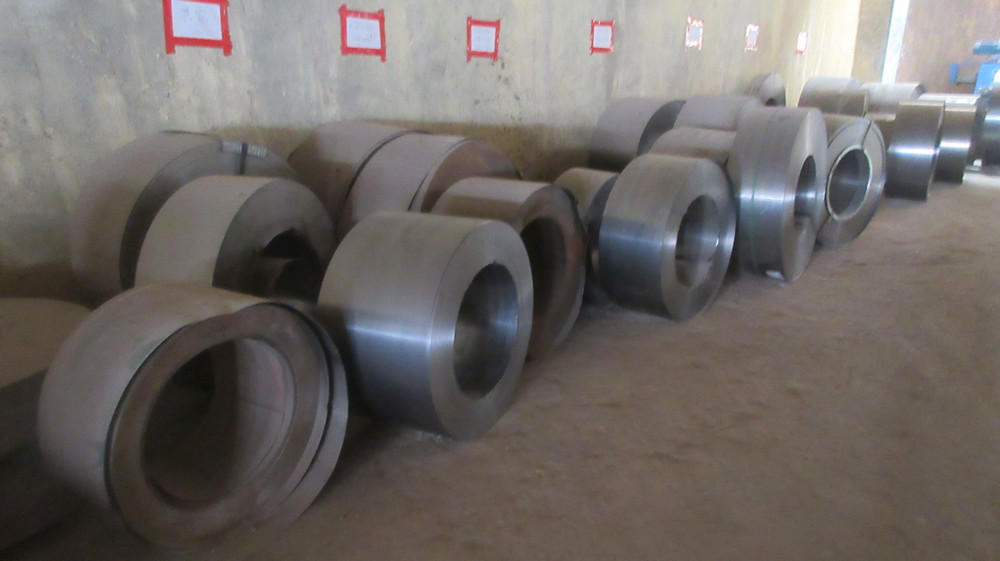 Raw Materials
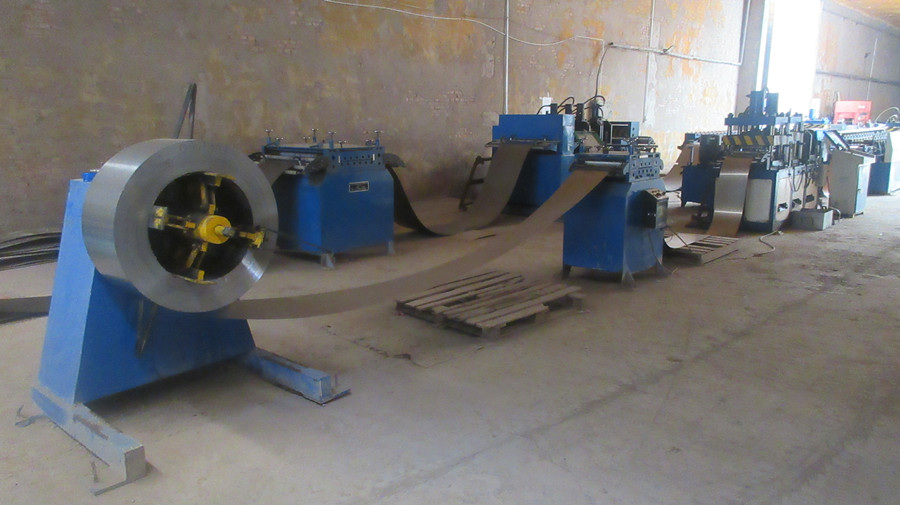 Cutting
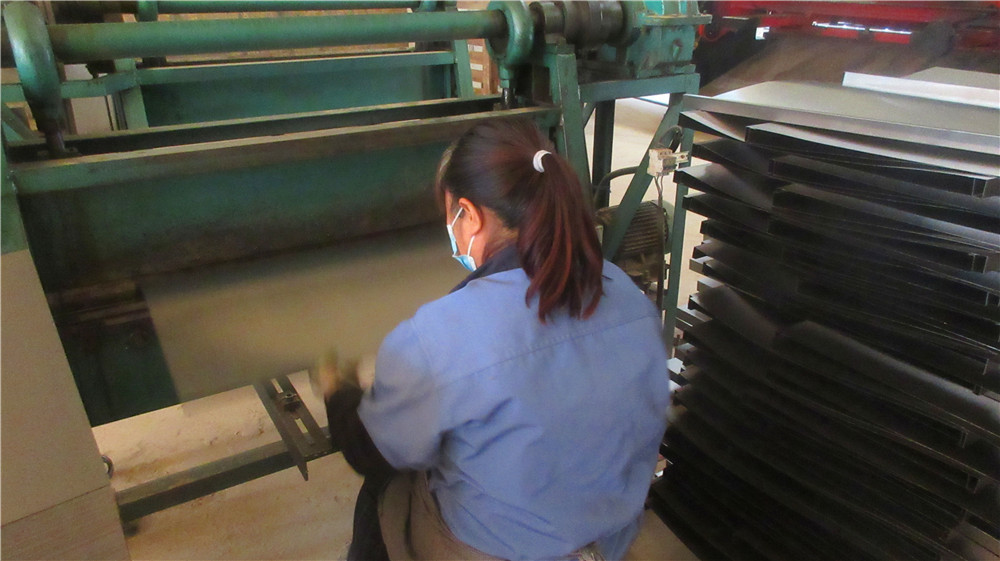 Bending
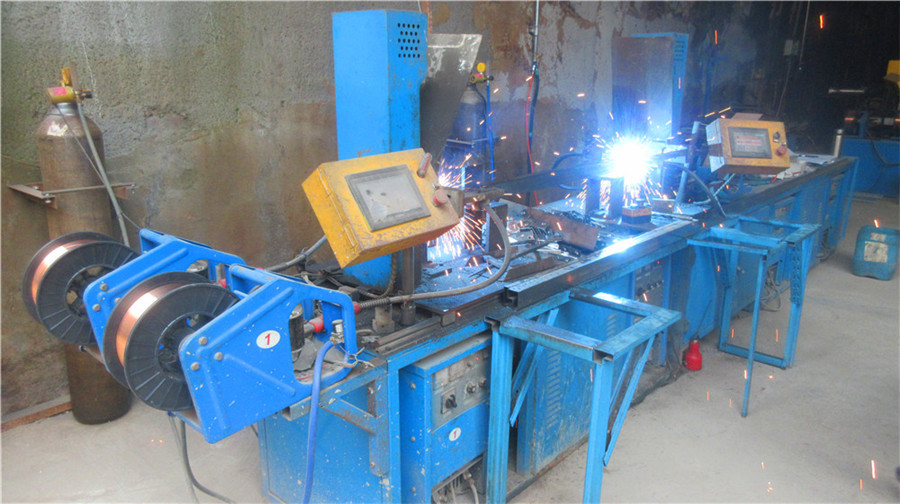 Welding
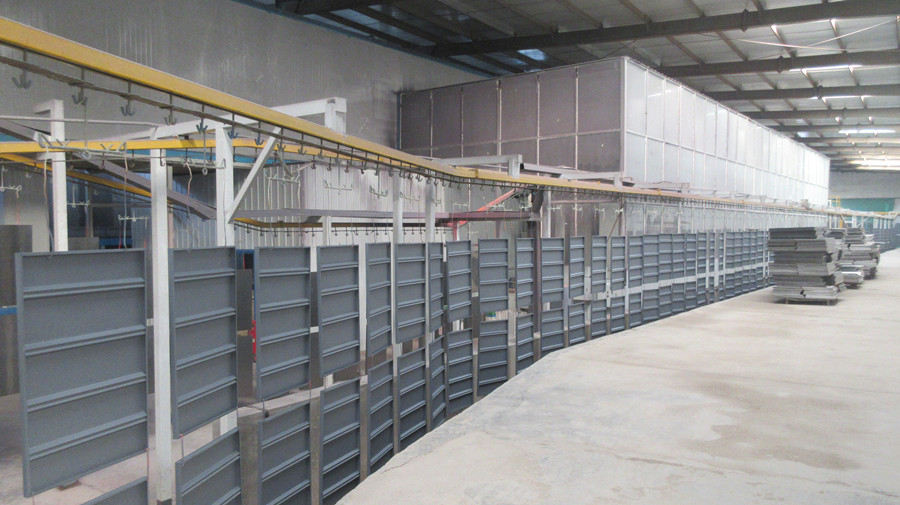 Spraying
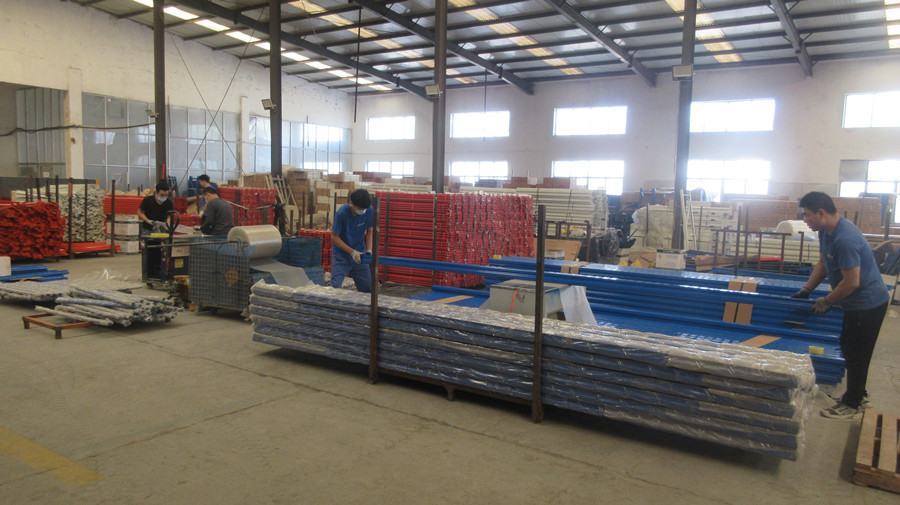 Packaging
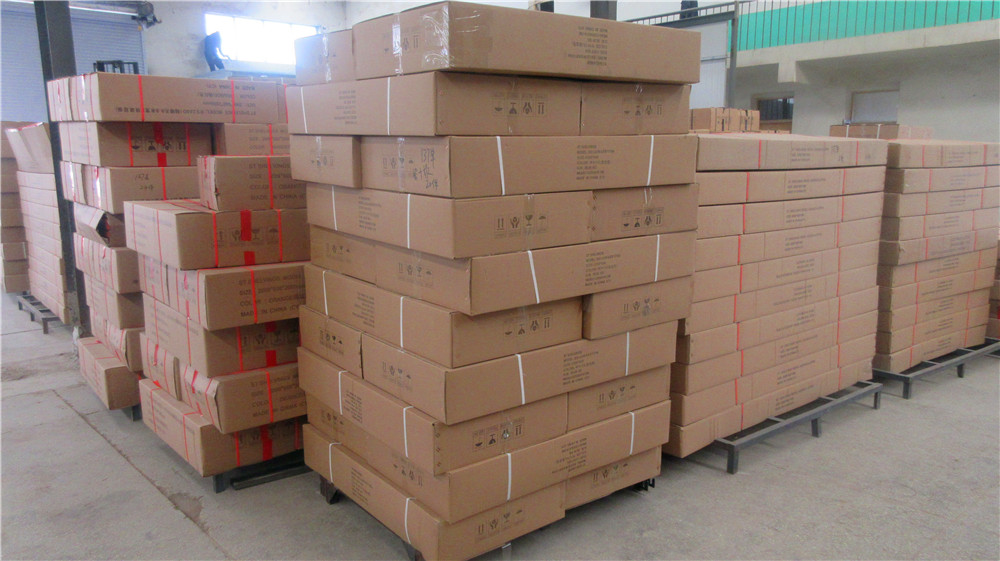 Finished Product
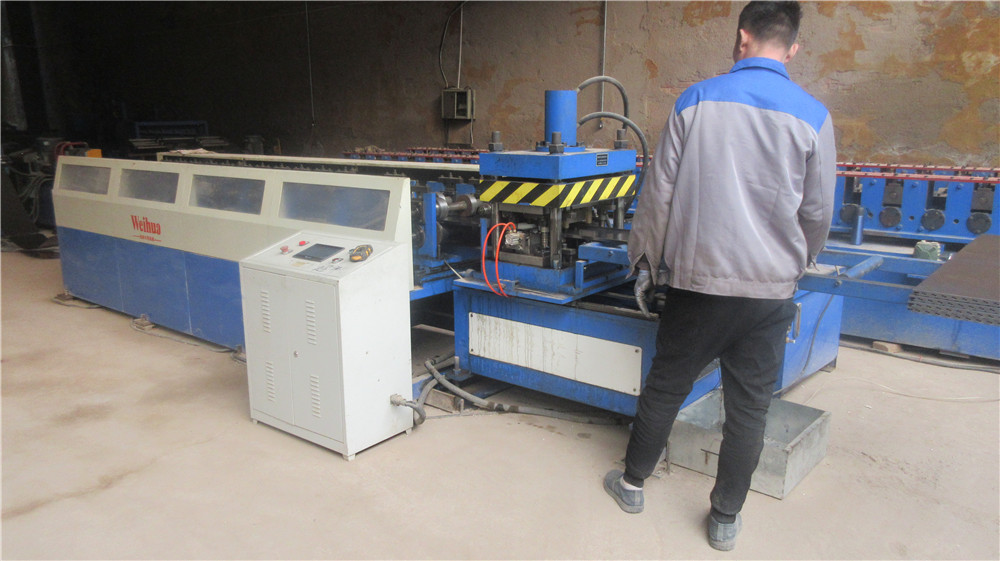 Roller Press
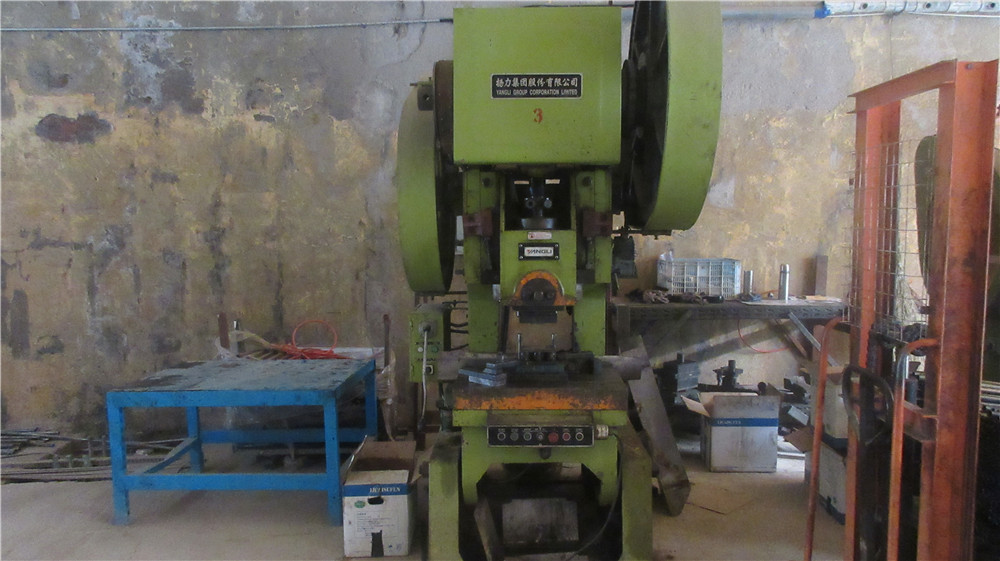 Punching Machine
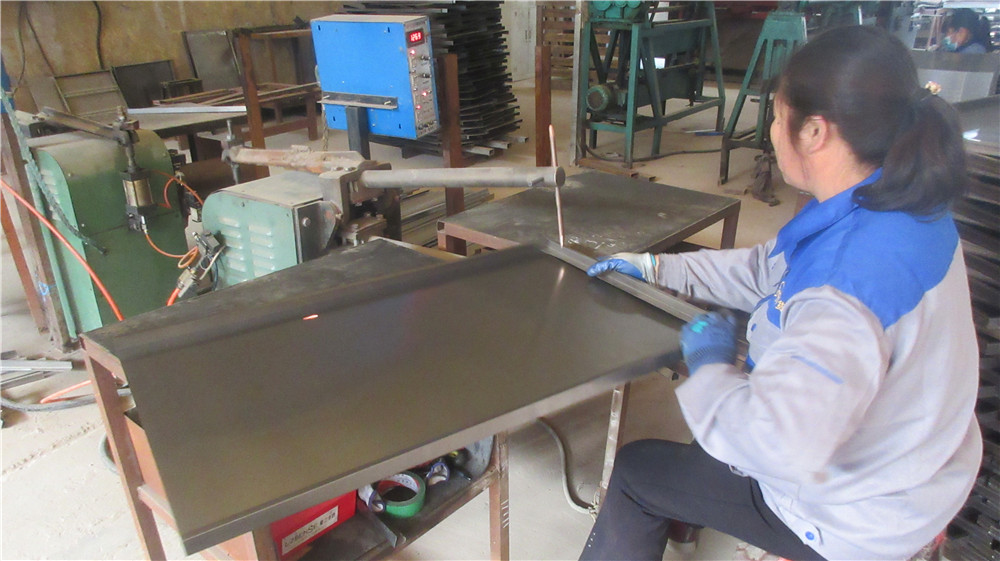 Spot Welding Machine
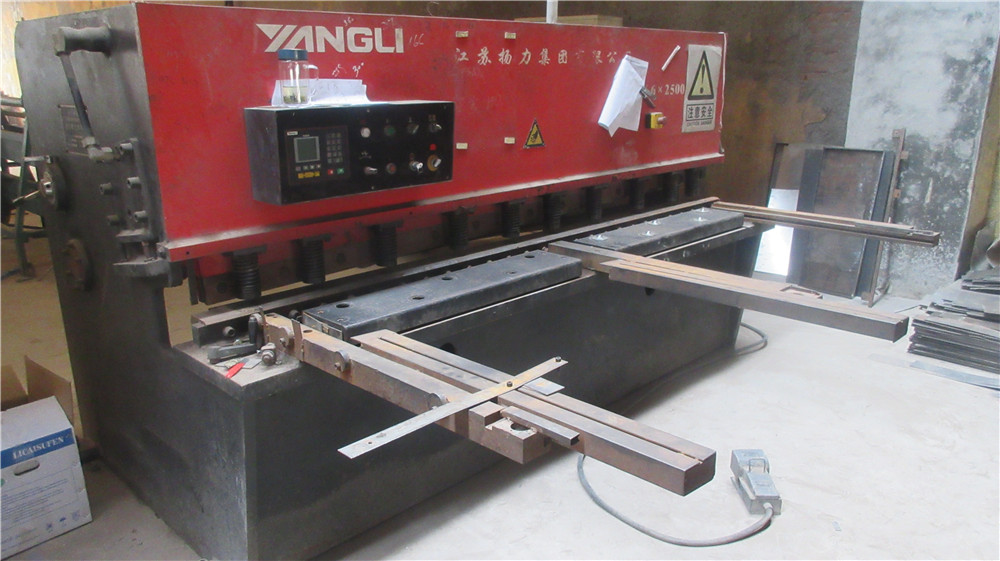 Shearing Machine
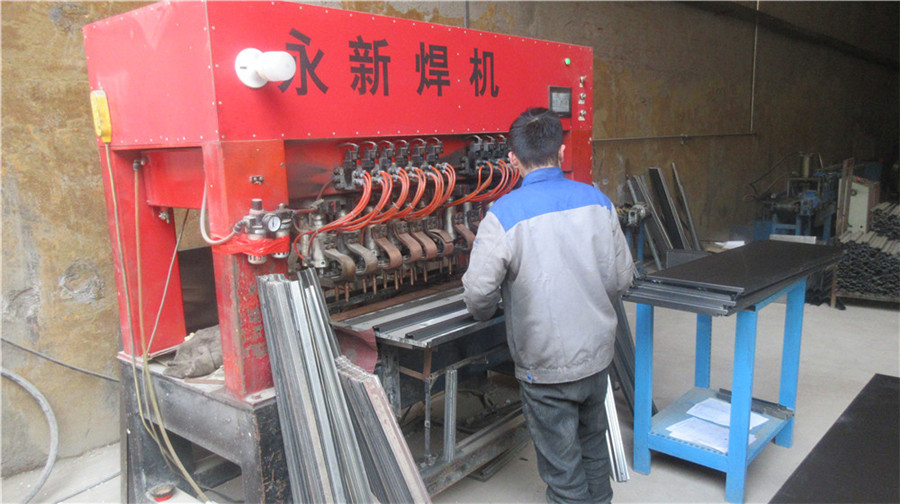 Gantry Row Welder
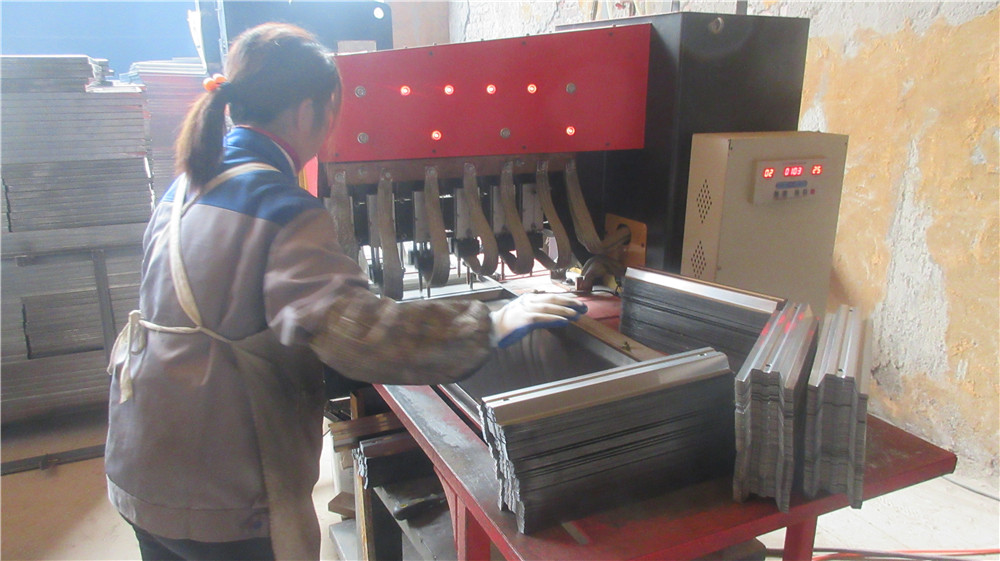 Platoon Welder
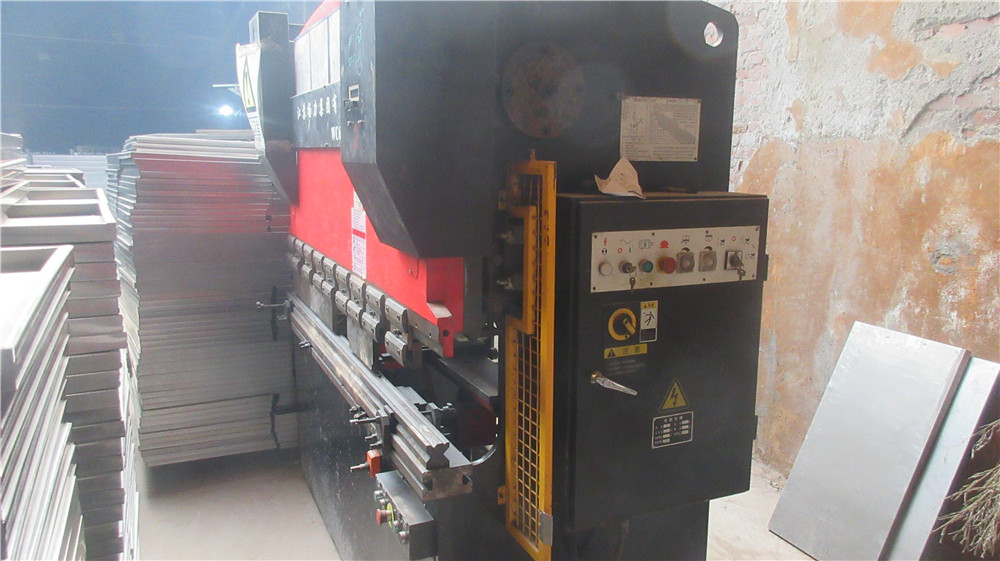 Hydraulic Bending
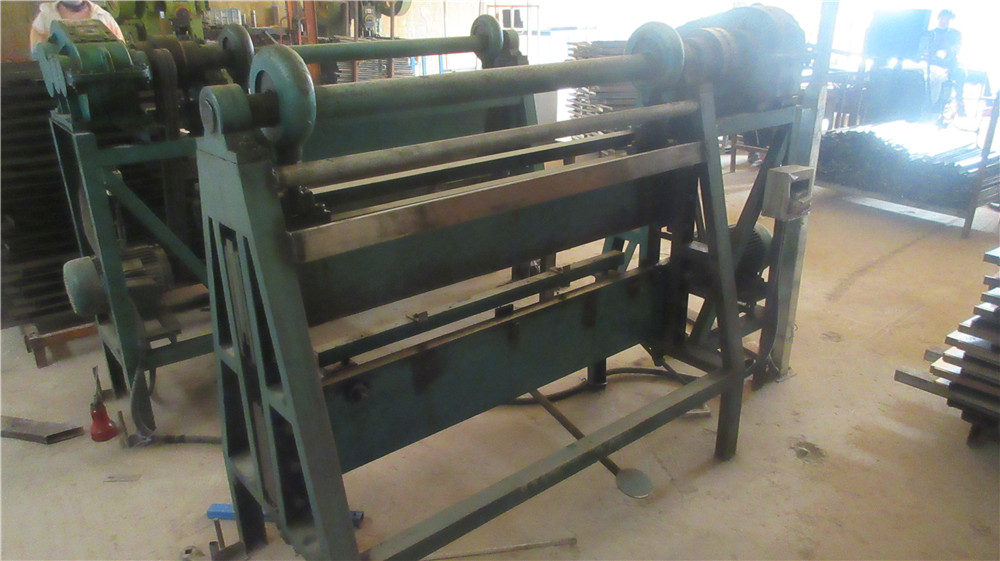 Bending Machine
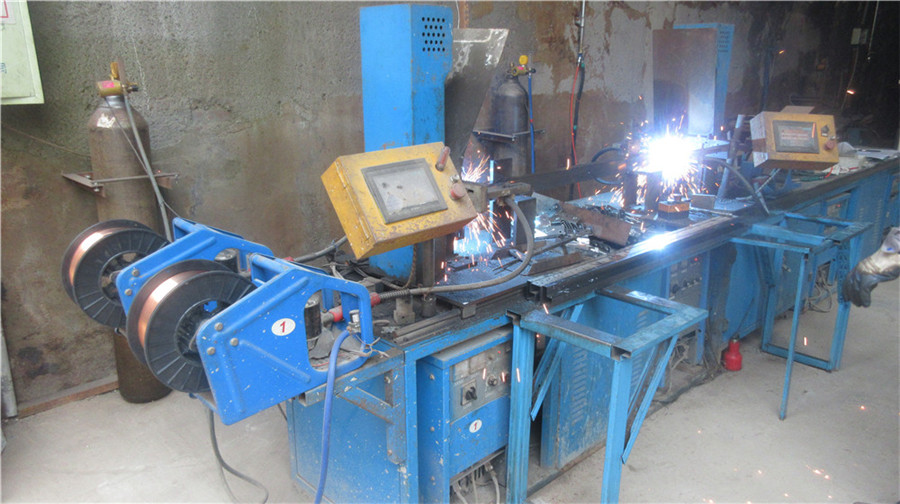 Auto Welder
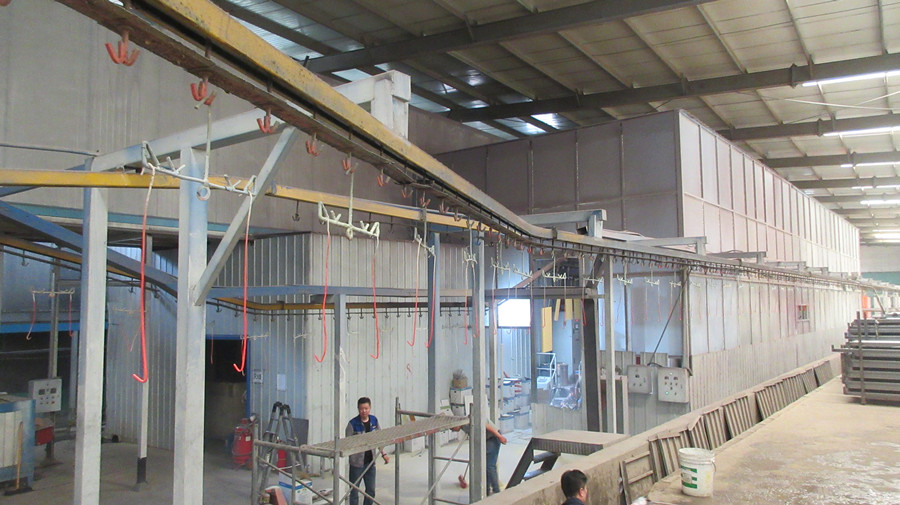 Spraying Line
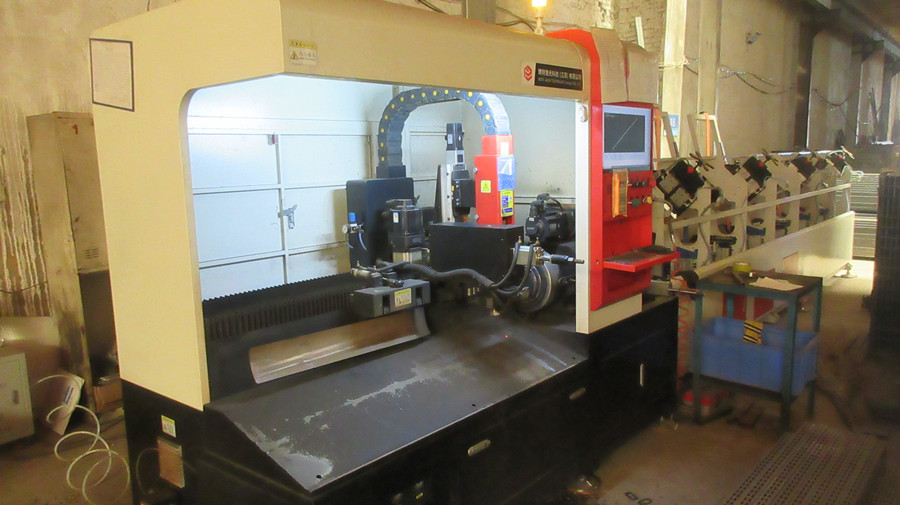 Laser Pipe Cutting
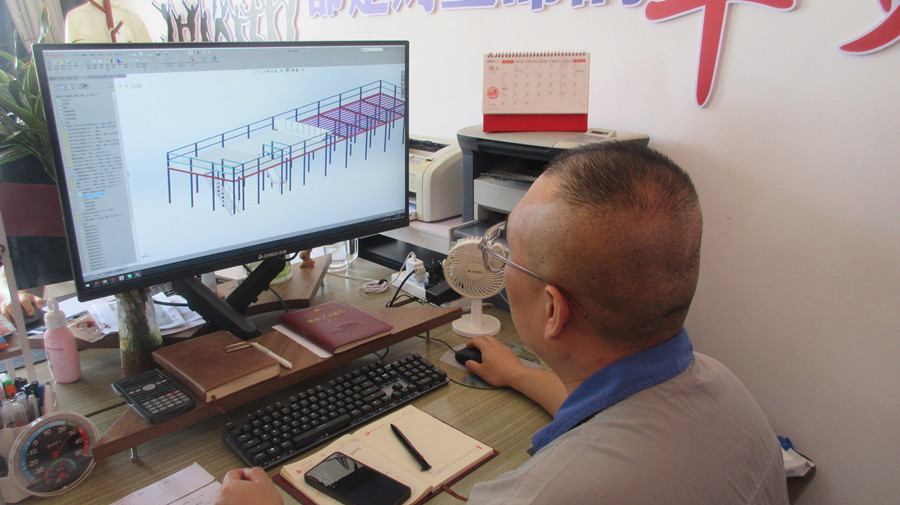 Customized 3D Layout Modeling & Engineering Simulation
A manual for enterprise procurement managers to evaluate structural limits, paint durability, and load distribution curves.
When engineering high-density storage configurations, technical accuracy prevents structural failures. The choice between steel grades, such as Q235B (typical for standard applications) and Q355B (for massive heavy-duty spans), determines the load capacity and fatigue limit of the columns and beams. Stresses calculated under finite element analysis (FEA) show that the thickness of the steel profiles, spacing of connector pins, and locking mechanism style are primary indicators of system safety.
For custom warehousing systems, the layout must address several critical factors:
Additionally, modern logistics sites prioritizing low-latency picker access choose boltless hook-and-slot configurations. These systems allow quick shelf clearance reconfiguration without specialized tools, lowering long-term maintenance costs and layout modifications.
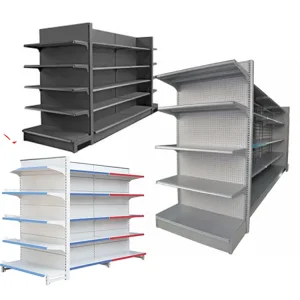
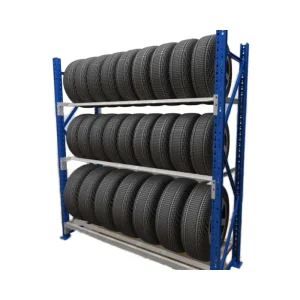
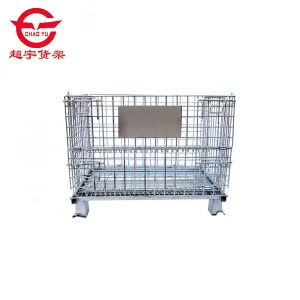
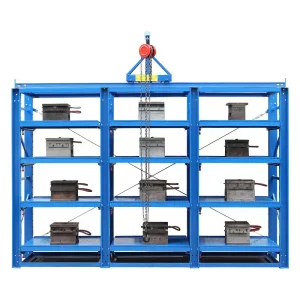
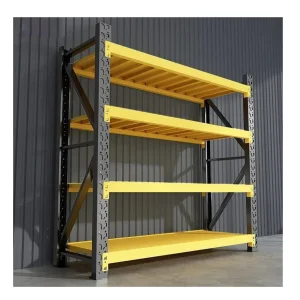
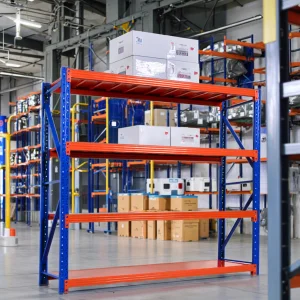
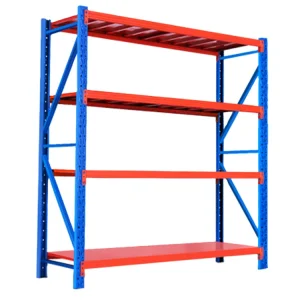
Choose from industrial mold racks, heavy-duty stacking frames, wire mesh cages, and powder-coated multi-tier warehouse systems.
How IoT integration, green steel manufacturing, and structural safety parameters are redefining industrial layouts.
The warehousing sector is moving rapidly toward automation. Modern structural steel racks must now interface seamlessly with smart equipment. Standard heavy racks are being retrofitted with barcode scanner tracks, RFID-reflective materials, and automated crane rails. In robotic warehouses, precision spacing tolerances are reduced to millimeters, requiring manufacturers to produce uprights and beams with minimal variance.
Sustainability has also emerged as a core purchasing metric. Leading enterprises prioritize suppliers that minimize environmental footprints. By using eco-friendly powder coatings free of volatile organic compounds (VOCs) and optimization algorithms that reduce structural waste without compromising strength, racking design has become cleaner and more efficient. At Shenzhen Chaoyu, our 3D design and dynamic modeling allow us to construct high-capacity structures while minimizing excess material, delivering maximum value and eco-efficiency.
Expert structural answers regarding dynamic loads, installation tolerances, material grades, and customization options.
We primary use premium cold-rolled Q235B and Q355B structural steel. Q235B is optimal for standard light to medium-duty warehouse shelves and retail systems, while Q355B is selected for heavy-duty industrial settings requiring extreme structural load tolerances, seismic safety, and high-impact resistance.
Our 18-member R&D engineering team conducts rigorous Finite Element Analysis (FEA) during the design phase. Following production, we execute physical load capacity simulation tests and structural stress tests. All racking designs strictly conform to the European EN15512 codes and RMI guidelines, ensuring safety factors of at least 1.5 to 2.0 under full load capacity.
We offer specialized electrostatic powder coatings with thicknesses ranging from 60 to 90 microns, providing scratch and impact protection. For damp environments, chemical storage, or cold storage facilities, we offer galvanized steel options and high-grade stainless steel configurations to prevent corrosion and oxidation.
Yes, we provide full OEM and ODM customization. Clients can supply engineering drawings or warehouse dimensions, and our design team will generate a detailed 3D CAD model and layout plan. We tailor our configurations to your specific load specifications, space constraints, and installation workflows.
For standard bulk orders, lead time ranges between 20 to 30 days. For highly customized projects requiring custom molds, specialized coatings, or atypical sizing, our engineering and manufacturing timeline runs between 35 to 45 days. We coordinate closely with our 850+ supply chain partners to ensure on-time delivery.
 Chaoyu Storage