Top China Gravity Racks Manufacturer & Exporters

High-Density Flow Racking Engineering • EEAT-Certified Industrial Warehouse Solutions • Heavy Duty FIFO Design

Leading the Era of Intelligent High-Density Warehousing

Founded in 2015, Shenzhen Chaoyu Goods Shelf Co., Ltd. is a premier manufacturer specializing in heavy-duty industrial storage racks, pallet racking systems, and customized warehouse logistics solutions. Operating from a modern 32,000 m² facility, we combine advanced manufacturing technology with rigorous quality control to deliver durable, scalable, and space-optimizing storage products to clients worldwide.

With over 11 years of industry expertise and 8 years of international export experience, Chaoyu generates an annual export revenue exceeding $18 million USD. Our primary markets span North America, Europe, Southeast Asia, and the Middle East, serving high-volume client segments including logistics distribution centers, industrial manufacturing hubs, third-party logistics (3PL) providers, and major retail chains. Supported by a robust network of more than 850 trusted supply chain partners, we ensure high-standard raw material sourcing and on-time delivery across all international projects.

32K m²
Production Area
11+ Yrs
Industry Expertise
$18M+
Annual Export Revenue
850+
Supply Chain Partners

R&D, Innovation, and Multi-Stage QC Certification

Ensuring compliance with international standards through advanced structural engineering.

Strict Quality Control (QC) Architecture

Quality assurance is integral to our operations. Our dedicated team of 35 QC specialists conducts strict multi-stage quality inspections. This covers incoming raw material verification (spectrometric chemical balance verification for structural steel alloys), automated weld defect detection (ultrasonic testing on high-load connection zones), electrostatic powder coating thickness profiling (ensuring 80–120 microns for comprehensive rust prevention), and real-time load capacity simulation testing to guarantee full structural safety and compliance.

Customization (OEM/ODM) Capabilities

Innovation drives our competitive edge. Powered by an experienced R&D team of 18 structural engineers, Chaoyu released over 120 new storage designs and customized racking solutions last year alone. We offer fully versatile OEM and ODM customization options, including dynamic layout planning, load-bearing specification tailoring, custom powder-coating colors, and anti-corrosion surface treatments. Whether executing complete automated warehouse installations or custom heavy-duty unit racks, Shenzhen Chaoyu Goods Shelf Co., Ltd. delivers high-performance storage solutions tailored to every client's operational workflow.

Precision Manufacturing & Facility Infrastructure

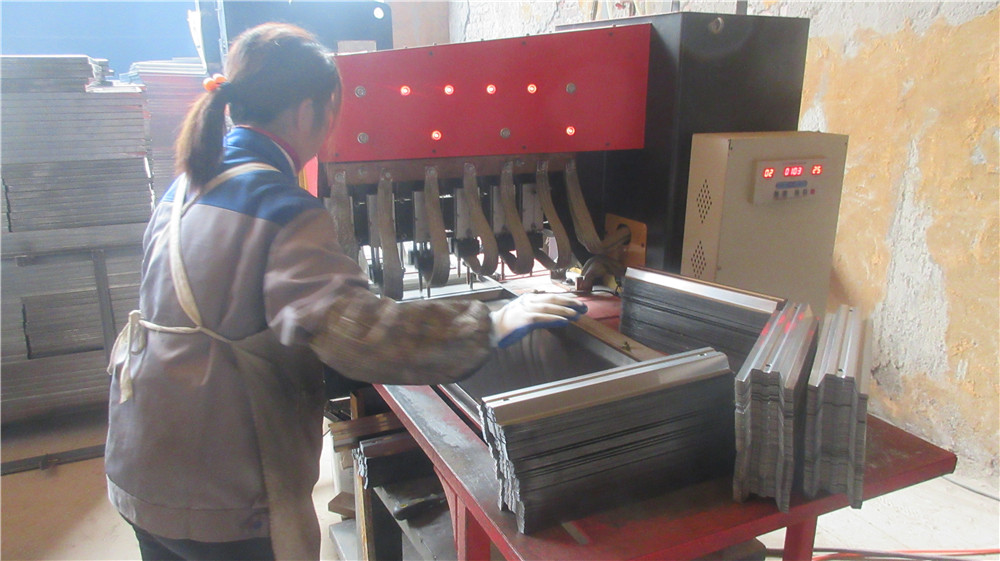
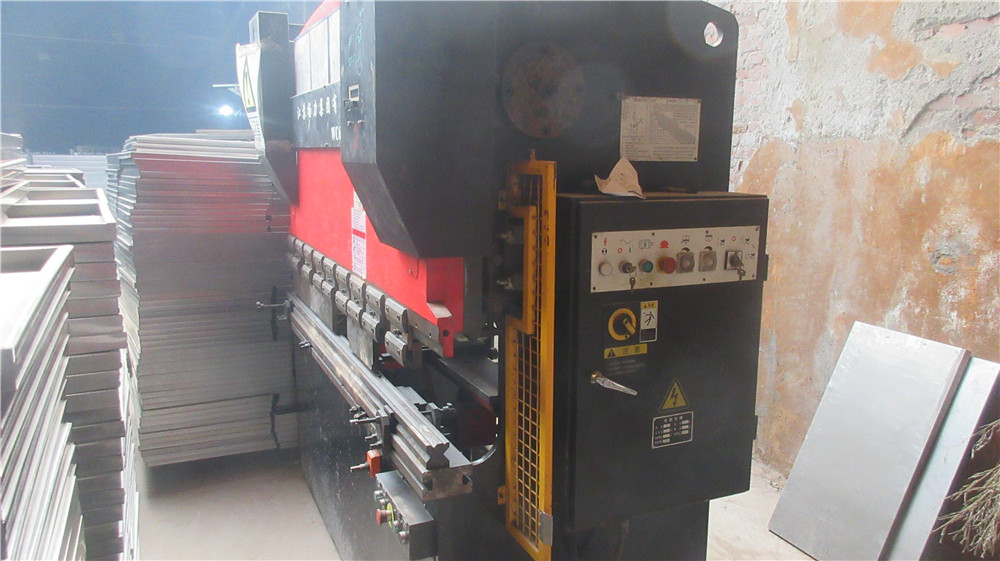
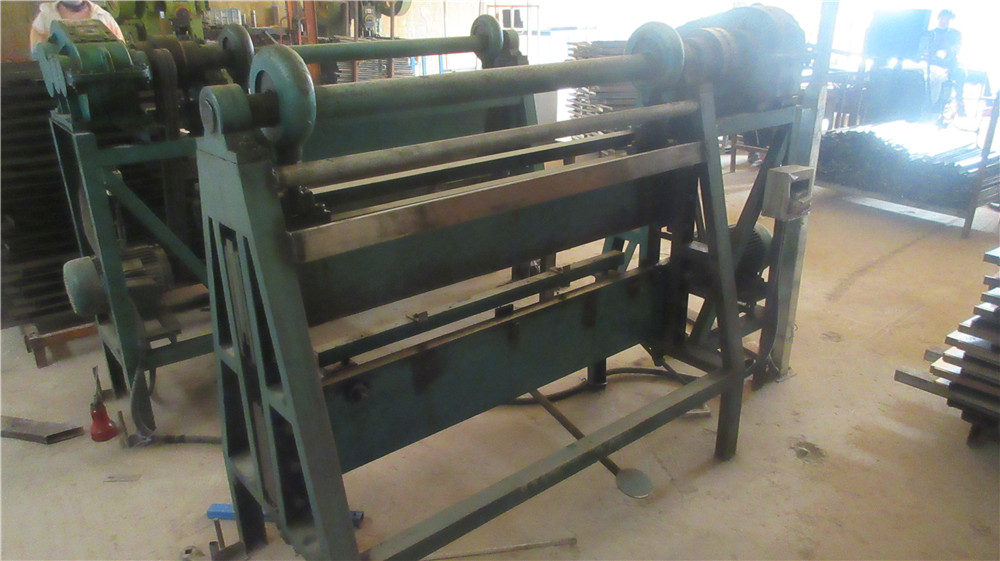
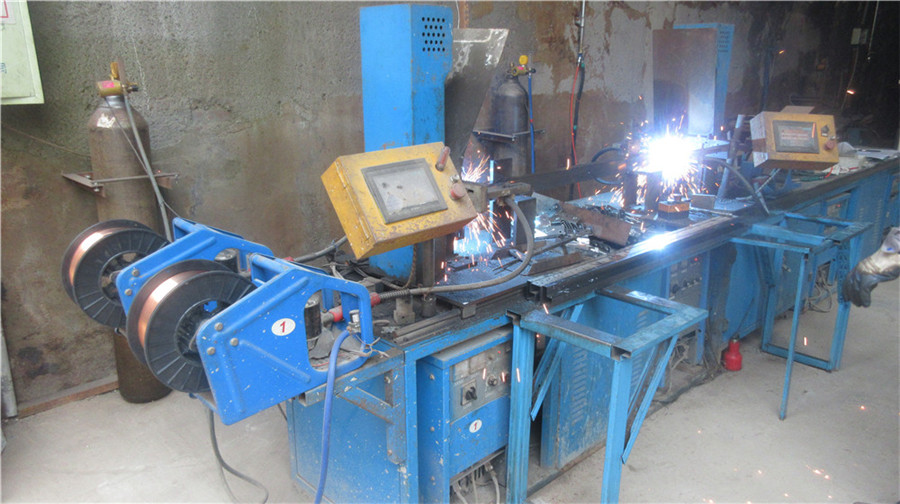
A closer look at our high-speed manufacturing lines and heavy-duty machinery.
The Production Sequence

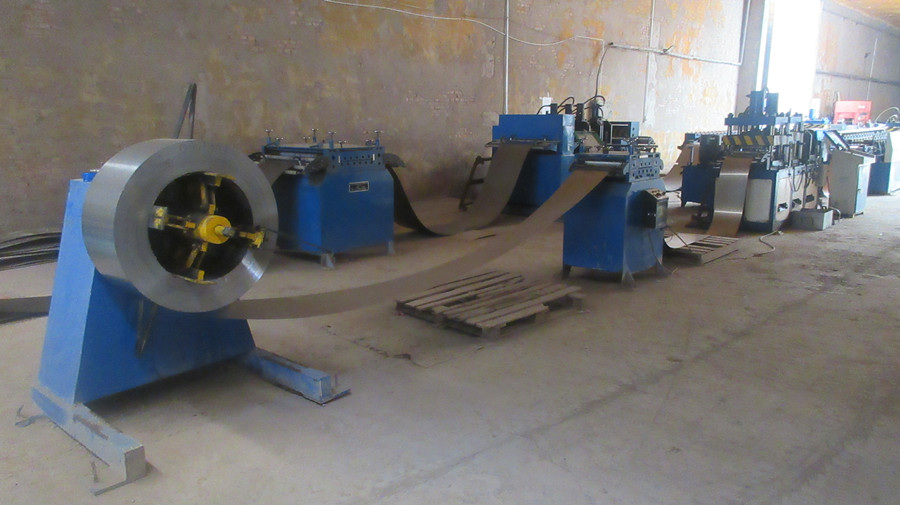
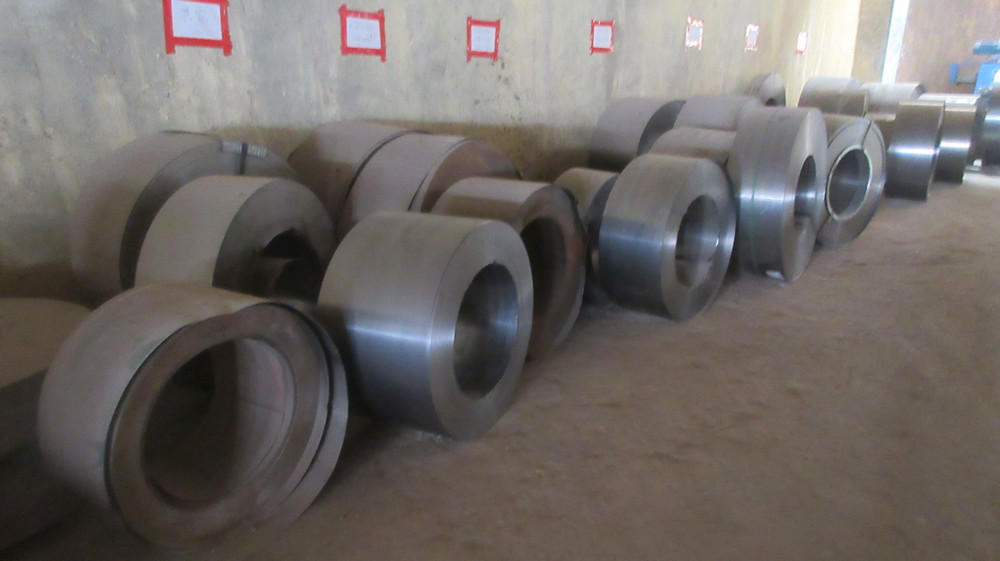
Raw Materials
Raw Materials
Cutting
Cutting
Bending
Bending
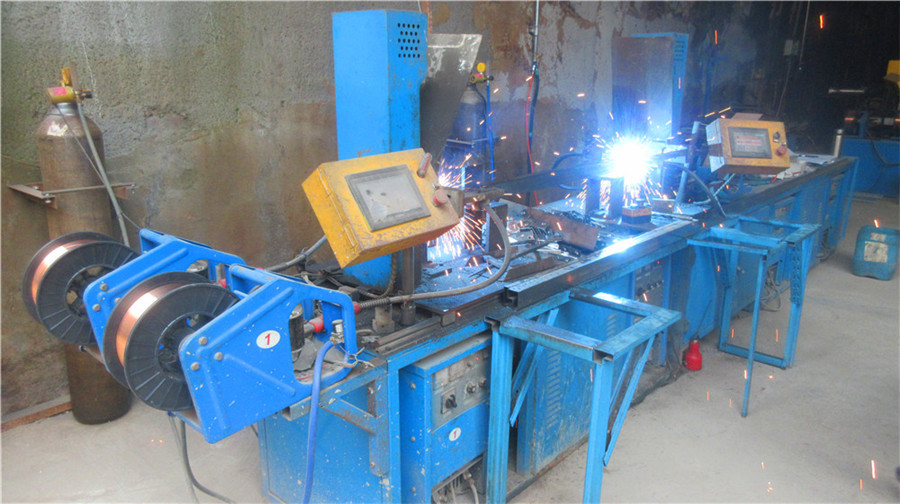
Welding
Welding
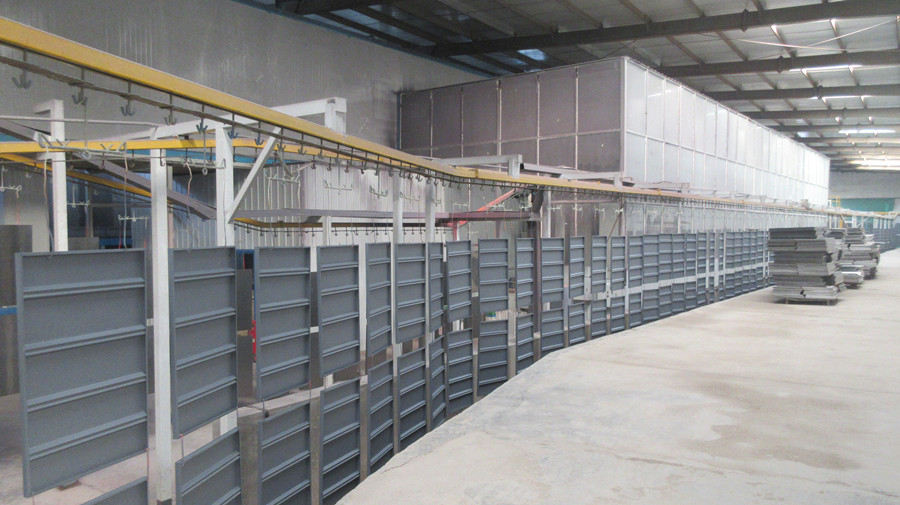
Spraying
Spraying
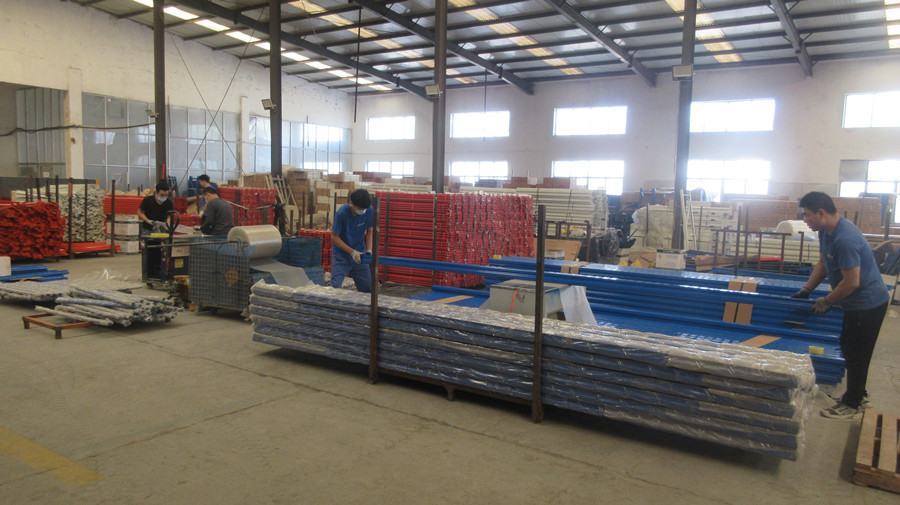
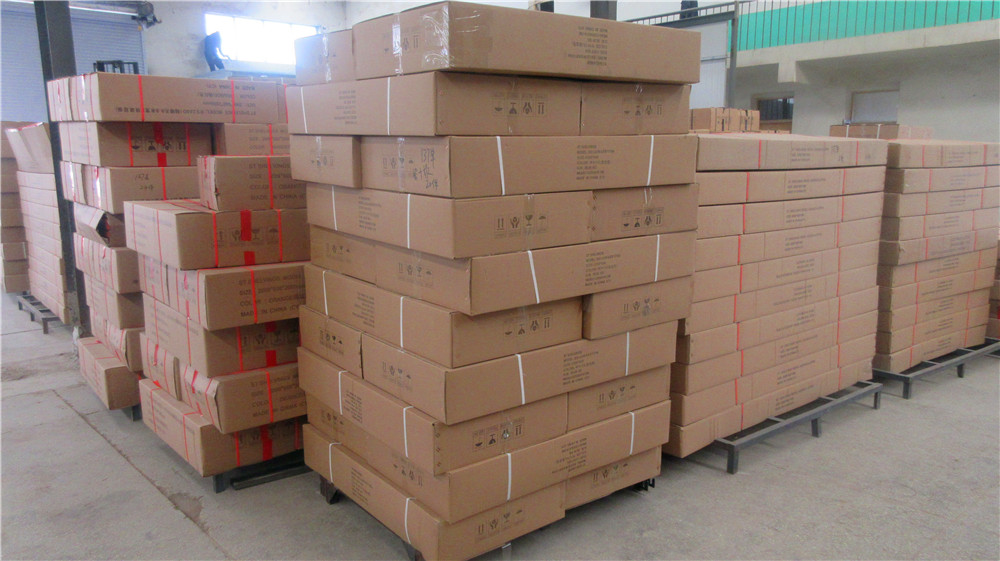
Packaging
Packaging
Finished Product
Finished Product

Our Machine Fleet & Technical Design

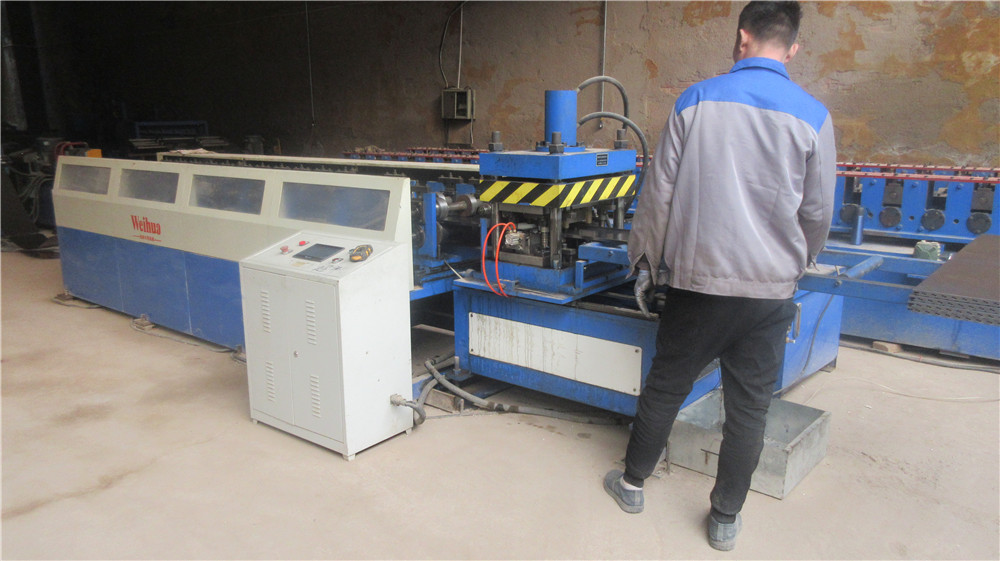
Roller Press
Roller Press
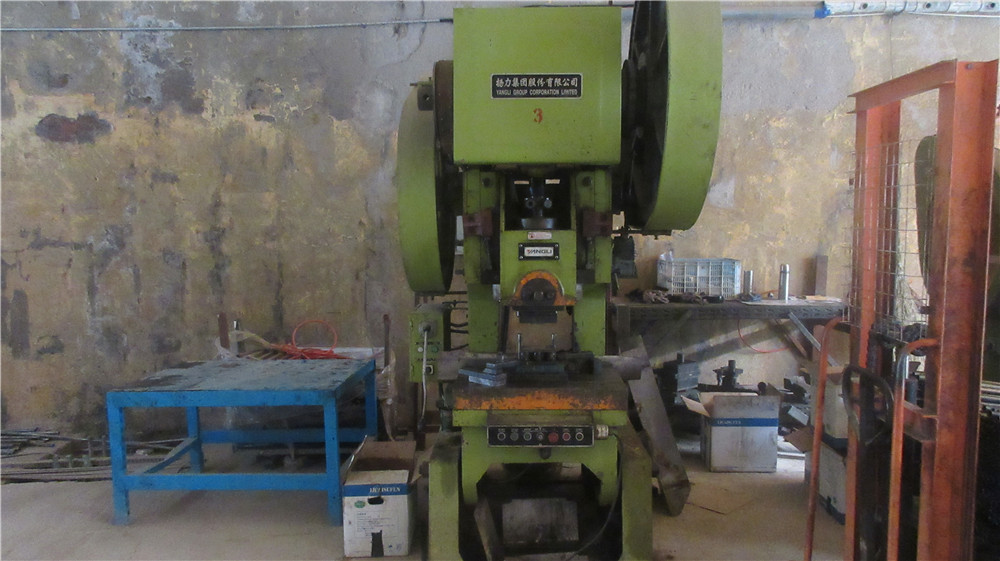
Punching Machine
Punching Machine
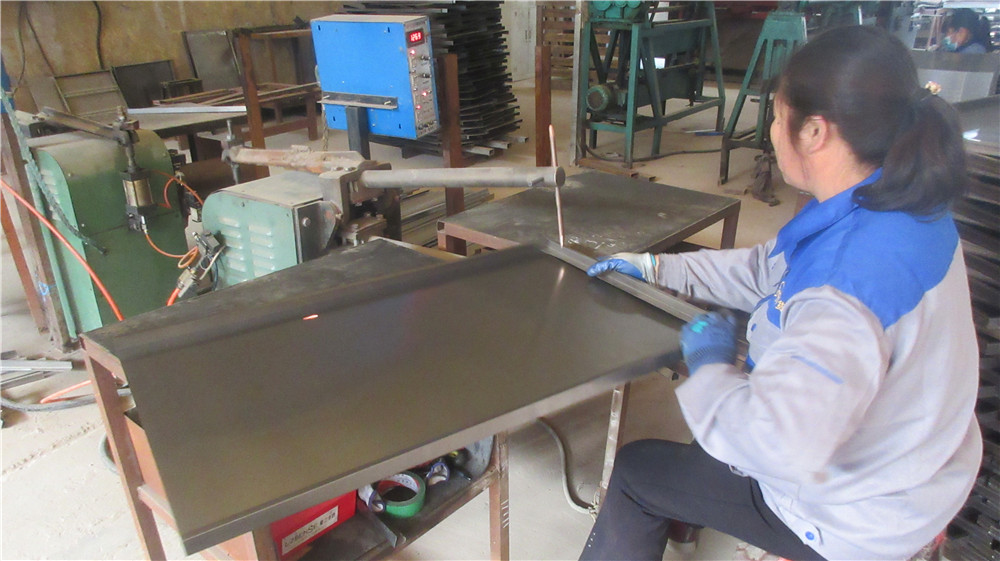
Spot Welding Machine
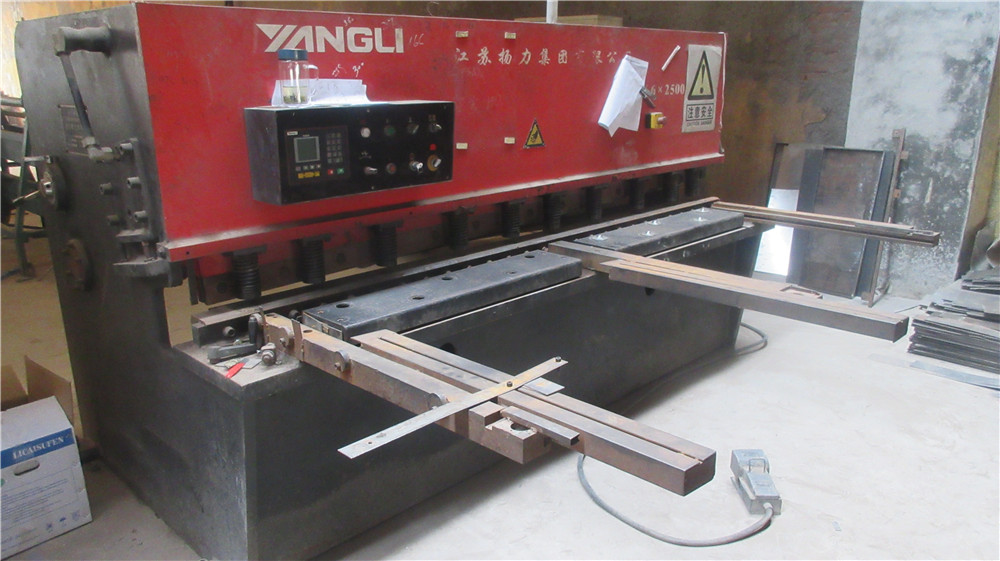
Shearing Machine
Shearing Machine
Gantry Row Welder
Gantry Row Welder
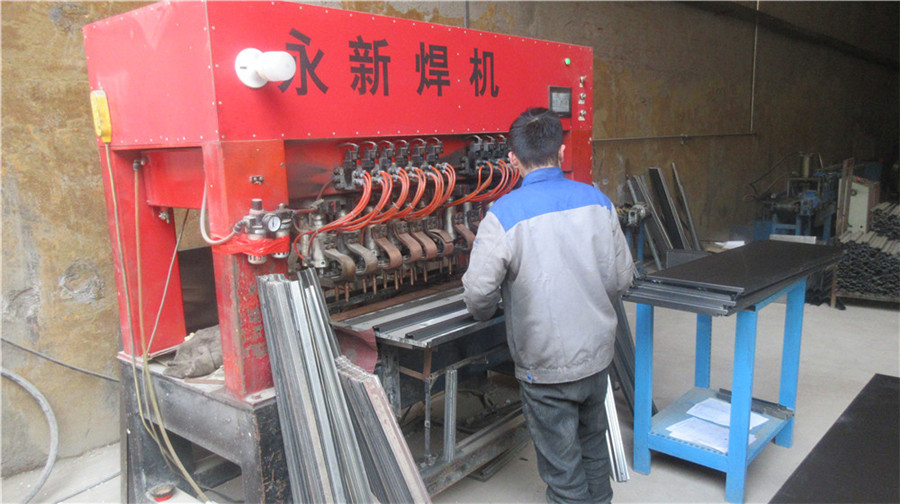
Platoon Welding Machine
Platoon Welding
Hydraulic Bending Machine
Hydraulic Bending
Bending Machine
Bending Machine
Automatic Welding Machine
Auto Welder
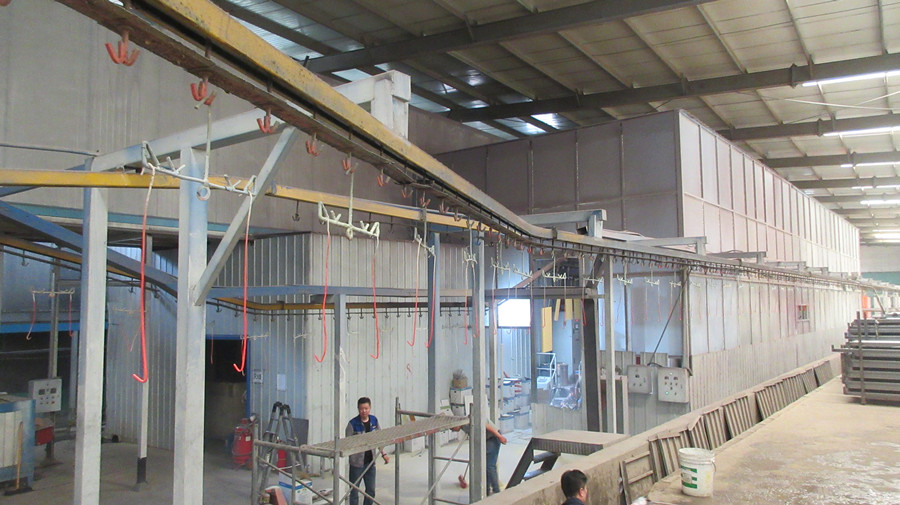
Spraying Line
Spraying Line
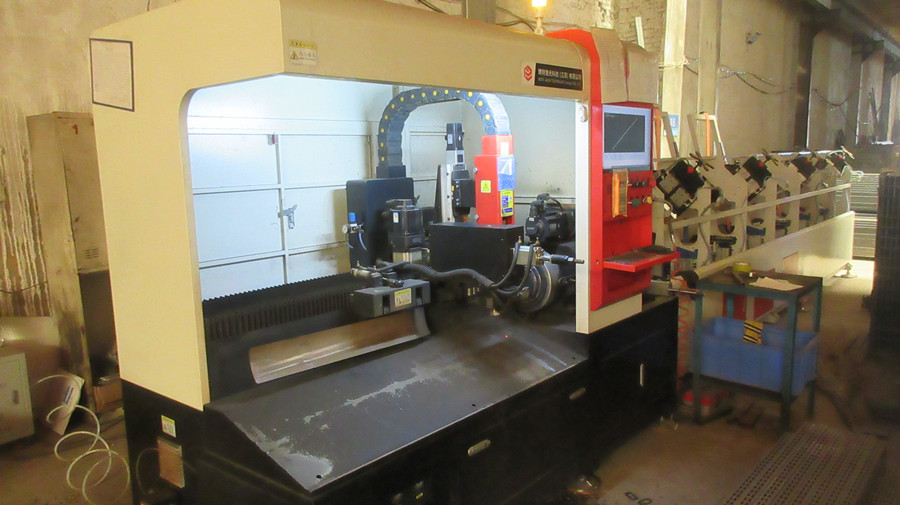
Laser Pipe Cutting Machine
Laser Pipe Cutter
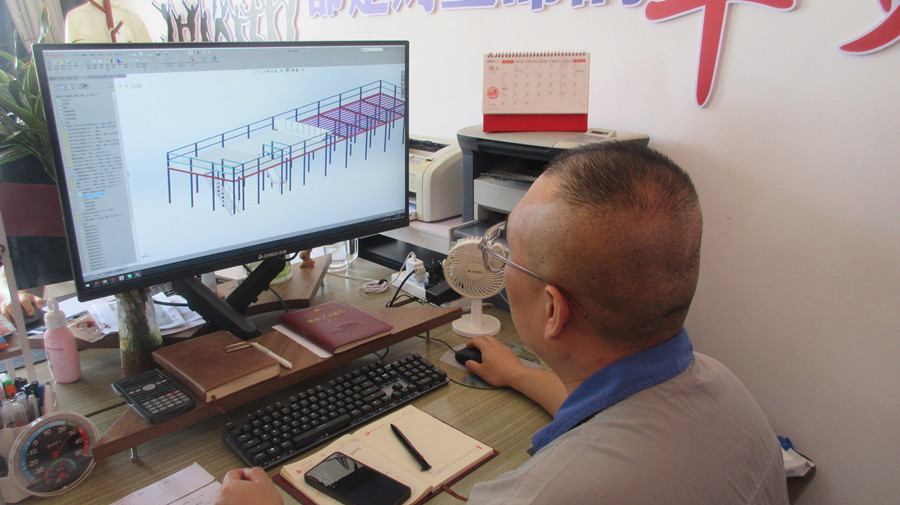
3D Design
3D Engineering

China Gravity Racks: Architectural Principles & Technical Superiority

Understanding the engineering details behind high-density FIFO pallet flow storage.

What are Gravity Racks (Pallet Flow Systems)?

Gravity racks, also referred to as Pallet Flow Racks or FIFO (First-In, First-Out) dynamic storage systems, utilize inclined roller tracks aligned at calculated slope gradients (typically between 3.5% to 4.0%). The system uses the natural pull of gravity to move loaded pallets from the loading aisle to the retrieval aisle. Once a pallet is loaded at the high end, it rolls smoothly downward towards the opposite end.

To ensure control during transport, our systems are equipped with centrifugal speed controllers (dynamic brake rollers) placed at precise intervals along the track. These devices limit pallet travel speed to a safe rate of 0.25 to 0.3 meters per second. At the picking face, structural pallet separation systems decouple the lead pallet from the line pressure of trailing pallets, allowing safe forklift retrieval.

Why Source Gravity Racks from China? The Industrial Factory Advantage

Sourcing gravity racks from Chinese industrial hubs like Shenzhen and Guangdong offers significant strategic and economic advantages:

  • Premium Raw Material Sourcing: Direct access to major domestic steel mills allows us to source certified Q235B and Q345B carbon steel. This structural steel offers high yield strength and resilience under heavy loading, keeping the structural deflection ratio below L/300.
  • Integrated Advanced Machinery: Chinese manufacturers utilize modern automated production lines. Advanced processes like laser cutting, multi-station cold roll-forming, and robotic welding ensure high precision with tolerances within ±0.5mm across production runs.
  • End-to-End Supply Chain Support: Shenzhen's strong industrial network simplifies the sourcing of structural parts, such as precision bearing rollers, durable damping wheels, and impact-resistant entry guides. This enables shorter lead times compared to Western suppliers.
  • Cost-Efficient Engineering: Scale-driven production, optimized workflow processes, and proximity to major shipping ports combine to reduce overall manufacturing costs. This allows us to pass structural savings on to our clients.

Macro Industry Solutions & Localized Application Scenarios

Gravity racks are dynamic structural systems that optimize throughput across several key industrial applications:

  • Cold Storage & Deep Freeze Warehousing (-30°C): Maximizes storage density in temperature-controlled spaces, reducing refrigeration costs. Specialized low-temperature bearings and lubricants ensure smooth roller performance.
  • Fast-Moving Consumer Goods (FMCG) & Food Logistics: Supports strict FIFO rotation, ensuring perishable foods, dairy, and high-turnover products reach the market before expiration.
  • Automotive Assembly & Parts Buffer Lanes: Used as gravity flow racks for heavy components, ensuring a continuous supply of parts to assembly lines without manual transport.
  • Pharmaceutical & Biotech Distribution: Facilitates strict date-code sorting and high-throughput picking, maintaining batch integrity and compliance.

Global Trends Shaping Gravity Flow Systems (2025-2030)

The transition toward smart, energy-efficient, and highly automated warehouse infrastructure.

Automation & AMR Interoperability

Modern gravity flow structures are designed to integrate with Autonomous Mobile Robots (AMRs) and Automated Guided Vehicles (AGVs) to automate loading and retrieval operations.

Eco-Friendly Manufacturing

Transitioning to low-VOC electrostatic powder coatings and closed-loop steel recycling systems. This helps global buyers meet their scope-3 carbon reduction targets.

Intelligent Speed Braking

Developing self-adjusting brake rollers that dynamically regulate their resistance based on the weight of the incoming pallet, preventing sudden impacts.

Global Enterprise Sourcing Requirements & Compliance

Ensuring structural safety, international compliance, and reliable logistics across global supply chains.

Engineering Design & Standards Verification

Enterprise buyers must verify that their racking designs comply with regional safety standards. Industrial gravity systems must be engineered in accordance with RMI (Rack Manufacturers Institute) standards in North America, or EN 15512 and FEM 10.2.02 standards in Europe.

Structural calculations should factor in local seismic ratings and concrete floor load capacities. Our R&D team provides complete 3D structural layouts, finite element analysis (FEA) reports, and structural calculations to ensure safety and compliance before manufacturing begins.

Quality Control Testing Specifications

  • Salt Spray Testing (ASTM B117): Exceeds 500 hours to ensure long-term durability in coastal or high-humidity facilities.
  • Structural Overload Testing: Standard safety coefficients are calculated at 1.5 times the maximum rated load capacity.
  • Welding Quality Inspection: Evaluated via AWS D1.1 structural welding standards to guarantee joints hold up under heavy cycles.
  • Dimensional Tolerances: Uprights, beams, and diagonal bracing are machined to strict specifications to ensure alignment during assembly.

Frequently Asked Questions (FAQ)

Detailed technical answers addressing common questions regarding gravity flow and warehouse racking systems.

Q1: What is the optimal slope angle for heavy-duty gravity flow racks?
The standard slope gradient is set between 3.5% and 4% (approximately a 2-degree incline). The slope is adjusted based on pallet weight, bottom deck construction, and roller style. Lightweight plastic pallets may require a slightly steeper incline, while heavy wood pallets move effectively at a 3.5% slope.
Q2: How do safety speed controllers prevent pallet runaways?
Our speed controllers use internal centrifugal brake shoes. As the roller spins faster, the centrifugal force pushes the brake shoes outward against the inner drum. This creates friction that caps the pallet's rolling speed to a safe limit of 0.25 to 0.3 meters per second.
Q3: Can your racks be used in sub-zero cold storage facilities?
Yes, we customize our systems for temperatures down to -30°C. For these applications, we utilize specialized low-temperature lubricants, impact-resistant steel alloys, and freeze-rated bearing assemblies to ensure reliable operation and prevent structural embrittlement.
Q4: What is the difference between Q235B and Q345B steel?
Q235B carbon steel has a yield strength of 235 MPa and is typically used for standard structural beams and upright frame parts. Q345B steel has a higher yield strength of 345 MPa and is selected for heavy-duty load configurations, long-span beams, and structures under seismic requirements.
Q5: How does a pallet separator system protect operators at the pick face?
The pallet separator is a mechanical release latch installed at the front exit point. It keeps trailing pallets locked back until the lead pallet is lifted and cleared by a forklift. This shields the operator and forklift from the accumulated line pressure of the remaining pallets.