Why Choose Multi-tier Storage for Your Business Needs?

Time:2026-08-09 Author:Oliver
0%

In today's fast-paced business environment, efficient data management is essential. Companies face growing demands for storage solutions that balance performance and cost. Multi-tier Storage has emerged as a strategic choice for businesses of all sizes. This system provides a way to allocate data across different storage types based on importance and access frequency.

With Multi-tier Storage, businesses can optimize both speed and cost. Critical data can reside in high-performance storage, while less-used data can be stored on slower, cheaper options. This strategy supports organizational growth and ensures agility in operations. The potential for cost savings is significant, yet many organizations struggle to implement such systems effectively.

Moreover, the complexity of Multi-tier Storage can be overwhelming. Companies may not fully understand the best configurations for their unique needs. This can lead to inefficiencies and wasted resources. It's crucial for businesses to evaluate their storage requirements carefully and consider expert advice when adopting this technology. Lack of guidance can result in missed opportunities for improvement.
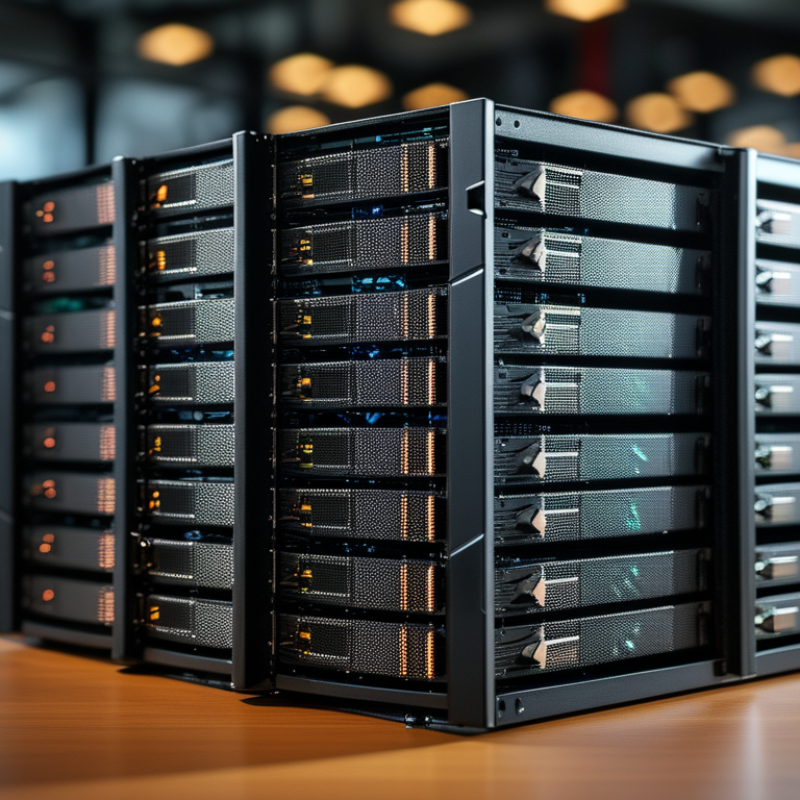
Why Choose Multi-tier Storage for Your Business Needs?

Understanding Multi-tier Storage: Definition and Components

Multi-tier storage is gaining traction among businesses looking to optimize data management. This approach segments data into several layers based on access frequency, cost, and performance needs. Understanding its components helps organizations leverage the technology effectively.

The primary layers consist of primary storage, secondary storage, and archival storage. Primary storage typically uses high-speed devices, which are best for frequently accessed data. Secondary storage, often slower and less expensive, is reserved for less critical data. Archival storage, the most economical option, stores infrequently accessed information long-term. Reports show that businesses can reduce storage costs by over 40% by implementing multi-tier architecture.

Choosing the right data tier is critical. Not all data has the same value or access requirements. A recent industry study revealed that 70% of enterprises struggle with optimal storage allocation. This challenge highlights the need for careful analysis of data usage patterns. Companies must review their storage infrastructure regularly. Only by doing so can they align their multi-tier approach with evolving business demands and technological advancements.

Why Choose Multi-tier Storage for Your Business Needs?

Storage Tier Description Use Case Cost Efficiency
Tier 1 - High Performance Fast access storage primarily for critical applications. Databases, real-time analytics. Higher costs but essential for performance.
Tier 2 - Mid Performance Balance between performance and cost. Application data, web hosting. Moderate costs suitable for many applications.
Tier 3 - Low Performance Cost-effective storage for infrequently accessed data. Backup archives, long-term storage. Lower costs, ideal for large storage needs.
Cloud Storage Scalable storage solutions accessible over the internet. Collaboration tools, disaster recovery. Variable costs based on usage, flexibility.

Benefits of Multi-tier Storage for Business Efficiency

Multi-tier storage has become essential for businesses seeking efficiency. By categorizing data by its importance and access frequency, companies can optimize their storage investments. This approach allows businesses to allocate resources effectively. Critical data can be stored on faster, more expensive drives, while less frequently accessed information is kept on cost-effective options.

Tips: Assess your data usage patterns regularly. Understanding which data needs quick access can help you make informed decisions. Also, consider the balance between performance and cost.

Implementing multi-tier storage can lead to significant cost savings. Companies can reduce expenses on storage without sacrificing performance. However, it’s important to continuously review your storage strategy. What worked before may not be effective today. Regular audits can identify potential inefficiencies. Embrace change and adapt to new data storage solutions as technology evolves.

Tips: Encourage your team to provide feedback on data access issues. Engaging employees can lead to valuable insights for improving your storage strategy. Keep communication open and ensure everyone understands the benefits of multi-tier storage.

Cost-effectiveness of Multi-tier Storage Solutions

Multi-tier storage solutions offer significant cost-effectiveness for businesses. A recent report by the International Data Corporation (IDC) reveals that organizations adopt a tiered approach to reduce total storage costs by up to 36%. By utilizing multiple storage tiers, companies can store frequently accessed data on faster, more expensive media while relegating less critical information to slower, cost-efficient options.

Astute data management directly impacts operational expenses. For example, cloud storage costs have decreased by approximately 23% over the past year, encouraging businesses to reassess their storage strategies. Inflexible storage solutions often inflate costs without addressing actual data usage patterns. Research shows that about 80% of data stored is rarely accessed, leading to wasted resources. Multi-tier systems help in reallocating these assets effectively.

However, implementing a multi-tier storage solution does come with challenges. Companies must evaluate their data traffic and access patterns to determine the most effective tiering strategy. This requires continuous monitoring and adjustments to avoid misallocations. A nuanced approach is necessary. Each business must assess its unique needs and capabilities for optimizing storage costs.

Scalability and Flexibility in Multi-tier Storage Systems

Multi-tier storage systems offer remarkable scalability and flexibility for businesses. As data grows, the ability to add storage tiers is crucial. Research by IDC indicates that the global data sphere will reach 175 zettabytes by 2025. This explosive growth affects how companies manage their data resources.

With multi-tier solutions, businesses can allocate resources efficiently based on demand. Critical data can be stored on high-performance tiers, while less accessed data is moved to slower, more economical options. This strategy not only reduces costs but also optimizes access speed. According to Gartner, organizations can cut costs by as much as 30% through effective tiered storage management.

Yet, the implementation isn't without challenges. Companies sometimes struggle to define criteria for data classification. Misalignment can lead to performance bottlenecks or wasted resources. Regular evaluations are essential, as data patterns change over time. A flexible approach allows organizations to adapt their strategy as needs evolve.

Best Practices for Implementing Multi-tier Storage in Your Organization

Implementing multi-tier storage can significantly optimize your organization’s data management. Begin by categorizing data based on its usage. Identify which data is accessed frequently and which is infrequently. You might consider separating critical business operations from seldom-used archives. This distinction helps prioritize investments and maintenance efforts for various storage types.

As you implement this system, establish clear policies for data transfers. Determine when data should be moved between tiers. Automating this process can lead to efficiency. However, be wary of potential pitfalls. For example, improperly managed data transfers could lead to delays in accessing important information. Regular audits of your data to assess its relevance can enhance reliability and performance.

Education is vital. Train your team on best practices for using the multi-tier storage system. Encourage feedback to improve processes. Acknowledge that not everyone will adapt immediately. Some may resist the changes or misunderstand new protocols. Create a supportive environment for learning, where questions are welcomed. This initiative fosters a smooth transition and ensures lasting success for your storage strategies.

FAQS

: What is multi-tier storage?

: Multi-tier storage categorizes data by importance and access frequency. It optimizes storage investments for businesses.

How can businesses save costs with multi-tier storage?

By storing critical data on expensive drives and less accessed data on cost-effective options, companies reduce expenses.

Why is it essential to assess data usage patterns?

Regular assessments help identify data that needs quick access, enabling informed storage decisions.

What challenges might arise when implementing multi-tier storage?

Companies often struggle with data classification, which can cause performance issues and resource waste.

How can organizations ensure the effectiveness of their storage strategy?

Continuous reviews and regular audits are vital to identify inefficiencies and adapt to changing data patterns.

What role does employee feedback play in optimizing storage?

Engaging employees can provide insights into data access issues, improving the overall storage strategy.

How can training impact multi-tier storage implementation?

Educating teams fosters understanding and promotes best practices, although some may resist change initially.

Why is automation important in data transfers between tiers?

Automating transfers enhances efficiency, but poor management can lead to delays in accessing important data.

What should organizations do to accommodate data growth?

Flexibility is key; adding storage tiers as data grows allows for efficient resource allocation.

How can a supportive environment aid in implementation success?

Encouraging questions and feedback creates a smoother transition, helping teams adapt to new processes effectively.

Conclusion

Multi-tier storage is a strategic approach to managing data efficiently across different storage types, tailored to meet various business needs. By understanding its definition and components, organizations can appreciate the benefits of enhanced business efficiency, significant cost savings, and the ability to scale and adapt as demands evolve. Multi-tier storage systems enable businesses to allocate resources effectively, ensuring that critical data is accessible while optimizing costs associated with storage solutions.

Implementing best practices for multi-tier storage in an organization helps maximize its advantages, providing a flexible framework that supports growth and innovation. This approach not only streamlines data management but also improves overall operational performance, making it a vital consideration for businesses looking to enhance their data strategy and infrastructure.

Oliver

Oliver

Oliver is a seasoned marketing professional with a wealth of expertise in driving brand awareness and engagement. With a deep understanding of our company's product offerings, he consistently delivers high-quality content that enriches our professional blog. His insights not only shed light on......