Choosing the right Mezzanine Systems can significantly impact your warehouse efficiency. These systems can optimize storage space and improve workflow. However, selecting the best option involves careful consideration.
Understanding your specific needs is crucial. Mezzanine systems come in various styles and configurations. You may need a heavy-duty structure for industrial storage or a lighter version for office space. Each type offers distinct advantages and limitations.
Research is your ally. Look into manufacturers with a strong reputation. Seek out reviews and case studies. Gather insights from user experiences. This will help you avoid potential pitfalls. Remember, a well-informed choice leads to long-term satisfaction.
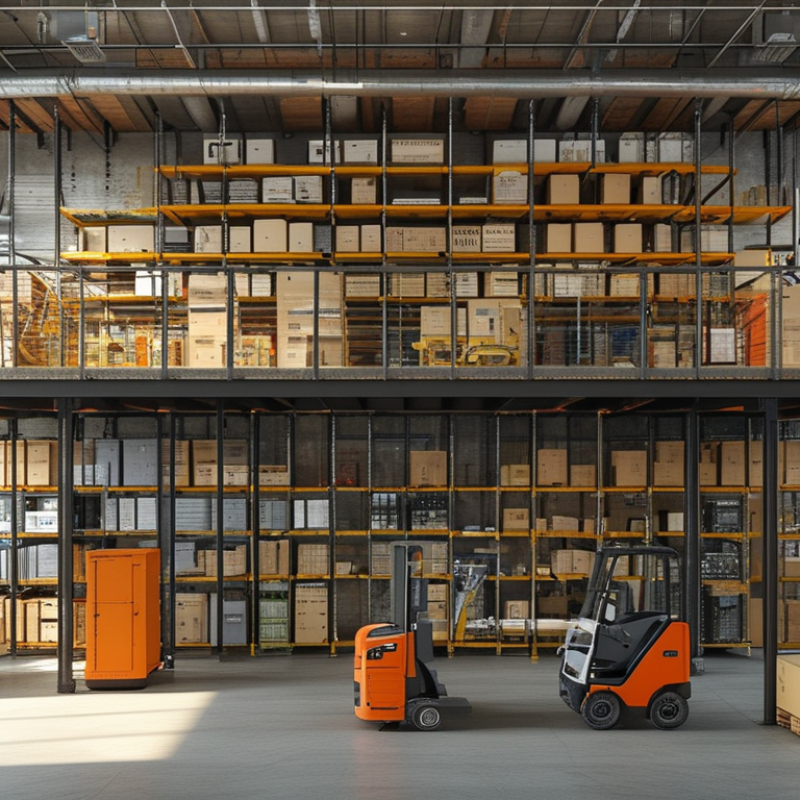
Mezzanine systems provide a unique solution for maximizing vertical space in warehouses, retail stores, and manufacturing facilities. These intermediate floors are designed to enhance storage capacity without the need for costly expansion. Essentially, they elevate operations, allowing for more efficient use of existing square footage. Businesses benefit from this setup by optimizing workflow and increasing productivity.
Understanding the definition and purpose of mezzanine systems is crucial. They serve as an intelligent response to space limitations. However, it’s essential to consider factors such as load capacity and accessibility. Some systems may not fit every environment, and miscalculating requirements can lead to challenges. The design must accommodate safety standards, which can be complex and require expert input.
Additionally, not all mezzanine systems are adaptable to changes in business needs. A static system may hinder future growth or operational shifts. Evaluate current and future space requirements carefully. Always weigh design options against potential changes. Being flexible in your design approach leads to smarter, more sustainable choices.
When selecting mezzanine systems, several key factors play a significant role. First, assess the weight capacity required. According to industry standards, a typical mezzanine can support loads between 125 and 300 pounds per square foot. Understanding your load requirements is crucial for safety and functionality.
Another factor to consider is the material of the mezzanine system. Steel mezzanines are popular due to their durability and strength. However, wood options may offer cost savings for lighter loads. It's essential to evaluate both long-term investment and performance.
Tip: Always check compliance with local building codes. This ensures safety and helps avoid costly reworks. User feedback often reveals that overlooking code compliance leads to unexpected delays.
Think about the layout of your space. A well-designed mezzanine optimizes real estate. Surveys reveal that properly implemented mezzanines can increase operational efficiency by nearly 40%. Investing time to plan your layout can yield significant productivity improvements.
In summary, understanding load requirements, material choice, and layout design are critical. Each choice impacts the overall performance and safety of your mezzanine system. These factors may seem straightforward, but reflecting on them can uncover potential pitfalls.
When exploring types of mezzanine systems, it’s essential to consider various designs and materials.
Common options include steel, aluminum, and fiberglass.
Steel is widely favored for its durability,
supporting heavy loads and often used in industrial environments. Data from the Material Handling Industry Association
indicates that around 65% of warehouses utilize steel mezzanine systems
due to their strength and versatility.
Aluminum mezzanines offer a lightweight alternative.
They are rust-resistant and ideal for environments where weight is a consideration. Interestingly, a report from the
American Society of Safety Engineers highlights that aluminum can reduce overall structural costs by up to
20%, making it budget-friendly.
Fiberglass mezzanines are less common but provide excellent corrosion resistance.
They work well in specialized settings like chemical plants. Despite the advantages, they may lack the load-bearing
capacity of steel options. Those planning to invest in mezzanine systems should weigh the pros and cons.
The choices greatly depend on specific use cases and
environmental conditions.
When evaluating space for mezzanine design, effective planning is crucial. Industry reports show that businesses can maximize their space utilization by 50% with well-designed mezzanines. This makes careful assessment of dimensions and weight capacity critical. Take time to analyze your current operations and future needs. This will help in creating a space that promotes efficiency.
Consider the building's height before planning. An optimal height increases the usable area significantly. Many experts recommend a minimum clearance of 10 feet for operational ease. As you assess, think about safety regulations and load requirements. This is vital to avoid costly redesigns later on.
Tip: Conduct an in-depth needs analysis. This clarifies what storage or additional workspace is truly needed. Another tip: consult professionals for structural evaluations. Their insights can help in determining feasibility and costs. Lastly, create mock-ups of the design. Visualization aids in understanding potential challenges before construction starts. Engaging in this detailed evaluation process enhances safety and boosts overall productivity.
When planning mezzanine construction, budgeting is crucial. Understand the initial costs involved. These include materials, design, and labor. Labor costs can vary significantly based on your location and the complexity of the design. It's essential to consult multiple contractors to get a realistic quote. Sometimes, the cheapest option may lead to hidden costs later.
Consider the ongoing expenses too. There are costs for maintenance and potential modifications in the future. A well-planned mezzanine can save you money over time, but poor planning can lead to unexpected expenses. Take time to research materials that are durable and cost-effective. Investing in quality can provide long-term savings.
Also, think about the impact of building permits and inspections. These can add to your costs and timeline. Ensure all regulations are followed to avoid fines or redesigns. Reflection on the entire budgeting process can lead to better decisions. Avoid rushing into this vital part of mezzanine construction. A thorough budget allows for greater flexibility and successful project completion.
: Mezzanine systems are intermediate floors designed to maximize vertical space in various facilities.
They enhance storage capacity without expensive expansions and improve workflow efficiency.
Load capacity, accessibility, and safety standards must all be considered for effective design.
Not all systems are flexible. Static designs may limit future growth and operational changes.
Carefully assess dimensions, weight capacity, and building height to maximize usable area effectively.
Initial costs include materials, design, and labor. It’s essential to gather quotations from multiple contractors.
Maintenance and potential future modifications can add to long-term expenses.
Permits and inspections can increase costs and delay timelines. Following regulations is essential.
A needs analysis identifies true storage requirements, aiding in effective design and space utilization.
Reflection can lead to better decisions and prevent unexpected costs during mezzanine construction.
When selecting the best mezzanine systems, it is essential to start with a clear understanding of their definition and purpose, as these systems serve to maximize vertical space in various environments. Key factors to consider include load capacity, materials, and regulatory compliance, which all play a critical role in the effectiveness and safety of the mezzanine.
Additionally, a comprehensive overview of the types of mezzanine systems available will aid in making an informed choice. Effective design and space evaluation are crucial for optimal mezzanine planning, ensuring that the structure not only meets operational needs but also integrates seamlessly into the existing architecture. Finally, budgeting and understanding the costs associated with mezzanine construction will help in achieving a balance between quality and affordability, making the investment worthwhile.

Chaoyu Storage