How to Choose Carton Flow Storage for Global Sourcing?

Time:2026-10-18 Author:Henry
0%

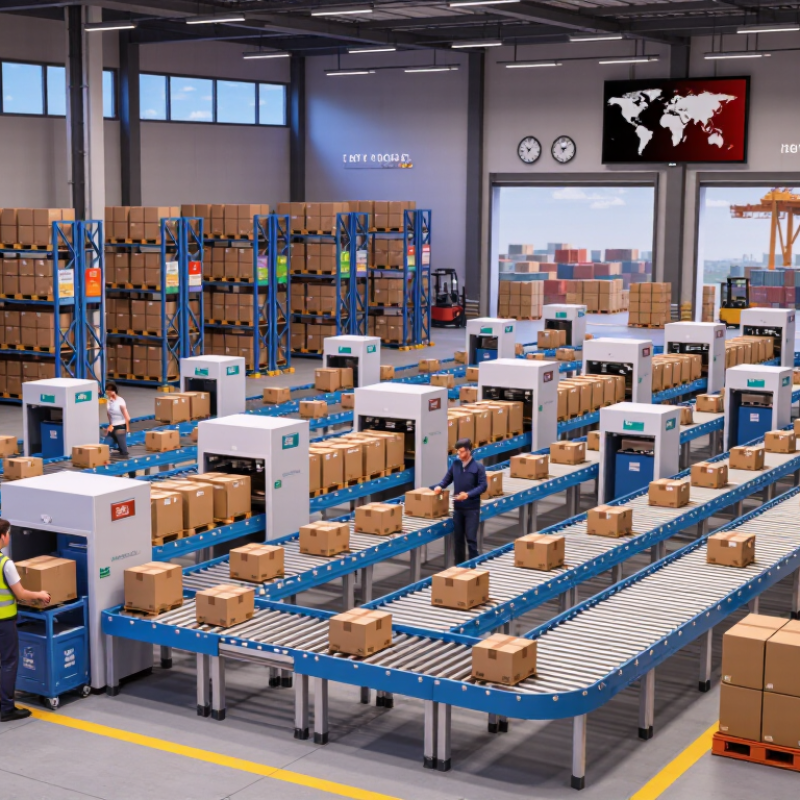
Global sourcing connects suppliers, ports, warehouses, and customers across different time zones. Each handoff can increase handling, delays, and inventory pressure. Carton Flow Storage offers a practical way to organize fast-moving cartons inside distribution centers. Its gravity-fed lanes support clear product rotation, quicker picking, and better use of vertical space.

The right system begins with real operating data. Review carton dimensions, weights, order frequency, replenishment methods, and daily picking volume. A lane designed for small apparel boxes may fail with irregular automotive parts. Measure the smallest and largest cartons. Check how products arrive, especially when supplier packaging changes between regions. These details influence roller pitch, frame strength, lane depth, and access requirements.

Site experience also matters. Walk the picking area during the busiest shift. Watch where operators pause, reach, or turn with loaded totes. Those observations often reveal problems that spreadsheets miss. Safety, maintenance access, and future product changes deserve equal attention. No single configuration is perfect. That assumption can fail when demand shifts suddenly or imported cartons use different materials. A dependable choice balances throughput, ergonomics, durability, and total ownership cost. Speak with qualified storage specialists, request practical testing, and compare performance under representative conditions. The strongest decision is not always the most automated one. It is the system that remains understandable, serviceable, and effective after installation.
How to Choose Carton Flow Storage for Global Sourcing?

Define Carton Flow Storage and Its Role in Global Sourcing

Carton flow storage is a gravity-fed shelving system for cartons, totes, or cases. Rollers or wheels move each carton from the loading side to the picking side. Workers load stock from the rear and pick from the front. This creates a simple first-in, first-out flow. It also keeps popular items visible and reachable.

Its role becomes clearer in global sourcing. Imported cartons may arrive in large, uneven shipments. Carton flow separates reserve stock from daily picking activity. It can reduce reaching, searching, and aisle congestion. The 2024 MHI Annual Industry Report found that 55% of supply chain leaders increased technology investment. This signals a broader need for faster, more controlled warehouse operations. Yet carton flow is not advanced technology. That is part of its value.

McKinsey’s 2022 Global Supply Chain Leader Survey reported that 73% of companies adopted dual sourcing strategies. More suppliers can mean more packaging formats, quantities, and replenishment patterns. A carton flow design should therefore accept realistic carton sizes, not only ideal samples. Measure carton width, weight, crush strength, and monthly demand before selecting lanes. Leave space for slow-moving items. Otherwise, the system may look efficient but create dead storage. A short test lane is wise. It exposes problems early. Global sourcing changes, and the storage design must change with it.

Assess Inventory, Order Profiles, and Warehouse Space

How to Choose Carton Flow Storage for Global Sourcing?

Assess inventory before selecting carton flow storage. Review carton dimensions, weights, and replenishment frequency across each sourced item. In warehouse assessments, fast-moving products often benefit from gravity-fed lanes and front-facing access. Slow movers may waste valuable flow space. A forecast is never perfect. Leave room for seasonal changes, packaging updates, and supplier substitutions.

Study order profiles carefully. Group orders by picking frequency, carton quantity, and shipment urgency. If workers repeatedly pick single cartons, shorter lanes can reduce walking and improve visibility. Larger batch orders may need deeper lanes, but excessive depth can hide older stock. Apply clear first-in, first-out controls where product dates matter. Measure actual pick data for several weeks, not just one busy day.

Tips: Map the warehouse with real aisle measurements. Record clear ceiling height, rack depth, and replenishment paths. Keep heavy cartons between knee and shoulder level. Test one sample lane before expanding. I once approved a layout using average carton sizes, then discovered irregular cartons blocked replenishment. That mistake required costly adjustments. Review exceptions, not only averages. Leave access for inspections, damaged cartons, and temporary overflow. A practical design should support today’s orders while remaining adjustable when global sourcing patterns change.

Compare Carton Flow Rack Designs and Material Options

Choosing carton flow storage for global sourcing requires more than comparing prices. The rack must match carton dimensions, picking frequency, and local warehouse conditions. In warehouse audits, I have seen small size differences create wasted space and unstable cartons. Measure the longest, widest, and heaviest cartons before requesting quotations.

Roller-track designs suit smooth cartons and frequent picking. They reduce pushing effort and support clear first-in, first-out movement. Wheel-track designs usually cost less and work well with lighter packaging. However, damaged carton edges can catch between wheels. Adjustable dividers improve control, but they may reduce usable width. A sloped shelf supports gravity feeding, while a level shelf offers better stability for irregular loads. Test both with real cartons.

Material selection also affects service life. Powder-coated steel fits dry warehouses and offers a practical balance of strength and cost. Galvanized steel performs better in humid or coastal locations, though its finish may look less uniform. Aluminum is lighter, but it can require careful load planning. Check rated capacity, frame thickness, fastener quality, and replacement-part availability. Ask suppliers for sample sections and written test data. Do not rely on photographs. Our first layout looked efficient, but replenishment access was poor. That mistake changed the aisle spacing and shelf pitch. A perfect design rarely survives its first week of operation.

Evaluate Supplier Quality, Costs, and International Logistics

When selecting carton flow storage for global sourcing, evaluate the supplier before the rack. Request steel-grade details, weld inspection records, roller load tests, and dimensional tolerances. Ask for a sample lane loaded with your heaviest carton. It should move smoothly, without carton tipping or false FIFO. Small defects become expensive after installation. A weak divider can reduce picking speed every day.

Compare landed cost, not factory price. Include tooling, export packing, inland transport, duties, insurance, installation, spare rollers, and replacement labor. UNCTAD’s Review of Maritime Transport 2023 reports that more than 80% of global trade by volume moves by sea. Sea freight may lower unit cost, but port delays can idle a warehouse. The World Bank’s 2023 Logistics Performance Index covers 139 economies and shows logistics capability varies widely. Quote two routes and calculate cost per usable lane, not per frame.

Supplier quality needs measurable controls. Use pre-shipment inspection, corrosion checks, carton-size trials, and a signed tolerance sheet. Require photos of packed modules and clear serial records. Confirm stackability, container utilization, moisture protection, and spare-part lead times. A supplier may pass visual inspection yet fail under repeated loading. That gap deserves a pilot shipment. No forecast is perfect. Keep a contingency budget, even when the model predicts zero risk. Review the design after three months of picking data, because theoretical throughput can be overly optimistic.

How to Choose Carton Flow Storage for Global Sourcing?

Supplier quality, total landed cost, and international logistics evaluation

The benchmark uses a 100-point procurement score. Quality acceptance rate, landed-cost control, lead-time reliability, export documentation readiness, packaging damage prevention, and replenishment efficiency are weighted according to their impact on global warehouse operations. A higher score indicates lower sourcing risk and stronger operational value.

Plan Installation, Safety Checks, and Future Expansion

How to Choose Carton Flow Storage for Global Sourcing?

Carton flow storage should be selected around your real picking process, not only carton dimensions. Measure carton weight, opening size, replenishment frequency, and daily order volume. A practical test uses sample cartons on several lane angles. Watch how smoothly they move after repeated loading. Small friction problems become expensive during peak demand.

Plan installation with accurate floor measurements, aisle clearances, lighting, and access for maintenance. Confirm the structure can support the planned load, including uneven distribution. Installers should check frame connections, rollers, lane dividers, and stop positions before use. Safety checks must include damaged cartons, unstable loads, sharp edges, and blocked walkways. A written inspection schedule helps different sites follow the same standard. Still, no checklist catches everything. Local working habits may reveal weaknesses later.

Tips: Leave spare space for additional lanes and future carton sizes. Use clear labels for replenishment and picking directions. Keep heavier cartons in lower positions. Test emergency access after the layout is installed. Review the system after several weeks, because early assumptions may be wrong. For global sourcing, document installation tolerances, replacement parts, and training instructions in simple language. Photograph each completed section. It helps remote teams identify changes quickly.

FAQS

What is carton flow storage?

It is a gravity-fed shelving system for cartons, totes, or cases. Rollers move cartons from the loading side to the picking side. Workers load stock at the rear and pick items at the front. It looks simple.

How does carton flow support global sourcing?

Imported goods may arrive in large, uneven shipments. Carton flow separates reserve stock from daily picking activity. It reduces searching, reaching, and aisle congestion. The design helps teams handle changing supply patterns.

Does carton flow provide first-in, first-out movement?

Yes, cartons usually move forward in loading order. Older stock can reach the picking side first. This supports a simple first-in, first-out process. However, poor loading habits can weaken the result.

What carton details should be measured before selection?

Measure carton width, weight, opening size, and crush strength. Record monthly demand and daily order volume. Include different packaging formats from real suppliers. Ideal sample cartons can mislead you.

How can a warehouse test carton flow before full installation?

Use a short test lane with several carton types. Try different lane angles and repeated loading cycles. Watch for friction, tipping, and slow movement. Test it early.

What installation conditions require attention?

Check floor measurements, aisle clearances, lighting, and maintenance access. Confirm the structure supports the planned load. Uneven weight distribution needs careful review. Small layout errors can create larger operating problems.

What safety checks should be completed before use?

Inspect frame connections, rollers, lane dividers, and stop positions. Remove damaged cartons and unstable loads. Keep walkways clear and edges protected. Test emergency access after installation.

How should carton flow storage support future changes?

Leave spare space for extra lanes and changing carton sizes. Place heavier cartons in lower positions. Use clear labels for loading and picking directions. Review the system after several weeks, because early assumptions may be wrong.

Conclusion

Choosing Carton Flow Storage for global sourcing requires a clear understanding of how the system supports product movement, order accuracy, and efficient replenishment. Carton flow racks use inclined lanes and gravity to move cartons from the loading side to the picking side, making them especially useful for fast-moving items and first-in, first-out inventory control. Before selecting a design, assess product dimensions, carton weights, order frequency, picking methods, available warehouse space, and expected changes in demand. These factors help determine the appropriate rack depth, lane configuration, roller or wheel materials, and overall load capacity.

A reliable sourcing plan should also evaluate supplier manufacturing quality, pricing, lead times, packaging, shipping requirements, and after-sales support. International logistics may affect landed costs and delivery schedules, so specifications should be confirmed before production. During implementation, plan the installation sequence, verify floor conditions, inspect components, and complete safety checks for stability, loading limits, and aisle clearance. A modular Carton Flow Storage solution can also make future expansion easier as inventory volume and operational needs grow.

Henry

Henry

Henry is a dedicated marketing professional with a profound expertise in the company's offerings. With years of experience in the industry, he possesses an impressive understanding of the market dynamics and consumer behaviors that drive success. Henry is committed to sharing his insights through......