When it comes to organizing your space, choosing the right Heavy Duty Storage solutions is vital. These options provide robust support for your valuable items. However, the abundance of choices can overwhelm anyone. Factors such as material, size, and intended use all play a significant role in your decision-making.
Selecting Heavy Duty Storage isn't just about finding what looks good. You need to consider durability and reliability. Whether it’s metal shelving for a garage or storage bins for a workshop, each option has distinct benefits. Quality construction ensures your items are safe and accessible. But keep in mind that not all solutions will suit your needs perfectly. Some may fail under pressure, while others may take up too much space.
The process of evaluating Heavy Duty Storage options often reveals gaps in knowledge. Many buyers overlook crucial specifications. For instance, the weight capacity may not meet expectations. It's essential to research and compare products. Your choices should reflect a balance between functionality and practicality, ensuring a satisfactory outcome for your storage needs.
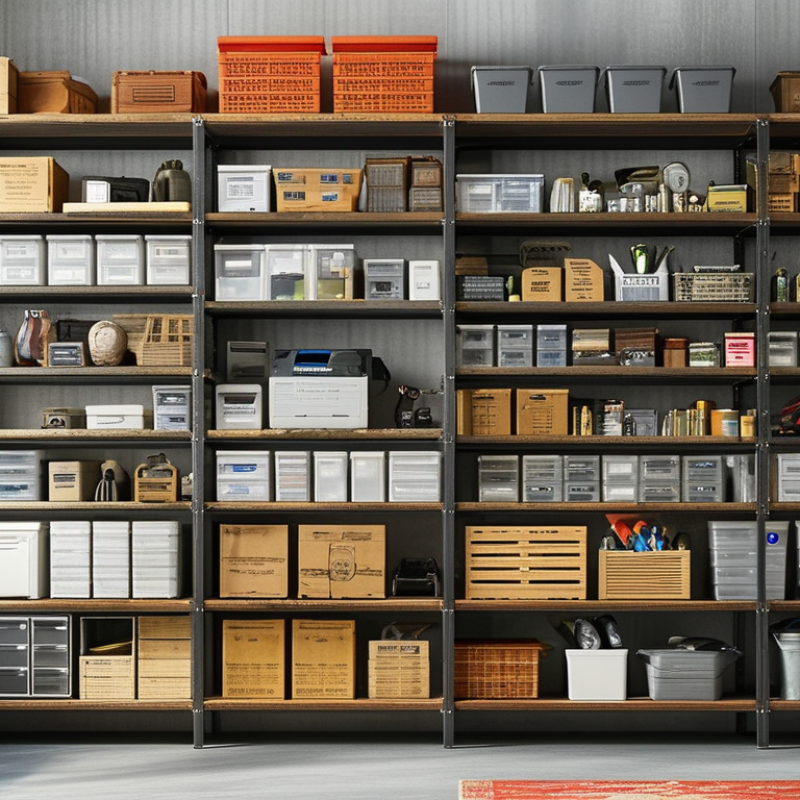
When choosing heavy duty storage solutions, understanding the various options available is crucial. Heavy duty storage is designed to handle large weights and frequent use. Materials such as steel and reinforced plastic provide strength and durability. Look for solutions that meet specific weight requirements to ensure safety and longevity.
Tips: Assess the intended use of your storage. Are you storing tools, equipment, or materials? Understanding the weight capacity you need will guide your choices. Factor in the environment too; certain materials hold up better in moist areas.
In addition, space efficiency plays a major role. Vertical storage options can help maximize limited floor space. Shelving units, racks, and cabinets often have adjustable features for flexibility. An imperfect design could lead to clutter. Take time to measure before installation to avoid such issues.
Finally, don't overlook safety features. Heavy duty storage should come with secure locks or safety rails, especially for high shelving. Reflect on the importance of ease of access versus maximum weight load. This balance is essential for creating a functional space.
| Storage Solution Type | Weight Capacity | Material | Dimensions (L x W x H) | Best For |
|---|---|---|---|---|
| Metal Shelving Unit | 1,500 lbs | Steel | 48" x 24" x 72" | Warehouses, Garages |
| Plastic Storage Bins | 200 lbs | Plastic | 30" x 19" x 12" | Home Organizing |
| Wooden Pallet Racks | 2,000 lbs | Wood | 48" x 40" x 42" | Industrial Storage |
| Wire Racks | 600 lbs | Metal | 36" x 18" x 72" | Restaurants, Retail |
| Heavy Duty Tool Cabinets | 500 lbs | Steel | 36" x 18" x 60" | Workshops, Garages |
: Start by listing the items you need to store. Different items require different storage solutions.
Measure every inch of your available area. Don't overlook vertical space; it can greatly enhance usage.
Durable materials ensure longevity and support. Steel offers high strength, while wood may wear over time.
Load capacity is crucial to prevent overloading. Underestimating it can lead to storage failures and accidents.
Regular maintenance is key. Check for rust on metals and treat wood to prevent pest damage.
Cheaper storage options may need replacement soon. Higher-quality solutions often save money in the long run.
Look for adjustable or modular designs. They can adapt to changing needs and effectively use vertical space.
Complex storage may require frequent upkeep. Factor this into your decision to avoid unexpected costs later.
Yes, every storage choice impacts costs over time. Prioritize durability and ease of maintenance to save money.
Think about previous issues with load limits. Use those experiences to guide your current choices.
When selecting the best heavy duty storage solutions, it is essential to first understand the various options available and assess your specific storage needs along with the space you have. Identifying the type of items you intend to store will help you determine the necessary features, such as material durability and load capacity, which are crucial for ensuring the longevity of your storage system.
Additionally, exploring different types of heavy duty storage products will provide insight into the range of options suited to your requirements. Cost comparison and evaluating the long-term value of these storage solutions are also critical steps in making a well-informed decision. Ultimately, a thoughtful assessment of these factors will lead to selecting the ideal heavy duty storage solution that effectively meets your needs.

 Chaoyu Storage