Choosing the right 4-Way Shuttle Storage solution is crucial for optimizing warehouse space. Many businesses struggle with selecting a system that aligns with their operational needs. The 4-Way Shuttle Storage system offers flexibility and efficiency, but not all options are created equal.
Efficiency in storage can lead to significant cost savings. Understanding the unique requirements of your business is essential. This includes analyzing storage volume, retrieval speed, and integration with existing systems. Investing time in this analysis can prevent costly mistakes.
Selecting a 4-Way Shuttle Storage system should reflect both present and future needs. Consider scalability, compatibility, and the technology provided. While many solutions promise efficiency, only a few deliver on those promises. Reflecting on past choices can shed light on what truly works.
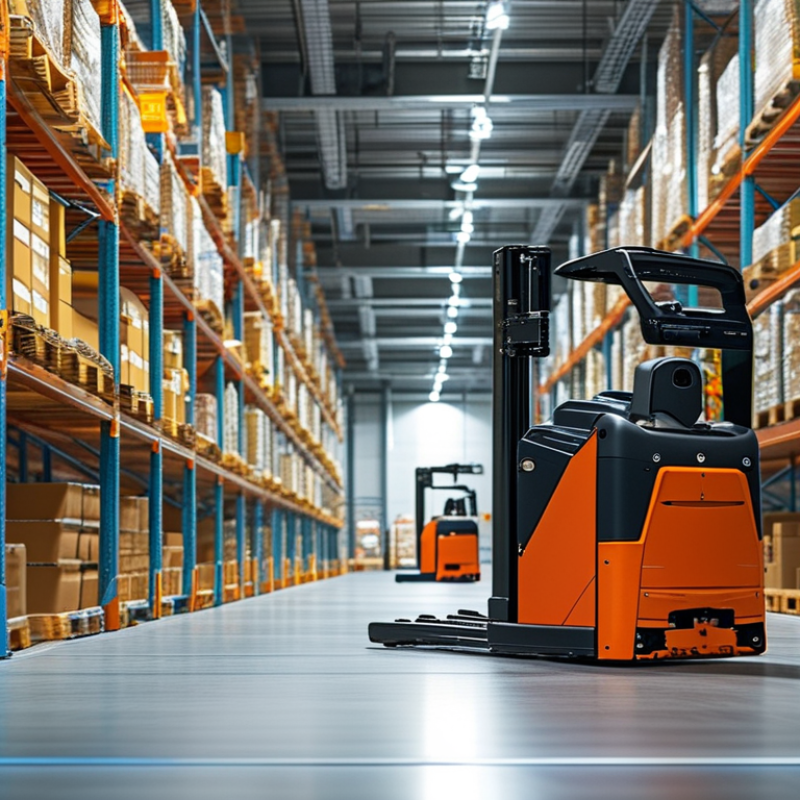
4-way shuttle storage systems are revolutionizing warehouse logistics. Understanding their basics can help boost efficiency and save space. These systems can optimize storage density, often increasing it by up to 100% compared to traditional palleting methods. They facilitate automatic retrieval and placement of goods. This reduces manual labor and errors, leading to faster inventory turnover.
A recent study by the Warehousing Equipment Manufacturers Association (WEMA) indicated that facilities adopting 4-way shuttles improved picking speed by more than 30%. Such systems are ideal for diverse inventory handling, including varying pallet sizes and weights. This versatility ensures they adapt to different operational needs. However, implementation challenges exist. Choosing the right software integration can be complex.
In addition, compatibility with existing infrastructure is crucial. Unexpected costs can arise during installation and training periods. It’s essential to investigate these aspects thoroughly. Although the initial investment may be high, the potential ROI is promising. Many organizations achieve payback within three years due to increased efficiency and reduced operational costs. A careful evaluation of these factors can lead to a successful 4-way shuttle storage solution.
When evaluating space requirements for 4-way shuttle storage solutions, efficiency is key. According to industry reports, optimizing storage layout can increase space utilization by up to 30%. Understanding the dimensions of your facility is essential. Measure both the height and footprint of the area designated for the storage system. High-density storage systems require careful planning to ensure they fit the intended space without compromising accessibility.
It’s also crucial to assess inventory types. Different products have varying dimensions and storage needs. Data shows that mixed-item storage can reduce picking efficiency by up to 25% if not planned correctly. Consider using software simulations to visualize how products will fit in the shuttle system. This approach aids in identifying potential issues before implementation. Focus on maintaining organized aisles to prevent bottlenecks in workflow.
Moreover, ensure compliance with safety regulations when setting up the system. Neglecting proper spacing and clearance can lead to operational hazards. Regularly revisit your layout as inventory increases or changes. Flexibility allows for better adaptation to operational shifts. Over time, it’s vital to reflect on how effectively the space is being utilized. Adapt and optimize continuously for the best results in storage solutions.
| Storage Solution Type | Space Required (sq ft) | Number of Pallets | Handling Efficiency | Cost Estimate ($) |
|---|---|---|---|---|
| Standard 4-Way Shuttle | 800 | 120 | High | 10,000 |
| Compact 4-Way Shuttle | 600 | 80 | Medium | 7,500 |
| Heavy-Duty 4-Way Shuttle | 1000 | 150 | Very High | 15,000 |
| Flexible 4-Way Shuttle | 750 | 100 | High | 9,000 |
| Automated 4-Way Shuttle | 900 | 130 | Very High | 20,000 |
When selecting a 4-way shuttle storage solution, several key features are vital. Flexibility is one of them. According to industry reports, businesses that implement flexible storage systems see a 10-30% improvement in space utilization. This allows companies to adjust their storage requirements easily as demand fluctuates.
Speed also plays a critical role. The best systems reduce retrieval times significantly, often achieving 25% faster operations. In a warehouse, this speed can enhance overall productivity and reduce labor costs. Many reports suggest that effective shuttles can handle around 1,200 pallets per hour, significantly improving throughput.
Additionally, consider the scalability of the system. As your business grows, your storage needs will evolve. Systems that can easily expand accommodate growth without requiring substantial new investments. This adaptability is essential in rapidly changing markets. However, opting for overspecified systems can lead to wasted resources. It's crucial to strike a balance between capacity and actual needs, as over-engineering might complicate operations rather than enhance them.
This chart illustrates the importance of various features in 4-way shuttle storage systems based on user preferences. The data reflects a survey conducted among logistics professionals regarding the key features they consider essential when selecting a storage solution.
When evaluating 4-way shuttle storage solutions, cost and efficiency play pivotal roles. A report from the Warehousing Optimization Institute states that businesses can reduce storage costs by up to 30% with the right system. However, the initial investment in high-capacity shuttles may deter some companies. It's essential to weigh long-term savings against upfront expenses for a comprehensive analysis.
Efficiency is often quantified by throughput. According to industry studies, shuttle systems can achieve up to 200 picks per hour. This rate significantly surpasses traditional storage methods, which often hover around 90 picks per hour. However, achieving such performance may require careful planning and a deep understanding of warehouse layout and product flow. If not aligned, companies risk reduced efficiency and increased operational costs, highlighting the need for a tailored approach.
Flexibility is another crucial factor. Mobile rack systems offer varying configurations, catering to changing inventory needs. Yet, they can complicate the warehouse design, requiring skilled professionals for implementation. The delicate balance between flexibility and simplicity often leads to important discussions about capability versus complexity. These factors, combined with precise calculations of costs and returns, ultimately guide the choice of the best shuttle storage solution.
When evaluating a 4-way shuttle storage solution, compatibility with existing warehouse operations is crucial. Before investing, assess the layout of your warehouse. Understand how your current storage systems interact with new tools. A mismatched setup can create inefficiencies. It might lead to wasted time and resources.
Implementing a new shuttle system requires training for employees. They need to understand how to use the new technology effectively. Regular feedback sessions can also help to identify issues early. This approach ensures smoother integration with your current processes.
Tips: Look into the dimensions of your aisles. Can the new system fit? Also, consider the software. Does it integrate smoothly with your warehouse management system? A disjointed experience can lead to undesirable disruptions. Prioritize flexibility, as your storage needs may evolve over time.
: It is a storage solution that automates the retrieval and placement of goods, enhancing efficiency.
It can increase storage density by up to 100% compared to traditional methods.
Installation costs and software integration can be complex and may lead to unexpected expenses.
Properly assessing your facility's dimensions can improve space utilization by up to 30%.
A mismatched setup with existing infrastructure can create inefficiencies and waste resources.
Employees require training to effectively use new technologies and understand operations.
Mixed-item storage can reduce picking efficiency by up to 25% without proper planning.
Ensuring proper spacing and clearance is essential to avoid operational hazards during setup.
Regularly revisit and adapt your layout for optimal space utilization as inventory increases.
Careful evaluation of space, compatibility, and training can lead to better storage outcomes.
The article "How to Choose the Best 4-Way Shuttle Storage Solution?" provides a comprehensive guide for selecting an optimal 4-Way Shuttle Storage system. It begins by explaining the fundamentals of these storage systems, detailing how they enhance efficiency by utilizing available space effectively. The article emphasizes the importance of assessing space requirements to ensure the chosen solution fits seamlessly into the warehouse layout.
Furthermore, it highlights key features to consider, such as speed, versatility, and load capacity, which significantly impact performance. The comparison of costs and efficiencies among various storage solutions also aids in making informed decisions. Lastly, understanding how the new system integrates with existing warehouse operations is crucial for maximizing productivity and minimizing disruptions. Overall, this article serves as a valuable resource for anyone looking to invest in a 4-Way Shuttle Storage solution that meets their specific needs.

Chaoyu Storage