10 Best Longspan Storage Solutions for Global Buyers?

Time:2026-09-13 Author:Isabella
0%

Choosing the right Longspan Storage system is rarely a simple matter of comparing prices. Global buyers must examine load capacity, aisle width, corrosion resistance, installation methods, and after-sales support. A warehouse in Rotterdam may need galvanized components, while a facility in Singapore may require stronger ventilation and humidity control.

Gwynne Richards, a respected warehouse management author and consultant, offers a practical principle: “Storage should support flow, not simply fill space.” That idea matters when pallets, cartons, and long materials move through different handling zones. A strong solution should reduce retrieval time, improve worker safety, and adapt to changing inventory profiles. Small details count. Beam spacing can affect forklift movement. Upright protection can prevent expensive damage.

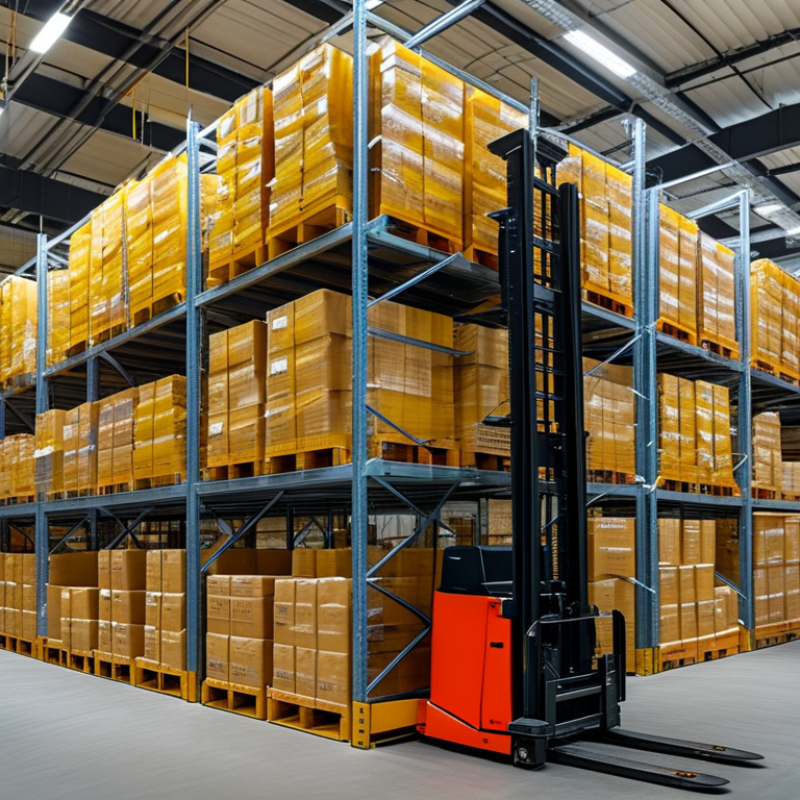
This guide reviews ten Longspan Storage solutions for international buyers, including adjustable shelving, heavy-duty racks, modular platforms, and hybrid systems. Each option has useful strengths, but none is perfect for every facility. Some systems offer excellent flexibility but require careful assembly. Others provide high capacity but consume valuable floor space. That trade-off deserves honest attention.

Real projects also reveal overlooked concerns. Shipping costs may alter the final budget. Local installers may not understand the supplier’s specifications. Replacement components may take weeks to arrive. Buyers should request load tests, material details, warranty terms, and installation drawings before committing.

The best choice is practical.

It should fit today’s operation while leaving room for tomorrow’s uncertainty.
10 Best Longspan Storage Solutions for Global Buyers?

What Is Longspan Storage and Where Is It Used?

Longspan storage is a versatile shelving system for medium to heavy loads. It uses upright frames, horizontal beams, and adjustable shelves.

Unlike light-duty shelving, it can hold bulky cartons, tools, spare parts, and archive boxes. Many systems support hand-loaded items without forklifts. Measure twice.

The best applications include warehouses, workshops, retail stockrooms, factories, and maintenance areas.

A three-level layout can store small parts below, cartons in the middle, and long components above. Steel shelves suit dense inventory, while timber or composite panels may offer easier handling.

Buyers should check beam capacity, shelf deflection, floor strength, and corrosion protection. Humid coastal sites may require a more durable finish. That detail is often underestimated.

Tips: Define the heaviest stored item before choosing a frame. Leave enough aisle space for safe picking and inspection. Ask for load charts, installation guidance, and replacement-part availability. Confirm dimensions in millimetres, not informal local measurements. Local building and workplace rules may also affect anchoring requirements. In practice, a slightly oversized design can improve access, but excessive capacity may waste floor space. Storage plans sometimes look perfect on paper and fail during daily use. Walk through the intended picking route before ordering.

How to Choose the Right Longspan Storage System

Choosing the right longspan storage system starts with the goods, not the catalogue photo. Measure product weight, carton depth, turnover rate, and handling equipment. A shelf that looks strong may still become unstable when loads are uneven.

In warehouse planning, I have learned to check clear height and aisle width before comparing prices. Confirm each level’s safe working load, beam span, shelf material, and adjustment range. Adjustable levels matter when product sizes change. They reduce wasted vertical space. Check the floor condition, too. Uneven concrete can affect alignment and stability.

Think about the working environment. Humid areas may require corrosion-resistant finishes, while clean indoor spaces may need smooth, easy-to-maintain surfaces. Global buyers should request drawings, load calculations, installation guidance, and inspection records. Ask whether the system follows recognized safety requirements in the destination market. Documentation builds trust.

Do not ignore delivery and installation. Packaging damage, missing fasteners, or unclear instructions can delay a project. Request spare-part availability and maintenance advice before placing an order. A small trial section can reveal access problems early. It may also expose an uncomfortable truth: the cheapest layout is not always the most practical. Recheck real workflows with warehouse staff, because planning assumptions can be wrong.

Top 10 Longspan Storage Solutions for Global Buyers

Global buyers need longspan storage that handles real warehouse pressure, not just attractive product photos. The top 10 longspan storage solutions include adjustable shelving, heavy-duty boltless racks, steel shelving, mobile units, mezzanine-supported storage, carton flow shelves, drawer cabinets, bin storage, cantilever sections, and modular workstations. Each option serves a different material, footprint, and picking routine.

Adjustable shelving suits mixed cartons and changing stock levels. Boltless racks reduce installation time and work well for workshops. Steel shelving supports heavier loads with less movement. Mobile units save floor space, but require level flooring and careful safety checks. Mezzanine-supported storage increases capacity vertically, although structural approval may be necessary. Carton flow shelves improve first-in, first-out handling. Drawer cabinets protect small components from dust. Bin storage keeps fasteners visible and accessible. Cantilever sections hold long goods, while modular workstations connect storage with packing tasks.

A reliable purchasing process starts with verified load ratings, beam dimensions, corrosion protection, and replacement-part availability. Ask for test reports and installation instructions. Check seismic, fire, and workplace requirements with a qualified local professional. Export buyers should also confirm packaging strength, shipping measurements, and assembly tools. Small details matter.

In practice, the cheapest layout can become expensive after expansion. I have seen unused corners, blocked aisles, and overloaded shelves undermine good planning. No solution fits every warehouse. Measure the longest item, heaviest carton, and busiest picking route before selecting the final configuration.

10 Best Longspan Storage Solutions for Global Buyers

Typical maximum shelf-load capacity by solution type

Heavy-duty, platform-supported, and rivet systems generally provide the highest shelf-load capacity, while archive and light-duty systems prioritize accessibility and cost efficiency. Values represent common market specification ranges and may vary according to beam length, shelf material, frame height, installation method, and safety requirements.

Key Features, Materials, and Safety Standards to Compare

10 Best Longspan Storage Solutions for Global Buyers?

Longspan shelving should match the load, not merely the room size. Measure carton weight, shelf span, beam deflection, and daily picking frequency before comparing suppliers. Adjustable levels help when inventory changes, but loose connections can create movement and noise. A practical test is simple: place a loaded shelf at working height and inspect any visible sag.

Steel remains the common choice for demanding warehouses because it offers strength, repairability, and predictable performance. Powder-coated surfaces resist ordinary abrasion, while galvanized steel suits humid areas better. Particle board is economical for dry goods, but wire decking improves visibility and reduces dust collection.

Check weld consistency, bolt quality, edge finishing, and corrosion protection. Small defects matter.

Safety documents deserve the same attention as product samples. Ask for rated load tables, installation instructions, inspection procedures, and traceable material information. Relevant references may include EN 15512, FEM guidance, ANSI/RMI standards, or applicable local requirements.

These standards are not interchangeable, so a global buyer should confirm the correct code with a qualified engineer. Anchor details, floor capacity, seismic exposure, and aisle clearance can change the design.

I have seen attractive layouts fail during review because the concrete slab was assumed, not checked. A spreadsheet looks exact. Reality is less cooperative.

Include guardrails, warning labels, and routine inspections where vehicles operate nearby. Safety should be visible, measurable, and documented.

Installation, Maintenance, and International Purchasing Considerations

Longspan storage succeeds when installation is treated as an engineering task, not simple assembly. Measure floor level, aisle clearance, beam spacing, and maximum load before delivery. Anchoring must match the floor structure and local safety requirements. UNCTAD’s Review of Maritime Transport 2024 states that over 80% of global trade volume moves by sea. Therefore, buyers should protect components from salt air, moisture, and long transit delays. Galvanized finishes help, but they are not magic.

Maintenance needs a written inspection routine. Check loose bolts, bent frames, corrosion spots, and overloaded shelves each month. Record photographs and corrective actions. The 2024 MHI Annual Industry Report found that 83% of supply-chain leaders expect artificial intelligence adoption within five years. That trend supports digital asset records, inspection reminders, and spare-parts tracking. Still, technology cannot replace a trained inspection. I have seen minor beam damage ignored because the software showed no alert.

Tips: Request drawings, load certificates, installation instructions, and replacement-part lists before purchase. Confirm metric or imperial dimensions. Verify packaging, customs documents, insurance, and delivery terms with the supplier. Ask whether local technicians can perform repairs. A low quote may hide expensive unloading, translation, or floor-reinforcement work. Compare total landed cost, not only product price. Leave room for honest uncertainty; local building conditions often differ from the seller’s assumptions.

FAQS

How should I choose the right longspan storage system?

Start with the goods, not the catalogue image. Measure product weight, carton depth, turnover rate, and handling equipment. Check clear height and aisle width. A strong-looking shelf may become unstable under uneven loads.

What load information should I confirm before purchasing?

Confirm the safe working load for every level. Check beam span, shelf material, and adjustment range. Keep heavier cartons on lower levels. Do not rely on appearance alone.

Why are adjustable shelf levels important?

Adjustable levels suit changing product sizes. They reduce unused vertical space. A 20-centimeter height change can create room for another carton row. Fixed spacing may waste capacity.

How does the warehouse floor affect installation?

Uneven concrete can affect alignment and stability. Measure floor level before delivery. Check whether floor reinforcement is needed. This detail is easy to overlook.

Which finishes suit humid storage areas?

Humid areas may need corrosion-resistant finishes. Salt air and moisture can damage exposed components during transport. Galvanized finishes help, but they are not magic. Inspect corrosion spots regularly.

What documents should I request before placing an order?

Request drawings, load calculations, installation instructions, and inspection records. Confirm metric or imperial dimensions. Ask for replacement-part lists and maintenance advice. Clear documents build practical trust.

What should installation teams check on site?

Check aisle clearance, beam spacing, floor level, and maximum load. Ensure anchoring matches the floor structure and local safety requirements. Missing fasteners can delay the project. A trial section may reveal access problems early.

How should longspan storage systems be maintained?

Inspect loose bolts, bent frames, corrosion spots, and overloaded shelves each month. Record photographs and corrective actions. Digital reminders can support inspections. They cannot replace trained judgment.

How can international buyers compare the real cost?

Compare the total landed cost, not only the product price. Include packaging, customs documents, insurance, delivery, translation, unloading, and possible floor reinforcement. Ask whether local technicians can perform repairs. The cheapest layout may not be practical.

Conclusion

Longspan Storage is a flexible shelving solution designed for organizing medium- to heavy-duty items in warehouses, workshops, retail backrooms, archives, and commercial facilities. This article explains how longspan systems differ from conventional shelving and how to select the right option based on load capacity, shelf dimensions, available space, accessibility, adjustability, and future expansion needs. It introduces ten practical solutions for global buyers, including adjustable shelving, multi-tier configurations, mobile layouts, bin-supported systems, and reinforced platforms for different storage environments.

The guide also compares important features, materials, coatings, connector designs, and safety standards to help buyers evaluate quality and durability. It discusses installation methods, routine inspections, load-label requirements, and maintenance practices that support long-term performance. For international purchasing, readers will also learn to consider product specifications, packaging, shipping arrangements, assembly instructions, quality documentation, regional regulations, and after-sales communication. The goal is to help businesses choose a safe, efficient, and cost-effective Longspan Storage system that matches their operational requirements.

Isabella

Isabella

Isabella is a dedicated marketing professional with a sharp focus on driving brand growth and engagement through strategic content creation. With an extensive background in digital marketing, she combines her passion for storytelling with her keen understanding of industry trends to deliver......